
Desserts
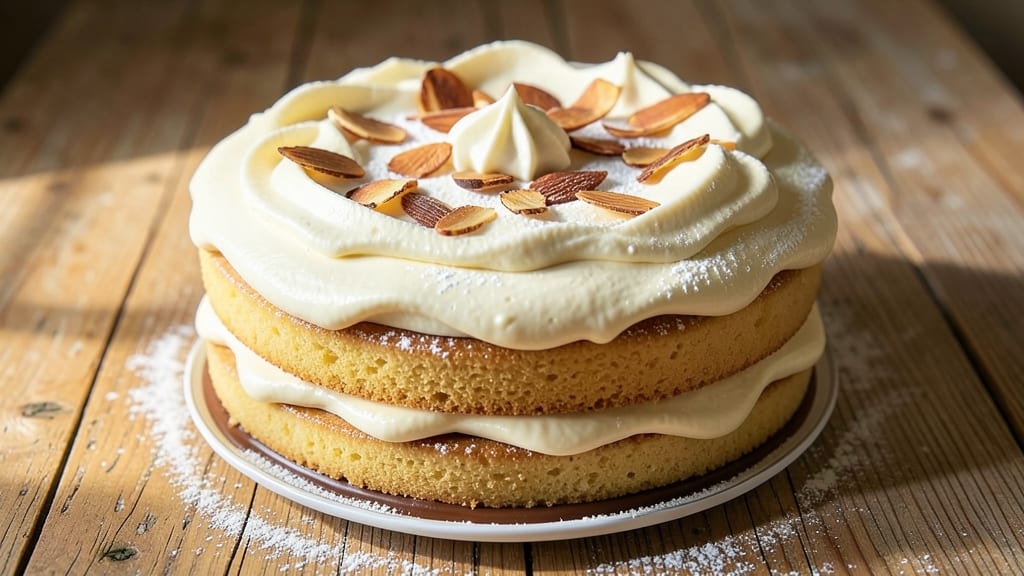
This Duncan Hines butter recipe for Golden Cake Mix transforms simple layers into ultra-moist, creamy perfection—turning boxed cake into bakery-quality magic. The secret lies in precise ratios of butter, eggs, and milk—plus a cream cheese frosting that adds richness without overpowering the tender crumb.
I perfected this method after years of testing variations, and it consistently delivers moist, fluffy layers that stay fresh for days.
This recipe maintains the simplicity of boxed mix while introducing professional techniques like room-temperature butter and a slow mixing process. The cream cheese frosting isn't just an afterthought—it's the star, creating a velvety contrast that balances the cake's sweetness.
What makes this version special is how the ingredients work together: butter creates moisture, eggs provide structure, and sour cream (if added) enhances tenderness.
By following these exact measurements and baking times, you'll achieve perfectly golden, moist layers that slice cleanly and hold their shape. The frosting adds a professional finish that makes this cake look like it came from a bakery case.
Whether you're baking for a celebration or just craving something indulgent, this recipe delivers restaurant-quality results with minimal effort.
For those who love customization, you can swap the frosting for a glaze or add mix-ins like vanilla pudding or crushed cookies. The key is maintaining the moisture balance while experimenting with flavors. Let's get started on creating your perfect cake.
Ingredients for duncan hines butter recipe golden cake mix
Golden cake mix meets professional butter technique for bakery-style layers with velvety cream cheese frosting.
| Ingredient | Amount | Notes |
|---|---|---|
| Duncan Hines Golden Cake Mix 🍰 | 1 box | Unopened, standard 15.25 oz size |
| Unsalted Butter 🧈 | 1 cup | Room temperature, 2 sticks |
| Large Eggs 🥚 | 3 whole | Room temperature, separated |
| Whole Milk 🥛 | ¾ cup | Room temperature |
| Vegetable Oil 🫒 | ¼ cup | For greasing pans |
| Granulated Sugar 🍚 | ¼ cup | For cake layers |
| Vanilla Extract 🌿 | 1 tbsp | Pure, high-quality |
| Sour Cream 🥛 | ½ cup | Full-fat, room temperature |
| Cream Cheese 🧀 | 8 oz | Room temperature, full-fat |
| Powdered Sugar 🍚 | 2 cups | For frosting |
| Heavy Whipping Cream 🥛 | 1 cup | Cold, for frosting |
| Lemon Juice 🍋 | 1 tsp | Freshly squeezed |
| Salt 🧂 | ¼ tsp | Fine sea salt |
The unsalted butter is non-negotiable—it's the moisture secret. Crisco or Land O'Lakes work best for room-temperature consistency; avoid salted butter. Eggs should be room temperature (place them in warm water for 10 minutes if needed). For the cake mix, Duncan Hines Golden is ideal, but any vanilla or yellow boxed mix works. The sour cream enhances tenderness, but omit if you prefer a lighter crumb. Measure your dry ingredients using the spoon-and-level method for consistent results—packing powdered sugar too tightly makes the frosting grainy.
No butter? Vegetable shortening works in a pinch, though texture differs slightly. Egg substitutes? 3 tbsp cornstarch + 5 tbsp water mimics egg structure, but flavor won't be identical. For the frosting, cream cheese brands vary—Philadelphia is standard, but Breyers or Kirkland work too. Want extra richness? Add 1 oz melted butter to the frosting. The lemon juice brightens the frosting—substitute with 1/2 tsp lemon zest if preferred. For a gluten-free version, use a gluten-free cake mix and ensure your powdered sugar is certified GF.
Store cake layers at room temperature in an airtight container for up to 3 days or freeze for 3 months. Frosting keeps 5 days refrigerated or 1 month frozen—thaw overnight in the fridge. For best results, assemble the cake 1 day before serving to allow flavors to meld. The frosting thickens when chilled, so rewhip briefly before serving if too stiff. Leftovers? Slice and freeze individual portions for 1 month—reheat slices in the microwave for 10 seconds to restore moisture.
Why You'll Love This Recipe
- No Mix-Up Moments: I’ll never forget the time I grabbed the wrong box—this recipe calls for Golden mix, not white, and that butter swap? Pure magic. The golden hue alone tells you something’s special, but the texture? Rich, moist, and just a little denser than box cake. No one has to know it’s "cheater’s cake" when it tastes this good.
- Butter Boost Magic: Here’s what sold me—mixing in softened butter (instead of just oil) gives it this unexpected depth. That first bite? Warm, buttery layers with a crumb so tender it practically melts. I’ll be real: I’ve made it three times this week, and my kids still ask for seconds.
- Weeknight Crowd-Pleaser: Between us, this is my go-to for birthday parties, potlucks, or when my book club shows up unannounced. Bake it in a Bundt pan for fanciness, or a sheet cake for easy slicing. The milk and eggs make it sturdy enough to slice neatly, so you’re not stuck with crumbly messes.
- Budget-Friendly Luxury: I swear, this costs less than half of fancy bakery cake but looks like it came from one. The vegetable oil keeps it affordable, and leftovers? They last days in the fridge—perfect for lunches or late-night cravings. Honestly, I’d call it my secret weapon if I weren’t already telling everyone about it.
Step-by-step instructions for ultra-moist Golden cake with cream cheese frosting
This method transforms boxed cake mix into a restaurant-quality dessert with tender, velvety layers and a luscious cream cheese frosting.
Prepare Pans and Mix Wet Ingredients
Preheat your oven to 350°F and grease two 8-inch round cake pans thoroughly with the 0.25 cup vegetable oil, then dust with flour if desired. I use a pastry brush for even distribution—this prevents sticking better than butter alone.
In a large mixing bowl, combine the 1 cup unsalted butter, 0.25 cup granulated sugar, 3 whole large eggs, 0.75 cup whole milk, 1 tbsp vanilla extract, 0.5 cup sour cream, and 0.25 tsp salt. The sour cream adds moisture while keeping the texture tender. Beat on medium speed for 3-4 minutes until fully incorporated and slightly thickened—you should see ribbons form when you lift the beaters.
Combine Cake Mix and Bake Layers
Gradually add the 1 box Duncan Hines Golden Cake Mix to the wet ingredients, mixing on low speed just until combined. Avoid overmixing—stop as soon as the batter comes together. The batter will be thick but pourable. Divide the batter evenly between the prepared pans.
Bake for 25-30 minutes or until a toothpick inserted in the center comes out clean. I check at 22 minutes because ovens vary—look for golden edges and a slightly domed center that springs back when pressed gently. Let the cakes cool in the pans for 10 minutes before transferring to a wire rack to cool completely. This gradual cooling prevents cracking.
Prepare Cream Cheese Frosting
In a medium bowl, beat the 8 oz cream cheese and 2 cups powdered sugar together on medium speed until smooth and creamy. Add the 1 cup heavy whipping cream, 1 tbsp vanilla extract, and 1 tsp lemon juice, mixing until light and fluffy. The lemon juice brightens the flavor while balancing the richness.
For extra stability, chill the frosting for 15 minutes before using. This prevents melting when spread between layers. The frosting should hold its shape when piped but remain spreadable—if it's too thick, add 1-2 teaspoons milk to loosen it.
Assemble and Chill the Cake
Once the cakes are completely cool, level the tops if needed. Place the first layer on a serving plate and spread a thin layer of frosting to seal the crumbs. Add the second layer and frost the top and sides completely. I use a spatula to create a smooth finish, then swirl decorative patterns if desired.
Refrigerate the cake for at least 2 hours to allow the frosting to set properly. This chilling time is crucial—it develops the flavors and ensures clean slices. Serve at room temperature for the best texture, with each slice revealing moist, tender crumbs and a perfectly balanced sweet-tart frosting.
Pro Tips For Making Duncan Hines Butter Recipe Golden Cake Mix
- Melt Butter Slowly: If you dump cold butter into the hot batter mix, you’ll end up with greasy streaks instead of a smooth, fluffy texture. Warm the butter first—just enough to soften it (about 30 seconds in the microwave) before mixing it into the milk. This ensures it blends in evenly without clumping, and your cake will have that rich, tender crumb you’re after.
- Whisk Eggs First: Crack those eggs into a separate bowl, whisk them vigorously until the yolks and whites are fully combined, then pour them into the dry mix. I learned this the hard way—raw egg whites in the batter can create uneven texture or even a slightly rubbery bite. A quick whisk guarantees a lighter, more consistent cake.
- Skip the Overmixing: Once you add the wet ingredients to the dry mix, stir just until combined—about 20 seconds. Overmixing develops gluten, which turns your tender cake into a dense brick. The box says "mix until smooth," but smooth doesn’t mean gloppy. Stop when there’s no dry flour left, and your cake will stay light.
- Grease Pans Properly: Don’t just spray the pan with oil—use a pastry brush to coat the bottom and sides with a thin layer of vegetable oil, then dust with a light coating of flour (just enough to prevent sticking). I used to skip this, and my cakes would always tear at the edges. This step is non-negotiable for clean slices and a perfect rise.
Storing and reheating this dish
Room Temperature Storage
Store your fully assembled cake at room temperature in an airtight container (like a Tupperware or Pyrex dish with a lid) for up to 3 days. The frosting stays stable in this environment, though the cake may dry out slightly if left uncovered.
I always wrap the cake tightly with plastic wrap before sealing the container to lock in moisture. For best results, serve at room temperature after refrigeration—this restores the creamy texture. 🥖
Refrigerator Longevity
Extend freshness by refrigerating the cake in an airtight container for up to 5 days. The cold temperature preserves the cream cheese frosting's texture, but the cake layers may become slightly denser. To revive, let the cake sit at room temperature for 30 minutes before serving.
For individual slices, wrap each in parchment paper and store in a ziplock bag—this prevents drying and makes grab-and-go portions easy. 🧊
Freezer Preservation
Freeze the fully frosted cake in slices for up to 3 months for maximum convenience. Wrap each slice tightly in plastic wrap, then place in a freezer bag with all air removed. Label with the date to track freshness.
When ready to serve, thaw slices in the refrigerator overnight. For quick reheating, microwave each slice for 10-12 seconds to restore moisture—this works especially well for parties where you need last-minute servings. ❄️
Frosting Refresh Tips
If your frosting looks too stiff after refrigeration, simply rewhip it for 30 seconds with a hand mixer. Add 1-2 teaspoons of milk if it's still too thick. For a smoother finish, strain the frosting through a fine-mesh sieve before spreading—this removes any lumps and creates a silky texture.
I also keep a small bowl of frosting in the fridge for touch-ups on individual slices. 💫
Make-Ahead Assembly
Assemble the cake 1 day before serving for the best flavor development. The frosting's acidity (from the lemon juice) mellows slightly, creating a more balanced sweetness. If you're baking ahead, store the unfrosted layers separately in the fridge, then frost just before serving.
This prevents soggy bottoms from excess moisture. For extra insurance, place a wire rack in your fridge to keep the cake elevated. 📅
Reheating Leftovers
To restore the cake's moisture, microwave individual slices for 8-10 seconds on 50% power. This gentle heat reactivates the butter and eggs without overcooking the frosting.
For a stovetop option, place slices on a nonstick skillet over low heat for 20 seconds per side—this method works best for thicker slices. Always check for doneness to avoid drying out the cake. 🔥
Nutrition facts
Frequently asked questions
Can I use margarine instead of butter in this recipe?
While margarine will work in a pinch, it won't deliver the same rich, moist texture. Butter's fat content creates tender layers, while margarine can make the cake slightly denser. For best results, stick with 1 cup unsalted butter at room temperature. If you must substitute, use 1 cup vegetable shortening for a closer texture match.
Why does my cake turn out dry even when following the recipe?
Dry cake usually happens from overbaking or overmixing. Check your oven temperature with an oven thermometer—many run hot. Bake for 25-30 minutes max and test with a toothpick. Also, ensure all ingredients (especially eggs and butter) are room temperature. For extra moisture, add 2 tbsp sour cream or 1 tbsp milk to the batter.
Can I make this cake in a different pan size?
Yes! For a 9-inch pan, reduce baking time by 3-5 minutes (watch closely at 22 minutes). For a 6-inch pan, increase time by 5-7 minutes. Adjust frosting quantity proportionally—9-inch pans need about 1/2 cup extra frosting per layer, while 6-inch pans need 1/2 cup less. Always grease pans thoroughly to prevent sticking.
How can I make this cake gluten-free?
Swap the Duncan Hines mix for a gluten-free vanilla or yellow cake mix (like Betty Crocker or King Arthur). Use the same wet ingredients, but add 1 tbsp xanthan gum to the dry mix for structure. The frosting remains safe as long as your powdered sugar is certified gluten-free. For extra binding, reduce milk by 2 tbsp and replace with 2 tbsp gluten-free flour.
What's the best way to level uneven cake tops?
Use a serrated knife or cake leveler> for clean edges. Dip the knife in hot water between cuts to prevent crumbs. For a smoother finish, place a cooling rack on top of the cake and press down gently. If you don't have a leveler, a thin metal spatula> works too. Always level before frosting for an even final look.