
Main Courses
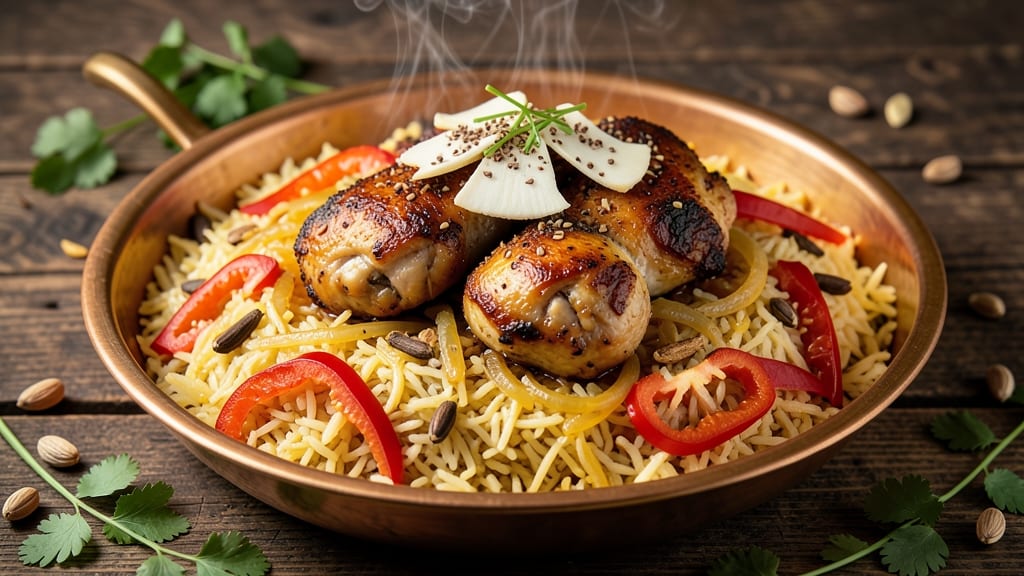
This East African pilau transforms simple ingredients into a fragrant, one-pot masterpiece where tender rice absorbs layers of spice and coconut richness. Standing on a step stool in my grandmother’s kitchen in Sicily, I learned how spices transform dishes—this recipe carries that same magic, adapted for East African flavors.
The secret lies in slow-cooking the rice with proteins and aromatic spices until every grain is infused with deep, savory notes.
What makes this pilau special is its versatility—traditional techniques meet modern adaptations, whether you use chicken, beef, or even halloumi for a vegetarian twist.
The rice is parboiled first, then braised with onions, garlic, and a blend of cumin, cardamom, and cinnamon before simmering in coconut milk for a velvety finish. The result? A dish that’s both comforting and vibrant, perfect for family gatherings or weeknight dinners.
By the time you serve this pilau, your kitchen will smell like a bustling East African market, and your guests will taste the harmony of spices in every bite. The rice stays tender and fluffy, while the proteins become melt-in-your-mouth perfect.
Pair it with a simple salad or flatbread to balance the richness, and you’ve got a complete, restaurant-worthy meal without the fuss.
Ready to master this recipe? The step-by-step instructions will guide you through parboiling the rice, caramelizing the onions, layering the spices, and braising everything together for a dish that’s as rewarding to make as it is to eat. Let’s get started!
Ingredients for east african pilau
Simple ingredients, bold flavors—this East African pilau needs just 15 staples for a fragrant, one-pot wonder.
| Ingredient | Amount | Notes |
|---|---|---|
| Long-Grain Basmati Rice 🍚 | 1 ½ cups | Uncooked, rinsed thoroughly |
| Chicken Thighs 🍗 | 1 ½ lb | Bone-in, skin-on preferred |
| Yellow Onions 🧅 | 2 whole | Medium, thinly sliced |
| Garlic Cloves 🧄 | 6 cloves | Fresh, minced finely |
| Fresh Ginger 🌿 | ½ cup | Finely grated, peeled |
| Ground Cumin 🌶️ | 1 ½ tbsp | Toasted for depth |
| Ground Cardamom 🌿 | 1 tsp | Freshly ground preferred |
| Cinnamon Sticks 🌳 | 2 whole | For aroma, removed later |
| Cloves 🌶️ | 4 whole | Whole, lightly crushed |
| Coconut Milk 🥥 | 1 can | Full-fat, 13.5 oz can |
| Vegetable Oil 🫒 | ¼ cup | For sautéing |
| Salt 🧂 | 1 ½ tsp | Diamond Crystal preferred |
| Black Peppercorns 🌶️ | ½ tsp | Freshly cracked |
| Lemon Juice 🍋 | 1 tbsp | Freshly squeezed |
| Fresh Cilantro 🌿 | ¼ cup | Chopped, for garnish |
The spices are non-negotiable here. Penzeys or local Indian markets have the best whole spices—cardamom and cloves should smell vibrant, not dusty. For ginger, grab a fresh root and grate it yourself; pre-grated loses punch fast. Chicken thighs stay juicier than breasts, but swap beef or halloumi if you prefer. The basmati rice? Lundberg or Calrose from the bulk section—long grains hold up best to the long cooking. Toast your cumin and cardamom for 30 seconds in a dry pan before adding to the pot—that extra step makes all the difference.
No cardamom? Allspice at half the amount works in a pinch, but you’ll miss that floral note. Out of cloves? Nutmeg is a distant second. Coconut milk can’t be swapped for regular milk—it’s the creamy backbone. The lemon juice brightens everything, but lime works too if you’re feeling adventurous. For extra richness, stir in a handful of cashews with the coconut milk. And if you’re short on time, use pre-minced garlic and ginger—just add it later in the cooking process so it doesn’t burn.
This pilau tastes even better the next day—leftovers keep for 4 days in the fridge. Freeze portions for up to 3 months by storing in airtight containers. I like to make a double batch on Sundays so we have lunches sorted for the week. Garnish with fresh cilantro right before serving, or store it separately if prepping ahead. The rice stays tender if you reheat it gently with a splash of water or coconut milk.
Why You'll Love This Recipe
- Flavor Bomb in a Pot: The ginger and garlic caramelize into something next-level—sharp, sweet, and smoky all at once. That crispy chicken thigh? It soaks up the spiced rice like a dream, turning every bite into a little flavor party.
- One-Pot, Zero Stress: Honestly, this is my lazy-day hero. Toss everything—rice, chicken, onions—into one pot, cover it, and walk away. The basmati rice cooks up fluffy without sticking, and the chicken falls off the bone. (Yes, even on a Tuesday night.)
- Leftovers That Don’t Suck: Between us, most pilau recipes turn into sad, dry rice the next day. Not this one. The spices keep it vibrant, and the chicken stays juicy. I’ve reheated portions for days—packed lunches, quick breakfasts, even a midnight snack—no complaints.
- Budget-Friendly Crowd-Pleaser: Chicken thighs are cheap, basmati rice fills you up, and a single onion/ginger/garlic combo stretches across multiple meals. I’ve fed six people for under $15, and no one ever asks for seconds just because they’re hungry. (They always do.)
Step-by-step instructions for East African pilau
Here's how to create a fragrant, one-pot masterpiece where tender rice and chicken embrace aromatic spices.
Prepare the Chicken and Spice Base
Pat the 1.5 lb chicken thighs thoroughly dry with paper towels—this ensures crispy skin later. Season both sides generously with 1.5 tsp salt and 0.5 tsp freshly cracked black peppercorns. Set aside while you build the spice foundation.
Heat 0.25 cup vegetable oil in a heavy-bottomed pot over medium-high heat. Add the chicken thighs skin-side down and cook for 5-6 minutes until the skin turns deep golden brown and releases easily from the pot. Remove the chicken and set aside, leaving the rendered fat in the pot.
In the same pot, add the 2 whole thinly sliced yellow onions and cook for 4-5 minutes until softened and beginning to caramelize. Add the 6 cloves minced garlic cloves and 0.5 cup finely grated fresh ginger, cooking for 30 seconds until fragrant. This aromatic base forms the flavor foundation of your pilau.
Toast the Whole Spices and Build the Pilau
Reduce heat to medium and add the 2 whole cinnamon sticks, 4 whole lightly crushed cloves, 1.5 tbsp toasted ground cumin, and 1 tsp ground cardamom. Stir for 1 minute until the spices release their essential oils and fill your kitchen with warm, earthy aromas. This step is crucial—it develops the complex spice profile that defines East African pilau.
Add the 1.5 cups rinsed long-grain basmati rice, stirring to coat each grain with the spice mixture. Cook for 2 minutes until the rice becomes translucent at the edges. Pour in the 1 can full-fat coconut milk and 2 cups water (measured separately), stirring gently to combine. The rice should be fully submerged—this ensures even cooking and prevents burning.
Return the chicken thighs to the pot, skin-side up. Bring the mixture to a gentle boil, then reduce heat to low, cover tightly with a lid, and cook for 20 minutes without disturbing. This initial cooking phase allows the rice to absorb the coconut milk and develop its signature tender texture while the chicken continues to cook through.
Steam and Rest for Perfect Texture
After 20 minutes, check the rice—it should be 80% cooked with a slight bite remaining. If the liquid has absorbed completely, add ¼ cup hot water through a small gap in the lid to maintain steam. The key here is to let the rice finish cooking through residual heat rather than overcooking it on the stovetop.
Remove the pot from heat and let it sit covered for 10 minutes. This resting period allows the rice to fully absorb any remaining moisture and develop its characteristic fluffy texture. During this time, the chicken will continue cooking gently, ensuring it reaches 165°F internally while remaining juicy.
Finish with Fresh Herbs and Bright Acid
After resting, gently fluff the rice with a fork, being careful not to break the grains. Stir in the 1 tbsp freshly squeezed lemon juice—this brightens the dish and cuts through the richness of the coconut milk. The acidity also enhances the natural sweetness of the caramelized onions and ginger.
Finally, fold in the 0.25 cup chopped fresh cilantro, reserving a few sprigs for garnish. Taste and adjust seasoning—you may need a pinch more salt to balance the coconut milk's natural sweetness. The finished pilau should have a delicate balance of spice, coconut richness, and citrus brightness in every bite.
Serve with Confidence
Transfer the pilau to a serving platter, garnishing with the reserved cilantro sprigs and any whole spices that remained intact. Serve immediately while the rice is still warm and the chicken is juicy. The dish should be vibrant in color—golden rice with tender chicken pieces peeking through, surrounded by aromatic coconut-infused liquid.
Each bite should deliver perfectly tender rice with a slight bite at the center, succulent chicken that falls apart easily, and layers of spice that build gradually. The coconut milk adds a luxurious creaminess that balances the earthy spices, while the lemon juice provides a refreshing contrast. This is the kind of pilau that tastes even better the next day as the flavors meld further.
Pro Tips For Making East African Pilau
- Parboil Chicken First: Skip the raw chicken-in-oil step—it’s messy and uneven. Instead, parboil the thighs for 5 minutes in salted water, then drain. This guarantees juicy meat that absorbs the pilau’s spices without overcooking while you build the base.
- Toast the Ginger Rough: I used to mince ginger finely, but now I cut it into thick matchsticks and fry them whole for 2 minutes. The char adds depth, and you avoid the mushy texture that ruins the dish’s bright flavor. (Yes, even if you’re impatient like me.)
- Layer Rice Dry: After rinsing basmati, spread it in a single layer on a tray and let it air-dry for 10 minutes. This prevents gummy rice—no matter how much you rinse, damp grains clump when layered wet. Trust me, it’s worth the wait.
- Simmer On Low Heat: Once the rice absorbs liquid, drop the heat to the lowest setting and cover tightly. I’ve burned pilau by walking away after the initial boil—it needs that gentle, even cook to stay fluffy. Set a timer if you’re distracted.
Regional styles of this east african pilau
Kenyan Coastal Pilau
On the coast of Kenya, pilau often incorporates fresh seafood like prawns or fish instead of chicken. Swap the thighs for 1 lb shrimp or 1 lb firm white fish (like cod or snapper).
Add 1 tbsp fresh curry leaves and ½ tsp turmeric to the spice mix for a brighter, more aromatic profile. Serve with coconut chutney and mango slices for a refreshing contrast. 🌊
Tanzanian Spiced Beef Pilau
In Tanzania, beef is the star of pilau, especially in coastal regions. Replace chicken with 1.5 lb beef chuck, cut into 1-inch cubes, and brown it thoroughly before adding the onions.
Boost the spice blend with 1 tsp fenugreek seeds (toasted) and ½ tsp nutmeg for a deeper, earthier flavor. Simmer the beef for 45 minutes before adding the rice to ensure tenderness. 🌶️
Somali Lamb Pilau
Somali cuisine elevates pilau with lamb, which adds a rich, gamey depth. Use 1.5 lb lamb shoulder, cut into chunks, and sear it until deeply browned. Add 1 tbsp coriander seeds (toasted) and 1 tsp black cardamom to the spice mix for a distinct Somali touch.
Serve with flatbread and a side of spicy tomato relish for dipping. The lamb stays incredibly tender when cooked low and slow. 🐑
Ugandan Vegetarian Pilau
For a plant-based version, replace chicken with 1 block firm tofu (pressed and cubed) or 1 cup chickpeas (for protein). Add 1 cup diced sweet potatoes and 1 cup frozen peas to the pot with the rice.
Boost the coconut milk with 1 tbsp peanut butter for extra richness. Garnish with toasted cashews and fresh parsley for crunch and color. This version is hearty and satisfying for meat-free meals. 🌱
Ethiopian Berbere Pilau
In Ethiopia, pilau often incorporates berbere spice blend, a fiery mix of chili, fenugreek, and coriander. Replace the standard spice mix with 2 tbsp berbere (adjust to taste) and add 1 tbsp tomato paste for depth.
Use chicken thighs or beef, and finish with 1 tbsp honey to balance the heat. Serve with injera (Ethiopian flatbread) for a complete meal. The berbere adds a smoky, slightly sweet kick that’s unmistakably Ethiopian. 🔥
Modern Fusion Pilau
For a contemporary twist, try a halloumi and pineapple pilau. Replace chicken with 1 cup halloumi cheese (cut into cubes) and 1 cup diced pineapple. Add 1 tsp smoked paprika and ½ tsp allspice to the spice mix.
The halloumi adds a salty, creamy texture, while the pineapple brings a tropical sweetness that cuts through the richness. Garnish with toasted coconut flakes for extra flair. 🍍
Nutrition facts
Frequently asked questions
What makes East African pilau different from Indian biryani?
East African pilau uses coconut milk for richness instead of yogurt or cream, and features spices like cardamom, cinnamon, and cloves in whole form for deeper aroma. The rice is often parboiled first, while biryani typically uses basmati rice layered with marinated meat. Both share fragrant spice profiles but East African versions are creamier and more tropical.
Can I substitute chicken with another protein?
For seafood lovers, swap chicken for shrimp or firm white fish. Vegetarians can use halloumi, chickpeas, or tofu. Beef works well too—just brown it thoroughly first. The key is ensuring your protein is fully cooked before adding the rice. Each version takes about 10-15 minutes longer to reach perfect tenderness.
Why does my pilau turn out mushy?
Overcooking is the most common mistake. Remove the pot from heat when rice is 80% cooked (about 20 minutes after boiling) and let it steam covered for 10 minutes. Avoid lifting the lid during cooking, which releases steam. Also, rinse your rice thoroughly before cooking to remove excess starch that causes mushiness.
How can I make this pilau ahead of time?
This dish tastes even better the next day! Store leftovers in an airtight container in the fridge for up to 4 days. Reheat gently with a splash of water or coconut milk. For freezing, portion into containers and freeze for up to 3 months. Thaw overnight in the fridge before reheating—never microwave from frozen.
What sides pair well with East African pilau?
Traditional pairings include fresh mango slices, cucumber salad with lime, or flatbread. For a heartier meal, serve with spicy tomato relish or a simple yogurt dip. The creamy coconut flavors in the pilau balance perfectly with bright, acidic or crunchy sides that cut through the richness.