
Main Courses
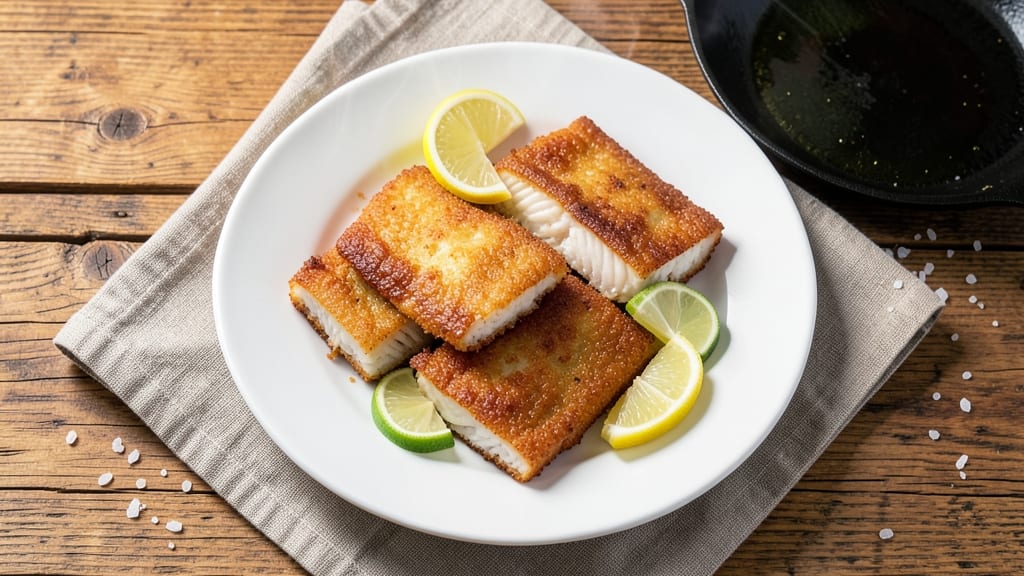
This fish fry recipe delivers crispy, golden beer-battered fish without relying on cornmeal—a game-changer for anyone who’s struggled with clumpy, soggy coatings. The secret lies in a light, airy batter made with all-purpose flour, cold beer, and a touch of baking powder, which creates a delicate yet sturdy crust.
I’ve perfected this method after years of testing, ensuring the fish stays crispy even after frying, not greasy or heavy.
The beauty of this recipe is its versatility—you can use panko for extra crunch or almond flour for a gluten-free option, all while maintaining that signature crispy texture. The beer in the batter adds depth of flavor, balancing the richness of the fried coating.
Frying at the right temperature (350°F) is critical—too hot, and the batter burns; too cool, and the fish absorbs too much oil.
What you’ll end up with is fish that’s crispy on the outside, tender on the inside, and perfectly golden—no soggy corners in sight. Serve it with classic sides like tartar sauce, lemon wedges, and crispy shoestring potatoes for the full Southern experience.
This recipe proves you don’t need cornmeal to achieve that iconic fish fry crunch.
The batter clings effortlessly to the fish fillets, creating a crispy shell that shatters at every bite. The key is working quickly—keep the batter cold and the oil hot, and you’ll avoid the dreaded greasy result.
Once you try this method, you’ll never go back to the traditional cornmeal route again.
Ingredients for fish fry recipe no cornmeal
Light, crispy batter without cornmeal—just flour, beer, and a few clever tricks.
| Ingredient | Amount | Notes |
|---|---|---|
| White Fish Fillets 🐟 | 1 ½ lb | Cod, haddock, or tilapia preferred |
| All-Purpose Flour 🌾 | 1 ½ cups | For light, airy batter |
| Light Lager Beer 🍺 | 1 cup | Cold, any pale ale works |
| Baking Powder 🍞 | 1 tbsp | Ensures crispy texture |
| Salt 🧂 | 1 ½ tsp | Kosher or sea salt |
| Black Pepper 🌶️ | ½ tsp | Freshly ground preferred |
| Vegetable Oil 🫒 | 3 cups | For frying, peanut oil works too |
| Lemon Wedges 🍋 | 4 whole | For serving, optional tartar sauce |
| Panko Breadcrumbs 🍞 | ½ cup | Optional for extra crunch |
| Almond Flour 🥜 | ½ cup | Gluten-free alternative |
| Ice Cubes ❄️ | 1 cup | To chill beer and batter |
The fish is non-negotiable here—cod or haddock stays crispy best, but tilapia or pollock work too. Look for fillets with even thickness (about 1-inch) so they cook uniformly. Costco or Trader Joe's usually have pre-cut fillets, but if you're buying whole, ask for skinless portions. Pat them very dry with paper towels before dredging—moisture is the enemy of crispiness. The beer? Any light lager (Bud Light, Coors, Miller) works, but keep it ice-cold. If you're out, club soda + 1 tsp baking powder is a decent swap, though the flavor won't be identical.
No panko? Skip it—this batter stands alone. Want gluten-free? Almond flour replaces regular flour 1:1, but add an extra 1 tsp baking powder to compensate. The oil matters too: vegetable or peanut oil handles high heat best, but canola works in a pinch. Just don’t reuse it—frying fish once is enough. For extra crunch, mix 1 tbsp cornstarch into the flour before dredging (not cornmeal!). And pro tip: keep your batter cold—if it gets too warm, the beer will activate the baking powder too early, making your coating gummy. Stir in a handful of ice cubes right before using.
This batter keeps for up to 24 hours in the fridge, but it’s best fresh. If prepping ahead, store the dry ingredients (flour, baking powder, salt, pepper) separately and mix the wet (beer) just before frying. The fried fish? Eat immediately—it loses crispiness fast. But if you must reheat, toaster oven at 400°F for 3-4 minutes works better than a skillet. Store leftovers in an airtight container, but honestly? It’s better the first time around. The beer-battered version reheats poorly, so plan for a quick fry session.
Why You'll Love This Recipe
- No-Fuss Crisp: I swear by this batter—just flour, beer, and a pinch of baking powder. No measuring cups, no sifting, no stress. Five minutes of dredging, and you’re done.
- Beer Magic: That light lager isn’t just for drinking—it’s the secret. The subtle maltiness cuts through the flour’s heaviness, leaving a crisp shell with a tender, flaky bite. (Yes, even if you’re not a beer drinker.)
- Leftover Hack: Double the batch and freeze half. When you’re too tired to cook, toss them straight from frozen into hot oil—no thawing, no fuss. My lazy-Sunday go-to.
- Budget Win: White fish fillets are cheap, and this recipe stretches them far. A six-pack of beer costs less than one fancy flour blend, and you’ll use half for cooking. Smart, simple, satisfying.
Step-by-step instructions for crispy beer-battered fish fry
Here's how to create a golden, crunchy beer-battered fish fry without cornmeal—simple and foolproof.
Prepare the Chilled Beer Batter
In a medium bowl, whisk together the 1.5 cups all-purpose flour, 1 tbsp baking powder, 1.5 tsp salt, and 0.5 tsp black pepper. This dry mix is your foundation for lightness and crispiness. In a separate bowl, add the 1 cup light lager beer and the 1 cup ice cubes. Let it sit for 5 minutes—this keeps the beer cold and prevents the batter from becoming too thick.
Here's the thing—cold beer is key. It creates a lighter, airier batter that fries up crispy instead of dense. If you skip the ice cubes, the beer will warm up and make your batter gummy. Trust me, this small step makes a huge difference in the final texture.
Mix and Chill the Batter
Slowly pour the chilled beer mixture into the dry ingredients while whisking constantly. You want a smooth, thick batter that clings to the back of the whisk but isn't too runny. If it's too thick, add 1-2 tablespoons of cold beer to loosen it. If it's too thin, stir in 1 tablespoon of all-purpose flour to thicken.
For extra crunch, fold in the 0.5 cup panko breadcrumbs and 0.5 cup almond flour at the end. These add texture without overpowering the beer flavor. Cover the bowl with plastic wrap and refrigerate for 30 minutes. This chilling step is crucial—it firms up the batter so it holds together when you dip the fish.
Pat Dry and Season the Fish
While the batter chills, pat the 1.5 lb white fish fillets completely dry with paper towels. Moisture is the enemy of crispiness—every drop of water on the fish will turn to steam in the hot oil instead of creating that golden crust. Season both sides generously with salt and pepper, pressing the seasoning into the flesh so it sticks.
I like to work with the fish at room temperature, so take it out of the fridge 10 minutes before frying. This ensures even cooking and prevents the outside from getting crispy while the inside stays cold. Keep the fish covered on a plate while you heat the oil.
Heat the Oil and Fry the Fish
Pour the 3 cups vegetable oil into a deep fryer or heavy pot and heat to 350°F. Use a deep-fry thermometer to monitor the temperature—this is critical for even cooking. If the oil is too hot, the outside will burn before the inside cooks through. If it's too cool, the batter will absorb too much oil and turn greasy.
Working in batches, dip each fish fillet into the chilled batter, letting any excess drip off. Gently lower it into the hot oil. Fry for 3-4 minutes per side until the batter is deep golden brown and crispy. You'll see bubbles form around the edges—that's your signal the fish is cooking properly. Don't overcrowd the pot or the oil temperature will drop.
Drain and Serve Immediately
Transfer the fried fish to a wire rack set over a paper towel-lined plate. Let it drain for 2-3 minutes—this removes excess oil and keeps the batter crispy. Serve immediately with the 4 whole lemon wedges squeezed over the top. The lemon brightens the rich beer batter and cuts through the oiliness.
Real talk: the fish will start to soften as it cools, so eat it while it's piping hot. The batter should be shatteringly crisp on the outside with tender, flaky fish underneath. If you want to keep it warm for a few minutes, tent it loosely with foil—but don't let it sit too long or you'll lose that perfect crunch.
Pro Tips For Making Fish Fry Recipe No Cornmeal
- PAT THE FILLETS DRY: Wipe them down with paper towels before dredging—wet fish absorbs way less flour, and that means a crust that sticks like glue instead of crisping. I learned this the hard way when my first batch turned into soggy pancakes.
- CHILL THE BEER BATTER: Mix the beer, flour, and baking powder in the fridge for 10-15 minutes before dredging. Cold batter clings better and yields a lighter crust, not a greasy mess. (Yes, even if you're impatient like me.)
- USE A THIN LAYER OF FLOUR: Skip the thick coating—just shake off the excess after dredging. Too much flour steams the fish instead of browning it, and you end up with a dry, dense bite. Aim for a light, even dusting.
- FRIE IN BATCHES: Don’t overcrowd the pan—let each piece sizzle undisturbed for 2-3 minutes to build that golden crust. I used to rush it, and the fish just turned gray and greasy. Patience here makes all the difference.
Common mistakes when making this recipe
Batter Too Thin
If your batter is too runny, it won’t adhere properly to the fish and will absorb too much oil, resulting in greasy rather than crispy fish. I’ve found that adding 1 tablespoon of all-purpose flour at a time while whisking resolves this issue.
The goal is a batter that coats the back of a spoon but isn’t glue-like. Over-thinning is often caused by warm beer—always keep your beer ice-cold before mixing. 💡
Oil Temp Too Low
Frying at temperatures below 350°F causes the batter to soak up oil instead of crisping. Use a deep-fry thermometer to monitor the oil—it should read exactly 350°F before frying. If the oil is too cool, the fish will turn soggy and greasy.
I recommend preheating the oil for 10 minutes before adding the fish to ensure consistent temperature. 🌡️
Fish Not Dry Enough
Moisture on the fish is the #1 reason for soggy batter. Pat your fillets thoroughly with paper towels before dredging—even a few drops of water will turn to steam in the hot oil, weakening the crust.
I like to press the towels firmly against the fish and flip them over to catch any excess moisture. For extra insurance, let the fish sit uncovered for 5 minutes before frying to evaporate any lingering dampness. 🧻
Overcrowding the Fryer
Dropping too many pieces of fish into the oil at once causes the temperature to plummet, leading to greasy results. Fry in batches of 2-3 pieces maximum to maintain the 350°F temperature.
I use a slotted spoon to carefully transfer fish to a wire rack, keeping the oil hot for the next batch. This ensures each piece gets that perfect golden crust. ⚡
Batter Too Warm
Warm batter activates the baking powder too quickly, making your coating gummy rather than crisp. Always chill the batter for 30 minutes before using, and keep it refrigerated until ready to dip the fish.
I’ve even placed my batter bowl in the freezer for 10 minutes in hot kitchens to prevent premature activation. The colder the batter, the better the texture. ❄️
Skipping the Resting Step
Transferring fried fish directly to a plate can cause the batter to soften too quickly. Let it drain on a wire rack for 2-3 minutes to release excess oil while maintaining crispiness.
I’ve seen people skip this step and end up with fish that’s still greasy on the plate. This small pause makes all the difference in texture. 🍽️
Nutrition facts
Frequently asked questions
Can I use a different type of beer in this recipe?
Yes, but stick to light lagers or pale ales for the best results. Dark beers like stouts or porters will overpower the delicate fish flavor. If you don't have beer, a mix of 1 cup cold club soda and 1 tsp baking powder works in a pinch, though the flavor won't be identical. The key is keeping the liquid cold to maintain crispiness.
How do I keep the fish from sticking to the fryer?
Use a wire basket or slotted spoon to lower the fish into the oil—never your fingers! Also, make sure your oil is at 350°F and the fish is completely dry before dipping. A light spray of oil on the fryer basket can help too. The batter should release easily if everything's hot enough.
What's the best way to reheat leftover fried fish?
Unfortunately, this batter reheats poorly, but if you must, try a toaster oven at 400°F for 3-4 minutes or an air fryer at 375°F for 2 minutes. A skillet will make it soggy. For best results, fry only what you'll eat immediately—this recipe is all about that first crispy bite!
Can I make this recipe gluten-free?
Replace the all-purpose flour with 1.5 cups almond flour and add an extra 1 tbsp baking powder. The texture will be slightly different but still crispy. Just be sure to keep the batter extra cold—almond flour absorbs moisture differently. For extra crunch, use crushed gluten-free crackers instead of panko.
Why did my batter turn out gummy instead of crispy?
This usually happens when the batter gets too warm before frying. Always chill it for 30 minutes and keep it refrigerated. If your kitchen is hot, place the batter bowl in the freezer for 10 minutes before using. Also check your baking powder—old or expired leavening can cause gummy results.