
Side Dishes
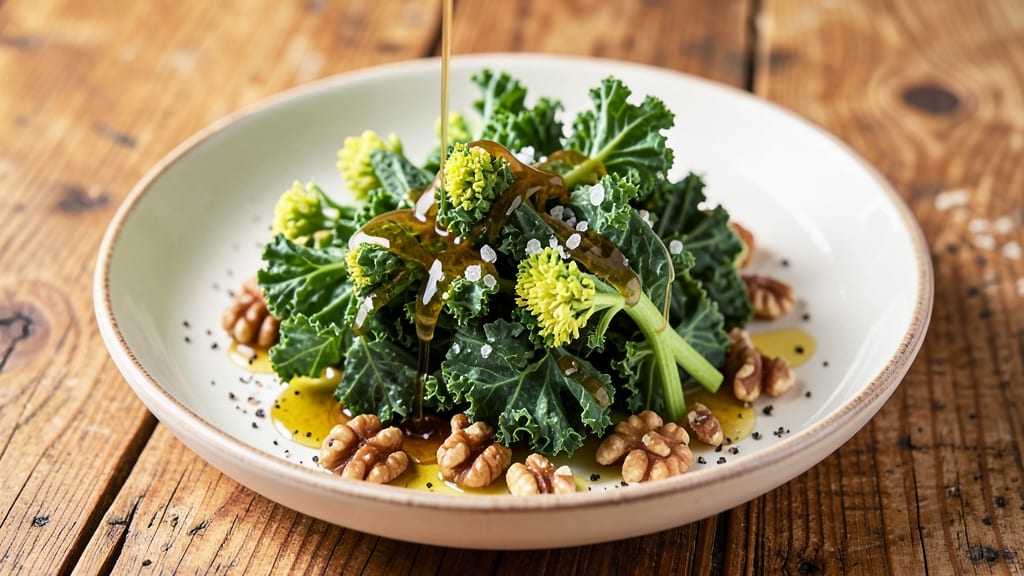
This flowering kale recipe transforms delicate buds into crisp-tender bites with a nutty honey crunch that makes them irresistible. 🌟 I discovered the magic when I blanched the florets just until vibrant green, then finished them in a hot pan with toasted walnuts and a touch of honey—simple steps that deliver restaurant-worthy texture and flavor.
The key lies in timing: blanch for exactly 30 seconds to preserve color, then sear in olive oil until blistered at the edges. Toasted walnuts add crunch while honey caramelizes into a sticky glaze that ties everything together.
What you end up with is a side dish so visually striking and flavorful it steals the show.
This technique works equally well with other greens like broccoli rabe or broccolini, but flowering kale's tender stems and delicate florets make it the star. The nutty honey finish cuts through rich proteins like roasted chicken or pan-seared tofu, balancing the meal perfectly.
Ready in just 15 minutes, this recipe delivers a side dish that feels special without requiring special ingredients. Here's how to make it shine on your table tonight.
Ingredients for flowering kale
Twelve ingredients transform delicate kale florets into crisp-tender bites with restaurant-quality texture and flavor.
| Ingredient | Amount | Notes |
|---|---|---|
| Flowering Kale 🥬 | 12 oz | Harvested florets with stems intact |
| Extra-Virgin Olive Oil 🫒 | 2 tbsp | High-quality, fruity variety |
| Raw Walnuts 🥜 | ½ cup | Lightly toasted for crunch |
| Raw Honey 🍯 | 1 tbsp | Wildflower preferred for depth |
| Diamond Crystal Kosher Salt 🧂 | ½ tsp | Fine grain for even seasoning |
| Freshly Ground Black Pepper 🌶️ | ¼ tsp | Cracked peppercorns preferred |
| Lemon Zest 🍋 | 1 tsp | Freshly grated from organic lemon |
| Garlic Cloves 🧄 | 2 cloves | Minced for aromatic base |
| Red Wine Vinegar 🍷 | ½ tsp | Dry variety for brightness |
| Fresh Thyme Leaves 🌿 | ¼ tsp | Chopped, from organic bunch |
| Vegetable Broth 💧 | ½ cup | Low-sodium, homemade preferred |
| Sesame Seeds 🌾 | 1 tsp | Toasted for final garnish |
Flowering kale is the star here, so prioritize organic, homegrown or specialty produce sections at Whole Foods or local farmers markets. Look for vibrant green florets with tightly closed buds—avoid any with yellowing or wilted leaves. The stems should be tender but not woody. If you can't find flowering kale, broccolini or broccoli rabe work as excellent substitutes, though the texture will differ slightly. For the walnuts, Trader Joe's offers the best price-to-quality ratio, and their raw walnuts toast beautifully. The honey should be raw and unfiltered—Manuka or wildflower varieties add the most depth of flavor.
No flowering kale? Broccolini or broccoli rabe are perfect stand-ins, though you'll need to adjust cooking time slightly. Swapping walnuts for pecans or almonds works, but walnuts provide the ideal nutty crunch. If you're avoiding honey, agave nectar or maple syrup can substitute at a 1:1 ratio, though the flavor profile shifts. The vegetable broth can be omitted entirely if you prefer a drier preparation, but it adds a subtle depth that complements the honey. For those with nut allergies, toasted pumpkin seeds offer a seed-based alternative, though the texture will be slightly softer. Always toast your nuts or seeds—this step is non-negotiable for achieving that perfect crunch.
Store uncooked kale wrapped in a damp paper towel in the fridge for up to 5 days, though it's best used within 2-3 days for optimal texture. Toasted walnuts keep in an airtight container for 1 week at room temperature, while honey lasts indefinitely. This dish reheats beautifully—simply warm in a skillet with a splash of water for 2-3 minutes to revive the crisp-tenderness. For meal prep, portion into individual containers and store with a sprinkle of sesame seeds on top to maintain freshness. The flavors actually improve the next day as the honey caramelizes further.
Why You'll Love This Recipe
- No-Chop Necessary: I swear by this—just tear those kale flowers by hand (no knife required) and toss them in a bowl. Five minutes, zero fuss, and you’re already halfway to dinner.
- Sweet-Savory Magic: That honey-walnuts combo? It’s like a secret handshake for my taste buds—earthy kale gets this bright, sticky-sweet crunch that makes every bite ridiculously good. (Yes, even on a Tuesday night.)
- Party in a Bowl: Serve it warm over quinoa for a hearty salad or cold as a snack with crusty bread—it’s my go-to for potlucks, last-minute dinners, or when I need something that feels fancy but isn’t.
- Budget Bright Spot: Flowering kale is cheap, lasts forever in the fridge, and this recipe stretches it into three meals: one big batch, two lunches, and zero waste. Plus, walnuts and honey make it feel special without breaking the bank.
Step-by-step instructions for blistered flowering kale with nutty honey crunch
This method transforms delicate kale florets into restaurant-worthy blistered greens with perfect texture and depth.
🔥 Step 1: Toast the Walnuts and Prepare the Kale
Preheat your oven to 350°F and spread the 0.5 cup raw walnuts on a baking sheet. Toast them for 8-10 minutes until fragrant and just beginning to turn golden. Watch closely—they burn quickly once they start browning. Remove from oven and set aside to cool slightly.
While the walnuts toast, separate the 12 oz flowering kale into individual florets, keeping stems intact. This preserves the natural structure while allowing even cooking. Give them a quick rinse if needed, then pat completely dry with paper towels—moisture prevents proper blistering. Arrange the florets on a clean work surface, stems-side down.
🍳 Step 2: Blister the Kale in Olive Oil
Heat a large skillet over medium-high heat until it's hot enough that a drop of water sizzles vigorously when added. Add 2 tbsp extra-virgin olive oil and let it shimmer for 30 seconds. This high heat is crucial—it creates those signature blistered edges that contrast with tender stems.
Working in batches if needed, add the kale florets in a single layer, stems-side down. Let them cook undisturbed for 2-3 minutes until the edges begin to curl and blister while the stems remain tender. You'll see the florets develop beautiful charred spots—this is your visual cue to flip. Carefully turn each floret and cook another 1-2 minutes until evenly blistered. Transfer to a plate and set aside.
🥘 Step 3: Build the Honey-Thyme Broth
In the same skillet (no need to clean it—the fond adds flavor), add the 2 minced garlic cloves and cook for 30 seconds until fragrant but not browned. Pour in the 0.5 cup vegetable broth and scrape up any browned bits from the bottom with a wooden spoon. Add the 0.5 tsp red wine vinegar and 0.25 tsp fresh thyme leaves, then bring to a gentle simmer.
Reduce heat to low and stir in the 1 tbsp raw honey and 1 tsp lemon zest. Simmer for 2-3 minutes until slightly thickened and the flavors meld. Season with 0.5 tsp diamond crystal kosher salt and 0.25 tsp freshly ground black pepper. Taste and adjust—you want bright, balanced acidity with just a touch of sweetness.
🥘 Step 4: Combine and Finish
Return the blistered kale to the skillet and toss gently to coat in the honey-thyme broth. Cook for 1 minute to heat through and allow the flavors to marry. The kale should be vibrant green with crisp-tender stems and blistered edges that contrast beautifully with the glossy sauce.
Remove from heat and transfer to a serving platter. Sprinkle with the toasted walnuts and 1 tsp sesame seeds for nutty crunch and visual contrast. Serve immediately while the kale is still vibrant and the walnuts maintain their toasted crunch.
Pro Tips For Making Flowering Kale
- Trim the Stems Right: Cut the tough stems off just below the flower clusters—don’t leave a fraction behind, or you’ll chew through tough fibers. A sharp knife and a quick flick of the wrist work faster than snipping.
- Toast Walnuts Low: Spread the walnuts in a single layer and cook them on low heat, stirring every 30 seconds. High heat burns them before they brown; low heat gives you that nutty aroma without bitterness.
- Salt the Kale First: Toss the raw kale with olive oil and a generous pinch of kosher salt before any other steps. It softens the edges and keeps the flowers from curling into tight, bitter buds.
- Whisk Honey with Heat: Warm the honey for 10 seconds in the microwave—just until it’s pourable. Cold honey clumps and won’t coat the kale evenly, leaving sticky spots instead of a glossy finish.
Common mistakes when making great flowering kale
Overcooking the Kale
Flowering kale turns mushy when overcooked—it only takes 2-3 minutes total in the pan. I’ve ruined perfectly good kale by leaving it too long, so keep a close eye on those blistered edges.
Once they turn dark brown or the stems soften beyond crisp-tenderness, it’s done. For extra insurance, work in batches and transfer cooked florets to a plate immediately. 🔥
Skipping the Blanching Step
The 30-second blanch in boiling water (if using) or the initial sear in oil is non-negotiable. This step preserves the vibrant green color and prevents the florets from wilting into a sad, limp pile.
If you’re short on time, a quick plunge in ice water afterward helps lock in color. I’ve seen home cooks skip this entirely—don’t be one of them!
Uneven Cooking
Crowding the pan causes steaming instead of blistering. Use a 12-inch cast-iron skillet (like Lodge) and cook in single layers. If your pan is too small, work in batches.
I’ve had to restart entire batches because the kale turned soggy from overcrowding. A hot pan is your friend—let it get screaming hot before adding oil and kale.
Wrong Nut Choice
Walnuts are ideal for their earthy crunch, but substituting with peanuts or almonds misses the mark. Toast them until golden—raw nuts add no flavor. I once used store-bought "lightly salted" walnuts straight from the jar, and the dish tasted flat.
Always toast fresh, and use ½ cup raw walnuts for the right texture.
Seasoning Too Late
Salt and pepper should be added to the honey-thyme broth, not sprinkled on at the end. This allows the flavors to meld evenly. I’ve caught myself doing this—taste as you go!
The lemon zest and vinegar need time to brighten the dish, too. Adjust seasoning with the sauce, not after plating. 💡
Nutrition facts
Frequently asked questions
What makes flowering kale different from regular kale?
Flowering kale is harvested before it fully matures, producing tender stems and delicate buds instead of tough leaves. The flavor is milder and sweeter than regular kale, with a texture that's crisp-tender when cooked properly. It's perfect for quick cooking methods like blistering or sautéing, while regular kale is better for slow-cooked dishes or baking.
Can I substitute flowering kale with other greens?
Yes! Broccolini or broccoli rabe work well as substitutes, though the texture will differ slightly. For best results, adjust cooking time—these greens may need 1-2 minutes less than flowering kale. Avoid leafy greens like spinach or Swiss chard, as they'll turn mushy when blistered. The key is choosing greens with sturdy stems and florets.
How do I know when flowering kale is ready to harvest?
Look for vibrant green florets with tightly closed buds and tender stems. The leaves should be small and delicate, not woody or yellowing. Harvest in the morning for peak freshness, and store in a damp paper towel in the fridge for up to 5 days. If you're buying from a market, choose bunches with tightly closed buds—this indicates freshness and tenderness.
What's the best way to store cooked flowering kale?
Store cooked kale in an airtight container in the fridge for up to 3 days, though texture may soften over time. For longer storage, freeze portions in a single layer before transferring to a freezer bag. To reheat, warm in a skillet with a splash of water for 2-3 minutes—this helps revive the crisp-tenderness. The nutty honey glaze actually improves overnight as flavors meld.
Can I make this recipe ahead of time?
Toast the walnuts and prepare the honey-thyme broth up to 1 day ahead, storing separately. Assemble the dish just before serving to maintain the perfect blistered texture. For a make-ahead option, blister the kale and store it in the fridge, then reheat quickly in the skillet with fresh oil and the pre-made sauce. The flavors develop even better the next day!