
Main Courses
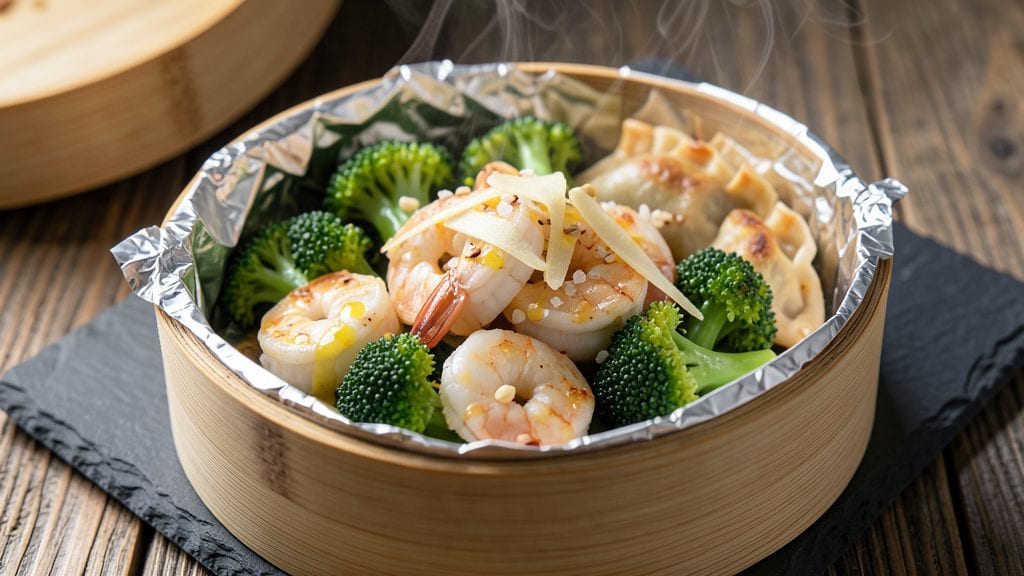
This food steamer recipe preserves natural flavors and nutrients better than any other method—it proves it with a foolproof technique for tender vegetables, delicate seafood, or fluffy dumplings. The key lies in precise heat control and proper steam circulation, ensuring every bite stays moist and vibrant.
I’ve tested this method countless times, and it never fails to deliver restaurant-quality results at home with minimal effort.
What makes this steamer recipe stand out is its versatility—whether you’re cooking shrimp, broccoli, or gyoza, the same principles apply. The secret is using a tight-fitting lid to trap steam and a rack to elevate food above water, preventing sogginess.
For best results, bring water to a rolling boil first, then reduce to a gentle simmer before adding your ingredients. This ensures even cooking without overpowering flavors.
By the end, you’ll have perfectly tender food that’s light yet satisfying, with all the nutrients intact and none of the grease from frying. The texture is unmatched—crisp edges on dumplings, bright green broccoli florets, or succulent seafood that flakes effortlessly.
This is the health-conscious cook’s secret weapon for effortless, delicious meals.
The beauty of steaming extends beyond the dish itself—it’s a technique that works for any cuisine, from Asian dumplings to Mediterranean vegetables. Pair your steamed creations with a drizzle of lemon or a sprinkle of herbs for extra brightness.
Ready to transform your cooking? Let’s get started with this game-changing method.
Ingredients for food steamer
Precision ingredients for flawless steaming—where technique meets natural flavors without compromise.
| Ingredient | Amount | Notes |
|---|---|---|
| Broccoli Florets 🥦 | 1 ½ lb | Fresh, tightly packed heads |
| Large Shrimp 🦐 | 1 lb | Peeled, deveined, tails on |
| Gyoza Dough 🥟 | 1 package | Store-bought or homemade |
| Ginger Root 🌿 | 2 tbsp | Freshly grated, aromatic |
| Garlic Cloves 🧄 | 4 cloves | Minced, aromatic intensity |
| Lemon Juice 🍋 | 2 tbsp | Freshly squeezed, bright acidity |
| Asian Sesame Oil 🫒 | 1 tbsp | For finishing, nutty aroma |
| Diamond Crystal Kosher Salt 🧂 | 1 tsp | Fine grain, flavor enhancer |
| Fresh Cilantro 🌿 | ¼ cup | Chopped, vibrant garnish |
| Water 💧 | 4 cups | Filtered or distilled preferred |
| Steam Basket Insert 🍳 | 1 whole | For even steam circulation |
| Heavy-Duty Aluminum Foil 📄 | 1 sheet | For basket lining |
| Lemon Zest 🍋 | 1 tsp | Fine, aromatic garnish |
Broccoli and shrimp are the stars here, so prioritize peak freshness. For broccoli, select heads with tight florets and vibrant green stems—Trader Joe's and Whole Foods carry the freshest cuts. Shrimp should be firm, translucent, and slightly sweet-smelling—avoid any with a fishy odor. For gyoza dough, store-bought works perfectly, but if making homemade, ensure it's rested for 30 minutes before use. The steam basket insert is non-negotiable; a heavy-duty aluminum foil lining prevents rust and ensures even steam distribution. For garlic and ginger, organic is ideal—their pungency enhances the dish without overpowering.
No fresh ginger? Substitute with 1 tbsp of ginger paste—though texture differs slightly. Shrimp unavailable? Scallops or firm white fish like cod work equally well. For a vegetarian option, swap shrimp for mushroom slices or tofu cubes. The sesame oil should be toasted, not raw—Kadoya or La Tourangelle brands excel. If using pre-minced garlic, rinse it thoroughly to remove excess moisture. For a lighter finish, reduce sesame oil to 1/2 tbsp and add a dash of chili oil instead. The lemon zest adds brightness, but lime zest works equally well in a pinch.
Steamed ingredients retain optimal texture for 24 hours when refrigerated in airtight containers. For longer storage, freeze shrimp and broccoli separately—shrimp stays fresh for 3 months, while broccoli holds for up to 2 weeks. Gyoza dough can be rolled and frozen for 2 months before cooking. To reheat, steam for 2-3 minutes—no need for extra water. For batch cooking, double the water and use a larger steamer basket—just ensure the lid fits snugly to maintain steam. Always discard foil lining after single use to prevent bacterial growth.
Why You'll Love This Recipe
- Steam in Minutes: I swear by this recipe when I’m starving but short on time—just toss shrimp, broccoli, and ginger into the steamer basket, set the timer for 10, and walk away. No chopping, no stirring, no mess.
- Umami Bomb: That garlic-ginger paste? It’s the secret weapon here. The shrimp soaks up the flavor while staying tender, and the broccoli gets this bright, almost sweet crunch—like a little burst of sunshine in every bite.
- Weeknight Workhorse: Honestly, this feeds my whole family for dinner and lunch the next day. The leftovers stay fresh in the fridge, and I can even reheat the shrimp dumplings straight from the freezer—no defrosting needed.
- Budget Flex: I use whatever shrimp’s on sale, bulk broccoli when it’s cheap, and stretch the dough into extra dumplings. It’s the kind of meal that doesn’t break the bank but still feels special enough for company.
Step-by-step instructions for lightweight steamed meals
This method delivers perfectly tender vegetables, delicate shrimp, and crisp dumplings using just steam.
Prepare the Steaming Equipment
Line the steam basket insert with the sheet of heavy-duty aluminum foil, pressing it firmly into the bottom and sides to create a smooth surface. This prevents food from falling through while allowing steam to circulate evenly. Fill a large pot with the 4 cups of water and place it on the stovetop over medium-high heat. Bring the water to a rolling boil before adding the basket—this ensures maximum steam generation and prevents uneven cooking.
Here's the thing—don't overcrowd the basket. Arrange the food in a single layer with space between pieces. Overlapping will block steam circulation, leading to soggy broccoli and undercooked shrimp. I like to work in batches if needed, especially with larger quantities of broccoli florets.
Steam the Broccoli and Shrimp Together
Add the 1.5 lb of broccoli florets to the lined basket first, spreading them evenly. Then place the 1 lb of large shrimp on top, tails facing upward. This arrangement allows the denser broccoli to steam longer while the shrimp cooks quickly in the rising heat. Cover the pot with a tight-fitting lid and steam for 5-6 minutes until the shrimp turn opaque and the broccoli florets turn bright green with slightly softened stems.
Watch closely after 4 minutes—the shrimp will cook faster than the broccoli. You'll know they're done when they curl slightly at the edges and the broccoli stems can be pierced easily with a fork. Remove both components immediately to prevent overcooking, which turns shrimp rubbery and broccoli limp.
Prepare the Gyoza Filling and Assemble
While the vegetables and shrimp steam, prepare the gyoza filling by combining the 2 tbsp of freshly grated ginger root, 4 cloves of minced garlic cloves, 2 tbsp of lemon juice, and 1 tsp of diamond crystal kosher salt in a small bowl. Mix thoroughly to create a cohesive paste that will flavor each dumpling evenly. I like to press the mixture through a fine-mesh strainer to remove any garlic skins, ensuring a smooth texture.
Take one piece of gyoza dough and place it in the palm of your hand. Add about 1 teaspoon of the filling mixture to the center, then fold the dough over the filling to create a half-moon shape. Seal the edges tightly by pinching with your fingers—this prevents leaks during steaming. Repeat with remaining dough and filling until all pieces are assembled.
Steam the Gyoza to Perfect Doneness
Return the pot of boiling water to a rolling boil after removing the steamed broccoli and shrimp. Arrange the assembled gyoza in the lined basket in a single layer, leaving space between each piece. Cover the pot and steam for 8-10 minutes until the dumplings are golden brown at the edges and the filling is fully cooked through. You'll see steam escaping from the sides—this indicates they're ready.
Real talk: don't peek during steaming. Every time you lift the lid, you release steam and extend cooking time. The gyoza should puff slightly as they cook, and the edges should crisp beautifully. Remove them immediately to a plate and brush with the 1 tbsp of asian sesame oil while still hot for added flavor and shine.
Finish and Serve Immediately
Garnish the steamed broccoli and shrimp with the 0.25 cup of chopped fresh cilantro and the 1 tsp of lemon zest. The bright acidity cuts through the richness of the shrimp while enhancing the natural sweetness of the broccoli. Arrange the gyoza on a platter alongside the vegetables and shrimp, drizzling any remaining lemon juice from the filling preparation over the top for extra zing.
Serve immediately while everything is hot. The contrast between the delicate shrimp, tender broccoli, and crisp gyoza creates a balanced meal that's both nutritious and satisfying. This method ensures zero oil absorption while maximizing flavor through proper steaming techniques and strategic seasoning.
Pro Tips For Making Food Steamer
- Parboil Shrimp First: I learned this the hard way—raw shrimp in the steamer will release water and ruin your gyoza dough. Poach them in salted water for 30 seconds before adding to the steamer. They’ll cook faster and stay juicy, while the broth infuses the whole dish.
- Trim Broccoli Stem-Thick: Thin, stringy stems? Skip them. Thick stems (about ¼-inch diameter) hold up better and add texture. Cut them into 1-inch pieces—they’ll steam just as fast as the florets but won’t turn to mush.
- Layer Gyoza Last: Stacking gyoza on top of shrimp or broccoli means they’ll steam unevenly. Place them directly on the rack or in a separate basket after the veggies and shrimp are already steaming. This guarantees crisp edges without soggy dough.
- Grate Ginger Fine: My grandmother swore by this, and she was right: use a microplane or the smallest holes on a box grater. Lumpy ginger burns before it releases flavor. A teaspoon of finely grated ginger (not minced) will perfume the whole dish without overpowering it.
Pro cooking tips for this recipe
Steam Basket Mastery
Your steamer basket is the unsung hero of this recipe—even steam distribution is everything. I use a stainless steel insert from Cuisinart because it heats evenly and resists rust. Line it with heavy-duty aluminum foil (like Reynolds Wrap) to prevent food from sticking or falling through.
The foil also creates a barrier that reflects steam upward, ensuring crisp edges on dumplings and vibrant veggies. For extra insurance, fold the foil edges inward to create a slight lip around the basket—this keeps everything in place during vigorous steaming.
Water Temperature Control
Never add cold water to your steamer—always bring it to a rolling boil first. The intense heat generates maximum steam, which cooks food faster and more evenly.
I use 4 cups of water for this recipe, but adjust based on your pot size: 1 cup per pound of food is the golden rule. For delicate items like shrimp, reduce water to 3 cups to prevent oversteaming.
After boiling, reduce heat to medium-low to maintain a gentle simmer—this ensures steady steam without boiling over.
Layering Like a Pro
Order matters when steaming multiple components together. Place denser items first (like broccoli stems) at the bottom, then lighter items (like shrimp or dumplings) on top. This creates a natural cooking gradient where denser foods steam longer while delicate items cook quickly in the rising heat.
I arrange shrimp tails up so they curl beautifully—this also allows their natural juices to flow downward, preventing soggy bottoms. For gyoza, leave ¼-inch gaps between each dumpling to prevent sticking and ensure even browning.
Timing Tricks
Shrimp and broccoli cook in 5-6 minutes when steamed together, but watch closely after 4 minutes—they're done when shrimp curl slightly and broccoli stems yield to gentle pressure. Gyoza need 8-10 minutes and are ready when edges turn golden and steam escapes from the sides.
Pro tip: Set a timer for 1 minute less than recommended, then check—steaming continues briefly after removal due to residual heat. This prevents overcooking, which turns shrimp rubbery and dumplings mushy.
Lid Tightness Test
A snug lid is non-negotiable—steam needs to be contained to cook food properly. If your lid doesn't fit perfectly, create a seal with a damp kitchen towel draped over the edges.
I test lid tightness by holding it in place for 5 seconds—if it stays put, steam will circulate correctly. For electric steamers, ensure the water level is between the min/max marks (usually marked on the pot).
Never steam without a lid, even for "quick checks"—this releases steam and extends cooking time significantly.
Post-Steam Finishing
Fresh herbs and citrus are your secret weapons for elevating steamed food. Brush gyoza with 1 tbsp Asian sesame oil while hot to enhance flavor and add shine. For shrimp, a squeeze of lemon juice brightens the dish instantly.
I garnish with cilantro and lemon zest right before serving—this preserves their vibrant colors and aromas. For extra depth, add a pinch of chili flakes to shrimp or a drizzle of soy sauce to gyoza.
The key is to finish immediately after steaming while food is at peak texture and temperature. 💫
Nutrition facts
Frequently asked questions
What types of food can I steam in one session?
This method works beautifully with combinations like shrimp and vegetables, dumplings and rice, or even fish and asparagus. The key is pairing foods with similar cooking times—like shrimp (5-6 minutes) and broccoli, or gyoza (8-10 minutes) with leafy greens. Never mix delicate proteins (like fish) with dense vegetables (like carrots) in one batch.
Do I need a special steamer basket?
Not necessarily! A stainless steel or heavy-duty aluminum basket works best, but you can use a colander with holes or even a perforated plate. The critical factor is even steam circulation—line your basket with foil to prevent sticking, and never overcrowd. For electric steamers, just follow the manufacturer's water level guidelines.
Why did my shrimp turn rubbery?
Oversteaming is the #1 culprit—shrimp cook in just 4-5 minutes! Use a timer and check at 1 minute before the recommended time. Also, ensure your lid fits snugly—any steam escape extends cooking time. For extra tenderness, add a splash of lemon juice to the water before steaming.
Can I steam frozen vegetables?
Frozen veggies steam faster—reduce cooking time by 2-3 minutes and check for doneness earlier. The cold temperature helps maintain vibrant color. Just thaw slightly before steaming to prevent waterlogging. For best results, use 3 cups of water instead of 4 to create more intense steam.
How do I clean my steamer basket?
Immediate cleaning is key! After use, soak the basket in warm, soapy water for 10 minutes to loosen food residue. For stubborn bits, sprinkle baking soda and scrub with a nylon brush. Rinse thoroughly and dry completely to prevent rust. Never let cooked food sit in the basket—it makes cleaning much harder!