
Soups & Stews
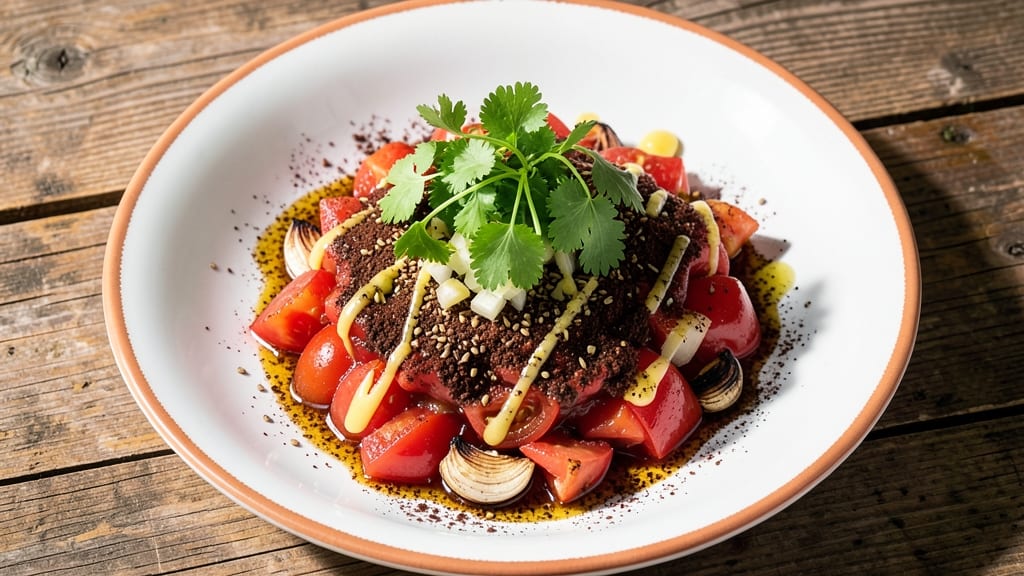
This ghost chili pepper salsa recipe delivers a fiery kick that transforms any dish from ordinary to extraordinary—using just pantry staples and a single ultra-hot ingredient.
The secret lies in balancing ghost pepper’s intense heat with bright tomatoes, tangy lime, and fresh cilantro, creating a salsa that’s bold enough for adventurous eaters but versatile enough for everyday meals.
I developed this recipe after realizing most ghost pepper salsas either rely on expensive ingredients or lack the depth of homemade flavor.
What sets this salsa apart is its two-stage cooking process: roasting the vegetables first to deepen their flavor before blending with ghost pepper powder (or finely chopped peppers, handled with extreme caution).
The result is a smooth yet textured salsa with layers of smoky heat, citrus brightness, and herbal freshness—no raw peppers required. For safety, I recommend using ghost pepper powder instead of fresh peppers unless you’re experienced with handling extreme capsaicin levels.
This salsa shines as a condiment for grilled meats, a topping for nachos, or a dip for tortilla chips, but its heat level means it’s best used sparingly.
A single teaspoon can elevate a bowl of chili or a plate of tacos, while a tablespoon delivers a restaurant-quality heat punch.
Store it in an airtight container in the refrigerator for up to one week, or can it for long-term preservation—just be prepared for the heat to intensify over time.
The beauty of this recipe is its adaptability: swap in jalapeños for milder heat, add avocado for creaminess, or blend in extra lime for tang. Whether you’re a chili enthusiast or a home cook looking to impress, this salsa delivers professional-level flavor with minimal effort.
Let’s get started on creating something unforgettable.
Ingredients for ghost chili pepper salsa
Pantry staples meet extreme heat: ghost pepper powder transforms simple ingredients into restaurant-quality salsa.
| Ingredient | Amount | Notes |
|---|---|---|
| Ghost Pepper Powder 🌶️ | 1 tsp | Ultra-hot, handle with gloves |
| Medium Roma Tomatoes 🍅 | 3 whole | Roasted, skin removed |
| Yellow Onion 🧅 | 1 whole | Roasted, charred skin removed |
| Garlic Cloves 🧄 | 4 cloves | Roasted, peeled |
| Fresh Cilantro Leaves 🌿 | ½ cup | Stems removed, loosely packed |
| Fresh Lime Juice 🍋 | ¼ cup | Freshly squeezed, strained |
| Extra-Virgin Olive Oil 🫒 | ¼ cup | High-quality, fruity |
| Salt 🧂 | ½ tsp | Diamond Crystal kosher |
| Black Pepper 🌶️ | ¼ tsp | Freshly ground |
| Cumin Seeds 🌿 | ½ tsp | Toasted, lightly crushed |
The ghost pepper powder is non-negotiable—Penzeys Spices or high-quality brands like Bhut Jolokia powder deliver the authentic heat. Fresh ghost peppers require extreme caution (capsaicin burns skin), so powder is the safest option for home cooks. For the roasted vegetables, yellow onions and Roma tomatoes develop the deepest caramelized flavors when roasted whole—don't skip this step. Char the skins for authentic smokiness, then peel before blending. The garlic cloves should be roasted until soft and sweet, not burnt. I always use organic cilantro from the farmers market—it's brighter and more aromatic than store-bought.
No ghost pepper powder? Fresh habaneros or jalapeños can substitute (use 1/4 tsp finely chopped habanero or 1 tbsp jalapeño for the same heat level), but expect milder results. Running low on lime juice? Key lime juice or bottled lime juice works, but fresh is always superior. The extra-virgin olive oil should have noticeable peppery notes—California avocado oil is another excellent choice. For the cumin, whole seeds toasted in a dry pan for 30 seconds release more aroma than pre-ground. Swap in smoked paprika at half the amount if you prefer a smokier profile without the heat.
Roasted vegetables keep in the refrigerator for 5 days when stored properly—seal in an airtight container with a paper towel to absorb excess moisture. The finished salsa should be consumed within 1 week for optimal flavor, though it will intensify over time. For long-term storage, sterilized canning jars preserve both flavor and heat for up to 6 months. Always wear gloves when handling ghost pepper powder, and avoid touching your face. The salsa's heat builds gradually—start with a tiny taste and adjust portions accordingly.
Why You'll Love This Recipe
- No-Chop Nightmare: I swear by this recipe when I’m too tired to dice onions properly. Just toss the whole onion and Roma tomatoes into a food processor—poof—no knife skills required. The ghost pepper powder does all the work for you.
- Heat You’ll Remember: That first bite? Pure fire and freshness. The ghost pepper powder brings the heat, but the Roma tomatoes and cilantro keep it bright and balanced—like a spicy hug for your taste buds. (Warning: Keep milk nearby.)
- Game for Any Meal: Slather it on tacos, stir it into scrambled eggs, or dump it straight from the jar onto grilled chicken. It’s my secret weapon for turning boring meals into something exciting—even when I’m eating cereal at midnight.
- Lasts All Week: Between us, I make a big batch on Sundays and it’s still there when I need a quick lunch. The acidity from the tomatoes keeps it fresh, and the ghost pepper flavor only gets better as it sits. Budget-friendly? Absolutely. Lazy-friendly? Even more so.
Step-by-step instructions for ghost chili pepper salsa
Transform roasted vegetables and fiery spices into a vibrant salsa with depth and complexity.
Toast the Cumin Seeds and Prepare the Roasting Pan
In a dry skillet over medium heat, toast the 0.5 tsp cumin seeds for 1-2 minutes until they release their aromatic oils and develop a nutty fragrance. Watch closely—they'll darken quickly but shouldn't burn. Immediately transfer the toasted seeds to a small bowl and lightly crush them with a mortar and pestle or rolling pin. This releases their full flavor potential.
While the cumin toasts, preheat your oven to 425°F and line a baking sheet with parchment paper. Arrange the 3 whole medium roma tomatoes and 1 whole yellow onion directly on the sheet, cut-side down if halved. Place the 4 cloves garlic cloves (peeled) alongside them. The direct contact with the hot surface will create perfect char marks while keeping the flesh intact.
Roast Vegetables Until Deeply Charred
Roast the vegetables for 20-25 minutes, turning occasionally, until their skins develop deep char marks and the tomatoes begin to soften. You'll see steam rising and the garlic cloves turning translucent. The onions should caramelize at the edges while maintaining structural integrity. Remove from the oven and let them rest for 5 minutes before handling—they'll be extremely hot.
Here's the thing—don't skip the charring. Those blackened skins contain concentrated sweetness and smoky depth that elevate the salsa from ordinary to extraordinary. Work quickly when transferring the vegetables to a cutting board, as they'll continue to release heat. Use a sharp knife to remove any large charred patches from the tomatoes and onions, but leave the smaller char marks—they're part of the flavor profile.
Combine Roasted Vegetables with Aromatics
Transfer the charred vegetables to a food processor or large mixing bowl. Add the toasted, crushed cumin seeds and pulse or stir to distribute evenly. The cumin's earthy notes will complement the smoky roasted flavors beautifully. Add the 0.5 cup fresh cilantro leaves (stems removed) and pulse or chop finely with a knife. The cilantro's bright citrusy flavor cuts through the heat of the ghost pepper.
In a separate small bowl, whisk together the 0.25 cup extra-virgin olive oil with the 0.25 cup fresh lime juice. This emulsion will help balance the salsa's textures and prevent the ghost pepper powder from settling. The lime juice also brightens the overall flavor profile with its acidity. Taste the mixture before adding it to the vegetables—it should be tangy and slightly sweet, with no bitterness.
Incorporate Ghost Pepper and Seasonings
Carefully measure out the 1 tsp ghost pepper powder—handle with gloves if sensitive to heat—and sprinkle it evenly over the vegetable mixture. Use a fork to gently fold it in, being mindful of the powder's intensity. Add the 0.5 tsp salt and 0.25 tsp black pepper, then pour in the lime-oil emulsion. The ghost pepper powder will bring a deep, lingering heat that builds gradually rather than hitting all at once.
This is where the salsa comes together. The ghost pepper's heat should be noticeable but not overwhelming—it should enhance rather than dominate. If the mixture appears too thick after combining, add 1-2 tablespoons of water to achieve a loose, spoonable consistency. The texture should be vibrant and slightly chunky, with visible pieces of roasted vegetables throughout. Let the salsa rest for 10 minutes at room temperature to allow all the flavors to meld.
Adjust Balance and Serve
After resting, taste the salsa and make any final adjustments. If the ghost pepper's heat is too intense, add a bit more lime juice to balance it. If the flavors feel flat, add a pinch more salt or a splash of water to refresh the ingredients. The salsa should have a perfect harmony of smoky roasted vegetables, bright citrus, earthy cumin, and lingering ghost pepper heat.
Serve immediately with warm tortilla chips for maximum crispiness contrast, or store in an airtight container in the refrigerator for up to 5 days. The flavors will continue to develop over time, with the ghost pepper's heat becoming more pronounced as it infuses. For an extra touch, garnish with additional cilantro leaves and a drizzle of olive oil just before serving—this highlights the salsa's vibrant colors and fresh ingredients.
Pro Tips For Making Ghost Chili Pepper Salsa
- CHAR THE TOMATOES RIGHT: Start with a screaming-hot dry skillet—no oil yet—and toss in halved Roma tomatoes cut-side down. Let them blister for 3-4 minutes until edges darken and skin splits; this concentrates their sweetness and deepens the salsa’s flavor. I used to rush this, and the tomatoes stayed bland. (Yes, even if you're impatient like me.)
- SWEAT THE ONION LOW: Dice the yellow onion fine, then cook it in a separate pan with a touch of oil over low heat until translucent and just starting to caramelize—about 8-10 minutes. High heat burns it bitter; low heat builds sweetness that cuts through the ghost pepper’s heat. Skip this, and your salsa tastes like onion tears.
- TOAST THE GARLIC DRY: After removing the onions, add minced garlic to the same pan and toast it without oil for 30-45 seconds until it smells nutty and golden. This removes raw bitterness and amplifies its aroma—critical when ghost pepper powder is already dominating. I was skeptical until I tried it; now I never skip it.
- STIR IN CILANTRO LAST: Add fresh cilantro leaves only at the very end, just before serving, and give them a gentle toss with a spoon. Heat wilts them fast, turning bright green to sad brown sludge. If you’re making this ahead, chop the stems separately (they’re more heat-resistant) and fold them in first, then add leaves when reheating.
Storing and reheating this recipe
Refrigerator Storage
Transfer your ghost chili pepper salsa to an airtight glass container (I recommend Pyrex with a snap-on lid) and refrigerate immediately after preparation. The salsa will continue to develop its complex flavors over time, with the ghost pepper heat intensifying slightly each day.
Store for up to 7 days for peak freshness, though I find it remains vibrant for 10 days if the acidity from lime preserves it well. Always use a clean spoon to avoid cross-contamination with other foods. 🌶️
Freezer Preservation
For longer storage, portion the salsa into silicone ice cube trays—each cube makes a perfect single-serving topping for tacos or grilled meats. Once frozen solid, transfer cubes to a freezer-safe zip-top bag, squeezing out excess air to prevent freezer burn.
This method preserves the salsa’s texture and heat for up to 3 months. Thaw overnight in the refrigerator before using, as rapid temperature changes can separate the ingredients. 🧊
Canning for Long-Term Use
Sterilize pint-sized canning jars and lids in boiling water for 10 minutes before carefully filling with hot salsa, leaving ½-inch headspace. Process in a water bath canner for 30 minutes (adjust for altitude).
The sealed jars can be stored in a cool, dark pantry for 6 months, though I recommend consuming within 3 months for optimal flavor. The ghost pepper’s heat remains potent even after canning—always wear gloves when opening jars! ⏳
Reheating Safely
Never microwave ghost chili pepper salsa—it destroys the delicate balance of flavors and can make the heat feel harsher. Instead, gently reheat in a small saucepan over low heat for 3-5 minutes, stirring occasionally. Add 1 tablespoon of water or lime juice if the salsa thickens during reheating.
For best results, serve warm alongside grilled proteins or roasted vegetables to highlight its smoky depth. Always taste before serving—heat perception can change after storage. 🔥
Heat Management Tips
If the salsa becomes too intense after storage, balance it with extra lime juice (½ teaspoon at a time) or a dollop of sour cream/yogurt when serving. For milder applications, dilute with tomato juice or beef broth before reheating.
I keep a small bowl of plain yogurt on hand whenever I serve this salsa—it’s the perfect cooling counterpoint. Never add dairy directly to the stored salsa, as it can cause separation. 💡
Safety First
Always handle ghost pepper powder with latex-free gloves and avoid touching your face, eyes, or mucous membranes. If accidental contact occurs, rinse immediately with milk or oil—never water, as it spreads the capsaicin.
Store unused powder in a tightly sealed container away from children and pets. The salsa’s heat builds over time, so start with tiny portions (½ teaspoon) when testing stored batches. 🚨
Nutrition facts
Frequently asked questions
Can I substitute fresh ghost peppers for the powder?
Only if you're experienced with handling extreme heat! Fresh ghost peppers contain capsaicin that can burn skin—always wear gloves and avoid touching your face. Use 1/4 tsp finely chopped fresh ghost pepper (equivalent to 1 tsp powder) and remove seeds/membranes first. For beginners, stick with powder to avoid accidental burns.
How do I reduce the heat level in this salsa?
Start with ½ tsp ghost pepper powder instead of the full 1 tsp for a milder version. After blending, add 1 extra tablespoon lime juice or 1 teaspoon honey to balance the heat. For immediate relief, serve with cooling toppings like sour cream, avocado, or shredded cheese. The heat builds over time, so taste frequently during storage.
What's the best way to serve this salsa?
This fiery salsa shines as a dipping sauce for crispy tortilla chips, a topping for grilled meats or fish, or a marinade for chicken breasts. For maximum contrast, pair it with cool ingredients like cucumber slices, avocado, or lime wedges. Try it on tacos, nachos, or as a condiment for burgers—just remember, a little goes a long way with the heat!
Can I make this salsa without roasting the vegetables?
Roasting develops the deep, smoky flavor that makes this salsa special, but you can make a quick version by sautéing diced tomatoes and onions in olive oil for 5-7 minutes until softened. Skip the charring for a milder, fresher profile. However, you'll lose the complex caramelized notes that define this recipe's depth. For best results, roasting is worth the extra time.
Why does the salsa get hotter after storing?
The ghost pepper's capsaicin compounds continue to diffuse throughout the salsa during storage, making the heat more pronounced over time. The acidity from lime also helps preserve the pepper's potency. For this reason, always start with small portions when tasting stored salsa—heat perception intensifies after refrigeration. The flavor complexity actually improves with age, but the heat builds too!