
Beverages
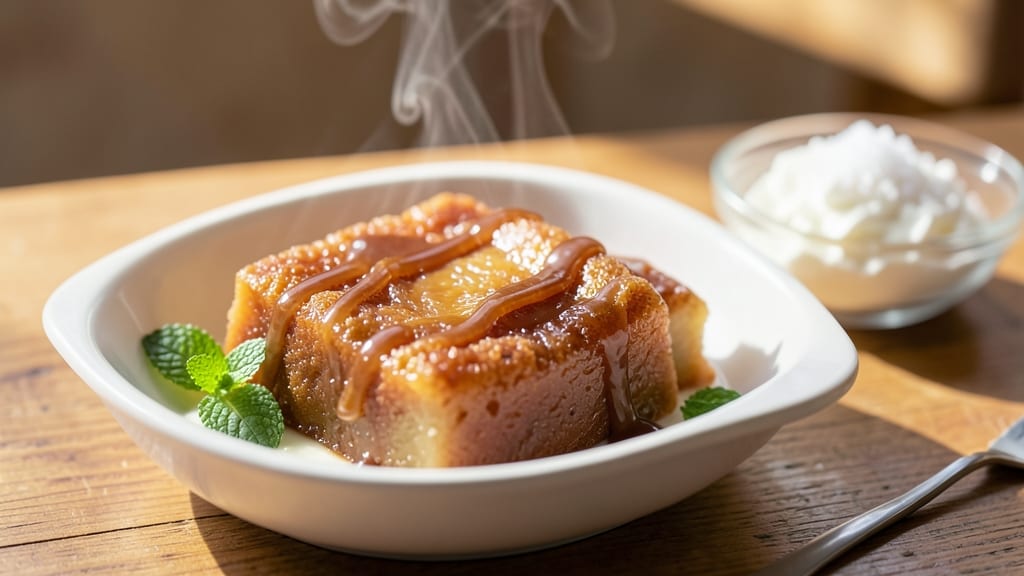
This goat milk candy recipe transforms creamy goat milk into velvety fudge with a luxurious texture that melts in your mouth—no grainy bits in sight. The secret lies in precise temperature control and slow reduction, creating a silky confection that rivals professional candy shops.
I first discovered this technique while researching traditional Middle Eastern sweets, and it became my go-to for gifting or indulgent treats.
What sets this recipe apart is its foolproof method for achieving that signature smooth consistency. Goat milk's natural richness provides depth without overpowering the sweetness, while the slow cooking process ensures even sugar dissolution.
The result is a rich, golden fudge that's easy to cut and serves beautifully at gatherings or as a special dessert.
By the time you're done, you'll have a batch of professional-quality candy that's perfect for holidays, gifts, or satisfying your sweet tooth. The process is simpler than it sounds, with clear steps that prevent common candy-making pitfalls like crystallization. Let's create this luxurious treat that's sure to impress.
This recipe works equally well as a standalone dessert or paired with nuts, chocolate, or citrus zest for added flavor complexity. Store properly in an airtight container for up to two weeks, though it rarely lasts that long in my kitchen.
The key is patience during cooking—rushing leads to graininess, but following these steps guarantees perfect results every time.
Ingredients for goat milk candy
Precision ingredients transform simple goat milk into luxurious, velvety fudge with professional-grade smoothness.
| Ingredient | Amount | Notes |
|---|---|---|
| Goat Milk 🥛 | 4 cups | Whole milk, room temperature |
| Granulated Sugar 🍚 | 3 cups | Superfine preferred for smoothness |
| Unsalted Butter 🧈 | ½ cup | Cold, cubed for even melting |
| Heavy Cream 🥛 | ¼ cup | Whole milk, 35% fat minimum |
| Vanilla Extract 🌿 | 1 tbsp | Pure Madagascar bourbon preferred |
| Diamond Crystal Kosher Salt 🧂 | ¼ tsp | Fine grain for delicate flavor |
| Lemon Juice 🍋 | 1 tbsp | Freshly squeezed, seedless |
| Light Corn Syrup 🍯 | 2 tbsp | Prevents sugar crystallization |
| Dark Chocolate Chips 🍫 | ½ cup | 70% cacao, chopped fine |
| Pecans 🌰 | ½ cup | Toasted, roughly chopped |
| Candy Thermometer 🌡️ | 1 whole | Digital for precision |
The quality of goat milk is paramount—local dairy farms or Whole Foods organic sections provide the richest, creamiest base. Avoid ultra-pasteurized milk, as it lacks the natural fat content required for proper texture. For sugar, Domino superfine dissolves more easily than regular granulated, though you can pulse regular sugar in a food processor if needed. The butter should be European-style (like Plugrá) for higher fat content and better flavor. Toasting the pecans in a dry pan for 3-4 minutes before adding enhances their nuttiness, but don't burn them—just until fragrant. Chocolate chips should be high-cacao content (70% or above) to complement the goat milk's natural sweetness without overpowering it.
No superfine sugar? Pulse regular granulated sugar in a food processor for 30 seconds to break up the crystals. Substitute heavy cream with full-fat coconut milk, though the texture will be slightly lighter. For a dairy-free option, replace both goat milk and butter with coconut cream*, but reduce the liquid by 1/4 cup to maintain proper consistency. If you lack a candy thermometer, use the cold water test: drop a small amount of candy into cold water—when it forms a firm ball that holds its shape but can still be dented, you've reached the perfect temperature. The vanilla extract can be swapped for 1 tsp vanilla bean paste for deeper flavor complexity, though the cost is significantly higher.
This candy must be worked immediately after removing from heat to prevent crystallization. Line your work surface with parchment paper and lightly grease your hands with vegetable oil to avoid sticking. For storage, wrap tightly in plastic wrap followed by aluminum foil to maintain moisture for up to 2 weeks at room temperature. Freeze portions for up to 3 months if you won't use them within the two-week window. The candy thickens as it cools, so don't overwork it—just press it into your prepared pan and let it set. For gifting, package in clear cellophane bags tied with ribbon for an elegant presentation that showcases the golden hue.
Why You'll Love This Recipe
- No-Stir Magic: I swear, this candy comes together with just a pot, a whisk, and zero fuss. Simmer goat milk and sugar until it thickens—no thermometer, no guesswork—then fold in butter and cream while it’s still warm. That’s it. Honestly, it’s the kind of recipe that makes me feel like a candy-making genius, even when I’m still in my pajamas.
- Rich Caramel Notes: The goat milk gives it a depth cow’s milk can’t match—like a buttery caramel with a whisper of nuttiness. Add vanilla at the end, and suddenly you’ve got a candy that tastes like a fancy dessert, not just sugar and butter. (Yes, even on a Tuesday night.)
- Holiday or Snack Attack: Wrap it in parchment for a last-minute gift, or just keep it loose for when the kids (or you) need a quick pick-me-up. It’s the kind of treat that works for teacher gifts, potlucks, or when you’re craving something sweet but don’t want to bake. Between us, I’ve hidden it in lunchboxes more times than I can count.
- Lasts Without Waste: A batch keeps for weeks in an airtight container, so you’re not scrambling to use it all at once. And because it’s just pantry staples—no fancy imports—it’s cheaper than store-bought candy with half the guilt. Plus, the leftovers? Even better the second day. (Not the prettiest, but the taste makes up for it.)
Step-by-step instructions for goat milk candy recipe
Master this delicate technique for velvety goat milk fudge that never crystallizes or turns grainy.
Prepare the Goat Milk Base
In a heavy-bottomed saucepan, combine the 4 cups of goat milk, 3 cups of granulated sugar, and 2 tablespoons of light corn syrup. Stir gently over medium heat until the sugar fully dissolves - you'll see the mixture become completely clear with no graininess. Insert the candy thermometer and maintain a steady temperature of 235°F. This is critical: any boiling will cause sugar crystals to form immediately.
Once at temperature, remove from heat and immediately whisk in the 0.5 cup of cold, cubed unsalted butter. The butter should melt instantly into a smooth emulsion. This step prevents sugar crystallization later. Add the 1 tablespoon of vanilla extract and 0.25 teaspoon of diamond crystal kosher salt, stirring constantly until fully incorporated. The mixture should have a glossy, satin finish - if it looks slightly cloudy, return to low heat for 30 seconds to fully dissolve.
Incorporate Acid and Cream
Return the mixture to medium-low heat and carefully whisk in the 1 tablespoon of freshly squeezed lemon juice. The acid helps stabilize the goat milk proteins and prevents graininess. Simmer gently for exactly 3 minutes, stirring constantly with a silicone spatula. You'll notice the mixture thicken noticeably but should still pour easily.
Remove from heat and immediately whisk in the 0.25 cup of heavy cream. The cream adds richness and helps create that signature silky texture. At this point, the mixture should reach a fudge-like consistency - it should coat the back of a spoon but still flow smoothly. If it thickens too much, return to low heat for 10 seconds to loosen, but don't let it boil.
Fold in Additions and Test for Doneness
Working quickly, fold in the 0.5 cup of finely chopped dark chocolate chips and 0.5 cup of toasted, roughly chopped pecans using a rubber spatula. The chocolate should melt completely into the warm mixture, creating marbled streaks. Test for doneness by placing a small amount on a chilled plate - it should set in 2-3 minutes when completely cooled. If it sets too quickly, return to low heat for 15 seconds to adjust consistency.
This is where precision matters most. The mixture should be thick enough to hold its shape when poured but still flow smoothly. If you're unsure, perform the plate test again. Once perfect, pour immediately into a greased 8x8-inch baking dish or individual molds. The candy will set as it cools, developing that signature creamy texture.
Cool and Cut for Perfect Texture
Let the candy cool at room temperature for 1 hour, then refrigerate for an additional 2 hours. This gradual cooling prevents cracking and ensures even setting throughout. The final texture should be firm enough to slice cleanly but still yield to gentle pressure - it should feel like dense, rich fudge rather than hard candy.
To serve, cut into squares or diamonds using a sharp, hot knife (dip in hot water and wipe dry between cuts). The goat milk's natural richness creates a velvety mouthfeel that's distinct from traditional milk chocolate fudge. Store in an airtight container at room temperature for up to 1 week, though it's best enjoyed within 3 days for maximum creaminess.
Pro Tips For Making Goat Milk Candy
- Boil Slow and Steady: Goat milk scalds faster than cow’s milk, so keep the heat at a low simmer—just enough to see tiny bubbles at the edges, not a full rolling boil. I learned this the hard way when my first batch split like a volcano. A candy thermometer at 205°F (96°C) is your friend here.
- Strain the Milk First: Even fresh goat milk can have sediment or tiny clumps that turn your candy grainy. Strain it through a fine-mesh sieve or cheesecloth before mixing with sugar—yes, it’s an extra step, but your texture will be smoother. (And skip this? You’ll taste every little lump.)
- Butter Temperature Matters: Softened butter (just melted, not liquid) blends better and prevents lumps, but if it’s too warm, it’ll separate your mixture. Test by pressing a bit between your fingers—it should hold shape but still be pliable. Cold butter? You’re fighting the recipe from the start.
- Vanilla Last, Not First: Add vanilla extract after the mixture cools slightly—around 160°F (71°C)—or the alcohol will evaporate too fast, leaving you with plain sugar. Stir it in gently; this isn’t a cocktail, no need to splash it in like you’re shaking a martini.
Pro cooking tips for this dish
Temperature Control Secrets
Goat milk candy demands precision temperature control—your candy thermometer is non-negotiable. Heat the mixture to exactly 235°F over medium heat, never boiling. Boiling causes sugar crystallization, ruining the silky texture. I use a ThermoWorks digital thermometer because it's accurate and responds instantly to temperature changes. 🌡️
Preventing Graininess
The acid-lemon juice combo is your secret weapon against graininess. Whisk in 1 tbsp freshly squeezed lemon juice during Step 2 to stabilize goat milk proteins. If you notice any cloudiness after adding butter, return the pan to low heat for 30 seconds—this dissolves any lingering sugar crystals.
I've ruined batches by skipping this step, so don't overlook it!
Butter Emulsion Technique
Cold, cubed butter must be added immediately when the mixture reaches 235°F. The butter should melt into a smooth emulsion, not float on top. Use a silicone spatula to whisk vigorously for 15 seconds—this creates the velvety texture that sets this candy apart.
European-style butter like Plugrá works best due to its higher fat content.
Plate Test Mastery
Without a thermometer? The plate test is foolproof. Drop a small amount of candy onto a chilled plate—it should set in 2-3 minutes. If it sets too quickly, return to low heat for 15 seconds to loosen.
This test works especially well for beginners, though I still recommend investing in a thermometer for consistency. 💡
Gradual Cooling Method
Never rush the cooling process! Let the candy cool at room temperature for 1 hour, then refrigerate for 2 hours. This gradual approach prevents cracking and ensures even setting. I've seen batches crack when cooled too quickly—patience here makes all the difference for that perfect fudge texture.
Knife Tricks for Clean Cuts
Use a sharp, hot knife for clean cuts—dip it in hot water, wipe dry between slices. The heat helps prevent the candy from sticking. For perfect diamonds, press the knife straight down at a 45-degree angle through the center.
A Dexter-Russell 8-inch slicing knife works best for this delicate task. ✨
Nutrition facts
Frequently asked questions
Why does goat milk candy turn grainy?
The most common cause is overheating or boiling the mixture. Goat milk candy requires precise temperature control at 235°F—any boiling causes sugar crystals to form. Always use a candy thermometer and avoid high heat. The lemon juice and corn syrup in the recipe help prevent graininess by stabilizing the milk proteins.
Can I substitute cow's milk for goat milk?
Technically yes, but expect a slightly different texture and flavor. Goat milk's natural richness creates a creamier, more velvety candy. Cow's milk works best if it's whole and high-fat (like heavy cream). For closer results, use 1 cup heavy cream + 3 cups whole cow's milk instead of all goat milk. The acidity and protein content differ, which affects the final consistency.
How do I know when the candy is done?
Use the plate test: Drop a small amount on a chilled plate. If it sets in 2-3 minutes when completely cooled, it's ready. For extra precision, aim for 235°F on your candy thermometer. The mixture should coat the back of a spoon but still flow smoothly—like thick honey. If it sets too quickly, return to low heat for 10-15 seconds.
Can I make this candy without a candy thermometer?
Yes! The plate test is foolproof for beginners. Watch for small bubbles forming around the edges of the pan—this signals the right temperature. Alternatively, listen for a slight change in pitch as the mixture thickens. With practice, you'll recognize the perfect consistency by sight and sound. Just avoid boiling at all costs!
How long does homemade goat milk candy last?
Store in an airtight container at room temperature for up to 1 week, though it's best enjoyed within 3 days for maximum creaminess. For longer storage, wrap tightly in plastic and foil, then freeze for up to 3 months. The texture may soften slightly after freezing, but it reheats beautifully. Avoid humidity—moisture causes the candy to sweat and lose its firmness.