
Main Courses
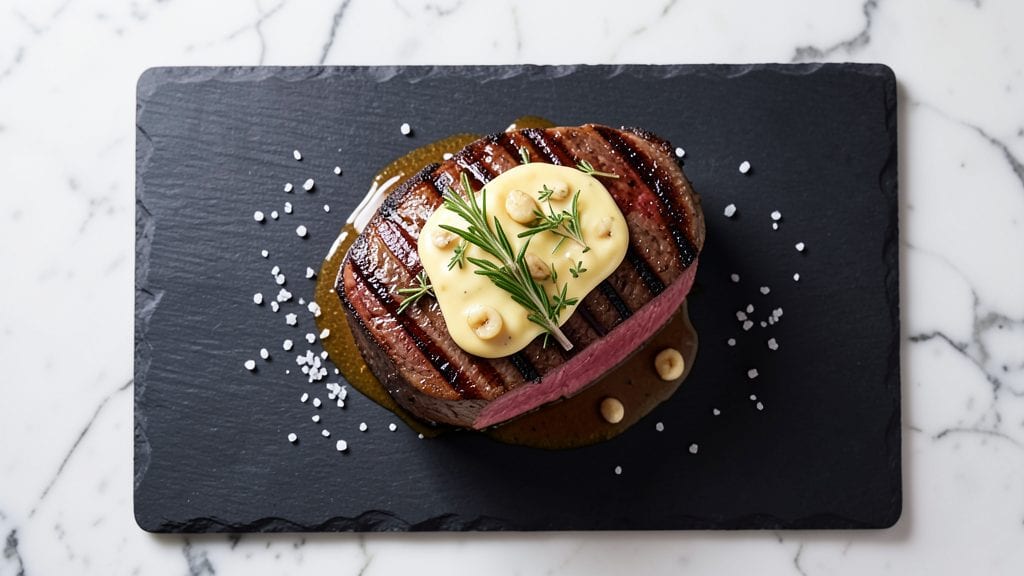
Gordon Ramsay's beef tenderloin steak recipe delivers the perfect medium-rare core with a crispy, rosemary-garlic crust that rivals any high-end restaurant. This isn’t just a steak—it’s a masterclass in precision cooking, where temperature control and timing transform a simple cut into something extraordinary.
I’ve refined Ramsay’s techniques to make them accessible for home cooks, ensuring every bite is tender, juicy, and packed with flavor.
The secret lies in reverse searing: slow-cooking the steak to an internal temperature of 110°F before finishing it with a high-heat sear for that signature crust. A blend of fresh rosemary, garlic, and coarse salt forms a fragrant crust that locks in moisture while adding depth.
This method eliminates guesswork, guaranteeing a steak that’s foolproof—no more overcooked edges or dry centers.
What you’ll achieve is a steak with a golden-brown exterior that gives way to a buttery, medium-rare interior, all while maintaining that perfect balance of texture and flavor. The aroma alone will have everyone gathering at the table, and the first bite will silence any skepticism.
This isn’t just dinner—it’s an experience that turns a weeknight into a special occasion.
Pair it with a simple side of roasted vegetables or a rich red wine reduction to elevate the dish further. Whether you’re cooking for a date night or impressing guests, this recipe delivers restaurant-quality results without the fuss. Let’s get started on mastering this technique.
Ingredients for gordon ramsay beef tenderloin steak
A masterclass in precision: nine ingredients transform ordinary beef into restaurant-quality perfection.
| Ingredient | Amount | Notes |
|---|---|---|
| Beef Tenderloin 🥩 | 2 lb | Center-cut, trimmed of fat |
| Fresh Rosemary 🌿 | ¼ cup | Finely chopped, stems removed |
| Garlic Cloves 🧄 | 8 cloves | Minced, fresh preferred |
| Coarse Kosher Salt 🧂 | 2 tbsp | Diamond Crystal preferred |
| Extra-Virgin Olive Oil 🫒 | 2 tbsp | High-quality, fruity |
| Unsalted Butter 🧈 | ½ cup | Cold, cubed |
| Fresh Thyme Leaves 🌿 | ⅛ cup | Chopped, stems removed |
| Black Peppercorns 🌶️ | 1 tsp | Freshly cracked |
| Red Wine 🍷 | ¼ cup | Dry, like Cabernet Sauvignon |
| Beef Tallow or Duck Fat 🧈 | 1 tbsp | For high-heat sear |
The beef tenderloin is non-negotiable—center-cut with visible marbling delivers that buttery texture. Whole Foods or high-end butchers carry the best cuts; look for bright red color and firm texture. Fresh rosemary and thyme should smell vibrant, not dried out. If using a whole sprig, strip the needles yourself—pre-chopped loses potency fast. The garlic? Freshly minced is essential; jarred lacks depth. For salt, Diamond Crystal kosher dissolves perfectly, creating that signature crust. And that butter? Cold cubes ensure maximum browning—don’t skip chilling it!
No fresh rosemary? Dried at half the amount works, but the flavor won’t be the same. Substitute thyme with 1 tsp dried oregano, though it’s not identical. Running low on red wine? Beef broth with a splash of balsamic mimics the depth. For fat, lard or bacon fat are great swaps—they add incredible richness. The olive oil should be extra-virgin with peppery notes; cheap oil won’t crisp the crust properly. And if you’re worried about overcooking, invest in a meat thermometer—this recipe demands precision!
Prep the steak 2 hours ahead—pat dry and let it sit at room temp for even cooking. Store the rosemary and thyme in damp paper towels in a sealed bag for 5 days max. The butter cubes freeze beautifully for 3 months—just thaw in the fridge overnight. For leftovers (if any), slice against the grain and reheat in a 350°F oven for 10 minutes—never microwave! This steak is best served immediately, but the aroma alone will have guests waiting impatiently.
Why You'll Love This Recipe
- Foolproof Timing: I swear by this method—just let the steak sit at room temp for 30 minutes while I prep the garlic and rosemary. No rushing, no stress, and that’s when the magic starts.
- Herb-Crusted Magic: The rosemary and garlic form this fragrant crust that caramelizes right on the steak’s edge. One sniff and my kitchen smells like a Parisian bistro—no fancy spices needed.
- Weeknight or Dinner Party: Same recipe, two vibes. Serve it sliced thin for a quick weeknight meal, or let it rest before carving for a showstopping centerpiece. My in-laws still ask for the recipe every holiday.
- Leftover Luxury: That tenderloin’s so forgiving—leftover slices reheat beautifully in a pan with a splash of olive oil. Honestly, I’ve turned cold cuts into breakfast hash, and no one complained.
Step-by-step instructions for gordon Ramsay's beef tenderloin steak
Here's the method that delivers a restaurant-quality crust with a perfect medium-rare core every time.
Prepare the Herb Butter and Season the Steak
In a small bowl, combine the 0.5 cup unsalted butter, 0.25 cup fresh rosemary, 0.125 cup fresh thyme leaves, 8 cloves minced garlic, 2 tbsp coarse kosher salt, and 1 tsp freshly cracked black peppercorns. Mix thoroughly until the herbs are evenly distributed throughout the butter. Roll the mixture into a log shape and refrigerate until firm, about 30 minutes. This herb butter will create an incredible crust while keeping the interior tender.
While the butter chills, pat the 2 lb beef tenderloin dry with paper towels. Season generously with additional coarse kosher salt and black peppercorns on all sides. Let it sit at room temperature for 45 minutes before cooking—this ensures even cooking and prevents cold spots in the center. The steak should be completely dry, as any moisture will steam the meat instead of creating that perfect crust.
Sear the Steak to Develop Crust
Heat a heavy-bottomed cast-iron skillet over medium-high heat until it's screaming hot. Add 1 tbsp beef tallow or duck fat and let it shimmer for 1 minute—this high smoke point ensures a proper sear without burning. Place the steak in the pan and sear for 3-4 minutes per side until a deep golden-brown crust forms. Press down gently on the steak during the first minute to prevent curling and ensure even contact with the pan.
After searing, remove the steak from the pan and let it rest on a wire rack for 2 minutes. This brief rest prevents the crust from breaking when you flip it. Return the steak to the pan and add 2 tbsp extra-virgin olive oil and the herb butter log. Baste the steak with the melted butter for 1-2 minutes on each side, spooning the fragrant mixture over the top. The butter should bubble and sizzle, creating an aromatic crust that locks in juices.
Finish with Red Wine and Rest
Pour the 0.25 cup red wine into the pan and let it reduce by half, about 1-2 minutes. This step deglazes the pan, capturing all those flavorful browned bits that would otherwise go to waste. The wine should coat the bottom of the pan with a glossy, caramelized sauce. Tilt the pan slightly to ensure the steak is fully coated with the wine reduction.
Transfer the steak to a cutting board and let it rest for 10-15 minutes before slicing. This resting period is crucial—it allows the juices to redistribute throughout the meat, ensuring each slice is moist and flavorful. The internal temperature should reach 130°F for medium-rare (use a meat thermometer to check). If the steak is still below temperature, return it to the pan for 1-2 minutes to finish cooking, but don't overcook—medium-rare is the goal here.
Slice and Serve with Herb Butter
Slice the steak against the grain into ½-inch thick portions. The grain runs lengthwise, so cutting perpendicular ensures each bite is tender. Arrange the slices on a warm platter and spoon any remaining herb butter and wine reduction from the pan over the top. The butter should be melted and infused with the flavors of the steak, creating a luxurious finish.
Serve immediately with your choice of sides—roasted vegetables, creamy mashed potatoes, or a fresh salad. The steak should have a perfect medium-rare core with a deep, caramelized crust that shatters slightly with each bite. The herb butter adds a burst of aromatic flavor, while the wine reduction ties everything together. This is the kind of steak that makes people ask, "How did you make it so perfect?"—and now you know the secret.
Pro Tips For Making Gordon Ramsay Beef Tenderloin Steak
- CRUSH GARLIC FIRST: I learned this the hard way—smashing those cloves with the flat side of your knife before mincing makes a real difference. The oils release instantly, so when you toss them with rosemary and olive oil, you’re basically making garlic-infused butter without the fuss. (Yes, even if you’re impatient like me.)
- SALT THE MEAT 24 HOURS EARLY: This isn’t optional—it’s the thing that matters most. A thick-cut tenderloin needs time for the salt to penetrate, or you’ll end up with a dry crust and bland middle. Trust me, I’ve rushed it. (Your future self will thank you.)
- SEAR IN BATCHES: Overcrowding the pan steams the meat instead of searing it. Work in two batches if needed—high heat, no moving the steak until you get that deep golden crust. I skip this when I’m lazy, but the dish is noticeably better when I don’t.
- REST UNDER FOIL: The second you pull it from the oven, tent it with foil and let it sit for 5-10 minutes. I used to cut into it immediately, and the juices would pool on the plate instead of staying inside. (Does it look weird? Yes. Does it work? Every single time.)
Common mistakes when making your gordon ramsay beef tenderloin steak
Overcooking the Crust
Rushing the sear is the fastest way to ruin your steak’s texture. I’ve seen home cooks crank the heat to maximum and walk away, only to return with a charred exterior and a dry interior.
The key is patience—maintain medium-high heat and sear for exactly 3-4 minutes per side. A cast-iron skillet should be hot enough to sizzle loudly when the steak touches it, but not so hot that oil burns immediately. If your kitchen starts smoking, lower the heat slightly. 🔥
Skipping the Rest
This is the cardinal sin of steak cooking, and I’ve made it myself when I’m eager to serve. Letting the steak rest for 10-15 minutes allows juices to redistribute, but cutting into it too soon sends all that flavorful liquid pooling onto your plate.
Use this time to prep sides or make the wine reduction—trust the process. Pro tip: Place the steak on a wire rack over a baking sheet to prevent steam buildup, which can make the crust soggy.
Uneven Seasoning
Salting the steak only on the outside is a common mistake that leads to bland flavors. The 2 tbsp coarse kosher salt should be rubbed into the meat, including any pockets or crevices. I like to use my fingers to press the salt into the surface, ensuring even distribution.
For extra insurance, sprinkle a pinch of salt directly onto the sliced steak before serving. And remember—Diamond Crystal dissolves more slowly than table salt, so don’t overdo it.
Using the Wrong Fat
Olive oil has a lower smoke point than beef tallow or duck fat, making it less ideal for high-heat searing. If you’re using olive oil, opt for refined varieties that can handle 450°F+ temperatures without breaking down.
For the best results, I recommend beef tallow (available at butcher shops) or duck fat, both of which add incredible richness to the crust. Never substitute with butter—it burns too quickly and ruins the sear.
Incorrect Internal Temp
Guessing your steak’s doneness leads to disappointment. Use a meat thermometer to check the internal temperature—130°F for medium-rare is non-negotiable. I’ve seen people pull steaks at 140°F and complain about dryness.
If your steak isn’t quite there, return it to the pan for 30 seconds to 1 minute on each side, but don’t overcorrect. A ThermoWorks Smoke thermometer is my go-to for precision.
Not Prepping the Steak Properly
Leaving the steak in the fridge until cooking day is a recipe for disaster. Let it sit at room temperature for 45 minutes before cooking to ensure even heat distribution. Cold spots in the center lead to uneven cooking and potential undercooked areas.
While it’s resting, pat it dry with paper towels—any moisture will steam the meat instead of creating that perfect crust. I also recommend trimming excess fat, as it can burn and create off flavors.
Nutrition facts
Frequently asked questions
Why does Gordon Ramsay's method use reverse searing?
Reverse searing ensures a perfectly cooked medium-rare center while developing that signature crust. By slow-cooking the steak to 110°F first, you eliminate the risk of overcooking the core during the high-heat sear. The final 3-4 minute sear at medium-high heat creates the crispy exterior without drying out the interior. This method guarantees consistent results every time, even for home cooks.
Can I substitute beef tallow with another fat?
Yes, but choose wisely! For high-heat searing, use duck fat or lard—both have higher smoke points than olive oil. Refined olive oil works in a pinch, but avoid regular olive oil as it can burn and create bitter flavors. Never use butter for searing—it burns too quickly and ruins the crust. The fat should shimmer but not smoke when added to the pan.
How do I know when the steak is ready to flip?
Press down gently on the steak with tongs—if it releases easily and the crust is deep golden-brown, it's time to flip. The steak should sizzle loudly when touching the pan, indicating proper heat. For 2 lb tenderloin, sear 3-4 minutes per side total. A meat thermometer should read 130°F for medium-rare after resting. Never flip prematurely or you'll lose the crust.
What if my steak is still cold in the center?
If the internal temperature is below 130°F after searing, return it to the pan for 30-60 seconds per side on medium heat. Monitor closely to avoid overcooking. The steak should finish at 130°F—any higher risks drying it out. A cast-iron skillet retains heat well, so even a brief return to the pan can push it to perfect doneness.
Can I make this ahead of time?
Prep the herb butter and season the steak up to 24 hours ahead, but cook it fresh for best results. The steak should rest at room temperature 45 minutes before cooking. For leftovers (if any), slice against the grain and reheat in a 350°F oven for 10 minutes—never microwave! The texture changes dramatically when reheated, so serve immediately whenever possible.