
Tips
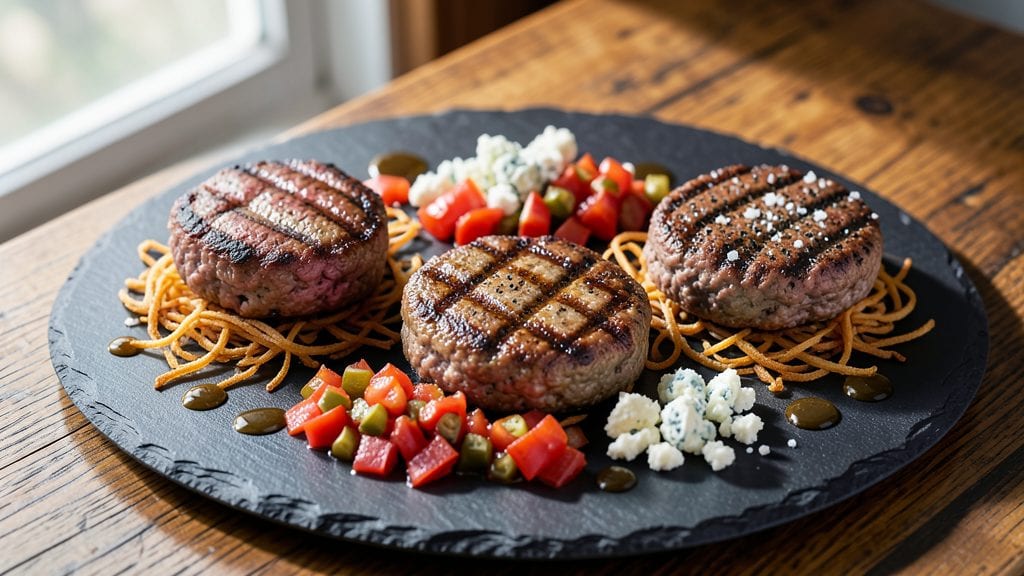
Ground beef sizes vary by pound-to-serving ratios: 1 pound typically yields about 3–4 servings (4-ounce portions), while 2 pounds serves 6–8 people. Adjust for recipes like burgers (1/4 lb per patty) or chili (1/2 lb per serving). Always factor in trimming waste and portion preferences.
When planning meals with ground beef, the fat content plays a big role in how much you actually get after cooking. A 1-pound package of 80/20 fat-to-lean blend might shrink by 15-20% due to fat loss, while a leaner 90/10 blend shrinks less but yields fewer servings.
I always check the fat ratio on the package—it’s the secret to avoiding overbuying or running out mid-recipe. 🔥
For Italian-American dishes like my Nonna’s meat sauce, I’ve learned to buy 1.5 pounds for a family of four because the fat renders out during slow cooking, leaving rich flavor but fewer actual servings.
The key is testing your own kitchen’s shrinkage rate—every stove behaves differently! Pre-packaged patties also have built-in waste from their shape, so buying bulk often saves money for large batches.
💡 In This Article
- How Ground Beef Weight Affects Serving Calculations
- Best Ground Beef Portions for Popular Recipes
How ground beef weight affects serving calculations
The fat-to-lean ratio in ground beef dramatically alters your actual yield after cooking. A 80/20 blend (80% lean, 20% fat) loses about 15-20% of its weight during cooking as fat renders out, while a 93/7 lean blend shrinks only 5-10%.
This means that pound-for-pound, the fatter blend gives you more flavorful servings but fewer total ounces of cooked meat.
For example, 1 pound of 80/20 might yield only 3 servings (4 oz each) after cooking, while the same weight of 93/7 could give you 4 servings—but with less richness in each portion. 🔥
Pre-packaged ground beef also behaves differently than bulk purchases. Store-bought patties often include extra fat wrapped around the meat to prevent drying, which can add 10-15% more weight than actual usable meat. Bulk purchases from butchers, however, are typically more precise in their fat distribution.
I’ve noticed that when buying from a trusted butcher in Sicily, the fat is evenly distributed, reducing waste during cooking. The USDA recommends 3 ounces of cooked ground beef per serving, but this assumes a 90/10 blend—always adjust for your specific fat ratio.
Trimming makes a surprising difference in your calculations. If you trim visible fat before cooking, you’ll lose another 5-10% of your original weight. For instance, trimming 1 pound of 80/20 beef could reduce your usable meat to just 7-8 ounces before cooking.
This is why I recommend weighing your meat after trimming if you’re planning precise portions. For Italian recipes like ragù, I leave some fat on because it adds flavor, but for dishes like meatballs, I trim carefully to control portion sizes. 💫
Cooking methods also play a role. Pan-searing ground beef at high heat causes more fat loss than slow simmering, which preserves moisture and flavor.
For example, browning 1 pound of ground beef in a skillet at 400°F might yield 3.5 servings, while simmering the same amount in a sauce for 1 hour could give you 4 servings.
This is why recipes for slow-cooked dishes like chili often call for slightly more raw beef—accounting for the retained moisture and fat.
Here’s a quick comparison for common scenarios:
- Burgers: Use 1/4 lb per patty (raw weight) for 4-ounce cooked patties. A 2-pound bag makes 8 patties if untrimmed, but only 6-7 if you trim fat.
- Tacos: 1/2 lb per serving (raw) accounts for shrinkage and multiple fillings. A 3-pound bag serves 6 people with 2 tacos each.
- Spaghetti Sauce: 1 lb per 4 servings (raw) ensures enough flavorful meat after simmering. Fatter blends stretch further in sauce.
Pro tip: Weigh your cooked ground beef after preparation to calculate your kitchen’s specific shrinkage rate. This personal data will save you from overbuying or running short mid-recipe. 🌟