
Side Dishes
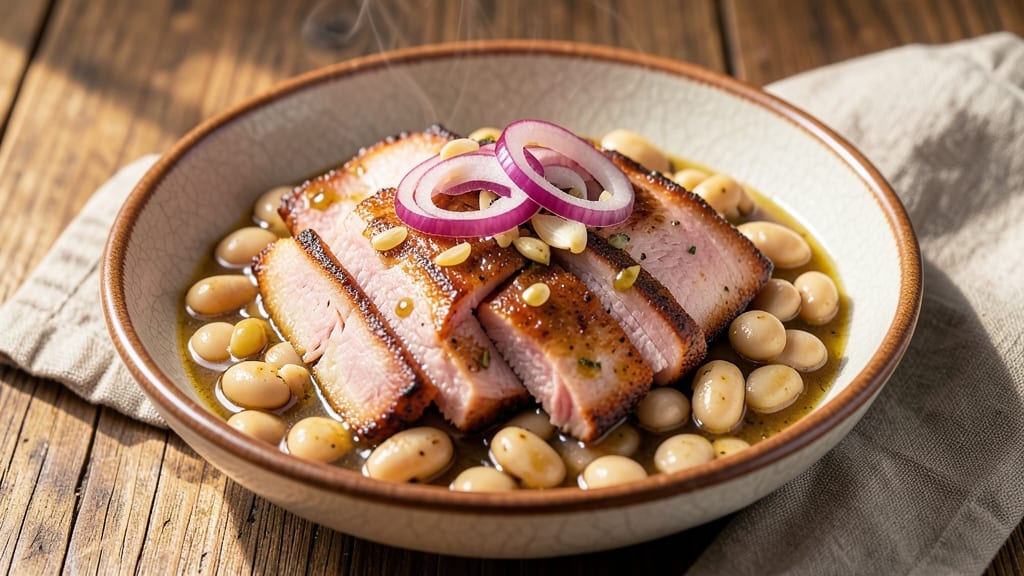
Transforming pantry staples into a hearty, satisfying meal has never been easier than with this ham and canned beans recipe. The beauty lies in its simplicity—just a few ingredients, one pan, and less than 30 minutes of active time.
I developed this while teaching myself to cook with what I always had on hand, and it became a staple during busy weeknights when convenience didn't mean sacrificing flavor.
What makes this dish truly special is how it balances rich, savory flavors with comforting textures. The ham adds depth with its smoky, slightly sweet notes, while the canned beans provide a satisfying heartiness that feels substantial enough for a main course.
A touch of mustard and a splash of broth elevate the simple ingredients into something restaurant-worthy, proving that great meals don't always require complicated techniques.
The result is a one-pan meal that's perfect for feeding a family or meal prepping for the week. You'll have tender, flavorful ham pieces mixed with creamy beans, all bathed in a sauce that's rich yet light—ideal for spooning over rice, serving with crusty bread, or enjoying as-is.
Each bite delivers that perfect harmony of textures and tastes that turns basic ingredients into something memorable.
This recipe works equally well as a standalone dish or paired with simple sides like roasted vegetables or a fresh salad. The beauty of its simplicity means you can easily adjust the seasoning to suit your taste, making it a versatile addition to any meal plan. Let's get cooking!
Ingredients for ham and canned beans
Pantry staples transform into a hearty one-pan meal with just 14 ingredients.
| Ingredient | Amount | Notes |
|---|---|---|
| Pre-Cooked Ham 🥓 | 1 lb | Diced, bone-in preferred |
| Canned Great Northern Beans 🌽 | 2 cans | Drained, rinsed, 15 oz each |
| Yellow Onion 🧅 | 1 whole | Medium, diced small |
| Garlic Cloves 🧄 | 3 cloves | Minced, fresh preferred |
| Dijon Mustard 🍯 | 1 tbsp | High-quality brand preferred |
| Chicken Broth 💧 | 1 cup | Low-sodium preferred |
| Apple Cider Vinegar 🍎 | 1 tbsp | For brightness |
| Dried Thyme 🌿 | 1 tsp | Or 1 tbsp fresh |
| Bay Leaves 🍃 | 1 whole | Removed before serving |
| Olive Oil 🫒 | 1 tbsp | Extra-virgin for richness |
| Salt 🧂 | ½ tsp | Kosher or sea salt |
| Black Pepper 🌶️ | ¼ tsp | Freshly ground |
| Brown Sugar 🍬 | 1 tbsp | Light or dark |
| Crusty Bread 🍞 | 4 slices | For serving |
The ham is the star here—bone-in pieces add extra flavor, but pre-diced deli ham works in a pinch. Costco or Trader Joe's often carry high-quality pre-sliced ham that's perfect for this. Look for Great Northern beans (or any white bean) in the canned goods aisle—Muir Glen or Libby's are reliable brands. Fresh thyme is ideal, but dried works fine at one-third the amount. The Dijon mustard should be smooth, not grainy—Amora or Maille are solid choices. For the broth, low-sodium options let you control the salt better, but you can always add more if needed.
No Dijon mustard? Yellow mustard in a pinch—just add a splash of water to thin it out. Fresh garlic is best, but garlic powder at half the amount gets you close. Apple cider vinegar can be swapped for white vinegar or lemon juice if that's what you have. The brown sugar balances the savory flavors—light brown sugar adds a touch of molasses flavor, while dark brown sugar is more intense. For extra richness, a splash of Worcestershire sauce (about 1 tsp) adds depth without overpowering. The bay leaves are non-negotiable for that subtle herbal note, but if you're in a hurry, dried rosemary at half the amount works too.
This dish reheats beautifully—double the batch and freeze half for lazy weeknights. Store leftovers in an airtight container for up to 5 days in the fridge. The crusty bread is optional but recommended—sourdough or a good baguette pairs perfectly. For extra texture, toast the bread and rub it with a garlic clove before serving. The flavors improve overnight as everything melds together, so it's even better the next day.
Why You'll Love This Recipe
- Pantry Magic: I swear by this recipe when I’m staring at a half-empty fridge. Pre-cooked ham and canned beans? No grocery run needed. Just chop an onion, mince garlic, and stir—it’s like a hug from your grandma, but with way less cleanup.
- Mustard Magic: That Dijon mustard is the secret weapon. It cuts through the ham’s saltiness and makes the beans taste like they’ve been simmering for hours. Honestly, I’ll add it to anything now—it’s that good.
- Lunchbox Hero: This is my go-to for meal prep. Toss it in a thermos for work, or pack it cold in jars for school lunches. The textures hold up—creamy beans, crispy ham bits—no sad, mushy leftovers here.
- Budget Win: A can of beans, a ham bone, and a few pantry staples? This feeds four for under $8. Between us, I’ve made it on a college budget, a single-parent paycheck, and a “let’s not order pizza” night—it’s my reliable sidekick.
Step-by-step instructions for ham and canned beans recipe
A hearty one-pan meal comes together effortlessly with these simple techniques.
Sauté the Aromatics for Flavor Foundation
Heat the olive oil in a large skillet over medium heat. Add the diced yellow onion and cook for 5 minutes until softened and translucent. This step builds the flavor base—don't rush it, or the onions will burn before caramelizing.
Add the minced garlic cloves and cook for 30 seconds until fragrant. The garlic should sizzle gently but not brown. I like to stir constantly at this point to prevent burning, as garlic can go from aromatic to bitter in seconds. This quick cooking preserves the garlic's natural sweetness rather than bitterness.
Combine Ham and Beans for Even Cooking
Push the onions and garlic to one side of the skillet and add the diced pre-cooked ham. Cook for 2 minutes until lightly browned. This step enhances the ham's flavor by developing a slight crust. Return the onions and garlic to the center of the pan and stir to combine.
Add the drained canned great northern beans, dijon mustard, brown sugar, dried thyme, salt, and black pepper. Stir well to coat the beans and ham evenly with the seasonings. The beans should be fully incorporated, and you'll see the mustard and sugar begin to dissolve into the mixture. This creates a balanced flavor profile where the sweetness of the brown sugar complements the savory ham and tangy mustard.
Deglaze and Simmer for Rich Sauce
Pour in the chicken broth and apple cider vinegar, scraping up any browned bits from the bottom of the pan. Add the bay leaves and bring the mixture to a gentle simmer over medium-low heat. Let it cook uncovered for 10 minutes, stirring occasionally. This simmering time allows the flavors to meld together while the liquid reduces slightly, creating a thicker, more cohesive sauce.
I know it seems like a long time, but patience here ensures the beans absorb all the flavors rather than just sitting in broth. The mixture should be thick enough to coat the back of a spoon but still have a loose consistency. If it reduces too quickly, add 1-2 tablespoons of water to maintain the right texture.
Finish and Serve with Crusty Bread
Remove the bay leaves and taste the mixture. Adjust seasoning if needed—you might need an extra pinch of salt or a splash more apple cider vinegar for brightness. The dish should balance sweet, savory, and tangy flavors with a hint of herbal thyme.
Transfer the ham and beans to a serving dish and let it rest for 5 minutes before serving. This resting time allows the flavors to settle and the beans to absorb any remaining liquid. Serve with the 4 slices crusty bread on the side for dipping or as a base for open-faced sandwiches. The bread's texture contrasts beautifully with the creamy, hearty bean mixture.
Pro Tips For Making Ham And Canned Beans
- Sear the Ham First: That pre-cooked ham might look done, but a quick 2-3 minute sear in a hot pan with a splash of water or broth will wake up the flavors—especially if you’re using a dry-cured or slightly bland ham. I learned this the hard way when my first batch tasted like it came straight from the deli fridge.
- Drain and Rinse Beans: The liquid in canned Great Northern beans is salty and starchy, which turns your dish into a sad, gluey mess. Drain them, then give them a quick cold-water rinse—even if the label says "no salt added." Trust me, your sauce will thank you.
- Cook Onions Low and Slow: Onions for this dish need to caramelize just enough to sweeten the whole thing, but don’t rush it. Simmer them on medium-low for 8-10 minutes until they’re soft and translucent, not crispy or browned. After burning three batches, I finally figured out patience pays off here.
- Mustard Last, Not First: Tossing in Dijon mustard early will make it cook off and lose its bright tang. Stir it in with the beans and ham in the last 5 minutes of simmering—just enough to heat through and add that little kick without turning bitter. I was skeptical until I tried it.
Dietary considerations for these flavors
Gluten-Free Adaptations
This recipe is naturally gluten-free, provided you use gluten-free ham and check all pantry staples. Deli ham often contains gluten as a binder, so opt for gluten-free brands like Hormel Natural Choice or Applegate.
The Great Northern beans and broth should also be certified gluten-free—Pacific Foods and Imagine Foods offer reliable options. 🌾
Low-Sodium Options
Since the recipe calls for low-sodium chicken broth, you can further reduce sodium by omitting added salt entirely. The Dijon mustard and apple cider vinegar already provide enough tanginess, while the ham contributes natural saltiness.
If you prefer extra flavor, use smoked paprika (¼ tsp) or garlic powder (½ tsp) instead of salt.
Vegetarian Swaps
Replace the ham with smoked tofu or tempeh, marinated in 1 tbsp soy sauce, 1 tbsp maple syrup, and 1 tsp liquid smoke for a similar smoky-sweet profile.
For extra protein, add 1 can of chickpeas (drained) alongside the beans. The Dijon mustard and brown sugar will still balance the dish beautifully. 🌱
Protein Boost
Add ½ cup cooked quinoa or ½ cup brown rice to the skillet during the final 10-minute simmer for extra fiber and protein. Alternatively, stir in 2 tbsp nutritional yeast after removing the bay leaves for a cheesy, umami-rich boost. This works especially well if serving as a standalone meal.
Dairy-Free Notes
This recipe is already dairy-free, but if you're sensitive to potential cross-contamination, ensure your ham is processed in a dedicated facility. The Dijon mustard and brown sugar are naturally dairy-free, but always check labels—some brands add milk solids.
For extra richness, stir in 1 tbsp tahini at the end for a nutty depth.
Meal Prep Adjustments
For meal prep, double the recipe and store in airtight glass containers for up to 5 days in the fridge. The flavors deepen over time, making it even more delicious.
When reheating, add 1-2 tbsp water to prevent drying out. For freezing, portion into single-serving containers and thaw overnight in the fridge before reheating. 📅
Nutrition facts
Frequently asked questions
Can I use any type of canned beans for this recipe?
Great Northern beans work best due to their mild flavor and creamy texture, but you can substitute with white beans (like cannellini) or navy beans for similar results. Avoid dark beans like black beans—they have a stronger flavor that may overpower the ham. Always drain and rinse the beans thoroughly to remove excess sodium.
How can I make this dish spicier?
Add ½ teaspoon of cayenne pepper or 1 teaspoon of smoked paprika during the simmering step for heat. For a smoky kick without spice, try ½ teaspoon of chipotle powder or a dash of hot sauce at the end. Adjust to taste—this dish is naturally mild but takes bold seasoning well!
What if I don't have Dijon mustard?
Use yellow mustard (thinned with 1 teaspoon of water) or 1 teaspoon of honey plus ½ teaspoon of lemon juice for sweetness. The brown sugar in the recipe will still balance flavors, but Dijon's tang is key—skip it only if absolutely necessary. For extra depth, add ½ teaspoon of soy sauce instead.
Can I make this recipe in a slow cooker?
Sauté the onions and garlic first, then transfer everything (including broth) to a 3-4 quart slow cooker. Cook on LOW for 4-5 hours or HIGH for 2-3 hours, stirring once halfway. The slow cooking enhances the flavors even more, making it perfect for meal prep. Just skip the bay leaves—they don’t hold up well in long cooking.
Why did my beans turn mushy?
Overcooking or using old canned beans (check the expiration date!) causes mushiness. Always simmer gently—medium-low heat only—and limit cooking time to 10 minutes after adding broth. For extra texture, add 1 tablespoon of cornstarch mixed with 2 tablespoons of water during the final 2 minutes of cooking to thicken the sauce.