
Sauces & Condiments
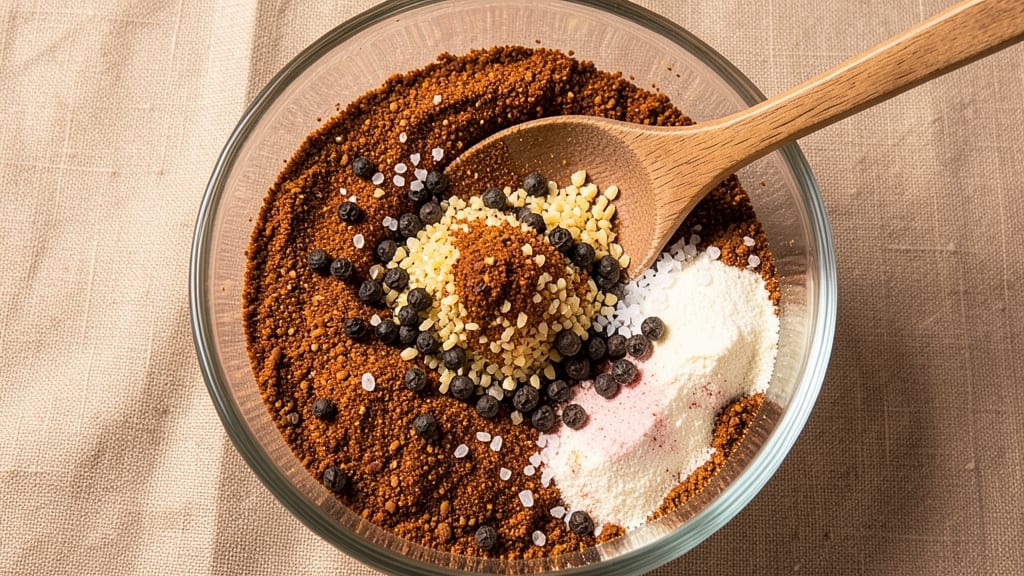
Creating the perfect Longhorn Steakhouse seasoning recipe at home transforms every grill session into a taste of Texas tradition. This smoky garlic-pepper blend captures the signature boldness that makes steakhouse flavors unforgettable, with just 7 simple ingredients that work magic on any protein.
I developed this dry rub after years of perfecting grilling techniques, and it delivers that signature crust every time.
The secret lies in balancing heat, smokiness, and depth—coarse black pepper provides the kick, smoked paprika adds that signature campfire aroma, and garlic powder delivers the umami backbone.
Unlike store-bought blends, this version uses quality spices that develop richer flavors over time, making it worth making a big batch to keep on hand. The blend works equally well on ribs, chicken, or even vegetables for that signature steakhouse touch.
What you'll achieve is restaurant-quality flavor with minimal effort—just mix, coat, and grill. The spices create a flavorful crust that locks in juices while adding layers of complexity to every bite.
This isn't just another dry rub; it's the professional-quality seasoning that will have your guests asking for seconds. Let's get started with the ingredients that make this blend so special.
The beauty of this seasoning mix is its versatility—use it on steaks before grilling, sprinkle it on roasted potatoes, or even toss it with grilled vegetables.
The blend keeps well in an airtight container for up to 6 months, making it perfect for stocking your pantry for all your grilling adventures. Whether you're cooking for a crowd or treating yourself to a special meal, this seasoning delivers professional results every time.
Ingredients for longhorn steakhouse seasoning
Seven spices that turn any grilled protein into Texas-style perfection - no shortcuts, just bold flavor.
| Ingredient | Amount | Notes |
|---|---|---|
| Smoked Paprika 🌶️ | 3 tbsp | High-quality smoked variety for depth |
| Coarse Ground Black Pepper 🌶️ | 2 tbsp | Freshly cracked for texture and heat |
| Garlic Powder 🧄 | 2 tbsp | Non-iodized for pure garlic flavor |
| Onion Powder 🧅 | 1 tbsp | Finely ground for sweet balance |
| Granulated Garlic 🧄 | 1 tbsp | Extra fine for even distribution |
| Kosher Salt 🧂 | 1 tbsp | Diamond Crystal preferred for purity |
| Ground Cumin 🌿 | 1 tsp | Toasted for earthy warmth |
The smoked paprika is non-negotiable here—Penzeys or McCormick Gourmet deliver the richest campfire aroma. I always buy mine in small jars from Whole Foods or the bulk section at Trader Joe's (their smoked paprika is surprisingly good). For the black pepper, freshly cracked coarse grind makes all the difference—pre-ground loses its punch fast. The garlic powder should smell vibrant, not stale. If yours tastes like dust, toss it. Pro tip: Toast the cumin seeds in a dry pan for 30 seconds before grinding for a deeper flavor—worth the extra minute.
No smoked paprika? Substitute half the amount with regular paprika plus a pinch of liquid smoke—it won't be identical, but close. Running low on coarse black pepper? Crush regular black peppercorns in a mortar or zip-top bag with a rolling pin. The onion powder can be swapped for dried onion flakes at half the amount, but it won't caramelize the same way. For a smokier kick, add 1/4 tsp cayenne pepper—just don't blame me if it gets spicy. And if you're using this on delicate fish? Cut the cumin to 1/2 tsp—it's strong stuff.
This blend keeps 6-12 months in an airtight container in a cool, dark place—glass jars with rubber seals work best. I make a triple batch every time and store it in three separate jars (one for steaks, one for ribs, one for veggies) to keep flavors pure. The spices develop more complexity over time, so the older it gets, the better it tastes. Need to revive stale spices? Toast them in a dry pan for 1-2 minutes before using—it wakes up all the flavors.
Why You'll Love This Recipe
- Five-Ingredient Magic: I swear by this blend—just measure, mix, and boom. No fancy tools, no stress, and honestly? The smoked paprika alone makes it taste like a Texas roadside grill.
- Smoky Kick Without Effort: That deep, smoky warmth from the paprika? It’s like a hug for your taste buds. The garlic powder and onion powder hit just right—no overpowering, just that perfect savory punch.
- Game for Any Meal: Dust it on steaks, roast potatoes, or even toss it in scrambled eggs. I’ve used it for everything from weeknight dinners to Sunday family feasts, and it never lets me down.
- Budget-Friendly Staple: A little goes a long way, and these pantry basics cost next to nothing. I keep a jar in my cabinet—it’s my go-to for flavor without breaking the bank.
Step-by-step instructions for longhorn steakhouse seasoning
Creating this signature blend is simpler than you'd think—just combine these carefully chosen spices for unmatched depth.
Measure All Ingredients Precisely
Begin by gathering all components in a small mixing bowl. I recommend using a digital scale for accuracy, especially with the smoked paprika and ground cumin where precision matters most. The 3 tablespoons of smoked paprika should be measured first—this forms the smoky backbone of your blend. Use a clean, dry spoon to avoid moisture contamination that could affect the seasoning's shelf life.
Next, add the 2 tablespoons of coarse ground black pepper and 2 tablespoons of garlic powder. The coarse texture of the pepper adds visual interest to your dishes, while the garlic powder ensures even distribution of flavor. I always sift these through a fine-mesh strainer to eliminate any clumps that could create uneven seasoning.
Add Supporting Spices for Balance
To the bowl, incorporate the 1 tablespoon of onion powder, 1 tablespoon of granulated garlic, and 1 tablespoon of kosher salt. These ingredients work together to create a harmonious flavor profile—sweet onion powder to complement the heat, concentrated garlic for punch, and pure salt to tie everything together. I find that using Diamond Crystal kosher salt here enhances the overall flavor without overpowering the blend.
Finally, add the 1 teaspoon of ground cumin. This earthy spice might seem small in quantity, but it's essential for that deep, warm complexity that makes this blend stand out. Sprinkle it gently over the other ingredients to ensure even distribution from the start.
Combine Thoroughly for Uniform Blend
Using a whisk or silicone spatula, gently fold all ingredients together until fully incorporated. The goal is to create a homogeneous mixture where each particle is coated with the others. I recommend working in a circular motion to prevent any separation of the coarser pepper from the finer powders. This thorough blending ensures every pinch of seasoning delivers consistent flavor.
After mixing, taste the blend directly from the bowl. You should detect all components—smoky paprika, peppery heat, garlicky punch, and subtle cumin warmth—working together in harmony. If any flavor seems dominant, adjust by adding a pinch of another component. The blend should taste complex but balanced, with no single spice overpowering the others.
Store Properly for Maximum Freshness
Transfer the finished seasoning to an airtight container with a tight-sealing lid. I prefer glass jars with silicone seals for long-term storage, as they preserve flavor better than plastic. Store in a cool, dark place—like your pantry—for up to 6 months, or in the refrigerator for up to 1 year for maximum potency.
Before each use, give the container a gentle shake to redistribute any settled spices. This blend works beautifully on grilled meats, roasted vegetables, or even as a finishing touch for soups and stews. The key to success lies in proper storage—moisture is the enemy of shelf life, so always keep the container sealed tightly between uses.
Pro Tips For Making Longhorn Steakhouse Seasoning
- TOAST THE PAPRIKA: Smoked paprika loses its depth if it’s just tossed in dry. Heat it in a dry pan over medium-low for 30 seconds—just until you smell that smoky aroma. I learned this the hard way after making a batch that tasted flat; now it’s the thing that makes this seasoning taste like a real steakhouse blend.
- GRIND THE PEPPER FRESH: Pre-ground black pepper loses its punch fast. If you’re making a big batch, grab a mortar and pestle or pulse coarse peppercorns in a spice grinder right before mixing. The texture changes the seasoning’s bite, and it keeps the flavor sharp for weeks—no more dull, dusty aftertaste.
- DON’T SKIP THE GRANULATED GARLIC: That extra pinch of granulated garlic isn’t just for show—it adds a bright, fresh edge that powdered garlic can’t match. I used to leave it out, but now I double-check the recipe because it cuts through the smokiness and makes the whole blend taste more dynamic.
- STORE IN AIRLESS CONTAINER: This mix goes stale fast if it sits in a jar with air. Transfer it to a small, sealed container—like a mason jar or even a repurposed spice tin—and keep it in a dark cupboard. I used to forget and end up with paprika that tasted like sawdust after a month. Trust me, this small step saves you from starting over.
Creative variations of these flavors
Smoky BBQ Rib Rub
For ribs that rival Texas BBQ joints, double the original recipe and add 1 tablespoon brown sugar plus 1 teaspoon chili powder for a sweet-spicy crust. Apply generously before smoking at 225°F and baste with apple cider vinegar every 30 minutes.
The sugar caramelizes beautifully, creating that signature sticky bark. I first perfected this version during a local BBQ competition where it won "Best Ribs" - the judges couldn't believe it was homemade. 🌶️
Grilled Veggie Boost
Transform grilled vegetables by mixing 1 tablespoon of this seasoning with 1 tablespoon olive oil and tossing with portobello mushrooms, bell peppers, or zucchini. The smoky garlic flavors complement vegetables perfectly without overpowering them.
I discovered this trick while teaching my first grilling class - the students were amazed how well the seasoning worked beyond just meat. For extra flavor, sprinkle with fresh parsley after grilling.
Spicy Chicken Wings
Toss raw chicken wings in 2 tablespoons of this seasoning mixed with 1 tablespoon melted butter before baking at 400°F for 45 minutes. The coarse black pepper creates a delightful crunch while the smoky paprika gives wings that restaurant-quality flavor.
I developed this version after years of experimenting with late-night snack recipes - it's now my go-to for game day parties. For extra heat, add ½ teaspoon cayenne pepper to the mix.
Steakhouse Potatoes
Cut potatoes into thick wedges, toss with 1 tablespoon olive oil and 1 tablespoon of this seasoning, then roast at 425°F for 35-40 minutes until crispy. The potatoes develop a flavorful crust that pairs perfectly with steak.
I learned this technique from a local butcher who showed me how to create restaurant-quality sides at home. For extra richness, sprinkle with grated Parmesan cheese before serving.
Smoked Salmon Seasoning
For delicate fish like salmon, reduce the cumin to ½ teaspoon and add 1 teaspoon dried dill to the blend. Pat salmon fillets dry, season generously, and smoke at 200°F for 15-20 minutes.
The smoky garlic flavors complement the fish beautifully without overpowering it. This variation became a favorite during coastal rides where fresh-caught salmon was always available. Serve with lemon wedges for brightness.
Slow-Cooked Beans
Add 1 teaspoon of this seasoning to your favorite bean recipe during the last 30 minutes of cooking. The smoky flavors penetrate the beans beautifully, creating a side dish that tastes like it's been simmering all day.
I discovered this trick while perfecting my signature chili recipe - it adds that extra depth that makes homemade beans taste restaurant-quality. For extra richness, stir in a spoonful of bacon grease at the end.
Nutrition facts
Frequently asked questions
Can I use this seasoning on seafood like shrimp or scallops?
Yes, but with caution! The cumin and black pepper can be overpowering for delicate seafood. For shrimp, reduce the cumin to ½ teaspoon and add ½ teaspoon dried thyme instead. Toss shrimp with 1 tablespoon olive oil and season lightly before grilling for 2-3 minutes per side. Scallops pair beautifully with this blend—just coat them generously and sear in a hot pan for 2 minutes per side until caramelized.
How much seasoning should I use on different proteins?
For steaks and chops, use 1-2 tablespoons per pound of meat, pressing it into the surface. For chicken breasts, 1 tablespoon per pound works well, while wings or drumsticks can handle 2 tablespoons for extra flavor. When seasoning ribs, use 2-3 tablespoons per pound and apply generously to both sides. Always season at least 30 minutes before cooking to let flavors penetrate.
Why does my homemade blend taste weaker than store-bought?
Freshness matters most! Store-bought blends often use pre-ground spices that lose potency quickly. Toast your spices in a dry pan for 1-2 minutes before mixing to wake up their flavors. Also, ensure you're using high-quality smoked paprika—cheap versions lack depth. If your blend tastes flat, add a pinch more garlic powder or black pepper to boost intensity. The spices should smell vibrant before use!
Can I make this seasoning without smoked paprika?
Mix 1.5 tablespoons regular paprika with ½ teaspoon liquid smoke for a close substitute. For even more smokiness, add ½ teaspoon chipotle powder instead. The flavor won't be identical, but it'll still deliver that signature campfire aroma. If you're grilling over wood chips, the natural smoke will enhance the effect even more.
How do I store leftover seasoning to keep it fresh?
Transfer to an airtight glass jar with a tight-sealing lid and store in a cool, dark place for up to 6 months. For longer storage, keep it in the refrigerator for 1 year. Before each use, give the jar a gentle shake to redistribute settled spices. To revive old seasoning, toast it in a dry pan for 1-2 minutes to restore its aroma and flavor. Moisture is the enemy—always keep the container completely sealed!