
Desserts
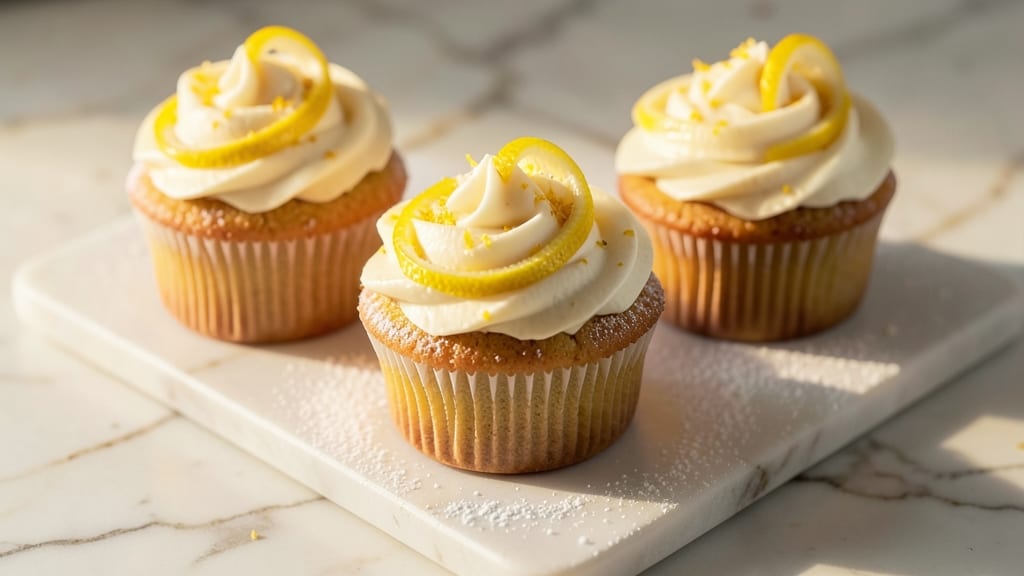
This magnolia cupcake icing recipe delivers the perfect balance of floral sweetness and buttery stability—ideal for layering over vanilla cupcakes or decorating festive desserts. The secret lies in combining classic buttercream with magnolia extract, creating a velvety texture that holds swirls beautifully without melting.
I developed this recipe after struggling to find an icing that stayed stable in warm climates while delivering that signature Southern charm.
The foundation is a rich buttercream base made with high-quality shortening and powdered sugar, ensuring smoothness and structure. Magnolia extract adds a delicate floral note that pairs perfectly with vanilla cupcakes, while a touch of lemon zest brightens the flavor.
This icing is designed to be both professional-looking and foolproof—no specialized equipment required, just precise measurements and gentle folding.
What sets this apart is its versatility. Use it to create elegant swirls, pipe delicate rosettes, or simply spread it smoothly for a polished finish. The buttercream holds its shape even in humidity, making it ideal for summer gatherings or outdoor events.
For those with dietary preferences, a vegan alternative using coconut oil is included without compromising texture.
Storage is simple: keep the icing refrigerated in an airtight container for up to 5 days, or freeze for longer shelf life. Thaw at room temperature before use, and give it a quick whip to restore its smooth consistency.
Whether you're baking for a celebration or treating yourself, this icing elevates every cupcake into a showstopper.
Ingredients for magnolia cupcake icing
Ten ingredients transform into velvety magnolia buttercream—perfect for swirls, rosettes, or smooth frosting.
| Ingredient | Amount | Notes |
|---|---|---|
| Unsalted Butter 🧈 | 1 cup | Cold, cubed for easier incorporation |
| High-Ratio Shortening 🧈 | ½ cup | For professional stability and structure |
| Powdered Sugar 🍚 | 4 cups | Sifted for smooth texture |
| Pure Vanilla Extract 🌿 | 2 tsp | High-quality Madagascar bourbon preferred |
| Magnolia Extract 🌸 | 1 tsp | For authentic floral aroma |
| Lemon Zest 🍋 | 1 tbsp | Freshly grated for brightness |
| Heavy Whipping Cream 🥛 | ¼ cup | Full-fat for optimal stability |
| Diamond Crystal Kosher Salt 🧂 | ¼ tsp | Fine grain for delicate seasoning |
| Vanilla Bean Seeds 🌿 | 1 whole | Scraped from 1 pod for intensity |
| Corn Syrup 🍯 | 1 tbsp | For moisture retention and gloss |
The butter and shortening form the structural backbone of this icing. European-style unsalted butter from brands like Plugrá or Land O'Lakes provides rich flavor, while Crisco shortening ensures stability in warm climates. For professional results, chill all dairy components before beginning. The powdered sugar should be sifted through a fine-mesh sieve to eliminate lumps—no one wants gritty buttercream. Magnolia extract is key; Southern Living brand delivers consistent quality, though homemade infusions work beautifully too. When sourcing, prioritize freshness—extracts lose potency over time, especially when exposed to light.
No vanilla bean? Pure Madagascar bourbon vanilla extract is non-negotiable for depth, but Taster's Choice imitation can work in a pinch if you're in a bind. Substituting lemon zest? Orange zest at half the amount offers a similar brightness without overpowering. For a vegan adaptation, replace the butter with coconut oil (solid at room temperature) and the heavy cream with full-fat coconut cream, though texture will be slightly softer. The corn syrup can be swapped for honey or agave, but reduce by 1 tsp to account for moisture differences. If you're piping intricate designs, add an extra 0.25 tsp xanthan gum for improved hold.
This icing maintains its shape for up to 5 days refrigerated in an airtight container lined with parchment paper to prevent sticking. For longer storage, portion into 1-cup silicone molds and freeze—thaw at room temperature for 10 minutes before whipping to restore smoothness. Avoid direct sunlight during storage, as it accelerates flavor degradation. The buttercream can be tinted with gel food coloring for vibrant hues; liquid dyes may alter texture. For best results, bring all components to room temperature before mixing to ensure even incorporation and prevent graininess.
Why You'll Love This Recipe
- No-Fuss Whip: I just beat butter, shortening, and powdered sugar together—no fancy piping bags or stress. The high-ratio shortening keeps it stable while the butter adds that melt-in-your-mouth richness, and honestly? Five minutes of mixing is all it takes.
- Floral Magic: That magnolia extract isn’t just a trend—it’s everything. One whiff and you’re in a Southern garden at dusk, all creamy vanilla with this bright, floral lift. (Yes, even my picky husband licks the bowl clean.)
- Party-Proof Icing: Birthdays, bridal showers, or just because—this stuff holds up like a champ. The butter-shortening combo means it won’t melt in the heat, and the texture? Smooth enough for a bakery but made with pantry staples. I’ve frosted 24 cupcakes with one batch, no complaints.
- Pantry Goldmine: I keep this recipe on repeat because it’s cheap to make—powdered sugar and butter last forever, and a little magnolia extract goes a long way. Plus, leftovers? Toss them in the fridge for a week and rewhip with a splash of milk. Waste not, flavor always.
Step-by-step instructions for magnolia cupcake icing recipe
A professional approach to creating stable, swirled icing with rich magnolia and vanilla bean flavors.
Prepare the Butter and Shortening Base
In a stand mixer fitted with the paddle attachment, combine the 1 cup unsalted butter (cold and cubed) and 0.5 cup high-ratio shortening. Beat on medium speed for 3-4 minutes until the mixture becomes smooth and pale. This combination of butter and shortening creates a stable base that resists melting in warm conditions while maintaining a tender crumb.
Watch for the texture to transform from grainy to completely homogenous. The shortening helps prevent the icing from becoming too soft in humid environments, which is especially important for cupcakes that may sit at room temperature for extended periods. If the mixture begins to warm too much, pause briefly to let the bowl cool for 30 seconds before continuing.
Gradually Incorporate Powdered Sugar
With the mixer running on low speed, gradually add the 4 cups powdered sugar in a slow, steady stream. This prevents clumping and ensures even distribution. Sift the powdered sugar beforehand to eliminate any lumps, as these can create grainy spots in the finished icing.
Continue mixing on low speed for 2-3 minutes until the sugar is fully incorporated and the mixture becomes smooth. You should notice the texture thicken noticeably as the sugar dissolves into the butter-shortening base. If the mixture appears too dry, add 1 tablespoon corn syrup at this stage to improve spreadability and gloss.
Add Aromatics and Extracts
Remove the bowl from the mixer and, using a rubber spatula, fold in the 2 teaspoons pure vanilla extract, 1 teaspoon magnolia extract, 1 tablespoon lemon zest, 0.25 teaspoon diamond crystal kosher salt, and the 1 whole vanilla bean seeds. The lemon zest adds a bright contrast to the rich magnolia flavor, while the salt enhances all the sweet elements.
Return the bowl to the mixer and beat on low speed for 1 minute to fully integrate the extracts and zest. The vanilla bean seeds should be finely scraped from the pod to release their maximum flavor. At this point, the icing should have a smooth, thick consistency with a vibrant floral aroma. If it appears too stiff, add 1 tablespoon heavy whipping cream to achieve a more spreadable texture.
Achieve the Perfect Swirl Consistency
Add the 0.25 cup heavy whipping cream and mix on medium speed for 1-2 minutes until the icing reaches a smooth, pipeable consistency. It should be thick enough to hold its shape on the cupcake but still spreadable. The ideal texture allows for both piping swirls and smooth coverage.
For a professional swirl effect, transfer the icing to a piping bag fitted with a star tip. Pipe a zigzag pattern onto each cupcake, then use an offset spatula to gently pull the icing into swirls. Work quickly to prevent the icing from setting too soon. If the icing begins to thicken prematurely, add 1-2 teaspoons cream to restore its spreadability.
Final Adjustments and Application
Allow the icing to rest for 10 minutes at room temperature before applying to cupcakes. This resting period ensures the flavors meld and the texture stabilizes. If the icing appears too thick after resting, thin it slightly with 1 teaspoon cream until it reaches a smooth, pipeable consistency.
Apply the icing immediately to cupcakes using either a piping bag or a spatula for a rustic finish. The combination of magnolia and vanilla bean creates a sophisticated flavor profile that pairs beautifully with the bright citrus notes from the lemon zest. Store any leftover icing in an airtight container in the refrigerator for up to 3 days, bringing it to room temperature before use.
Pro Tips For Making Magnolia Cupcake Icing
- Cream Butter First: DESCRIPTION: Take 5 minutes to soften your unsalted butter (or microwave it in 10-second bursts) before mixing—this prevents lumps and makes the icing smoother. I used to just dump in cold butter and wonder why my frosting came out grainy every time.
- Measure Shortening Precisely: DESCRIPTION: High-ratio shortening is dense—use a kitchen scale for accuracy if your recipe calls for weight. A tablespoon measure can leave you short, and that changes the texture. (Yes, I’ve learned this the hard way.)
- Sift Powdered Sugar Twice: DESCRIPTION: Even if your sugar looks fine, sift it again through a fine-mesh sieve before adding it to the butter mixture. This cuts down on lumps and gives you that ultra-silky finish. Trust me, your cupcakes will look pro-level.
- Add Extracts Last: DESCRIPTION: Mix in the vanilla and magnolia extracts after the powdered sugar is fully incorporated. This keeps their delicate flavors from evaporating in the heat of the butter mixture. (And yes, the difference is noticeable.)
Wine and beer pairings for this recipe
Floral Wine Pairings
Magnolia's delicate floral notes pair beautifully with Sauvignon Blanc wines from New Zealand or Loire Valley. I recommend Cloudy Bay or Oyster Bay—their citrusy acidity complements the lemon zest in the icing while enhancing the magnolia's floral profile.
The wine's herbal undertones mirror the extract's aroma, creating a harmonious balance. 🍷
Sweet Dessert Reds
For a richer pairing, try Pinot Noir with subtle fruitiness like Meiomi or La Crema. The wine's red berry flavors contrast the icing's floral sweetness without overpowering it.
Serve slightly chilled to preserve both the wine's freshness and the icing's delicate texture. Avoid heavy Cabernets—their tannins clash with the buttercream's richness.
Creamy Beer Options
A Belgian-style witbier like Hoegaarden or Stella Artois cuts through the sweetness with its coriander and citrus notes. The beer's effervescence cleanses the palate between bites, making it ideal for dessert pairings.
For a darker option, try a honey ale—the caramel flavors echo the icing's sweetness while the alcohol's warmth enhances the magnolia aroma.
Non-Alcoholic Pairings
For a refreshing non-alcoholic option, serve with sparkling magnolia-infused lemonade. Mix 1 cup lemonade with 1 tsp magnolia extract and ½ cup sparkling water, then chill.
The effervescence mirrors the icing's texture, while the magnolia creates a cohesive flavor experience. Garnish with edible magnolia flowers for a visually stunning presentation. 🌸
Coffee Contrast
If you prefer coffee, a light roast Ethiopian with floral notes like Kew Coffee complements the icing's magnolia and vanilla. The coffee's acidity balances the sweetness, while its floral undertones create a sophisticated pairing. Serve the coffee slightly sweetened to harmonize with the dessert's richness.
Seasonal Adaptations
In summer, pair with rosé wines like Whispering Angel—their berry and citrus notes bridge the icing's floral and citrus elements. For winter, opt for Moscato d'Asti—its sweetness and bubbles enhance the icing's festive appeal.
Always serve wine at 50-55°F to preserve its delicate aromas alongside the icing's flavors. ❄️
Nutrition facts
Frequently asked questions
Can I make this icing without magnolia extract?
Yes, but the signature floral flavor will be missing. Substitute with 1 tsp orange blossom water or ½ tsp lavender extract for a similar floral note. For a milder option, add ½ tsp almond extract—though it won't capture the same depth. The lemon zest will still provide brightness, but the magnolia is what makes this icing truly special.
Why does my icing turn grainy?
Graininess usually happens from either warm butter or undissolved sugar. Always use cold, cubed butter and sift the powdered sugar first. If it happens during mixing, stop immediately and chill the bowl for 10 minutes before continuing. For a quick fix, fold in 1 tbsp corn syrup to help smooth the texture.
How do I create perfect swirls without a piping bag?
Use a zip-top bag with a corner snipped off as a makeshift piping bag. Pipe a zigzag pattern onto the cupcake, then gently pull the icing into swirls with an offset spatula. For extra stability, chill the icing for 20 minutes before piping—this helps it hold its shape better. Work quickly to prevent the icing from warming up too much.
Can I tint this icing for special occasions?
Use gel food coloring for vibrant hues without altering the texture. Start with ½ tsp and adjust gradually. For pastel shades, try ½ tsp pink + ¼ tsp yellow. Avoid liquid dyes—they can make the icing too thin. If the icing thickens after tinting, add 1 tsp heavy cream to restore consistency.
What's the best way to store leftover icing?
Keep it refrigerated in an airtight container for up to 5 days. For longer storage, portion into 1-cup silicone molds and freeze. To use, thaw at room temperature for 10-15 minutes, then whip briefly to restore smoothness. Always cover the surface with plastic wrap pressed directly onto the icing to prevent drying.