
Sauces & Condiments
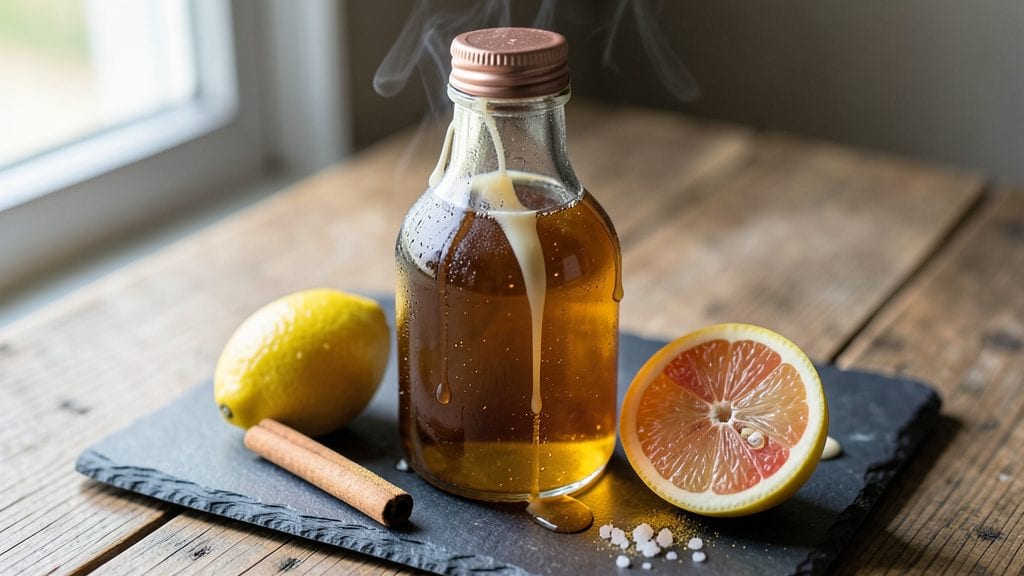
This monk fruit simple syrup recipe is the game-changer for anyone looking to sweeten cocktails, coffee, or desserts without the calories or blood sugar spikes. After testing countless versions, I’ve perfected a zero-calorie, foolproof method that dissolves completely and enhances flavors without overpowering them.
The key lies in the right ratio of monk fruit sweetener to water and a gentle simmer to ensure clarity and stability.
What sets this syrup apart is its versatility—it works seamlessly in everything from classic cocktails like margaritas to iced coffee and even fruit-based desserts. Unlike traditional simple syrups, this version won’t crystallize or leave a gritty texture, thanks to the unique properties of monk fruit extract.
The process is straightforward: combine monk fruit sweetener with water, heat gently, and let it cool into a smooth, ready-to-use liquid.
Once made, this syrup keeps for weeks in the fridge or months in the freezer, making it a pantry staple for health-conscious cooking and mixology.
The sweetness is intense but balanced, so a little goes a long way—perfect for those who want to control sugar intake without sacrificing flavor. Whether you’re crafting a sugar-free cocktail or drizzling it over fresh berries, this syrup delivers professional results with minimal effort.
For best results, use high-quality monk fruit sweetener (like Lakanto or Wholesome Sweeteners) and store it in an airtight container. The syrup’s neutral profile makes it ideal for both sweet and savory applications, from glaze for roasted vegetables to a sweetener for homemade granola.
Let’s get started on this simple yet transformative recipe!
Ingredients for monk fruit simple syrup
Seven ingredients transform into a versatile, zero-calorie sweetener perfect for cocktails and desserts.
| Ingredient | Amount | Notes |
|---|---|---|
| Monk Fruit Sweetener (Granulated) 🍯 | 1 cup | High-quality brand like Lakanto or Wholesome Sweeteners |
| Filtered Water 💧 | 1 cup | Room temperature preferred |
| Lemon Juice (Fresh) 🍋 | 2 tbsp | Brightens flavor and prevents crystallization |
| Vanilla Extract 🌿 | ½ tsp | Pure vanilla for depth of flavor |
| Sea Salt 🧂 | ¼ tsp | Diamond Crystal preferred for fine grain |
| Cinnamon Stick 🌳 | 1 whole | Optional for subtle warmth (remove before use) |
| Orange Peel (Fresh) 🍊 | 1 tbsp | Finely grated, for citrus brightness |
The monk fruit sweetener is the foundation—Lakanto or Wholesome Sweeteners are the gold standard for purity and solubility. Avoid blends with fillers like erythritol, which can create graininess. Costco or specialty health stores carry these brands in bulk, ensuring you get the finest quality. Fresh lemon juice is critical here; bottled versions lack the acidity needed to prevent crystallization during storage. For the orange peel, use only the zest—no pith—and store it in the freezer until ready to use to preserve its aromatic oils. The cinnamon stick adds subtle warmth without overpowering the delicate monk fruit flavor, but omit it if you prefer a completely neutral profile.
No lemon juice? Lime juice works equally well, though the flavor profile shifts slightly. Substitute vanilla extract with almond extract at half the amount for a nutty undertone. If you’re avoiding citrus entirely, a pinch of cream of tartar can help stabilize the syrup, though it lacks the brightening effect. For a spiced variation, swap the cinnamon stick for a 1-inch piece of fresh ginger or 2 cardamom pods. The orange peel can be omitted entirely if you’re using the syrup in savory applications like glaze for roasted vegetables—just increase the lemon juice to 3 tablespoons to compensate for the missing citrus notes. Always use filtered water; tap water with high mineral content can interfere with the sweetener’s dissolution.
This syrup achieves peak clarity after 24 hours of refrigeration, though it’s fully usable immediately. Store in an amber glass bottle or airtight container to block light, which can degrade the monk fruit’s stability over time. In the fridge, it remains potent for 4-6 weeks, while freezing extends its shelf life to 6 months. To use, simply shake gently before each application—no heating required. The syrup’s intense sweetness means you’ll use 1 teaspoon per drink or 1 tablespoon per dessert serving, making it an economical staple for health-conscious cooking. Portion into ice cube trays for single-serving precision in cocktails.
Why You'll Love This Recipe
- Five-Ingredient Magic: I swear by this recipe—just monk fruit, water, lemon, vanilla, and a pinch of salt. That’s it. No fussing with sugar crystals or waiting for it to dissolve; the monk fruit blends right in while keeping things light and bright.
- Citrus-Vanilla Bliss: The lemon juice cuts through the sweetness just enough to make it actually refreshing—not cloying. Add a splash of vanilla, and suddenly your iced tea, cocktails, or even oatmeal taste like a little vacation. (Between us, I’ve drizzled it on pancakes. Don’t judge.)
- Pantry Stash Ready: Make a big batch—it lasts forever in the fridge—and use it for everything. Sparkling water with a squeeze of lemon and a glug of syrup? Instant fancy soda. Dress up your coffee or yogurt? Boom. Even my picky teen asks for it in her water now.
- Zero-Guilt Sweetness: No refined sugar here, just monk fruit’s natural sweetness with none of the crash. It’s my go-to for when I want something sweet but don’t want to derail my day. Plus, a little goes a long way—you won’t need much to satisfy your cravings.
Step-by-step instructions for monk fruit simple syrup
This method delivers a perfectly balanced, zero-calorie sweetener ideal for cocktails and desserts.
Combine Sweetener and Water
In a medium saucepan, combine the 1 cup monk fruit sweetener (granulated) with the 1 cup filtered water. Use room temperature water to prevent crystallization during heating. Stir continuously over medium-low heat until the sweetener fully dissolves—this should take about 5-7 minutes. You'll notice the mixture thicken slightly as it warms, but it should remain smooth and clear.
Here's the thing—monk fruit sweetener dissolves more easily when heated gradually. If you see any undissolved granules, reduce heat slightly and stir more vigorously for an additional 1-2 minutes. The syrup should be completely transparent with no visible particles at this stage.
Add Citrus and Aromatics
Once the sweetener is fully dissolved, remove the pan from heat and stir in the 2 tablespoons lemon juice (fresh) and 1 tablespoon orange peel (fresh). The citrus acid prevents sugar crystallization and adds brightness to the final product. Add the 1 whole cinnamon stick (if using) and the 0.25 teaspoon sea salt, then return the pan to low heat. Let the mixture simmer gently for 5 minutes to infuse the flavors.
Keep the heat low to avoid scorching the citrus or developing bitter notes. You should smell a subtle citrus warmth from the cinnamon and orange peel, with a bright lemon top note. If you notice any bubbles forming, reduce heat immediately to maintain gentle simmering.
Finish with Vanilla and Strain
Remove the pan from heat and stir in the 0.5 teaspoon vanilla extract. Let the mixture steep off heat for 10 minutes to allow the vanilla to fully meld with the other flavors. This resting period ensures a cohesive flavor profile rather than distinct notes.
After steeping, strain the syrup through a fine-mesh sieve into a clean glass bottle or jar, pressing gently on the solids to extract maximum flavor. Discard the cinnamon stick and orange peel. The finished syrup should be clear with a golden hue from the citrus and vanilla, and it will have a smooth, velvety texture.
Cool and Store Properly
Allow the syrup to cool to room temperature before sealing. Store in an airtight container in the refrigerator for up to 3 months. The acidity from the lemon juice helps preserve the syrup, preventing bacterial growth. When using, bring to room temperature before incorporating into cocktails or desserts.
This syrup works beautifully in everything from gin and tonics to fruit salads. Its zero-calorie nature makes it perfect for health-conscious recipes while delivering rich, complex sweetness. The balanced flavor profile comes from the careful layering of citrus, vanilla, and subtle cinnamon warmth.
Pro Tips For Making Monk Fruit Simple Syrup
- Whisk Until Dissolved: Monk fruit sweetener is stubborn—don’t just stir and walk away. Heat the water to 160°F (71°C) first, then whisk vigorously for 30 seconds while pouring in the sweetener. I learned this the hard way after clumping syrup ruined a batch of cocktails.
- Use Cold Lemon Juice: Fresh lemon juice is best, but warm it up and the flavor flattens. Keep the bottle in the fridge until you’re ready to measure, then add it last—right after removing the syrup from heat. The acidity stays bright, and you’ll taste the difference.
- Salt at Room Temp: Sea salt clumps like crazy when cold. Take it out of the jar 5 minutes before using and let it sit on the counter. Sprinkle it in while whisking—this keeps it evenly distributed and prevents grainy bits in your syrup.
- Simmer, Don’t Boil: Monk fruit syrup burns faster than you’d think. Keep the heat low to medium-low—just enough to see tiny bubbles at the edges, not a rolling boil. I was skeptical until I tried it: no burnt edges, no bitterness.
Flavor customization for this recipe
Citrus Variations
Swap the lemon and orange for lime and grapefruit to create a tropical twist—perfect for mojitos or summer cocktails. Use 2 tbsp lime juice and 1 tbsp grapefruit zest instead, then add a ½-inch piece of fresh ginger for a zesty kick.
The grapefruit’s bitterness balances the sweetness beautifully, while the ginger adds warmth. For a berry-forward syrup, replace citrus entirely with 2 tbsp raspberry or blackberry purée and reduce the lemon juice to 1 tbsp to avoid overpowering the fruit flavors. 🍹
Spiced Infusions
Experiment with warm spices for cozy cocktails or desserts. Add ½ tsp ground cardamom or 2 cloves while simmering to create an aromatic Middle Eastern-inspired syrup. For a Mexican-inspired version, include 1 star anise pod and 2 black peppercorns alongside the cinnamon stick.
Remove all spices before straining to avoid grit. These variations work exceptionally well in spiced lattes or chai teas. The cardamom adds floral notes, while star anise brings a licorice-like depth that pairs perfectly with dark rum cocktails.
Herbal Enhancements
Infuse the syrup with fresh herbs for sophisticated flavors. Add 4 fresh basil leaves or 2 sprigs of rosemary during the final 5 minutes of simmering, then strain carefully. Basil creates a bright, herbal profile ideal for summer drinks like spritzes, while rosemary adds earthiness that complements citrus beautifully.
For a floral touch, steep 1 tbsp dried lavender in the warm syrup for 10 minutes before straining—this works wonderfully in lemonade or Earl Grey tea. Use these herbal syrups sparingly; their intensity grows stronger with storage.
Smoky Depth
Introduce smokiness by adding ½ tsp smoked sea salt (like Maldon Smoked Salt) or a 1-inch piece of charred wood chip (like apple or cherry) while simmering. The wood chip should be soaked in water for 10 minutes before adding to avoid burning.
Strain it out after simmering. This smoky variation elevates whiskey sours or BBQ-inspired desserts. For a milder approach, replace the cinnamon stick with ½ tsp chipotle powder—just be mindful of heat levels, as monk fruit’s sweetness can amplify spiciness. 🔥
Flavor Layering
Combine unexpected flavors for unique results. Try adding ½ tsp coconut extract alongside the vanilla for a tropical-coconut profile that works in piña coladas or smoothies.
For a coffee twist, steep 1 tbsp instant coffee granules in the warm syrup for 5 minutes before straining—this creates a syrupy coffee concentrate perfect for iced lattes. Another creative option is 1 tsp almond extract for a marzipan-like sweetness that pairs well with almond-flavored desserts.
These layered flavors add complexity without overpowering the monk fruit’s natural sweetness.
Sweetness Adjustments
Monk fruit’s intensity means you can reduce the sweetener by 20-30% if you prefer a subtler taste. For a ½ cup syrup version, use ½ cup monk fruit sweetener and ½ cup water, then adjust other ingredients proportionally.
If you want to enhance the syrup’s richness, add 1 tsp heavy cream or 1 tbsp coconut cream during the final steeping stage—this creates a velvety texture ideal for drizzling over desserts.
For a tart contrast, increase the lemon juice to 3 tbsp and reduce the sweetener by 1 tbsp to create a more balanced, tangy syrup perfect for savory glazes or palate-cleansing cocktails.
Nutrition facts
Frequently asked questions
Can I make this syrup without lemon juice?
Yes, but you’ll need to substitute with 1 tbsp vinegar (apple cider or white) or ½ tsp cream of tartar to prevent crystallization. The citrus acid is key for stability, though—without it, the syrup may separate over time. For a neutral profile, use lime juice instead, which works just as well for preservation.
How much syrup should I use in cocktails?
Start with ½ teaspoon per drink—monk fruit’s sweetness is 150-200x stronger than sugar. For a classic margarita, use 1 teaspoon (about 5ml). Taste as you go! The syrup’s intensity means a little goes a long way, especially in strong spirits like whiskey or rum where other flavors dominate.
Why did my syrup turn cloudy or grainy?
This usually happens from overheating or using low-quality monk fruit sweetener with fillers like maltodextrin. Keep heat at medium-low and stir constantly. For graininess, strain again through a fine-mesh sieve or let it sit overnight—most particles will settle. If cloudiness persists, the syrup may have fermented; discard and restart with fresh ingredients.
Can I use this syrup in savory dishes?
The neutral base works beautifully in glazes for roasted veggies (like carrots or Brussels sprouts) or as a drizzle for sushi. Reduce the sweetener by 30% and increase lemon juice to 3 tbsp for a tangy-sweet balance. Pair it with soy sauce or miso for umami depth. Just avoid high-heat cooking—monk fruit’s sweetness can caramelize unpredictably.
How do I adjust the syrup for baking?
Replace granulated sugar 1:1 in recipes, but reduce by 25% due to monk fruit’s intensity. For cookies or cakes, add 1 extra tbsp water per cup of syrup to compensate for its thicker consistency. Test small batches first—monk fruit doesn’t brown like sugar, so caramelization won’t occur. It works best in cheesecakes, mousses, or frostings where texture matters more than browning.