
Main Courses
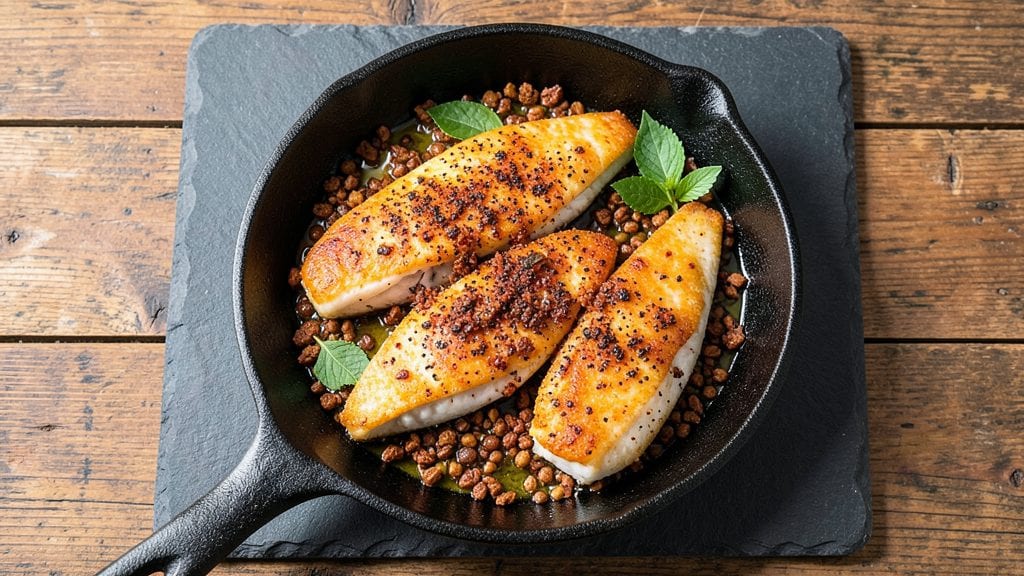
This Nigerian fried fish recipe delivers the crispy, golden bites that make every meal feel like a celebration. The secret lies in the spiced flour batter—where smoked paprika, cayenne, and stock cube create that signature crunch and depth.
I first tried this method during a family gathering when my aunt insisted on making fish just like she did growing up in Lagos, and it became an instant favorite.
The beauty of this recipe is in its simplicity and tradition. You’ll need just a few key ingredients: fresh white fish (like tilapia or cod), flour, spices, and oil for frying. The batter isn’t just about crispiness—it’s about flavor, with utazi leaves or locust beans adding that unmistakable Nigerian touch.
Frying at the right temperature ensures that perfect golden crust without making the fish greasy.
What you’ll end up with is fish so crispy on the outside it shatters slightly when you bite in, while the inside stays tender and flaky. The aroma alone—smoky, spicy, and slightly sweet—will have everyone gathered around the table.
Serve with dodo (coconut stew) or shakara (bean stew) for the full experience, or enjoy it as a standalone dish that feels like a hug in every bite.
This recipe is more than just a dish; it’s a taste of home, a tradition passed down through generations. Whether you’re cooking for a special occasion or a casual weeknight dinner, the result is always restaurant-quality—crispy, flavorful, and impossible to resist.
Let’s get started on making this classic dish your own.
Ingredients for nigerian fried fish
Fresh fish meets bold spices for a crispy, golden bite that tastes like home.
| Ingredient | Amount | Notes |
|---|---|---|
| White Fish Fillets 🐟 | 1 ½ lb | Tilapia or cod, skinless |
| All-Purpose Flour 🌾 | 1 ½ cups | For light, crispy batter |
| Smoked Paprika 🌶️ | 1 tbsp | Key for authentic flavor |
| Ground Cayenne Pepper 🔥 | 1 tsp | Adjust for heat preference |
| Dried Utazi Leaves (or Locust Beans) 🌿 | 1 tbsp | Traditional Nigerian flavor |
| Fish Stock Cube 🍲 | 1 whole | Knorr or Maggi brand |
| Baking Powder 🍞 | 1 tsp | For extra crispiness |
| Salt 🧂 | 1 tsp | Kosher or sea salt |
| Vegetable Oil 🫒 | 3 cups | For deep frying |
| Lemon Wedges 🍋 | 4 whole | For serving |
| Fresh Cilantro 🌿 | ¼ cup | Chopped, for garnish |
| Garlic Cloves 🧄 | 2 cloves | Minced, optional |
The fish is everything here—tilapia or cod work best, but any firm white fish will do. Look for fillets with a bright, translucent appearance and minimal fishy odor. Local seafood markets often have the freshest cuts, but grocery store fish counters are fine if you grab it the same day. The utazi leaves or locust beans (called 'iru' in Yoruba) are the secret to that authentic Nigerian depth—African markets or specialty stores usually carry them in powdered form. If you can't find them, a pinch of dried thyme plus smoked paprika gets you close.
No utazi? Dried thyme plus a dash of nutmeg mimics the earthy notes. Cayenne too spicy? Swap for half the amount of black pepper. The stock cube is non-negotiable—it adds that umami punch. Knorr or Maggi are the safest bets, but any fish stock cube works. For the oil, vegetable oil is best—it's neutral and stays hot longer than olive oil. Don't reuse oil for frying; it loses its crispiness after one batch. The lemon wedges? Freshly squeezed juice brightens the dish, but wedges for serving add that restaurant touch.
Fish stays best 1-2 days in the fridge if you're prepping ahead. The dry spices (paprika, cayenne, etc.) keep for 6 months in a cool, dark place. Once fried, serve immediately—this isn't a dish that reheats well. Portion into meal prep containers with a side of stew or rice for easy lunches. The batter mix (flour, spices, stock cube) can be prepped 1 day ahead and stored in an airtight container—just add the fish when ready to fry.
Why You'll Love This Recipe
- No-Fuss Crispiness: I swear by the flour-cayenne mix—just dredge, dip, fry. That golden crust happens every time, no fancy techniques needed.
- Smoky-Spicy Magic: Between the smoked paprika and utazi leaves (or locust beans), this isn’t just fried fish—it’s a flavor bomb. The heat lingers just right, like a hug from your favorite Nigerian aunt.
- Weeknight & Party Hero: Same recipe works for Tuesday dinners or Sunday gatherings. Serve with plantains for a full meal or as a snack—no one judges either way.
- Budget-Friendly Staple: Fish fillets stretch far, and the spices cost pennies. Leftovers? Reheat in a pan for crispy seconds, or toss into fried rice. Zero waste, all win.
Step-by-step instructions for Nigerian fried fish
Here's how to achieve that perfect crispy, golden crust every time—just like at your favorite Nigerian spot.
Prepare the Spiced Flour Coating
In a large bowl, combine the 1½ cups all-purpose flour, 1 tablespoon smoked paprika, 1 teaspoon ground cayenne pepper, 1 tablespoon dried utazi leaves (or locust beans), 1 teaspoon baking powder, and 1 teaspoon salt. Mix thoroughly with a whisk until the spices are evenly distributed and no flour clumps remain.
This spice blend is what gives Nigerian fried fish its signature flavor and crispy texture. I like to press the spices gently into the flour with my fingers to break up any remaining lumps—this ensures every bite has that perfect balance of smoky, slightly spicy, and umami-rich coating.
Season and Coat the Fish Fillets
Pat the 1½ pounds white fish fillets completely dry with paper towels. This step is crucial—any moisture will prevent the coating from sticking properly and result in a soggy texture. Season both sides of each fillet with a pinch of salt, then dredge them lightly in the spiced flour mixture.
Shake off any excess flour so only a thin, even layer remains. For best results, let the coated fillets sit for 5 minutes on a wire rack. This allows the flour to adhere more firmly and creates that signature crispy crust. Don't skip this resting time—it makes all the difference in texture.
Fry the Fish to Golden Perfection
Heat the 3 cups vegetable oil in a deep skillet or Dutch oven over medium-high heat until it reaches 350°F. Use a thermometer to monitor the temperature—this precision ensures even cooking without burning. Carefully add the fish fillets in a single layer, being careful not to overcrowd the pan.
Fry for 3-4 minutes per side until the fish turns a deep golden brown and the coating is crispy. You'll know it's ready when the edges are golden and the fish releases easily from the pan. Avoid flipping too soon—the coating needs time to set properly. Remove the fried fish to a paper towel-lined plate to drain excess oil.
Serve with Fresh Garnishes
While the fish is still hot, garnish each serving with 2 minced garlic cloves and ¼ cup chopped fresh cilantro. The garlic adds a subtle depth of flavor, while the cilantro brings a bright, fresh contrast to the rich, spiced fish. Serve immediately with the 4 lemon wedges on the side for that classic Nigerian touch.
Here's the thing—this dish tastes best when served right away while the coating is still crispy. The lemon wedges aren't just for decoration; they cut through the richness and add a tangy brightness that balances all those wonderful spices. Enjoy with your favorite sides like jollof rice or fried plantains for the complete experience.
Pro Tips For Making Nigerian Fried Fish
- PAT THE FISH DRY: Skip the soggy crust by pressing the fillets between paper towels—wet skin ruins the flour adhesion. I learned this the hard way after frying fish that turned out mushy instead of crispy.
- SEAR IN BATCHES: Crowd the pan, and the oil temperature drops like a rock. Fry 2-3 fillets at a time over medium-high heat—consistent sizzling means golden crust, not greasy mess.
- TOAST THE UTAZI: Dry-roast the utazi leaves (or locust beans) in a dry pan for 30 seconds first—this deepens their nutty flavor. I was skeptical until I tried it; now it’s non-negotiable.
- USE CAYENNE SPARINGLY: A pinch of cayenne adds heat, but too much overpowers the smoky paprika. Start with ½ teaspoon, taste the batter, then adjust—you can always add more, not take it out.
Pro cooking tips for great nigerian fried fish
Oil Temperature Control
Nigerian fried fish demands precise oil temperature—anything less than 350°F results in greasy, soggy fish, while too hot (375°F+) burns the coating before the fish cooks through.
I use a ThermoWorks digital thermometer to monitor the oil, and I’ve learned that vegetable oil maintains heat better than olive oil for deep-frying. Let the oil heat for 5-7 minutes before adding the fish to ensure it’s fully up to temperature. 🌡️
Double-Dredging Secret
For an extra-crispy coating, try the double-dredging method: After coating the fish once, dip it back into beaten egg (or a light flour-egg slurry) and then coat with flour again. This creates a three-layer crust that stays crispy longer.
I use 1 egg beaten with 1 tablespoon water for the middle layer—this helps the second flour coating adhere better. The result? A shatteringly crisp exterior that holds up even when served with saucy sides like dodo.
Fish Placement Matters
Never overcrowd the pan—fry in batches if needed. I use a slotted spoon to carefully lower each fillet into the oil, placing them side by side rather than stacked. This ensures even heat distribution and prevents the fish from steaming instead of frying.
If you’re frying thicker cuts (like tilapia steaks), increase the time to 4-5 minutes per side—use a meat thermometer to confirm the internal temp reaches 145°F.
Resting Before Serving
After frying, transfer the fish to a wire rack (not a plate) to drain excess oil for 2-3 minutes. This step prevents the coating from becoming soggy when garnished.
I also like to sprinkle the fish with ½ teaspoon of smoked paprika right after frying—it adds a final smoky kick and helps the coating set. Serve immediately while the crust is still crunchy and golden, not softened. ⏰
Utazi Substitutes
If you can’t find utazi leaves or locust beans, blend 1 teaspoon dried thyme with ½ teaspoon ground nutmeg for a similar earthy depth. For extra umami, add ½ teaspoon of fish sauce (like Red Boat) to the flour mixture.
I’ve also had success using 1 teaspoon of dried basil mixed with ¼ teaspoon of ground coriander—it’s not identical, but it keeps the dish flavorful. The key is balancing the spices so they complement, not overpower, the fish.
Oil Reuse Rules
Vegetable oil can be reused once for frying Nigerian fish, but only if you strain out food particles with a fine-mesh sieve after the first batch. For the second fry, reduce the heat slightly to 340°F—the oil will be less stable after the first use.
I never reuse oil a third time, as it breaks down and loses its ability to create a crispy coating. Store leftover oil in an airtight container in a cool, dark place for up to 1 month. 💡
Nutrition facts
Frequently asked questions
What type of fish works best for this Nigerian fried recipe?
Firm, white fish like tilapia or cod are ideal—they stay tender while developing that perfect crispy crust. Avoid delicate fish like sole or flounder, as they can fall apart when frying. For extra flavor, try freshwater catfish (like clarias), which is popular in Nigerian cuisine and holds up well to the batter.
Can I make the batter ahead of time?
Yes! The dry spice mixture (flour, paprika, cayenne, etc.) can be prepped 1 day ahead and stored in an airtight container. Just mix it with the fish stock cube right before coating the fillets. The batter itself shouldn’t be made too early—moisture from the stock cube can make it clump.
How do I keep the fish from sticking to the pan?
Pat the fish bone-dry with paper towels before coating—this is the #1 trick! Also, ensure your oil is at 350°F and use a slotted spoon to gently lower the fish in. If it still sticks, your oil might be too cool or the fish wasn’t dry enough.
What’s the best way to reheat leftover fried fish?
Reheating is tricky—this dish is best enjoyed fresh! If you must, use the air fryer at 350°F for 3-4 minutes to restore some crispiness. Avoid the microwave, as it turns the coating soggy. For extra crunch, sprinkle with breadcrumbs and air-fry again.
Can I use this batter for other proteins?
This same spiced flour works great for chicken thighs or shrimp. For chicken, increase frying time to 5-6 minutes per side until golden. Shrimp should cook in 1-2 minutes per batch—they’re done when they float and turn opaque. The utazi substitute tips apply here too!