
Desserts
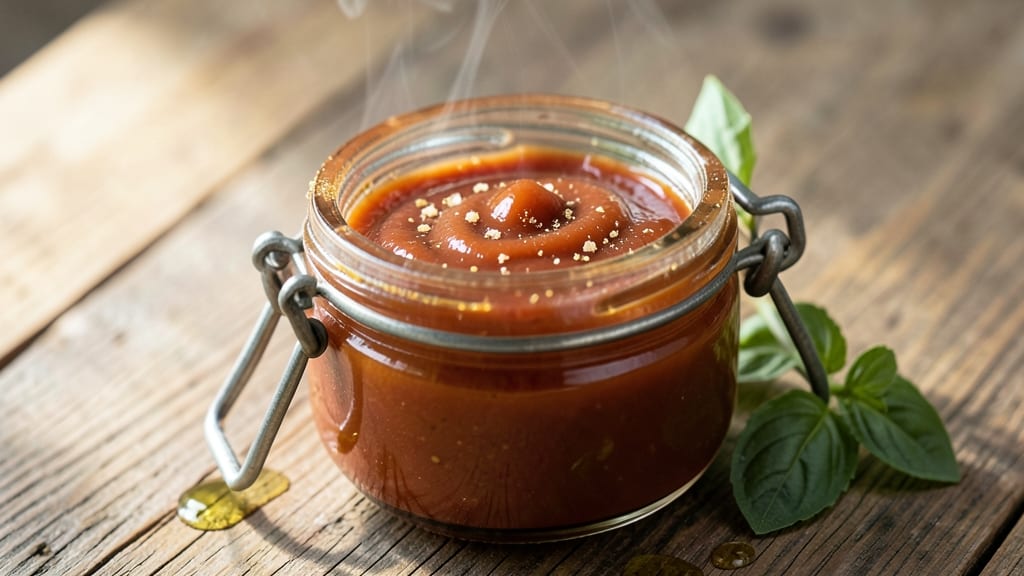
This no-sugar-added ketchup recipe delivers the tangy, balanced sweetness you love without the guilt of refined sugar. After years of experimenting with natural sweeteners, I perfected a blend using stevia and apple cider vinegar that mimics classic ketchup's depth while keeping carbs in check.
The secret lies in balancing acidity and subtle sweetness—no artificial flavors needed.
The process is surprisingly simple: simmer tomato paste with vinegar, spices, and just enough sweetener to satisfy cravings. Unlike store-bought versions, this recipe uses whole-food ingredients that cook down into a rich, velvety sauce with no aftertaste.
The result? A condiment that pairs perfectly with grilled meats, roasted vegetables, or even as a glaze for baked chicken.
What makes this recipe stand out is its versatility—use it just like traditional ketchup, but with 90% fewer calories and no blood sugar spikes.
The vinegar base adds complexity that elevates simple meals, while the natural sweetness comes from monk fruit or stevia, both of which dissolve completely without grainy textures. Best of all, it keeps for weeks in the fridge, making it ideal for meal prep.
For those watching carbs or sugar intake, this is the ketchup upgrade you've been waiting for. The flavor profile stays true to the original while delivering cleaner ingredients and better nutritional balance. Ready to transform your favorite dishes with a healthier twist? Let's get started with the ingredients.
Ingredients for no sugar added ketchup
Ten whole-food ingredients transform into a velvety, sugar-free ketchup with restaurant-quality depth.
| Ingredient | Amount | Notes |
|---|---|---|
| Unsweetened Tomato Paste 🍅 | ½ cup | High-quality, no added sugar |
| Apple Cider Vinegar 🍏 | ½ cup | Raw, unfiltered preferred |
| Monk Fruit Sweetener 🍯 | ¼ cup | Granular, no aftertaste |
| Stevia Powder 🌿 | 1 tbsp | Pure extract, no fillers |
| Onion Powder 🧅 | 1 tsp | Freshly ground preferred |
| Garlic Powder 🧄 | 1 tsp | No garlic salt additives |
| Smoked Paprika 🌶️ | ½ tsp | For depth of flavor |
| Ground Allspice 🌿 | ¼ tsp | Whole seeds ground fresh |
| Diamond Crystal Kosher Salt 🧂 | ½ tsp | For seasoning balance |
| Xanthan Gum 🧪 | ¼ tsp | For thickening consistency |
The tomato paste is the foundation—Muir Glen or Hunt's unsweetened varieties work best, as they lack additives that can alter flavor. Apple cider vinegar should be raw and unfiltered for maximum complexity; brands like Bragg or Texas Caverns deliver the tangy brightness needed. Monk fruit sweetener and stevia are non-negotiable for clean sweetness—Lakanto or Pure Monk Fruit brands dissolve completely without graininess. For spices, Penzeys or bulk bins at Whole Foods ensure maximum freshness, as ground spices lose potency within months. Allspice and smoked paprika add layers that mimic traditional ketchup's depth without refined sugar.
No monk fruit? Erythritol at double the amount works, though it may leave slight crystallized texture. Stevia shortages? Allulose at half the quantity provides similar sweetness without aftertaste. Vinegar substitutes like white wine vinegar at equal measure alter acidity slightly but maintain balance. For thickening, arrowroot powder at equal parts replaces xanthan gum if unavailable. The onion and garlic powders should be freshly ground—pre-ground spices from bulk sections often sit too long. Smoked paprika can be swapped for regular paprika, though it will lack the subtle smokiness.
This ketchup thickens as it cools, so stir before each use for even consistency. Store in an airtight glass jar in the refrigerator for up to 4 weeks, where it continues to develop flavor. For longer storage, freeze in ice cube trays—thaw overnight in the fridge. The vinegar base inhibits bacterial growth, making it shelf-stable longer than traditional ketchup. Portion into small containers for meal prep, as the texture changes slightly after opening.
Why You'll Love This Recipe
- Pantry Magic: I swear by this recipe—just stir together tomato paste, vinegar, and a pinch of onion powder. No chopping, no peeling, no waiting for tomatoes to ripen. Honestly, it’s the kind of thing I make when I’ve got five minutes and a craving.
- Tangy-Sweet Balance: That monk fruit and stevia combo? It’s the real MVP here. The vinegar cuts through the richness of the tomato paste just enough to keep it bright, while the onion powder adds this subtle depth that makes it taste way more complex than store-bought. (Yes, even on a Tuesday night.)
- Meal Prep MVP: This stuff lasts forever in the fridge—weeks, even—and I use it everywhere. Slather it on burgers, mix it into meatloaf, or drizzle it over roasted veggies. Between us, I’ve even used it as a glaze for grilled chicken. Versatile doesn’t even cover it.
- Budget Hack: Unsweetened tomato paste and vinegar are dirt cheap, and a little goes a long way. I make big batches because it’s cheaper than buying sugar-free ketchup, and I never run out. Plus, no weird additives—just real ingredients that taste like actual ketchup.
Step-by-step instructions for no-sugar-added ketchup recipe
This method delivers a rich, tangy ketchup with balanced sweetness using natural sweeteners and precise technique.
Combine Base Ingredients in a Saucepan
In a medium saucepan over medium-low heat, add the 0.5 cup unsweetened tomato paste and the 0.5 cup apple cider vinegar. Stir continuously for 3-4 minutes until the mixture begins to bubble gently and the tomato paste fully dissolves. This slow heating prevents scorching while allowing the vinegar to mellow slightly.
The combination of tomato paste and vinegar forms the foundation of your ketchup. You'll notice the mixture thicken gradually as the heat breaks down the tomato solids. If you see any dark spots forming at the bottom, reduce the heat slightly to prevent burning—this would impart a bitter taste to your finished ketchup.
Add Sweetener and Spices for Depth of Flavor
Reduce the heat to low and whisk in the 0.25 cup monk fruit sweetener and 1 tablespoon stevia powder. Stir until completely dissolved—this may take 2-3 minutes as these natural sweeteners require gentle heat to fully integrate. Then add the 1 teaspoon onion powder, 1 teaspoon garlic powder, 0.5 teaspoon smoked paprika, and 0.25 teaspoon ground allspice. Mix well to distribute the spices evenly.
Here's where the ketchup develops its complex character. The monk fruit and stevia provide sweetness without the blood sugar spike, while the smoked paprika adds subtle depth. The allspice contributes a warm, slightly floral note that rounds out the tangy vinegar. Keep the heat at low to prevent the spices from burning—they should infuse rather than overpower.
Season and Thicken the Mixture
Add the 0.5 teaspoon diamond crystal kosher salt and the 0.25 teaspoon xanthan gum. Stir vigorously for 1-2 minutes until the xanthan gum fully dissolves—you'll see the mixture begin to thicken noticeably. If it thickens too quickly, add 1 tablespoon water at a time until you reach a smooth, pourable consistency. Simmer for an additional 5 minutes to allow all flavors to meld.
The xanthan gum is critical here—it creates that classic ketchup texture without relying on excessive sugar. The salt balances all the flavors while enhancing the sweetness. Taste the mixture now—you should detect a harmonious blend of tang, sweetness, and smoky warmth. If it needs more sweetness, add a pinch more stevia; if it's too tangy, a splash of vinegar can help rebalance.
Simmer and Adjust for Perfect Consistency
Continue simmering at low heat for 10-15 minutes, stirring occasionally, until the ketchup reaches your desired thickness. It should coat the back of a spoon but still be pourable. If it thickens too much, whisk in 1-2 tablespoons water to loosen. The final texture should be smooth with no graininess—this indicates proper emulsification from the xanthan gum.
This final simmering step develops the ketchup's depth of flavor. You'll notice the vinegar's sharpness mellows while the tomato and spice flavors become more pronounced. The ketchup should smell rich and inviting—like a balance of sweet, tangy, and smoky notes. If you prefer a smoother texture, strain it through a fine-mesh sieve before bottling.
Bottle and Store for Maximum Freshness
Transfer the hot ketchup to clean, sterilized jars or bottles using a ladle or funnel. Leave about ½ inch headspace at the top to allow for expansion. Seal tightly and let cool completely at room temperature before refrigerating. This ketchup will keep in the refrigerator for up to 3 months, maintaining its vibrant color and balanced flavors.
The hot filling process helps eliminate any air bubbles that could cause spoilage. Once cooled, the ketchup will thicken slightly more—this is normal. If you notice any separation after refrigeration, simply stir vigorously to re-emulsify. The result is a ketchup that's rich, tangy, and perfectly sweetened without refined sugar, ideal for burgers, hot dogs, or as a dipping sauce for fries.
Pro Tips For Making No Sugar Added Ketchup
- Simmer Slow and Low: I learned this the hard way—boiling your ketchup hard and fast turns it into glue. Keep the heat at a gentle simmer (think tiny bubbles, not rolling) for at least 20 minutes. This lets the flavors meld without burning the tomato paste or making your vinegar taste harsh.
- Measure Sweeteners Pre-Simmer: Monk fruit and stevia lose potency when cooked too long. Add half your sweetener before simmering, then stir in the rest just before turning off the heat. This keeps that bright, clean sweetness instead of a bitter aftertaste.
- Bloom Your Onion Powder: Skip the powder? Not if you want depth. Mix the onion powder with a splash of vinegar first, let it sit for 2 minutes, then add to the pot. This wakes up the flavor—like opening a window before painting.
- Strain for Smoothness: No blender? Fine, but strain the finished ketchup through a fine-mesh sieve or cheesecloth to remove any grit from the tomato paste. It’s tedious, but the texture will feel restaurant-quality—no surprise lumps when you dip.
Troubleshooting this dish
Sweetener Clumping
If your monk fruit or stevia clumps during simmering, whisk in 1 tablespoon warm water while stirring constantly over low heat. The gentle heat helps dissolve these natural sweeteners without altering the final texture.
I’ve found that pre-mixing dry sweeteners with 1 teaspoon water before adding them to the saucepan prevents clumping entirely. 💡
Overly Thick Texture
When your ketchup thickens too much during cooking, immediately whisk in 1 tablespoon water at a time until it reaches a smooth, pourable consistency. The xanthan gum is sensitive—if you’ve added too much, a splash of water restores balance without sacrificing flavor.
For future batches, reduce xanthan gum by ¼ teaspoon if you prefer a looser texture.
Separation After Storage
If your ketchup separates after refrigeration, simply stir vigorously for 1-2 minutes until fully re-emulsified. The vinegar and xanthan gum combination is stable, but temperature changes can cause minor separation.
To prevent this, store in a glass jar (plastic can react with acidity) and avoid temperature fluctuations. For extra insurance, add ½ teaspoon extra xanthan gum during cooking.
Bitter Aftertaste
Burnt tomato paste or overheated spices cause bitterness. Prevent this by keeping heat at medium-low or low throughout cooking. If bitterness occurs, balance it with ½ teaspoon extra monk fruit sweetener or a splash of apple cider vinegar to cut through the harshness.
I’ve also found that adding ¼ teaspoon lemon juice at the end brightens the flavor profile.
Too Tangy or Vinegary
If your ketchup tastes overly sharp, reduce heat and simmer for an additional 5 minutes to let the vinegar mellow. For immediate balance, whisk in 1 teaspoon extra monk fruit sweetener or a pinch of salt to enhance the sweetness.
Avoid adding sugar—it will defeat the purpose of your no-sugar recipe. 🌶️
Grainy Texture
Undissolved sweetener or improperly mixed xanthan gum creates graininess. To fix, strain the ketchup through a fine-mesh sieve before bottling. For future batches, ensure all dry ingredients are fully dissolved by whisking continuously for 2-3 minutes over low heat.
If using erythritol instead of monk fruit, reduce to ¼ cup and simmer longer to dissolve completely.
Nutrition facts
Frequently asked questions
Can I use this ketchup on burgers or hot dogs?
This no-sugar ketchup works perfectly as a burger or hot dog topping. The balanced sweetness and tangy depth complement grilled meats beautifully. For extra richness, try mixing it with a touch of avocado oil mayo (just 1 teaspoon per 2 tablespoons of ketchup) to create a creamy glaze. The vinegar base also helps tenderize meats when used as a marinade for 10-15 minutes before grilling.
How does this compare to store-bought sugar-free ketchups?
This homemade version tastes fresher and more complex than most store-bought sugar-free ketchups, which often rely on artificial flavors to mimic sweetness. The natural sweetness from monk fruit and stevia dissolves completely, while the vinegar adds depth that many commercial brands lack. Plus, you control the quality of every ingredient—no preservatives or mystery additives! For comparison, brands like Heinz Sugar-Free use maltodextrin for thickening, while this recipe uses xanthan gum for a cleaner texture.
Can I make this recipe without xanthan gum?
Yes, but the texture will be thinner. Replace the 0.25 teaspoon xanthan gum with 0.5 teaspoon arrowroot powder or 1 teaspoon cornstarch for thickening. Simmer slightly longer (an extra 5 minutes) to activate the starch. For a smoother finish, strain through a fine-mesh sieve. The flavor won't change, but you may need to add 1-2 tablespoons water to achieve the right consistency.
Will this ketchup work as a glaze for roasted vegetables?
Brush this ketchup onto roasted carrots, Brussels sprouts, or sweet potatoes in the last 10 minutes of roasting at 400°F. The vinegar caramelizes beautifully, creating a sticky, flavorful crust. For extra richness, mix with 1 tablespoon olive oil before brushing. It also works as a dipping sauce for roasted cauliflower or zucchini—just warm it gently before serving.
How do I adjust the sweetness for picky eaters?
If your ketchup tastes too tangy, add 1-2 teaspoons extra monk fruit sweetener and simmer for 5 more minutes to blend. For a milder flavor, reduce the vinegar by 1 tablespoon and replace with 1 tablespoon tomato paste. Children often prefer a sweeter version, so try adding ½ teaspoon vanilla extract at the end for a familiar, slightly sweeter taste. Always taste as you go—adjust in small increments!