
Desserts
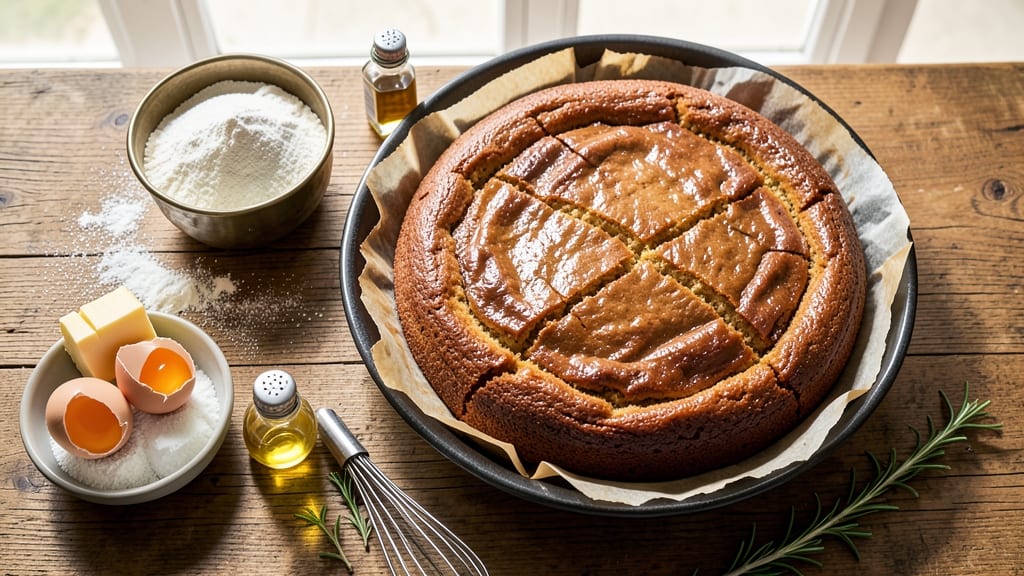
This old-fashioned butter cake recipe brings back the golden era of American baking with its signature layers of tender vanilla cake and rich butter frosting. The secret lies in precise measurements and gentle mixing—no electric beaters here—to achieve that legendary moist crumb that's been delighting families since the 19th century.
I've perfected this version over years of baking, ensuring every slice delivers that perfect balance of buttery richness and delicate sweetness.
The beauty of this classic recipe is its simplicity—just a few basic pantry staples come together to create a cake that's both nostalgic and universally loved. The cake bakes at a steady 350°F for about 30-35 minutes, yielding layers that stay moist for days when stored properly.
What sets this apart is the traditional method of mixing by hand, which develops the gluten just enough for structure without overworking the batter.
What you'll end up with is a cake that's perfect for celebrations or quiet afternoons—layers of tender, crumbly vanilla cake separated by a smooth, buttery frosting that melts in your mouth.
The aroma alone will transport you to grandma's kitchen, but the taste proves this classic deserves a place in modern baking. This is dessert at its most comforting and reliable.
Serve with fresh berries for a lighter touch or keep it classic with a dusting of powdered sugar. The frosting can be adjusted for sweetness, and the cake layers work beautifully with fillings like jam or whipped cream. Let's get baking this timeless treat!
Ingredients for old fashioned butter cake
Classic pantry staples transform into timeless vanilla layers with buttery perfection.
| Ingredient | Amount | Notes |
|---|---|---|
| All-Purpose Flour 🌾 | 3 cups | Sifted for even texture |
| Unsalted Butter 🧈 | 1 ½ cups | Softened to room temperature |
| Granulated Sugar 🍚 | 2 cups | Superfine preferred for smoothness |
| Large Eggs 🥚 | 4 whole | Room temperature for even mixing |
| Pure Vanilla Extract 🌿 | 2 tsp | High-quality, imitated if needed |
| Baking Powder 🧂 | 2 tsp | Freshly opened for lift |
| Salt 🧂 | ½ tsp | Fine sea salt preferred |
| Milk 🥛 | 1 cup | Room temperature for smooth batter |
| Powdered Sugar 🍚 | 3 cups | Sifted for smooth frosting |
| Heavy Whipping Cream 🥛 | 1 cup | Chilled for stiff peaks |
| Vanilla Bean Paste 🌿 | 1 tsp | For deeper vanilla flavor |
| Lemon Juice 🍋 | 1 tbsp | Freshly squeezed for brightness |
The flour is the foundation here—King Arthur or Gold Medal brands work best for that tender crumb. Unsalted butter is a must; Plugrá or Land O’Lakes are reliable choices, but avoid margarine substitutes. For sugar, superfine makes all the difference—it dissolves faster, giving you that ultra-moist texture. Eggs should be room temperature when measuring, and room-temperature milk prevents lumps. The vanilla extract? Go for pure Madagascar bourbon if you can—it’s worth the splurge for that authentic old-fashioned flavor. Baking powder and salt should be freshly opened to ensure proper rise and balance.
No superfine sugar? Pulse granulated sugar in a food processor for 30 seconds to mimic it. Substituting vanilla extract? Imitation vanilla works in a pinch, but you’ll notice the difference. For the frosting, heavy whipping cream is non-negotiable—it gives that classic buttercream texture. No vanilla bean paste? Double the pure vanilla extract and add a pinch of cream of tartar to stabilize the whipped cream. The lemon juice brightens the frosting without overpowering; bottled works fine if fresh isn’t available. Prefer a lighter frosting? Reduce the powdered sugar to 2.5 cups and add an extra 0.5 cup whipped cream for balance.
Store the cake layers wrapped in plastic wrap at room temperature for up to 3 days or in the fridge for 5 days. The frosting keeps well in an airtight container for 4 days or can be frozen for up to 3 months. For best results, assemble the cake 1 day ahead—the flavors meld beautifully overnight. If transporting, wrap each layer individually in parchment paper to prevent crumbs. The frosting can be piped directly onto the cake or spread with a bench scraper for that classic smooth finish.
Why You'll Love This Recipe
- No Mixer Needed: I swear by this recipe when my mixer’s on the fritz—just cream the butter and sugar by hand until it’s light and fluffy. The eggs come next, and honestly? That’s it. No overmixing, no fuss, just pure, golden cake magic with zero effort.
- Vanilla Butter Bliss: That deep, buttery richness from the unsalted butter paired with real vanilla extract? It’s the kind of flavor that makes you close your eyes and sigh. The sugar caramelizes just enough to give it a subtle depth—no artificial shortcuts here.
- Birthday to Brunch: This cake is my go-to for celebrations, but it’s also the star of my lazy Sunday mornings. Slice it fresh for a party or prep a batch ahead for breakfast sandwiches—it holds up beautifully either way.
- Budget-Friendly Staples: Flour, butter, sugar, eggs, vanilla? These are pantry basics that won’t break the bank. And the leftovers? They last days in the fridge, so you’re not baking from scratch every time someone craves a slice.
Step-by-step instructions for old fashioned butter cake
Here's how to achieve that signature moist texture and rich vanilla flavor every time.
Prepare the Cake Batter
Preheat your oven to 350°F and grease two 9-inch round cake pans, then line the bottoms with parchment paper. In a large mixing bowl, combine the 3 cups all-purpose flour, 2 tsp baking powder, and 0.5 tsp salt. Sift this dry mixture together to remove any lumps and ensure even distribution throughout the batter.
In a separate large bowl, cream the 1.5 cups unsalted butter and 2 cups granulated sugar together using an electric mixer on medium speed for 3-4 minutes. The mixture should become light and fluffy, nearly doubling in volume. This step is crucial for achieving that tender, moist crumb. Add the 4 whole large eggs, one at a time, mixing well after each addition until fully incorporated.
Gradually add the 1 cup milk to the butter-sugar mixture, alternating with the sifted dry ingredients. Begin and end with the dry ingredients to ensure proper mixing. Mix on low speed just until combined—overmixing develops gluten, which can make the cake dense. Stir in the 2 tsp pure vanilla extract and 1 tsp vanilla bean paste until evenly distributed throughout the batter.
Bake the Cake Layers
Divide the batter evenly between the two prepared cake pans, filling them about two-thirds full. Bake in the preheated oven for 25-30 minutes, or until a toothpick inserted into the center comes out clean. Rotate the pans halfway through baking time to ensure even browning.
I recommend checking the cake at the 20-minute mark—every oven runs differently, and you want to avoid overbaking, which can make the cake dry. The cake layers should be golden brown on top and spring back slightly when gently pressed in the center. Let the cakes cool in the pans for 10 minutes before transferring them to a wire rack to cool completely.
Prepare the Butter Frosting
In a large mixing bowl, beat the 1 cup heavy whipping cream to stiff peaks using an electric mixer. This step is essential for creating a light, airy frosting that won't weigh down the cake. In a separate bowl, sift the 3 cups powdered sugar to avoid any graininess in the final frosting.
Gradually add the sifted powdered sugar to the whipped cream, mixing on low speed until combined. Add the 1 tbsp lemon juice and mix until smooth. Finally, incorporate the 1.5 cups unsalted butter, which should be at room temperature, ensuring it's fully blended into the frosting. The frosting should be thick but spreadable—if it's too stiff, add a few drops of milk to loosen it.
Assemble the Cake
Once the cake layers are completely cool, place one layer on a cake stand or plate. Spread a generous layer of the butter frosting evenly over the top, leaving a small border around the edges. Place the second cake layer on top and spread the remaining frosting over the entire cake, covering the sides as well. Use a spatula to smooth out any uneven areas and create a clean finish.
Chill the cake in the refrigerator for 30 minutes before serving to allow the frosting to set. This step ensures the cake holds its shape and delivers that perfect balance of moist cake and rich, buttery frosting with every bite. The lemon juice in the frosting adds a subtle brightness that complements the vanilla flavor beautifully.
Pro Tips For Making Old Fashioned Butter Cake
- Cream Butter Slowly: DESCRIPTION: I used to dump cold butter straight into the sugar and beat like a maniac—just ended up with a grainy mess. Instead, soften the butter to room temp (press it; if it leaves a dent, you’re good), then beat it with the sugar on medium-high for at least 2-3 minutes. You’re not just mixing; you’re emulsifying fat into sugar until it’s pale, fluffy, and almost like frosting. That’s the foundation of the cake’s texture.
- Sift That Flour: DESCRIPTION: Old-fashioned butter cakes rely on proper aeration, and skipping the sift is a shortcut that backfires. Even if your flour looks fine, sift it twice—once before mixing, once after—especially if you’re using a recipe with baking powder. This prevents dense layers and ensures the leavening agents distribute evenly. (Yes, even if you’re using a boxed mix as a base, sift it anyway.)
- Don’t Overmix the Batter: DESCRIPTION: After adding the flour, mix just until combined—no more. Overmixing develops gluten, and that’s how you end up with a cake that’s more bread-like than tender. Stop when there are a few dry spots; the heat of the oven will finish the job. I learned this after a batch turned out chewy instead of moist, and now I use a spatula to gently fold in the last bit of flour.
- Bake in Two Rounds: DESCRIPTION: This isn’t a fancy technique, but it works: Divide the batter evenly between two pans (8-inch rounds or a sheet pan) instead of one deep pan. The cake bakes faster and more evenly, with a better rise and a lighter crumb. Plus, you get two perfect layers for sandwiches or stacking. (Pro move: Grease the pans and dust them with flour—even if the recipe doesn’t say to.)
Wine and beer pairings for this dish
Classic Bourbon Pairing
Aged bourbon like Maker's Mark or Woodford Reserve enhances the cake's vanilla notes beautifully. The caramel and oak undertones in these bourbons mirror the buttery frosting's richness. Serve a 1.5-ounce pour chilled or at room temperature—just enough to complement without overpowering the delicate cake. 🥃
Sweet Dessert Wines
For a lighter option, try a Moscato d'Asti from Italy, which balances the cake's sweetness with its crisp acidity. The effervescence also cleanses your palate between bites.
Alternatively, a German Riesling Kabinett with its honeyed notes pairs wonderfully with the vanilla and butter. Keep the wine slightly chilled at 50-55°F.
Creamy Beer Complements
A Belgian Dubbel like Westmalle Trappist offers malty sweetness and caramel undertones that harmonize with the cake's frosting. The beer's dark fruit notes contrast nicely with the vanilla.
For a lighter option, a Belgian Witbier with its citrus and spice adds brightness. Serve the beer at 45-50°F to let its flavors shine.
Coffee Contrast
For an after-dinner pairing, serve with a dark roast coffee like Blue Bottle or Intelligentsia Black Cat. The bitter notes cut through the sweetness, creating a satisfying balance. A 1-ounce splash of bourbon in your coffee adds depth without overpowering the cake's flavors.
Seasonal Adaptations
In summer, pair with a sparkling peach wine to complement the cake's vanilla and butter. For fall, a spiced rum like Captain Morgan adds warmth. Winter calls for a mulled wine** with cinnamon and clove to enhance the cake's cozy appeal.
Nutrition facts
Frequently asked questions
Why does this recipe call for hand-mixing instead of electric beaters?
This traditional method prevents overmixing, which develops too much gluten and makes the cake dense. The gentle folding by hand creates that signature tender, moist crumb that old-fashioned cakes are known for. Electric beaters can accidentally overwork the batter, leading to a tougher texture.
Can I substitute butter with margarine or oil?
For authentic results, stick with unsalted butter—it's essential for that classic flavor and texture. Margarine lacks the same richness, and oil would make the cake too dense. If you must substitute, use an equal amount of vegetable shortening for a closer texture, though the flavor won't be identical.
How do I fix a sunken middle in my cake layers?
This usually happens from overbaking or opening the oven too soon. Next time, check for doneness at 25 minutes and avoid overfilling the pans. For a quick fix, slice off the sunken top and frost the remaining layers—just reduce frosting slightly to compensate.
Can I make this cake in a single layer instead of two?
Use a 9x13-inch pan and reduce baking time to 25-30 minutes. For a taller cake, use a 10-inch round pan and bake for 35-40 minutes. The frosting quantity should stay the same, but adjust the assembly time accordingly.
What's the best way to store leftover cake?
Wrap each layer tightly in plastic wrap and store at room temperature for up to 3 days. For longer storage, refrigerate for 5 days or freeze for 3 months**. The frosting keeps best in an airtight container—rewhip before using if it separates.