
Desserts
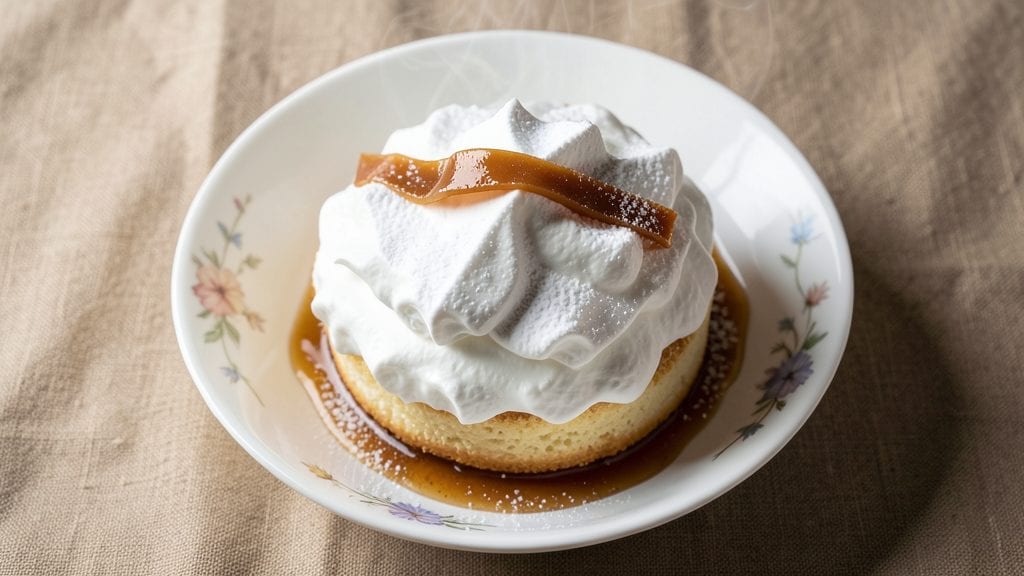
This old-fashioned cloud cake recipe delivers the signature ethereal texture that makes every bite feel like melting silk. The secret lies in perfectly whipped egg whites folded into delicate layers of cake batter, creating a dessert so light it practically disappears on your tongue.
I first discovered this recipe in a vintage cookbook from the 1950s, where it was described as "the dessert that defies gravity" - and it truly does.
The magic happens through precise technique: whipping egg whites to stiff peaks before gently folding them into the batter, then baking at just the right temperature to maintain that airy structure.
This isn't your typical dense cake - we're talking about layers so tender they practically dissolve when you touch them. The recipe uses simple ingredients you likely already have on hand, but the transformation they create is nothing short of remarkable.
What you'll end up with is a cake that's equal parts elegant and approachable - perfect for special occasions or weekend treats. The texture is what makes this recipe legendary: each slice offers that signature cloud-like mouthfeel that feels almost too delicate to eat.
When baked properly, the cake will emerge from the oven with golden domes that collapse slightly as they cool, creating those signature "cloud" layers.
The best part? This recipe scales beautifully for any occasion, from intimate gatherings to larger celebrations. The traditional method ensures you'll achieve that authentic old-fashioned texture while modern techniques make it accessible for home bakers.
Ready to create a dessert that feels like magic? Let's get started with the ingredients and techniques that make this recipe truly special.
Ingredients for old fashioned cloud cake
Twelve egg whites and a few simple pantry staples transform into dessert magic.
| Ingredient | Amount | Notes |
|---|---|---|
| Large Egg Whites 🥚 | 12 whole | Room temperature, no yolks |
| All-Purpose Flour 🌾 | 1 ½ cups | Sifted, light variety |
| Granulated Sugar 🍚 | 1 ¼ cups | Superfine preferred |
| Unsalted Butter 🧈 | ½ cup | Cold, cubed |
| Vanilla Extract 🌿 | 1 tbsp | Pure, high-quality |
| Cream of Tartar 🧂 | ¼ tsp | Stabilizes egg whites |
| Salt 🧂 | ¼ tsp | Fine sea salt |
| Baking Powder 🍞 | ½ tsp | Aluminum-free |
| Milk 🥛 | ¼ cup | Room temperature |
| Lemon Juice 🍋 | 1 tbsp | Freshly squeezed |
The egg whites are non-negotiable here—room temperature is key for maximum volume. Store-bought pasteurized whites work in a pinch, but fresh are ideal. Look for large eggs at the grocery store, as they whip up better. The cream of tartar stabilizes the whites, so don't skip it—it's what gives this cake its signature cloud structure. For the flour, King Arthur or Gold Medal brands are reliable choices, but any light, all-purpose will do. Sift it well to avoid dense layers.
No cream of tartar? Lemon juice or white vinegar at half the amount works just as well. Superfine sugar is ideal for dissolving smoothly, but if you only have regular granulated, pulse it briefly in a food processor to break up the crystals. The butter should be cold and cubed—don't melt it, or you'll lose that tender crumb. Fresh vanilla extract makes all the difference; imitation will leave you disappointed. For the milk, whole milk adds richness compared to skim, but any will work.
This cake is best made fresh, but leftovers keep 2 days at room temperature wrapped tightly. For longer storage, slice and freeze portions between parchment paper for up to 3 months. Reheat slices briefly in the oven to restore that cloud-like texture. The batter should be used immediately—it loses volume as it sits. If you're nervous about whipping the egg whites, practice with a small batch first to get the hang of stiff peaks.
Why You'll Love This Recipe
- No Mixer Needed: I’ll admit—whipping egg whites by hand takes patience, but the result is worth it. No fancy equipment, just elbow grease and a bowl. That crisp, airy texture? Pure magic from those whites alone.
- Vanilla Buttercream Dream: The moment I spread that vanilla buttercream between layers, I knew this cake was special. It’s not overly sweet—just enough sugar to balance the tender crumb and that rich buttercream that tastes like nostalgia.
- Birthday Party Ready: Honestly, this cake looks impressive enough for a celebration, but it’s still simple enough for a weeknight treat. The layers stay moist, the frosting holds, and no one will guess it’s just flour, sugar, and a little love.
- Budget-Friendly Luxury: Four ingredients make this cake feel like a splurge without breaking the bank. Egg whites and butter stretch further than you’d think, and the sugar? You’ll use half a cup for the whole thing. Fancy dessert, zero guilt.
Step-by-step instructions for old fashioned cloud cake
This delicate cake relies on precise technique—follow these steps carefully for airy, melt-in-your-mouth layers.
Prepare the Egg White Mixture
Separate the 12 large egg whites from their yolks, discarding the yolks completely. This cake depends entirely on the structure of the egg whites, so make sure they're completely free of any yolk traces. Place the egg whites in a spotlessly clean, grease-free mixing bowl—even a trace of fat will prevent proper whipping.
Add the 0.25 teaspoon cream of tartar and 0.25 teaspoon salt to the egg whites. The cream of tartar stabilizes the whites, allowing them to hold more air and creating that signature cloud-like texture. Use a hand mixer or stand mixer with the whisk attachment to beat the egg whites on medium speed until they form soft peaks.
Gradually add the 1.25 cups granulated sugar while continuing to beat. Start on low speed and increase to high as the mixture thickens. When the egg whites reach stiff, glossy peaks that hold their shape when the whisk is lifted, they're ready. The mixture should look thick and almost like meringue—this is what gives the cake its signature airiness.
Fold in Dry Ingredients
In a separate bowl, sift together the 1.5 cups all-purpose flour and 0.5 teaspoon baking powder. This ensures even distribution and prevents lumps in the final cake. Gently fold one-third of the flour mixture into the egg white mixture using a spatula, being careful not to deflate the air you've just incorporated.
Add the 0.5 cup cold, cubed unsalted butter to the remaining flour mixture. The cold butter helps maintain the cake's delicate structure. Fold in the butter-flour mixture in two additions, alternating with the remaining flour. The goal is to combine everything without losing the airiness—think of it like gently folding whipped cream rather than stirring vigorously.
Finally, add the 1 tablespoon vanilla extract and 1 tablespoon lemon juice. The lemon juice adds a subtle tang that balances the sweetness, while the vanilla enhances the flavor without overpowering. Mix just until everything is evenly distributed—overmixing will cause the cake to become dense.
Bake in Layers for Lightness
Preheat your oven to 350°F. Grease three 8-inch round cake pans and line the bottoms with parchment paper. Divide the batter evenly among the pans—you should have about 1/3 of the batter in each pan. The even distribution ensures consistent baking and rise.
Bake for 15-18 minutes, or until the tops of the cakes spring back when gently touched. Do not overbake—they should look slightly underdone in the center when you remove them from the oven. The cakes will continue to set as they cool. Rotate the pans halfway through baking to ensure even cooking.
Remove the cakes from the oven and let them cool in the pans for 5 minutes. Then transfer them to a wire rack to cool completely. This gradual cooling prevents the cakes from collapsing or becoming gummy.
Assemble the Cloud Cake
Once the cakes are completely cool, place one layer on a serving plate. Spread a thin layer of the 0.25 cup room-temperature milk mixed with 1 teaspoon vanilla extract (reserve the rest for the final layer) over the top of the first cake. This step adds moisture and prevents the layers from becoming dry.
Place the second cake layer on top of the first, repeating the milk mixture process. Finally, top with the third cake layer. For the final touch, spread the remaining milk mixture evenly over the top and sides of the cake. This ensures every bite delivers that signature melt-in-your-mouth texture.
Serve immediately or refrigerate for up to 2 hours before serving. The cake is best enjoyed fresh, as it holds its ethereal quality when served at room temperature. Each slice should be light enough to almost disappear on your tongue, with a delicate balance of sweetness and subtle tang.
Pro Tips For Making Old Fashioned Cloud Cake
- Whip Whites to Stiff Peaks: I learned this the hard way—under-whipped egg whites won’t hold their shape, and your cake will collapse like a sad soufflé. Use a clean, grease-free bowl (even a hint of fat kills volume) and whip on medium-high until the meringue forms stiff peaks that don’t flop when you lift the beaters. No shortcuts here—this is the thing that matters most.
- Sift Flour Like a Pro: Dump unsifted flour into your egg white mixture, and you’ll end up with dense pockets instead of that signature cloud-light texture. Sift it twice—once into a bowl, then again right before folding—so it’s light and airy. (Yes, even if you’re impatient like me.)
- Fold, Don’t Stir: The second you stir those dry ingredients into the meringue, you’re deflating your cake faster than a balloon with a pin. Use a spatula and cut down through the center, then gently sweep across the bottom to fold—just until no dry streaks remain. Roughly 15-20 folds max, or you’ll overwork the air out.
- Bake Until Cool to Touch: Pop that cake out too soon, and it’ll sink faster than a rock. Bake until the top is golden and the edges pull away from the pan, then let it cool completely in the pan—at least 30 minutes—before unmolding. I know, I know, but trust the process. (Your future self will thank you.)
Pro cooking tips for this dish
Egg White Mastery
The secret to that signature cloud texture starts with perfectly whipped egg whites. I can't stress enough how critical this step is—even a trace of yolk or grease will prevent proper volume.
Use a spotlessly clean, grease-free bowl (I wash mine with hot, soapy water and rinse thoroughly) and room-temperature egg whites for maximum stability. The cream of tartar is non-negotiable here—it stabilizes the proteins, allowing the whites to hold stiff, glossy peaks that create that airy structure. 🥚
When whipping, start on medium speed until soft peaks form, then gradually increase to high speed while adding sugar. The sugar should dissolve completely, and the mixture should look thick and almost like meringue.
If you see any liquid pooling at the bottom of the bowl, whip a bit longer—the whites aren't quite ready yet. I've found that using a stand mixer with a whisk attachment gives the most consistent results, but a hand mixer works too if you're patient.
Gentle Folding Technique
The key to maintaining that airy texture is folding, not mixing. After incorporating the flour, use a spatula to gently fold in the butter-flour mixture in two additions, alternating with the remaining flour. Think of it like folding whipped cream—you want to preserve as much air as possible.
I like to use a flexible silicone spatula because it's gentle on the delicate egg white structure. Overmixing at this stage will cause the cake to become dense, so resist the urge to stir vigorously. 💡
When adding the vanilla and lemon juice, mix just until combined—no more than 10-12 gentle folds. The lemon juice brightens the flavor while the vanilla adds depth without overpowering. I always taste the batter at this stage to ensure the balance is right.
If it needs more sweetness, I'll add a pinch of sugar, but usually, the original amount is perfect.
Precision Baking
Baking this cake is all about timing and temperature. Preheat your oven to 350°F and use three 8-inch round pans for even layers. The batter should be divided exactly equally—I weigh mine to ensure precision.
Bake for 15-18 minutes, but don't walk away! The cakes are done when they spring back when gently touched and look slightly underdone in the center. Overbaking will make them dense and gummy. 🌡️
After baking, let the cakes cool in the pans for 5 minutes before transferring to a wire rack. This gradual cooling prevents them from collapsing. I've seen many bakers rush this step and end up with sad, flat layers.
Patience here is key—rushing will ruin that signature cloud texture. Rotate the pans halfway through baking to ensure even cooking, especially if your oven has hot spots.
Assembly Secrets
The milk mixture between layers is what transforms this from three separate cakes into one cohesive, melt-in-your-mouth dessert. I use room-temperature milk mixed with vanilla to ensure it blends smoothly.
Spread a thin, even layer on each cake—too much will make the layers soggy, but too little won't provide enough moisture. The goal is to add just enough to bind the layers without weighing them down. ✨
When stacking, press down very gently to encourage adhesion. The final touch is spreading the remaining milk mixture over the top and sides—this ensures every bite has that signature cloud-like texture.
Serve immediately for the best results, but if you need to refrigerate, do so for no more than 2 hours. The cake will keep at room temperature for 2 days if wrapped tightly in plastic, but it's best enjoyed fresh.
Nutrition facts
Frequently asked questions
Why does this cake have such a delicate texture?
The signature cloud-like texture comes from whipped egg whites folded into the batter. The cream of tartar stabilizes the proteins, allowing them to hold maximum air. When baked at 350°F, the structure sets gently without becoming dense, creating those melt-in-your-mouth layers.
Can I make this cake in a single layer instead of three?
Yes, but expect a denser result. For a single 8-inch layer, use all the batter in one pan and bake for 20-25 minutes. The cloud texture will still be present, though not as pronounced. For best results, stick with the three-layer method to maintain that signature airiness.
What if my egg whites don't whip up properly?
Check for these common issues: grease in the bowl (wash with soapy water), cold egg whites (use room temp), or yolk contamination. If they still won't hold peaks, try adding 1/8 tsp more cream of tartar or whipping longer. Avoid overmixing—they'll turn grainy.
How do I store leftovers without losing the cloud texture?
Wrap slices tightly in plastic and refrigerate for up to 2 days. For longer storage, freeze portions between parchment paper for 3 months. Reheat briefly in the oven to restore that delicate crumb. Avoid storing at room temp beyond 24 hours to prevent drying.
Can I substitute butter for another fat?
Use cold vegetable shortening in equal amounts for a more stable texture, though butter adds richer flavor. Avoid oil—it will make the cake too dense. If using shortening, chill it first to maintain the delicate structure. The cold fat helps preserve the airy layers during baking.