
Main Courses
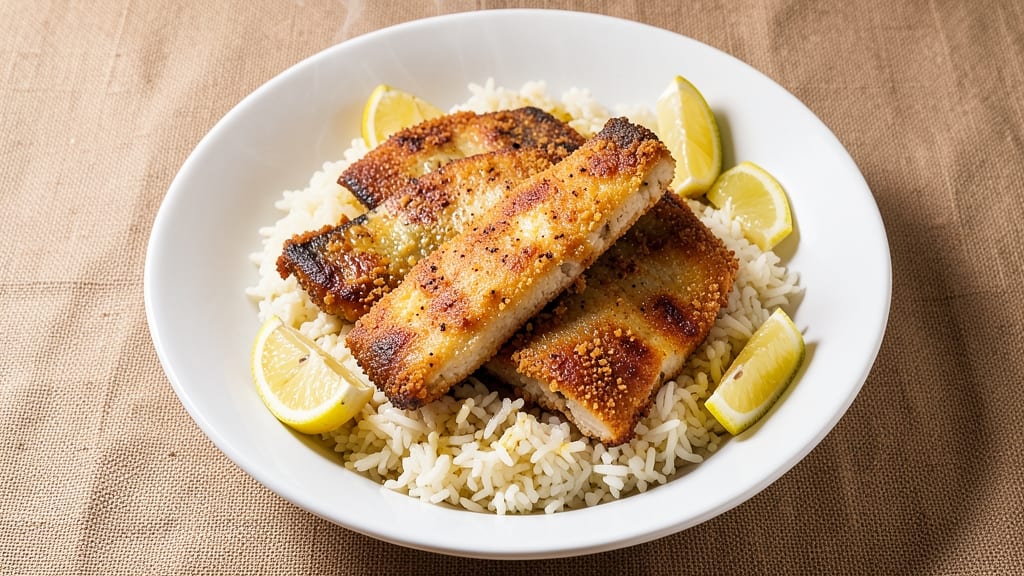
This oven baked fried fish recipe delivers the crispy crust you love without the deep-frying mess or greasy cleanup. After years of perfecting the technique, I've cracked the code for golden, shatteringly crispy fish that stays tender inside—no oil splatter in sight.
The secret lies in a precise batter-to-fish ratio and high-heat oven finishing that creates that coveted crunch without frying.
What makes this method work is the two-step process: first pan-searing the fish briefly to set the batter, then transferring it to a hot oven to finish cooking.
This approach gives you restaurant-quality texture with none of the mess, and it works with any white fish fillets you have on hand. The crispy exterior develops while the inside remains perfectly moist, a balance most home cooks struggle to achieve.
By the time you're plating, you'll have fish with edges that are so crispy they'll shatter like glass, all while maintaining that tender, flaky texture inside. The method is precise but not complicated—just follow the steps carefully, and you'll get results that taste like they came from a seafood restaurant.
This technique transforms simple fish fillets into something special with minimal effort.
Serve with lemon wedges, tartar sauce, or a light vinaigrette to complement the crispy crust. The recipe scales perfectly for weeknight dinners or dinner parties, and leftovers reheat beautifully in the oven. Let's get started on this foolproof method that will change how you cook fish forever.
Ingredients for oven baked fried fish
Simple ingredients, big flavor—this crispy oven-baked fish needs just 12 staples for perfect results.
| Ingredient | Amount | Notes |
|---|---|---|
| White Fish Fillets 🐟 | 1 ½ lb | Cod, haddock, or tilapia preferred |
| All-Purpose Flour 🌾 | 1 cup | White, not self-rising |
| Cornstarch 🌽 | ¼ cup | For extra crispiness |
| Baking Powder 🍞 | 1 tbsp | For light, crispy batter |
| Salt 🧂 | 1 tsp | Kosher or sea salt |
| Ground Black Pepper 🌶️ | ½ tsp | Freshly ground preferred |
| Paprika 🌶️ | 1 tsp | Smoked for extra flavor |
| Vegetable Oil 🫒 | ¼ cup | For pan-searing |
| Lemon Wedges 🍋 | 2 whole | For serving |
| Tartar Sauce 🥫 | ½ cup | Store-bought or homemade |
| Eggs 🥚 | 1 whole | Large, room temperature |
| Beer 🍺 | ¼ cup | Light lager or pale ale |
The fish is your star, so grab the freshest you can find. Whole Foods or your local seafood counter will have the best quality—look for fillets with vibrant color and no fishy smell. Cod and haddock hold up best to the crisping process, but tilapia works too if that's what's on sale. The beer adds a subtle depth, so Corona or Bud Light are great choices, but any light lager will do. If you can't find beer, sparkling water works in a pinch. For the flour, grab the white all-purpose kind—no need for fancy brands here.
No cornstarch? Extra flour works fine—just add a splash of water to the batter to compensate. Short on beer? Chicken or vegetable broth gives a similar lightness. The paprika is optional but adds that restaurant-style finish—smoked paprika has more flavor than regular. For the tartar sauce, Trader Joe's has a great pre-made version, or mix mayo with capers and pickles if you're feeling fancy. The batter needs to be thick but pourable—adjust with a splash of water or milk if needed. And don't skip the baking powder—it's what gives that crispy, airy texture.
This batter keeps in the fridge for 2 days if you want to prep ahead, but the fish itself should be cooked fresh for best results. Leftovers? Reheat in the oven at 375°F for 5-7 minutes—they crisp up again like magic. Store any extra tartar sauce in the fridge for up to 1 week. The lemon wedges should be served fresh, but you can squeeze them ahead and store the juice in the freezer for up to 3 months. Trust me, the extra crispiness is worth the effort.
Why You'll Love This Recipe
- No Deep Fryer Needed: I swear by this trick—just flour, cornstarch, and baking powder tossed onto fish fillets, then baked until golden. No greasy mess, no hovering over a hot stove, and my kids still beg for seconds. The crust stays crispy without the guilt of deep-frying.
- Crispy Without the Hassle: That cornstarch mix? It’s the secret weapon. The baking powder gives it a light lift while the flour locks in moisture, so you get that perfect crunch outside and flaky interior every single time. (Yes, even if you’re not a "fish person.")
- Weeknight or Potluck Star: I make this for lazy Tuesday dinners and Sunday family gatherings—same recipe, zero stress. Double the batch, reheat leftovers in the oven, and it’s just as good the next day. Serve with lemon or tartar sauce, and suddenly you’re the hero of any meal.
- Budget-Friendly Crunch: White fish fillets stretch further than you’d think, and this method uses pantry staples. A bag of flour, a box of cornstarch, and a pinch of baking powder turn cheap protein into something that feels fancy. My wallet and my taste buds thank me.
Step-by-step instructions for crispy oven-baked fried fish
Here's how to make restaurant-style fried fish with a golden, crispy crust—no deep-frying mess required.
Prepare the Light, Crispy Battering
In a large bowl, whisk together the 1 cup all-purpose flour, 0.25 cup cornstarch, 1 tablespoon baking powder, 1 teaspoon salt, 0.5 teaspoon ground black pepper, and 1 teaspoon paprika until completely combined. The cornstarch is key here—it creates that extra-crispy texture without needing deep-frying.
In a separate bowl, beat the 1 whole egg until frothy, then whisk in the 0.25 cup beer. The beer adds a subtle tang and helps create a lighter batter. Pour this mixture into the dry ingredients and stir gently until just combined. You want a smooth, pourable batter—not too thick, but not runny either. If it's too thick, add 1 tablespoon of water at a time until it reaches the right consistency.
Coat the Fish and Let It Rest
Pat the 1.5 lb white fish fillets completely dry with paper towels—this step is non-negotiable for crispiness. The drier the fish, the better the crust will adhere. Dip each fillet into the batter, letting any excess drip off before placing it on a wire rack set over a baking sheet. This rack method ensures the fish cooks evenly and gets crispy on all sides.
Let the coated fish rest for 10 minutes while you preheat the oven to 425°F. This brief rest allows the batter to slightly adhere to the fish, preventing it from sliding off during baking. While waiting, preheat a large oven-safe skillet over medium heat and add the 0.25 cup vegetable oil. Let it heat for 2 minutes until shimmering but not smoking.
Pan-Sear for Extra Crispiness
Carefully transfer the wire rack with fish to the preheated skillet. Cook for 2-3 minutes per side until the batter is deep golden brown and the fish releases easily from the rack. You're looking for a crispy, almost caramelized crust at this stage—this is where most of the browning happens before it goes into the oven.
Once the fish is golden on both sides, transfer the skillet to the preheated oven. Bake for 8-10 minutes until the fish is cooked through and the crust is crispy and bubbly. The internal temperature should reach 145°F when checked with a meat thermometer. If the crust starts to darken too quickly, tent the skillet loosely with foil to prevent burning.
Serve with Classic Fried Fish Sides
Remove the fish from the oven and let it rest for 2 minutes before serving. This short rest keeps the crust intact while allowing the fish to set slightly. Serve immediately with the 2 whole lemon wedges and 0.5 cup tartar sauce on the side. The lemon brightens the rich, crispy fish, while the tartar sauce adds a creamy, herby contrast.
For the perfect plate, arrange the crispy fish fillets on a platter with a side of lemon wedges and a dollop of tartar sauce. The contrast of the crispy crust with the flaky fish inside is what makes this dish so satisfying. Enjoy while it's hot—this fried fish is best served immediately, with that perfect crunch still intact.
Pro Tips For Making Oven Baked Fried Fish
- Preheat Like It’s 1985: I learned this the hard way—cold ovens mean soggy crusts. Set your oven to 425°F (220°C) and let it scream for at least 10 minutes before sliding in the fish. No exceptions, even if you’re eager to dive in.
- Pat Dry or Cry: Wet fish = steam = sad, limp crust. Grab paper towels and press the heck out of those fillets until they’re bone-dry. (Yes, even if they look dry—do it again.) Moisture’s the enemy of that golden crunch.
- Skip the Overcrowding: I used to stack fish like a lazy chef, and the bottom batch turned to rubber. One layer only, with half an inch of space between fillets. If your pan’s too small, bake in batches—no shortcuts here.
- Mix the Dry Stuff Right: Dumping flour, cornstarch, and baking powder straight from the bag? Stop. Sift them together first—this keeps the coating light and airy. (I skip this sometimes, and the crust gets dense. You’ve been warned.)
Wine and beer pairings for this recipe
Crispy Crust Meets Beer
The light lager in this batter isn’t just a flavor enhancer—it’s a game-changer for texture. I reach for Corona Extra or Bud Light because their subtle maltiness complements the fish without overpowering it.
The beer’s natural carbonation creates tiny air pockets in the batter, resulting in a crust that’s crispy yet light. For a non-alcoholic version, swap it for sparkling water with 1 teaspoon lemon juice—it mimics the same effect. 🍺
Citrus-Forward Whites
When it comes to wine, crisp whites with bright acidity cut through the richness of the fried crust beautifully. I always keep a bottle of Sauvignon Blanc from New Zealand on hand—its zesty citrus and herbal notes mirror the lemon wedges on the plate.
For something lighter, a Pinot Grigio from Italy pairs perfectly, especially if you’re serving it with a side salad. Avoid heavy, oaky whites like Chardonnay—they’ll clash with the delicate fish flavor.
Hoppy Lager Balance
If you prefer beer, a pale ale with moderate hop bitterness works wonders. I love Blue Moon Belgian White for its coriander and orange peel notes, which add a refreshing contrast to the crispy fish.
For something stronger, a German Helles like Weihenstephaner brings a malty depth that stands up to the batter’s richness. Serve it ice-cold to enhance the crispness of the crust.
Tartar Sauce Pairings
The creamy, herby tartar sauce deserves a beverage that cleanses the palate. A dry Riesling from Germany or Austria pairs exceptionally well—its slight sweetness and acidity balance the sauce’s tang. For beer lovers, a wheat beer like Hoegaarden adds a light, effervescent contrast.
If you’re serving this as a weeknight meal, a simple sparkling water with lime keeps things refreshing without overcomplicating the pairing.
Spicy Kick Adjustments
If you’re adding ½ teaspoon cayenne pepper or hot sauce> to the tartar sauce, opt for a wine with extra acidity to tame the heat. A Rosé from Provence or a dry sparkling wine> like Prosecco> works beautifully.
For beer, a Belgian-style witbier> with its peppery notes complements the spice without overwhelming it. The key is matching heat with acidity—it’s a match made in flavor heaven.
Seasonal Swaps
In warmer months, I switch to Albariño> from Spain for its stone fruit flavors, which pair perfectly with grilled fish. For winter, a Champagne or Crémant> adds a festive touch to the rich, crispy dish.
If you’re using beer, a seasonal IPA> in summer or a dark lager> in winter can add interesting contrasts. The goal is to keep the beverage as refreshing as the fish itself. ✨
Nutrition facts
Frequently asked questions
Can I use frozen fish for this recipe?
Yes, but thaw it completely first in the refrigerator for 24 hours or under cold running water for 30 minutes. Pat the fish completely dry before dipping in batter—any moisture will prevent the crust from forming properly. For best results, use fresh fish whenever possible.
Why does my batter keep falling off the fish?
This usually happens when the fish isn't dry enough or the batter is too thin. Always pat fillets with paper towels until completely dry, and let the coated fish rest for 10 minutes before cooking. If the batter is still sliding off, add 1 tablespoon more flour to thicken it slightly.
Can I make this recipe ahead of time?
You can prep the batter up to 2 days ahead and store it in the fridge. However, the fish should be cooked fresh for maximum crispiness. If reheating leftovers, place them in a 400°F oven for 5-7 minutes to restore the crunch.
What's the best fish for this technique?
Cod, haddock, and tilapia work perfectly—they're firm enough to hold up to the crisping process. For extra flavor, try halibut or mahi-mahi. Avoid delicate fish like sole, which can fall apart when fried.
How do I get extra crispy edges?
For restaurant-style crispiness, use a wire rack over a baking sheet to allow air circulation. After pan-searing, transfer to a 425°F oven for 8-10 minutes—this two-step method creates that coveted shatteringly crispy crust while keeping the inside tender.