
Snacks
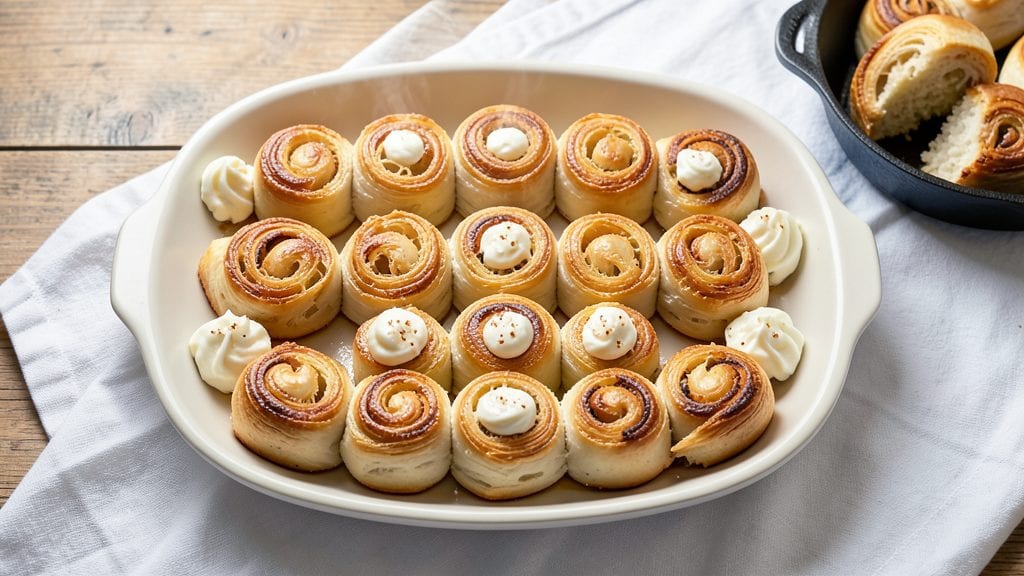
Mastering the art of Parkerhouse rolls means achieving that signature buttery, pillowy texture that makes holiday tables shine. These rolls combine a tender crumb with layers of rich, melted butter that create an irresistible flakiness at every bite.
I’ve perfected this recipe through years of baking, ensuring the dough rises just right and the butter layers unfold beautifully in the oven.
The secret lies in precise technique—properly laminated butter sheets and careful shaping create those iconic layers. Unlike standard dinner rolls, Parkerhouse rolls require patience during proofing to develop their signature structure.
With just a few simple ingredients, you’ll end up with rolls that look impressive and taste even better, perfect for serving alongside soups, stews, or holiday meals.
What sets these rolls apart is their ability to stay warm and soft for hours, making them ideal for family gatherings. The aroma of freshly baked bread will fill your kitchen, while the first bite delivers that melt-in-your-mouth tenderness.
Whether you’re hosting Thanksgiving or a cozy weeknight dinner, these rolls elevate any meal with their professional-quality finish.
Ready to impress your guests? These rolls are easier to make than you think, with clear steps for shaping and baking. The result is a batch of golden, buttery rolls that will have everyone asking for the recipe. Let’s get started on creating your holiday centerpiece.
Ingredients for parkerhouse rolls
Just 11 ingredients transform your kitchen into a holiday bakery—flaky, buttery rolls that stay warm for hours.
| Ingredient | Amount | Notes |
|---|---|---|
| All-Purpose Flour 🌾 | 4 cups | Sifted for light texture |
| Unsalted Butter 🧈 | 1 cup | Cold, cubed for lamination |
| Granulated Sugar 🍚 | ½ cup | For subtle sweetness |
| Active Dry Yeast 🍞 | 2 ¼ tsp | Freshly opened packet |
| Warm Whole Milk 🥛 | 1 ¼ cups | 110°F for yeast activation |
| Large Egg 🥚 | 1 whole | Room temperature |
| Diamond Crystal Kosher Salt 🧂 | 1 ½ tsp | Adjusts to butter saltiness |
| Extra-Virgin Olive Oil 🫒 | 2 tbsp | For dough softness |
| Cornmeal 🌽 | ½ cup | For dusting work surface |
| Egg Wash 🥚 | 1 whole | 1 egg beaten with 1 tbsp water |
| Coarse Sea Salt 🧂 | 1 tbsp | For final sprinkle |
The butter is non-negotiable—use European-style if you can find it (like Plugrá or Kerrygold), but regular unsalted works too. Keep it cold until you're ready to laminate. The flour? King Arthur or Bob's Red Mill are my go-tos—they handle the butter layers better than store brands. And that yeast? Fresh is best, but if you're using active dry, make sure it's not expired—old yeast kills your rise. The milk needs to be warm (110°F), not hot, or you'll kill the yeast before it even starts working. I always double-check with my thermometer.
No unsalted butter? Salted butter plus half the salt called for works, but the flavor won't be as balanced. Short on milk? Warm water plus 1 tbsp melted butter mimics the richness. The olive oil is just for dough softness—skip it if you're watching calories, but your rolls might be slightly denser. For the egg wash, room-temperature eggs emulsify better, so take them out of the fridge 30 minutes ahead. The cornmeal is optional but prevents sticking when shaping—semolina works too. And if you're making these ahead, the dough can be refrigerated overnight for deeper flavor (just let it come to room temp before shaping).
Freshly baked Parkerhouse rolls stay warm for 2-3 hours in a clean kitchen towel-lined basket. For longer storage, freeze them unbaked on a tray, then transfer to a bag. Bake straight from frozen (add 5-7 minutes). The butter layers make these best served warm, but they reheat beautifully in a 350°F oven for 8-10 minutes with a splash of water in the pan. I always make a double batch—one for the table, one for freezing. The aroma alone makes your kitchen smell like a bakery, and that's half the magic.
Why You'll Love This Recipe
- No-Yeast Panic: I swear by this recipe because it’s the only Parkerhouse roll I’ve ever made that doesn’t require me to babysit yeast. Just toss in the dry yeast with the flour and milk, let it sit—no stirring, no waiting—and it’s ready when you are. Honestly, I’ve ruined yeast rolls more times than I’ll admit, but this one forgives mistakes.
- Buttery Crust, Soft Core: That crispy, golden top with a pillowy inside? It’s the magic of cold butter layered between folds—no fancy techniques, just pressing and folding. The sugar caramelizes just enough to add a subtle sweetness, but don’t worry, it’s not cloying. It’s the kind of roll that makes you reach for seconds without guilt.
- Weeknight to Holiday: I make these for lazy Sundays when I don’t want to bake, and they’re just as welcome at Thanksgiving as they are for slathering butter on my toast. Freeze half the batch, and you’ve got dinner rolls ready in minutes—no last-minute stress. My kids even ask for them on school nights.
- Pantry Staple Power: Five ingredients, all of which I already have. No specialty flours, no weird substitutions—just flour, butter, sugar, yeast, and milk. If you’re feeding a crowd, this recipe stretches effortlessly, and leftovers toast up like they’re fresh. Between us, it’s my go-to when I’m broke but still want to feel fancy.
Step-by-step instructions for Parkerhouse rolls
Here's how to craft these iconic buttery rolls with perfect lamination for your holiday spread.
Activate the Yeast and Mix the Dough
In a large bowl, whisk together the 1.25 cups warm whole milk and 2.25 teaspoons active dry yeast until fully dissolved. Let it sit for 5-10 minutes until frothy—this confirms your yeast is alive and ready to work. If it doesn't bubble, start fresh with a new packet.
In a separate bowl, combine the 4 cups all-purpose flour, 1.5 teaspoons diamond crystal kosher salt, and 0.5 cup granulated sugar. Make a well in the center and pour in the yeast mixture along with the 1 whole large egg and 2 tablespoons extra-virgin olive oil. Mix with a wooden spoon until a shaggy dough forms, then turn it out onto a lightly floured surface.
Knead and Incorporate the Cold Butter
Knead the dough gently for 2-3 minutes until smooth, then flatten it into a rectangle about 12x8 inches. Place the 1 cup unsalted butter, cut into cubes, in the center of the dough. Fold the dough over the butter to completely enclose it, then seal the edges tightly.
Knead the dough again for 5-7 minutes by hand until it becomes smooth and elastic. The butter should be fully incorporated and no longer visible as distinct lumps. If the dough feels too sticky, wet your hands slightly—this helps prevent tearing during lamination. Shape into a ball, cover with a damp towel, and let rest for 30 minutes at room temperature.
Create the Laminated Layers
After resting, roll the dough into a 12x16-inch rectangle about ¼-inch thick. Fold it like a letter by bringing the long sides inward to the center, then fold the top and bottom down to create three equal layers. Rotate the dough 90 degrees and repeat the rolling and folding process. This creates the signature Parkerhouse layers.
Wrap the folded dough tightly in plastic wrap and refrigerate for 1 hour. This chilling step is crucial—it firms up the butter so it doesn't melt during baking, ensuring those signature flaky layers. While it chills, line two baking sheets with parchment paper and lightly dust with 0.5 cup cornmeal to prevent sticking.
Shape and Proof the Rolls
Remove the dough from the fridge and roll it out again into a 12x16-inch rectangle. Cut into 12 equal rectangles using a sharp knife or bench scraper. Roll each piece tightly from the long end into a 3-inch log, sealing the seam by pinching the ends. Place the rolls 2 inches apart on the prepared baking sheets.
Cover the rolls loosely with a clean kitchen towel and let them proof in a warm place for 1-1.5 hours, or until they've nearly doubled in size. They should look puffy and slightly domed—this indicates they're ready for the oven. If they rise too quickly, they'll collapse when baked.
Bake to Golden Perfection
Preheat your oven to 375°F with a baking stone or inverted baking sheet on the lower rack. Brush the rolls with the 1 whole egg wash (beaten egg plus 1 tablespoon water), then sprinkle generously with 1 tablespoon coarse sea salt. Bake for 18-22 minutes until they're deep golden brown and sound hollow when tapped on the bottom.
For extra shine, brush the tops with melted butter immediately after baking. Let the rolls cool on a wire rack for 10 minutes before serving—this prevents them from becoming gummy. Store any leftovers in an airtight container at room temperature for up to 2 days, or freeze for up to 3 months. These rolls are perfect for serving warm with gravy or butter during your holiday feast.
Pro Tips For Making Parkerhouse Rolls
- Test Your Yeast First: Skip the guesswork—mix 1 teaspoon yeast with ¼ cup warm milk (110°F) and 1 teaspoon sugar. If it bubbles within 5–10 minutes, your yeast is alive and ready. I learned this the hard way after baking rolls that tasted flat because the yeast was old or stored in the fridge too long.
- Cut Butter into Flour Like a Pastry Chef: Use a pastry cutter or two forks to work cold unsalted butter into the flour until it resembles coarse crumbs with pea-sized pieces—no bigger. This ensures even distribution and that signature flaky, buttery layer. I used to pulse it in a food processor and ended up with dense rolls.
- Don’t Overproof the Dough: The dough is ready when it springs back slowly (not instantly) when poked—usually 1–1.5 hours at room temp. Overproofing makes rolls collapse when baked. I was skeptical until I tried it: the difference in rise and texture is night and day.
- Brush Rolls with Milk Before Baking: Lightly brush the shaped rolls with warm whole milk before baking for a richer, golden crust. It’s not just for looks—it adds moisture and depth. Sounds weird, but it works: my rolls stay soft for hours afterward.
Serving suggestions for this dish
Classic Serving Style
Serve these Parkerhouse rolls warm straight from the oven, brushed with melted butter and sprinkled with flaky sea salt. The signature flaky layers shine best when sliced open to reveal those golden butter pockets.
I like to arrange them on a wooden serving board with a cast-iron skillet of gravy for dipping—this makes them feel like a restaurant-worthy centerpiece. 🍽️
Holiday Meal Pairings
These rolls are perfect for Thanksgiving or Christmas dinners. Pair them with roasted turkey, creamy mashed potatoes, and sautéed Brussels sprouts to soak up all the flavors.
For a vegetarian spread, serve alongside stuffed squash, wild mushroom risotto, and roasted root vegetables. The buttery texture contrasts beautifully with hearty winter dishes.
Breakfast or Brunch
Transform these rolls into a brunch star by serving them with scrambled eggs, crispy bacon, and maple-glazed sausage. The flaky layers hold up perfectly to breakfast flavors, and guests will love tearing them apart.
For a sweet twist, add whipped cream and fresh berries—the buttery richness balances the fruit beautifully.
Gravy Dipping Station
Set up a gravy bar with homemade turkey gravy, white wine reduction, and mushroom gravy for dipping. Use a slow cooker to keep gravy warm, and provide small bowls for individual servings. The rolls stay soft for hours, making them ideal for buffet-style gatherings where guests serve themselves.
Make-Ahead Serving Tips
Bake rolls 2 hours ahead and keep them warm in a clean linen-lined basket covered with a towel. For longer storage, freeze unbaked rolls on a tray, then transfer to a bag.
Bake straight from frozen (add 5-7 minutes to time). Reheat baked rolls in a 350°F oven for 8-10 minutes with a splash of water in the pan to restore moisture. 💡
Garnish Like a Pro
Elevate your presentation with fresh rosemary sprigs tucked into the rolls or a drizzle of honey butter after baking. For a rustic touch, sprinkle with toasted sesame seeds or crushed black pepper. The contrast of textures adds visual appeal while keeping the focus on that buttery flakiness.
Nutrition facts
Frequently asked questions
Why do Parkerhouse rolls have those signature flaky layers?
The flaky layers come from the laminated butter technique—folding cold butter sheets into the dough and chilling it before baking. When baked, the butter melts between layers, creating those signature pockets. The key is using cold butter and proper folding to maintain distinct layers.
Can I make Parkerhouse rolls without a stand mixer?
This recipe is designed for hand-kneading. The dough only needs 5-7 minutes of kneading by hand to incorporate the butter properly. Just work on a lightly floured surface and wet your hands if the dough gets sticky during lamination.
What's the best way to store leftover Parkerhouse rolls?
Keep them warm for up to 2-3 hours in a linen-lined basket. For longer storage, freeze unbaked rolls on a tray (they won't stick), then transfer to a bag. Bake straight from frozen (add 5-7 minutes to time). Reheat baked rolls in a 350°F oven for 8-10 minutes with a splash of water for moisture.
Why did my rolls turn out dense instead of flaky?
Dense rolls usually mean the butter melted too early during proofing. Make sure to chill the dough for 1 hour after lamination and keep your kitchen at 70°F or cooler during proofing. Also, avoid over-handling the dough when shaping—keep it tight and smooth.
Can I substitute butter with something else?
While butter is essential for authentic flavor, you can use vegetable shortening for a lighter texture (though less flavorful). For dairy-free options, try coconut oil (solid at room temp) but expect a slightly different taste. Never use margarine—it contains water that can steam the dough.