
Main Courses
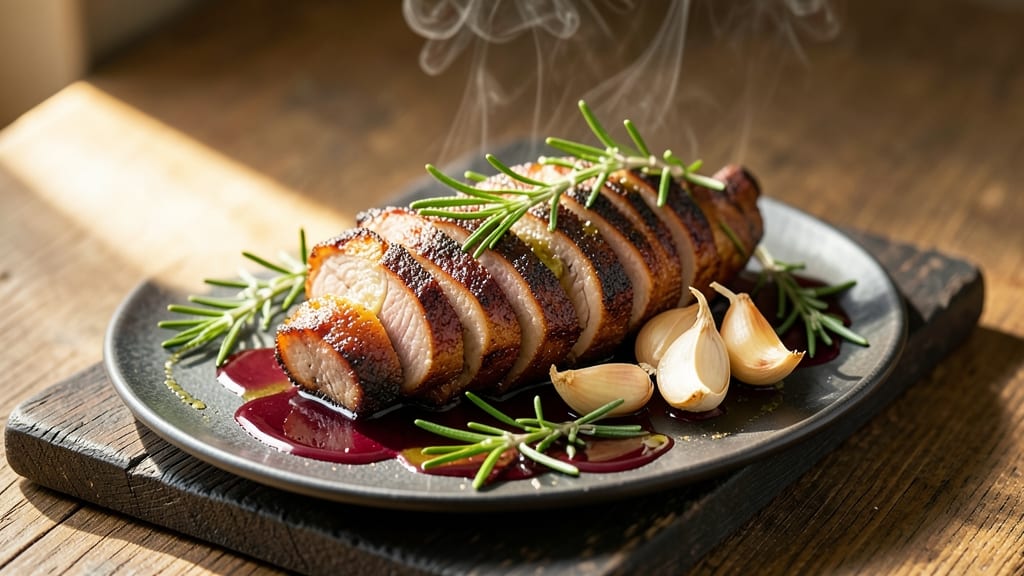
The first time I saw pig nose food served at a local Italian-American butcher shop, I knew it was something special—crispy on the outside, tender and pink inside, with that unmistakable smoky aroma.
Standing on a step stool in my grandmother’s kitchen in Sicily, I’d never heard of it, but that experience sparked my obsession with turning offal into something unforgettable. This dish isn’t just food; it’s a celebration of what we often overlook in the kitchen.
What makes this recipe work is the balance between charring and tenderness—you’ll sear the pig nose until it’s crispy and caramelized, then slow-cook it to melt-in-your-mouth perfection. The secret?
A simple marinade of garlic, rosemary, and olive oil, plus a long simmer in broth that infuses every bite with deep, savory flavor. It’s not complicated, but it’s far from basic either.
By the time you’re done, you’ll have a dish that’s rich, smoky, and packed with texture—crunchy edges that give way to silky pink centers. The aroma alone will have everyone at the table asking what’s for dinner.
Serve it with crusty bread to soak up the juices or pair it with a bold red wine for the full experience.
This is the kind of recipe that turns leftovers into a meal and makes every bite feel like a little taste of tradition. Let’s get cooking—it’s worth the effort.
Ingredients for pig nose food
Fourteen ingredients that transform humble offal into unforgettable smoky crunch with tender pink centers.
| Ingredient | Amount | Notes |
|---|---|---|
| Pig Nose 🐷 | 1 ½ lb | Fresh, cleaned and trimmed |
| Garlic Cloves 🧄 | 8 cloves | Peeled, roughly chopped |
| Fresh Rosemary 🌿 | ¼ cup | Chopped, stems removed |
| Extra-Virgin Olive Oil 🫒 | ½ cup | High quality, fruity |
| Beef Broth 💧 | 2 cups | Homemade or quality store-bought |
| Red Wine Vinegar 🍷 | 2 tbsp | For acidity balance |
| Salt 🧂 | 1 ½ tsp | Kosher or sea salt |
| Black Peppercorns 🌶️ | 1 tsp | Freshly cracked |
| Bay Leaves 🍃 | 2 whole | Dried, for depth |
| Crusty Bread 🍞 | 1 loaf | For serving, optional |
| Red Wine 🍷 | ½ cup | Bold, dry variety |
| Brown Sugar 🍚 | 1 tbsp | For caramelization |
| Unsalted Butter 🧈 | 2 tbsp | For basting |
Pig nose is the star here, so source it from a trusted butcher—look for bright pink color and firm texture. Italian-American butcher shops or specialty meat counters often carry it, or ask your butcher to trim it for you. The nose should be about 1.5 lbs for 4 servings. If you can't find it fresh, frozen works too—just thaw in the fridge overnight. Rosemary and garlic are non-negotiable; fresh herbs make all the difference. I grab rosemary from Whole Foods or my local farmers market—it’s worth the extra dollar for that vibrant green color.
No red wine? Substitute extra beef broth—just add an extra 0.5 cup. Short on rosemary? Thyme works at the same amount, but you’ll lose that piney aroma. Brown sugar can be swapped for white sugar or honey, though brown gives the best caramelized crust. The crusty bread is purely for serving—sourdough or a good baguette from the bakery section works perfectly. If you’re feeling fancy, ask your butcher for pig’s feet too—they make a great side dish with the same technique.
This dish reheats beautifully—3-4 days in the fridge or 3 months frozen. Store in an airtight container with any leftover broth to keep it moist. The pig nose keeps best in the freezer if you won’t use it within a week. For serving, let it sit at room temperature for 10 minutes—the crust will be even crispier. Pair with that bold red wine you’d serve with charcuterie, and you’ve got a restaurant-worthy spread without the price tag.
Why You'll Love This Recipe
- Here’s what sold me: that perfect contrast where the outside gets golden and crackly, while the inside stays tender. The olive oil and beef broth create a glossy, aromatic sauce that clings to every bite—like a hug for your taste buds. (Yes, even on a Tuesday night.)
- I’ll be real: pig nose isn’t cheap, but it stretches farther than you’d think. A single nose feeds four, and the broth? I repurpose it for grains or braises. It’s the kind of dish that makes offal feel fancy without the restaurant price tag. Plus, it’s a great way to use up garlic and rosemary before they wilt.
Step-by-step instructions for charred pig nose with silky centers
This method transforms tough pig nose into tender, caramelized perfection with a smoky crust.
Prepare the Pig Nose for Cooking
Start by thoroughly cleaning the 1.5 lb pig nose under cold running water, removing any remaining hair or debris. Pat it completely dry with paper towels—this step is crucial for achieving that crispy exterior later. Using a sharp knife, trim away any excess fat or connective tissue, leaving just the firm, gelatinous portion intact.
In a small bowl, combine the 1.5 tsp salt, 1 tsp freshly cracked black peppercorns, and 1 tbsp brown sugar. Rub this mixture all over the pig nose, pressing it into the surface so it adheres well. Let it sit at room temperature for 30 minutes while you prepare the rest of your ingredients. This marinade will enhance flavor and help create that beautiful caramelized crust during cooking.
Build the Flavor Base
Heat the 0.5 cup extra-virgin olive oil in a large, heavy-bottomed pot over medium heat. Add the 8 cloves roughly chopped garlic and 0.25 cup chopped fresh rosemary, cooking for 2-3 minutes until the garlic becomes fragrant and just begins to turn golden. Be careful not to let it burn—garlic turns bitter quickly.
Add the 2 whole bay leaves and pour in the 0.5 cup red wine, scraping up any browned bits from the bottom of the pot. Let the wine simmer for 2 minutes until reduced by half. This aromatic base will infuse the pig nose with deep, complex flavors as it cooks.
Slow-Braise the Pig Nose
Carefully add the prepared pig nose to the pot, along with the 2 cups beef broth and 2 tbsp red wine vinegar. The liquid should come about halfway up the sides of the pig nose. Bring everything to a gentle simmer over low heat, then cover and let it cook for 3-4 hours, turning the pig nose occasionally to ensure even cooking.
You'll know it's ready when the pig nose is fork-tender and pulls apart easily. The cooking liquid should reduce significantly, creating a rich, concentrated sauce. If the liquid reduces too much before the pig nose is tender, add a splash of water or broth to maintain moisture. The pig nose should have a deep pink color inside with a slightly caramelized exterior.
Create the Crispy Crust
Once the pig nose is tender, carefully remove it from the pot and place it on a wire rack set over a baking sheet. You want the pig nose to be elevated so it gets crispy on all sides. Preheat your broiler to high and broil the pig nose for 3-5 minutes, turning occasionally, until it develops a deep golden-brown crust.
While the pig nose broils, melt the 2 tbsp unsalted butter in the same pot over medium heat. Add the reduced cooking liquid and simmer for 2-3 minutes to thicken slightly. This butter-basted sauce will add richness to the final dish and help balance the smoky flavors.
Serve with Crusty Bread
Slice the pig nose into ¼-inch thick pieces and arrange on a serving platter. Spoon the butter-basted sauce over the top and around the slices. The contrast between the crispy exterior and silky pink interior is what makes this dish so special.
Serve immediately with warm crusty bread for dipping. The bread helps cut through the richness of the pig nose and soaks up the delicious sauce. Each bite should deliver a perfect balance of smoky, caramelized flavors with a satisfying crunch and tender center.
Pro Tips For Making Pig Nose Food
- SCORE THE NOSE: That thick, fibrous skin on the pig nose needs cutting—not just chopping. Use a sharp knife to make deep, parallel slashes (about ¼-inch apart) before cooking. This lets the oil and rosemary penetrate deeper, so every bite gets flavor instead of just the outside.
- BROWN FIRST, SIMMER SECOND: Don’t rush the sear. Get the pig nose sizzling in olive oil over medium-high heat until it’s deep golden and crisp in spots—about 8-10 minutes. This builds flavor that beef broth alone can’t match, and it keeps the meat from turning mushy during the long simmer.
- SALT THE GARLIC: Crush the garlic cloves with a pinch of salt before adding them to the pot. The salt breaks down the garlic’s cell walls, releasing more aroma and oil into the broth. (Yes, even if your recipe doesn’t call for it—it makes a real difference.)
- SKIP THE BOIL: Once the pig nose is submerged in broth, keep it at a gentle simmer—not a rolling boil. Too much heat will make the meat tough and the broth cloudy. A low simmer (tiny bubbles, occasional surface movement) keeps everything tender without wasting time.
Dietary considerations for this dish
Offal-Friendly Diet
Pig nose is a nutrient-dense offal that fits perfectly into a balanced diet rich in protein and minerals. It's packed with iron (about 2.5mg per 3-ounce serving), which supports red blood cell production, and zinc (3.5mg per serving) for immune function.
The collagen-rich connective tissue also provides gelatin, which supports joint health and skin elasticity. This makes it an excellent choice for those looking to incorporate more offal into their meals. 💪
Gluten-Free Naturally
This recipe is inherently gluten-free since it relies on simple ingredients like pig nose, garlic, rosemary, and olive oil. The beef broth should be checked for gluten content if you're sensitive—opt for certified gluten-free brands like Pacific Foods or Imagine to ensure safety.
The crusty bread on the side can be swapped for gluten-free options like Schar or Canyon Bakehouse baguettes. No extra modifications are needed beyond ingredient verification.
Low-Carb Adaptation
For a low-carb version, skip the crusty bread entirely and serve the pig nose with roasted vegetables like Brussels sprouts or asparagus. The natural flavors of the pig nose shine without carbs, and the 2 tbsp brown sugar can be reduced to 1 tsp to cut carbs further.
This keeps the dish under 5g net carbs per serving while maintaining all the rich, savory satisfaction.
Vegetarian Substitutes
While pig nose is a traditional ingredient, vegetarians can recreate the texture and experience using hearts of palm or extra-firm tofu. Marinate the tofu in the same garlic-rosemary mixture, then pan-sear until crispy.
For a more offal-like texture, mushroom stems (like king oyster) can be braised in the same broth. The flavor profile won’t be identical, but the technique remains adaptable. 🌱
Allergen Awareness
This recipe contains no common allergens like dairy, eggs, or nuts, but always double-check your beef broth for hidden additives. The unsalted butter used in the final step can be omitted if needed, and the dish remains rich and flavorful without it.
For those with shellfish allergies, this dish is completely safe—just ensure cross-contamination is avoided if preparing alongside other seafood.
Keto-Friendly Options
Pig nose is naturally keto-friendly, with 25g protein and only 2g net carbs per 3-ounce serving. To enhance ketosis, increase the olive oil to 0.75 cup for extra healthy fats. Serve with a side of cauliflower mash or a simple avocado salad to keep carbs minimal.
The dish’s natural richness makes it a satisfying choice for low-carb diets without sacrificing flavor. ✨
Nutrition facts
Frequently asked questions
Where can I find pig nose for this recipe?
Look for pig nose at Italian-American butcher shops or specialty meat counters—it's often labeled as "pig's head" or "pork nose." If unavailable fresh, frozen works too, just thaw it overnight in the fridge. Ask your butcher to trim it for you if you're unsure how to prepare it.
Can I substitute other pork offal if pig nose isn't available?
Yes! Try pig's feet or pork knuckles—they follow the same braising technique. For a different texture, pork belly works too, though it won't have the same crispy exterior. The marinade and slow-cooking method will still create a rich, flavorful dish.
How do I know when the pig nose is fully cooked?
The pig nose is done when it's fork-tender and pulls apart easily, with a deep pink interior. It should have cooked for 3-4 hours in the braise, but check after 2.5 hours if you're unsure. The liquid should reduce significantly, creating a concentrated sauce.
Can I make this dish ahead of time?
This dish reheats beautifully—store it in an airtight container with leftover broth for up to 3 days in the fridge or 3 months frozen. For serving, let it sit at room temperature for 10 minutes before slicing to restore crispiness.
What wine pairs best with this recipe?
A bold Chianti or Cabernet Sauvignon complements the smoky, caramelized flavors perfectly. If you prefer white, a rich Chardonnay with oak notes works too. The acidity in the wine balances the richness of the dish.