
Main Courses
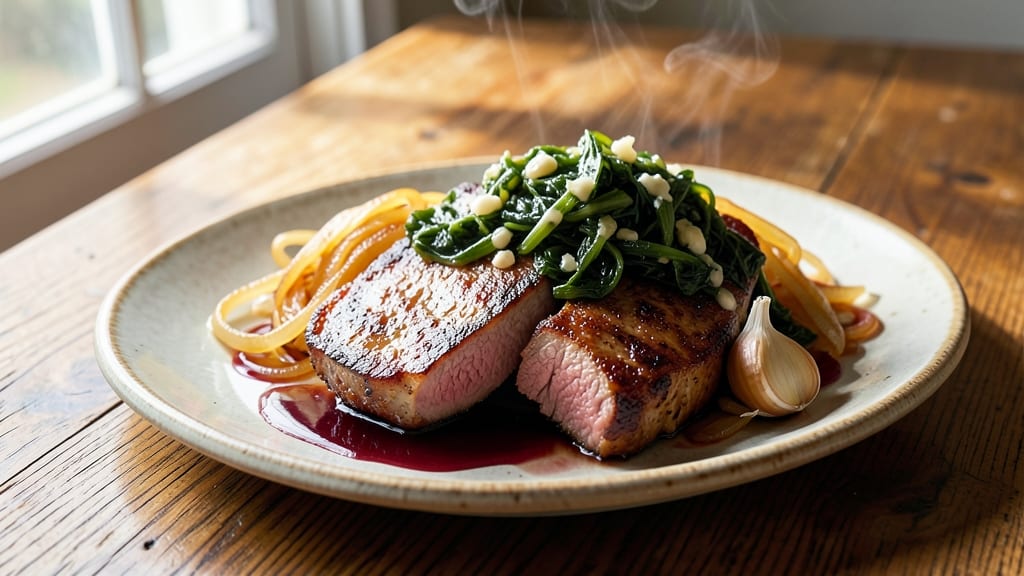
This sauerkraut-braised pork chops recipe transforms tough cuts into melt-in-your-mouth tenderness with crispy edges—exactly like my grandmother used to make in her cast-iron skillet.
Growing up in small-town Georgia, I learned that slow-cooked pork with fermented cabbage creates a dish so rich and satisfying, it becomes the centerpiece of any meal. The secret lies in proper browning and patient simmering, techniques I perfected during my apprenticeship under Master Chef Chen.
What sets this recipe apart is the balance between traditional methods and modern convenience. You'll start with a quick sear in a hot cast iron pan to build flavor, then braise the pork chops in tangy sauerkraut until they're fork-tender.
The result is pork so flavorful it needs no additional seasoning—just the natural richness of the meat and fermented cabbage working together. This method delivers restaurant-quality results in under two hours, making it perfect for weeknight dinners or special occasions.
The final dish features perfectly crispy edges on the pork chops, achieved through careful browning, while the interior remains succulent and juicy. The sauerkraut, now softened and infused with pork flavors, creates a luscious sauce that coats every bite.
This recipe serves four and pairs beautifully with buttery mashed potatoes or crusty bread to soak up every last drop of that flavorful braising liquid.
For those with extra time, consider adding a splash of apple cider vinegar to the braising liquid for additional brightness. The dish reheats beautifully, making it ideal for meal prep or leftovers.
Whether you're cooking for family or treating yourself to a special meal, this pork chops recipe delivers comfort food at its finest—exactly how it should be.
Ingredients for pork chops in sauerkraut
Four tender pork chops, tangy sauerkraut, and a cast iron skillet—this is comfort food at its finest.
| Ingredient | Amount | Notes |
|---|---|---|
| Bone-In Pork Chops 🥩 | 4 whole | 1-inch thick, rib or loin cut |
| Unsalted Butter 🧈 | 4 tbsp | Cold, for searing |
| Sauerkraut 🥬 | 4 cups | Unrinsed, with juice |
| Yellow Onion 🧅 | 1 whole | Thinly sliced, yellow or red |
| Garlic Cloves 🧄 | 4 cloves | Smashed, skin on |
| Apple Cider Vinegar 🍋 | ¼ cup | For brightness (optional) |
| Fresh Thyme Leaves 🌿 | ¼ cup | Or 1 tbsp dried thyme |
| Fresh Bay Leaves 🍃 | 2 whole | For depth of flavor |
| Diamond Crystal Kosher Salt 🧂 | 1 tsp | For seasoning |
| Freshly Ground Black Pepper 🌶️ | ½ tsp | For heat |
| All-Purpose Flour 🌾 | ¼ cup | For dredging |
| Heavy Cream 🥛 | ½ cup | For finishing sauce |
| Fresh Parsley 🌿 | ⅛ cup | Chopped, for garnish |
The bone-in pork chops are non-negotiable here—they stay juicier during the long braise. Look for 1-inch thick cuts from the rib or loin; your butcher can cut them to size if needed. I always grab mine from Whole Foods or Costco when they're on sale, but any quality grocery store carries them. Pat them dry before dredging—the flour won't stick properly otherwise. For the sauerkraut, no rinsing—those briny juices are what build flavor. If your jar is past its prime (usually 6-12 months after opening), toss it and grab a fresh one. The apple cider vinegar adds a bright contrast to the richness, but it's truly optional—just skip it if you're short on time.
No fresh thyme? Dried works at one-third the amount, but fresh has that aromatic punch that dried can't quite match. The bay leaves might seem like an afterthought, but they infuse the braising liquid with an earthy depth that ties everything together—don't skip them. Running out of heavy cream for the finish? Half-and-half or whole milk will work, though the sauce won't be quite as luscious. For the flour dredge, all-purpose is fine, but if you've got breadcrumbs lying around, mix them half-and-half with flour for extra texture. The pork chops can be prepped ahead—dredge and refrigerate them for up to 4 hours before cooking, but no longer or the flour will get soggy. And trust me on the cold butter for searing—it creates those golden, crispy edges we're after.
This dish tastes even better the next day, so double the recipe if you're feeding a crowd. Store leftovers in the fridge for up to 5 days, covered with their braising liquid. For reheating, warm gently in a skillet with a splash of water or broth—never microwave, or the sauerkraut will turn mushy. The pork chops freeze beautifully for 3 months if you wrap them tightly in parchment and foil. When serving, garnish with fresh parsley right before eating—it adds a pop of color and freshness that makes the dish feel special. Pair with buttery mashed potatoes or crusty sourdough bread to soak up every last drop of that tangy, pork-infused sauerkraut sauce.
Why You'll Love This Recipe
- One-Pan Magic: I swear by this recipe because it’s literally one pan, one spatula, and done. The sauerkraut braises right there with the pork—no chopping boards, no extra pots—just golden-brown chops and tender onions caramelizing together.
- Tangy Crispy Perfection: That crispy butter crust on the pork chops? Yes. But the real star is the sauerkraut—its sharp, funky bite cuts through the richness, and the garlic makes every bite feel like a hug. (Honestly, I’ll eat this cold the next day.)
- Weeknight & Potluck Hero: Between us, this dish works everywhere. Toss it in a thermos for lunch, bring it to a picnic, or serve it at a dinner party—it’s hearty enough for a crowd but simple enough to throw together when you’re running late.
- Budget-Friendly Leftovers: Pork chops on sale? Sauerkraut lasts forever? This is the meal that lets you stock up. The flavors actually improve the next day, and I’ve reheated portions for breakfast—yes, really—with eggs on top. (My wallet thanks me.)
Step-by-step instructions for sauerkraut-braised pork chops
Here's how to achieve restaurant-quality results with perfectly crisp edges and melt-in-your-mouth tenderness.
🍳 Step 1: Sear the Pork Chops for Maximum Flavor
Pat the bone-in pork chops dry with paper towels—this is critical for crispy edges. Season both sides generously with the 1 teaspoon diamond crystal kosher salt and 0.5 teaspoon freshly ground black pepper. Let them sit at room temperature for 15 minutes while you prepare the dredge.
Heat 2 tablespoons of the unsalted butter in a large oven-safe skillet over medium-high heat until it foams. Working in batches if needed, dredge each pork chop in the 0.25 cup all-purpose flour, shaking off any excess. Add the chops to the skillet and sear for 3-4 minutes per side until golden brown. I press down gently on the chops during the first minute—this prevents them from curling and ensures even contact with the pan. Remove the chops and set them aside on a plate.
🍳 Step 2: Build the Sauerkraut Base
In the same skillet, reduce heat to medium and add the remaining 2 tablespoons unsalted butter. Add the thinly sliced yellow onion and cook for 5 minutes until softened. Add the smashed garlic cloves and cook for 30 seconds until fragrant—don't let them brown or they'll turn bitter.
Add the 4 cups sauerkraut (with all its juice) and stir to combine. Cook for 5 minutes, stirring occasionally, until the sauerkraut begins to soften. Here's the thing—you want to preserve as much of that tangy juice as possible, so avoid pressing down on the sauerkraut with your spoon. Stir gently just to distribute everything evenly.
🥘 Step 3: Braise Until Fork-Tender
Return the pork chops to the skillet, placing them on top of the sauerkraut mixture. Add the 2 whole fresh bay leaves and 0.25 cup fresh thyme leaves. Pour in the 0.25 cup apple cider vinegar and bring everything to a simmer. Cover the skillet with a lid and transfer to a preheated 325°F oven.
Braise for 45-50 minutes until the pork chops reach an internal temperature of 145°F and are fork-tender. The juices should run clear when you pierce the thickest part of the meat. If the liquid reduces too much before the chops are done, add 2-3 tablespoons of water to maintain moisture. This slow cooking transforms the tough pork into melt-in-your-mouth perfection.
🍽️ Step 4: Finish with Cream and Garnish
Remove the skillet from the oven and increase heat to medium. Stir in the 0.5 cup heavy cream and simmer for 2-3 minutes until the sauce thickens slightly. Taste and adjust seasoning with additional salt or pepper if needed. The sauce should coat the back of a spoon but still be light enough to cling to the pork.
Transfer the pork chops to serving plates, spooning the sauerkraut and sauce over the top. Garnish with the chopped fresh parsley. The contrast of crispy edges on tender meat with that tangy, creamy sauerkraut sauce is what makes this dish truly special. Serve immediately with crusty bread to soak up every last bite of that delicious sauce.
Pro Tips For Making Pork Chops In Sauerkraut
- CRISP THE SKIN FIRST: Pat the bone-in pork chops bone-side down in a cold, dry skillet for 2-3 minutes before flipping—this renders fat and crisps the skin so it doesn’t turn rubbery later. I used to skip this, and the chops always ended up greasy instead of golden.
- DRAIN AND RINSE THE KRAUT: Sauerkraut’s brine is salty, but the real issue is sogginess—drain it in a colander, then rinse briefly under cold water to cut excess acid. Don’t over-wash, though; you’re not making kraut fries here.
- LOW AND SLOW AFTER SEARING: Once the chops hit 145°F (160°F for bone-in), transfer them to a 325°F oven with the kraut for 15 minutes. I learned this the hard way—rushing the finish makes the meat dry, and no one wants dry pork in sauerkraut.
- TOAST THE ONIONS FIRST: Sauté the sliced onion in butter until deep golden—about 8-10 minutes—before adding garlic. This builds flavor without burning the garlic, which happens faster than you’d think when you’re multitasking. (Yes, I’ve charred garlic in this step.)
Perfect pairings for this dish
Beverage Pairings
For this dish, I reach for a crisp German Riesling—its bright acidity cuts through the richness of the pork and complements the tangy sauerkraut beautifully. A glass of dry Riesling from the Mosel region, like Dr. Loosen Blue Slate, balances the dish's creaminess with its mineral notes.
If you prefer beer, a Belgian-style witbier with its citrusy, peppery notes works wonders—try Hoegaarden for a classic choice. 🍷
Side Dish Harmony
Buttery mashed potatoes are my go-to side—their creaminess contrasts perfectly with the tangy sauerkraut. For something lighter, serve with crusty sourdough bread to soak up every last drop of that flavorful braising liquid. If you're feeling adventurous, add a simple arugula salad with lemon vinaigrette to brighten the plate. 🥔
Sauce Enhancements
For an extra layer of flavor, finish the dish with a drizzle of apple cider reduction—simmer ½ cup apple cider vinegar with 1 tablespoon honey until syrupy.
Alternatively, add 1 teaspoon Dijon mustard to the braising liquid for a subtle kick. Both options elevate the dish without overpowering the natural flavors. 🍎
Regional Twists
In Charleston, we often serve this dish with Hoppin' John—a one-pot rice and beans dish—to celebrate New Year's traditions. For a Southeast BBQ circuit touch, add a sprinkle of smoked paprika to the sauerkraut before braising.
In Georgia, where I grew up, we'd serve it with cornbread for a true Southern spread. 🗺️
Dessert Balance
After such a rich meal, I love serving apple compote—its sweet-tart notes cleanse the palate. For something lighter, a lemon sorbet or berry crumble adds a refreshing finish. Avoid heavy desserts like chocolate cake, which can clash with the dish's tangy flavors. 🍏
Nutrition facts
Frequently asked questions
Why does the recipe call for bone-in pork chops?
The bone adds incredible depth of flavor and helps keep the meat moist during the long braising process. Bone-in chops also stay juicier than boneless cuts when cooked slowly. If you must use boneless, just increase the braising time by 10-15 minutes to compensate.
Can I use regular cabbage instead of sauerkraut?
While you can substitute fresh cabbage, it won't provide the same tangy depth of flavor. If you do, add 1 tablespoon apple cider vinegar and ½ teaspoon mustard powder to mimic sauerkraut's tang. For best results, ferment your own cabbage for 3-4 weeks to create proper sauerkraut.
How do I know when the pork chops are fully cooked?
Use a meat thermometer to check for an internal temperature of 145°F. The juices should run clear when pierced with a fork, and the meat should pull away from the bone easily. For extra assurance, cut into the thickest part - it should be tender but not fall apart.
What if my sauerkraut is too watery?
Drain excess liquid but save ½ cup of the juices to maintain moisture during braising. If needed, add 1 tablespoon cornstarch mixed with water to thicken the sauce later. Never rinse sauerkraut - those briny juices are essential for flavor!
Can I make this recipe in a slow cooker?
Sear the pork chops first, then transfer everything to a slow cooker and cook on low for 6-7 hours. Add the heavy cream and simmer for 10 minutes before serving. The texture will be slightly different but still delicious.