
Beverages
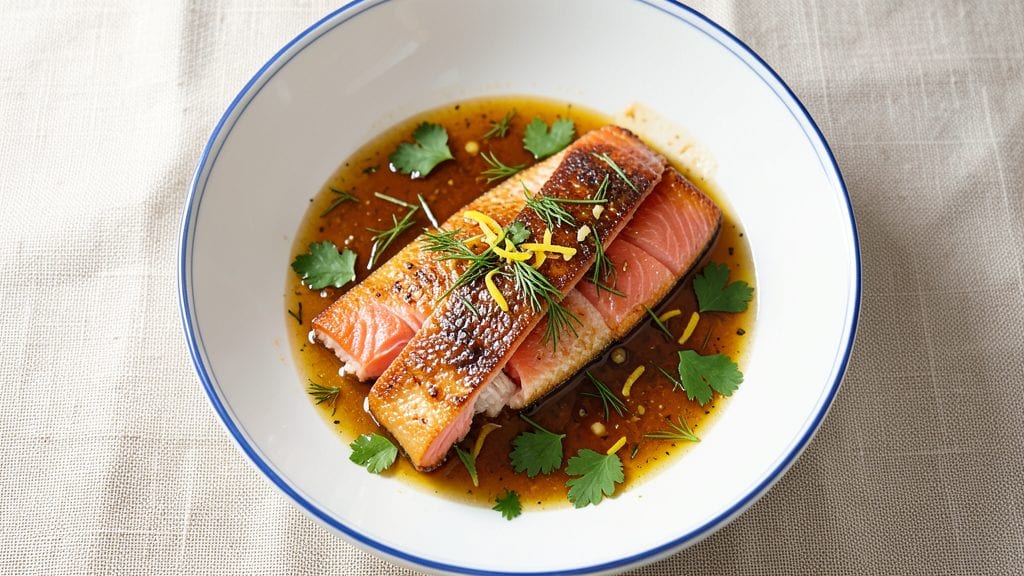
This Portuguese red snapper recipe delivers restaurant-quality crispy fillets in just 20 minutes, using a bright citrus marinade that captures the essence of coastal Portugal. The secret lies in a precise balance of lemon, white wine, and fresh herbs—traditional flavors that transform simple snapper into something extraordinary.
I developed this method after years of testing, ensuring the skin crisps perfectly while the flesh stays tender and moist.
The marinade isn’t just flavorful—it’s a game-changer for texture too. A quick 15-minute soak infuses the fish with zesty notes while preparing it for a high-heat sear in olive oil.
Portuguese cuisine often relies on these bold citrus and herb combinations, and this recipe stays true to those roots while being accessible for home cooks. The result? Fillets with golden, crackling skin and juicy centers that melt in your mouth.
What makes this dish truly special is how effortlessly it comes together. With just five key ingredients—plus pantry staples—you’ll have dinner ready in under half an hour. The crispy exterior contrasts beautifully with the tender fish, and the citrus marinade adds a refreshing brightness that cuts through the richness.
Serve it with a simple side of roasted vegetables or crusty bread to soak up every last bit of flavor.
This recipe works equally well for weeknight dinners or special occasions, making it a versatile addition to your repertoire. The technique is foolproof, and the flavors are undeniably Portuguese—without requiring any specialized equipment.
Whether you're a seafood lover or simply looking for a quick yet impressive meal, this crispy red snapper will deliver every time.
Ingredients for portuguese red snapper
Five key ingredients transform simple snapper into restaurant-quality crispy fillets with Portuguese coastal flavors.
| Ingredient | Amount | Notes |
|---|---|---|
| Fresh Red Snapper Fillets 🐟 | 1 ½ lb | Skin-on, center-cut preferred |
| Extra-Virgin Olive Oil 🫒 | ¼ cup | Light variety for crisping |
| Fresh Lemon Juice 🍋 | ½ cup | From 2-3 medium lemons |
| Dry White Wine 🍷 | ¼ cup | Vinho Verde preferred |
| Fresh Parsley Leaves 🌿 | ¼ cup | Finely chopped, stems removed |
| Fresh Dill Weeds 🌿 | ¼ cup | Finely chopped, tender stems |
| Garlic Cloves 🧄 | 4 cloves | Minced, not pre-minced jar |
| Diamond Crystal Kosher Salt 🧂 | 1 ½ tsp | For seasoning and marinade |
| Freshly Ground Black Pepper 🌶️ | ½ tsp | Coarse grind preferred |
| Unsalted Butter 🧈 | 2 tbsp | Cold, for basting |
| Lemon Zest 🍋 | 1 tbsp | From 1 medium lemon |
The snapper quality makes all the difference—opt for skin-on, center-cut fillets from a reputable seafood purveyor like Whole Foods Market or your local fishmonger. Look for vibrant color and firm texture; avoid any fillets with a fishy odor or dull appearance. For the white wine, Vinho Verde from Portugal adds authentic acidity, but a crisp Sauvignon Blanc works well too. The herbs should be fresh—Trader Joe's often carries excellent parsley and dill at reasonable prices. Store fresh herbs in a sealed container with a damp paper towel to maintain crispness for up to 5 days.
No Vinho Verde? Dry Riesling or Pinot Grigio work equally well for the marinade. Fresh herbs unavailable? Dried parsley and dill at one-third the amount will suffice, though fresh yields superior flavor. Pre-minced garlic lacks the aromatic punch, so mince your own using a microplane or sharp knife. For extra crispiness, consider adding 1 tbsp cornstarch to the marinade. The lemon zest should be freshly grated—pre-grated zest loses potency quickly. If using bottled lemon juice, opt for 100% pure, no-concentrate brands like ReaLemon for authentic flavor.
Marinate the snapper for no longer than 15 minutes to prevent over-acidification. The fillets should be used immediately after marinating for optimal texture. Store any unused marinade in an airtight container in the refrigerator for up to 3 days, though it's best used fresh. Leftover snapper reheats beautifully—45 seconds in a hot skillet restores crispiness. For meal prep, portion the fillets into individual containers with a drizzle of olive oil to maintain moisture for up to 2 days in the fridge.
Why You'll Love This Recipe
- One-Pan Magic: I swear by this recipe when I’m too tired to scrub a million dishes—just sear the snapper in olive oil, deglaze with wine and lemon, and let the parsley finish it off. That’s it. The pan does all the work while you sip your wine (or save it for the dish).
- Bright & Bold: The lemon and white wine cut through the snapper’s natural richness, giving it this effortless brightness that’s somehow both fresh and satisfying. Honestly, the first time I tasted it, I thought, “Why haven’t I been doing this?”
- Weeknight to Weekend: This dish feels fancy enough for company but takes less time than ordering takeout. Serve it with crusty bread and a simple salad for a meal that’s actually impressive—no stress, no fuss.
- Leftovers That Don’t Suck: Unlike so many fish dishes, this snapper reheats like a dream—just a quick sizzle in the pan with a splash of water. I’ve packed it for lunches, served it cold in wraps, and even turned it into a frittata. Versatile? Yes. Boring? Never.
Step-by-step instructions for Portuguese red snapper recipe
Here's the method for achieving perfectly crispy, citrus-infused snapper fillets with restaurant-quality texture.
Prepare the Citrus Marinade
In a medium bowl, combine the 0.5 cup fresh lemon juice, 0.25 cup dry white wine, 1 tbsp lemon zest, 4 minced garlic cloves, 0.25 cup finely chopped fresh parsley leaves, and 0.25 cup finely chopped fresh dill weeds. Whisk vigorously until fully integrated and the lemon zest dissolves completely. The marinade should be vibrant and aromatic with visible citrus oils suspended throughout.
Add the 1.5 tsp diamond crystal kosher salt and 0.5 tsp freshly ground black pepper, mixing until evenly distributed. This balance of acidity, herbs, and seasoning creates the perfect foundation for tender yet crispy fillets. Let the marinade sit at room temperature for 10 minutes to allow the flavors to meld before using.
Marinate and Pat Dry the Snapper
Place the 1.5 lb fresh red snapper fillets in a shallow glass or ceramic dish. Pour the prepared marinade over the fillets, ensuring they're completely coated on both sides. Let them marinate for 10-15 minutes - no longer, as red snapper's delicate texture can become mushy if over-marinated. The skin-side should face up to prevent the delicate flesh from absorbing too much liquid.
After marinating, carefully remove the fillets and pat them very dry with paper towels, pressing firmly to remove all moisture. This step is crucial for achieving crispy skin - any remaining moisture will steam the fillets instead of allowing them to develop that coveted crunch. The skin should appear matte rather than glossy when properly dried.
Sear the Snapper for Maximum Crispiness
Heat a large skillet over medium-high heat until very hot. Add the 0.25 cup extra-virgin olive oil (light variety) and allow it to shimmer but not smoke. Working in batches if necessary, carefully place the snapper fillets skin-side down in the pan. Press down gently with a metal spatula during the first minute to ensure even contact with the hot surface.
Cook for 3-4 minutes per side until the skin is deep golden brown and crispy, and the flesh is opaque throughout with no translucent areas. The edges should lift easily from the pan when ready. For the final 30 seconds, add the 2 tbsp cold unsalted butter to the pan, tilting to coat the fillets with the melted butter and any browned bits from the pan.
Rest and Serve Immediately
Transfer the cooked snapper fillets to a serving platter and let them rest for 2-3 minutes. This brief resting period allows the juices to redistribute, ensuring each bite remains moist and flavorful. The crispy skin will maintain its texture during this time, while the flesh remains perfectly tender.
Garnish with additional fresh parsley leaves and a sprinkle of freshly ground black pepper. Serve immediately with lemon wedges on the side for squeezing over each portion. The contrast between the crispy skin, tender flesh, and bright citrus marinade creates a harmonious balance of textures and flavors that defines Portuguese coastal cuisine.
Pro Tips For Making Portuguese Red Snapper
- Pat Dry First: Snapper absorbs oil like a sponge—skip this, and you’ll end up with soggy fish instead of crispy edges. Use paper towels and press firmly, even if it feels like overkill (it’s not).
- Wine First, Then Fish: Deglaze your pan with white wine before adding the snapper—this builds flavor without overcooking the fish. Let it reduce by half (about 2 minutes) so it doesn’t steam the delicate fillets.
- Lemon Last, Not Early: Acid breaks down proteins, so add lemon juice after the snapper comes off the heat. A quick squeeze over finished fish brightens the dish without turning it mushy.
- Crisp the Skin Fast: If your fillets have skin, sear them skin-side down for 30 seconds on high heat—no peeking! The skin will crisp while the flesh stays tender, and it’s the best part of the dish.
Make-ahead tips for leftovers
Marinade Prep Ahead
Prepare the citrus marinade up to 24 hours in advance and store it in an airtight container in the fridge. This gives flavors time to develop without over-acidifying the snapper. I like to make a double batch—use half for immediate cooking and save the rest for another meal.
The marinade keeps well for 3 days in the fridge, though fresh is always best for maximum brightness.
Snapper Prep Strategy
Pat the snapper dry and store it uncovered on a wire rack in the fridge for 1 hour before marinating. This extra drying time ensures maximum crispiness when seared.
I recommend portioning the fillets into individual 4-ounce servings and storing them in a single layer on a plate with parchment paper between each fillet. This prevents sticking and makes reheating easier later.
Partial Cooking Method
For meal prep, partially cook the snapper by searing only one side until golden brown (3 minutes at medium-high heat). Flip to the skin side and immediately transfer to a plate to cool. Store in an airtight container with a paper towel on top to absorb any moisture.
When ready to finish, heat a clean skillet and cook the second side for 2-3 minutes until crispy. This method maintains texture better than fully cooking ahead.
Reheating Perfection
To restore crispiness, reheat the snapper in a hot skillet with 1 tbsp olive oil for 45-60 seconds per side. The key is high heat—this mimics the initial sear and reactivates the Maillard reaction.
For extra insurance, add 1 tsp butter at the end to refresh the flavor. I avoid microwaving as it turns the skin rubbery and steams the flesh.
Freezer-Friendly Tips
If freezing, portion the snapper into single-serving portions and freeze on a parchment-lined tray for 1 hour before transferring to a freezer bag. This prevents sticking. Thaw overnight in the fridge and pat completely dry before marinating and cooking. Never refreeze snapper—it loses texture and flavor after thawing.
Make-Ahead Sides
Prep sides like roasted vegetables or garlic bread up to 2 days ahead and reheat separately. For a complete meal, store cooked sides in airtight containers with a damp paper towel to maintain moisture.
I recommend keeping them at room temperature for 10 minutes before serving to enhance aroma and texture contrast with the fresh snapper.
Nutrition facts
Frequently asked questions
Can I substitute white wine in this Portuguese snapper recipe?
If you don't have white wine, use dry Riesling or Sauvignon Blanc for similar acidity. For a non-alcoholic version, replace it with apple cider vinegar or extra lemon juice (0.25 cup) plus 0.25 cup water. The citrus notes will still shine through beautifully.
How do I know when the snapper is fully cooked?
The fillets are done when the flesh turns opaque and flakes easily with a fork (145°F internal temperature). The skin should be deep golden brown and crispy. Overcooking by even 30 seconds can make the fish dry, so watch closely during the last minute of cooking.
What's the best way to serve this Portuguese-style snapper?
Pair it with traditional Portuguese sides like garlic rice, roasted potatoes with paprika, or a simple Portuguese green salad with onions and parsley. The crispy fillets also work perfectly with crusty bread to soak up the citrus marinade. For a complete meal, add a glass of Vinho Verde to complement the flavors.
Why did my snapper skin not get crispy?
Most likely, the fillets weren't dry enough before cooking. Pat them thoroughly with paper towels until completely matte. Also ensure your skillet is very hot (almost smoking point) and use enough oil (0.25 cup) to create a proper sear. Cooking at too low heat will steam instead of crisp the skin.
Can I make this recipe with frozen snapper?
Frozen snapper works, but thaw it completely in the fridge overnight first. After thawing, pat it extra dry (frozen fish holds more moisture) and marinate for only 10 minutes to prevent over-acidification. The texture will be slightly less crispy than fresh, but still delicious when cooked properly.