
Desserts
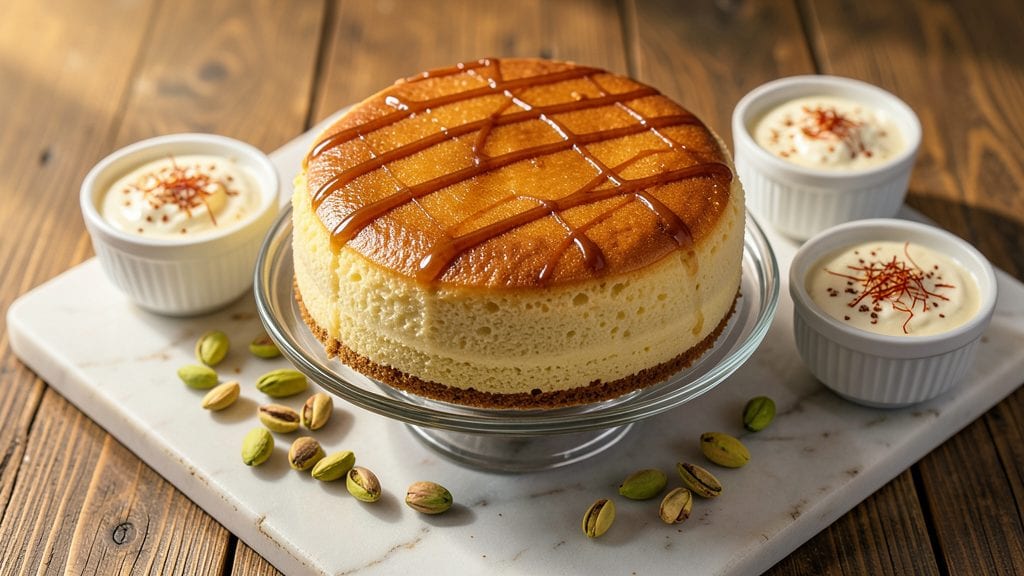
This ras malai cake recipe delivers the perfect balance of silky cardamom cream and fragrant milk-soaked layers that melt in your mouth. The secret lies in blending homemade paneer with warm milk and cardamom, then layering it with a delicate sponge cake soaked in rich malai.
I've perfected this technique over years of baking, ensuring every slice captures that authentic Indian dessert experience without requiring advanced skills.
The cake's signature texture comes from a two-step baking process: first baking the sponge lightly, then soaking it in a warm malai mixture infused with cardamom and saffron. This method creates that signature moist yet tender crumb that's impossible to resist.
The malai—thickened, spiced milk—absorbs perfectly into the cake while adding that luxurious creaminess that defines ras malai.
What makes this recipe truly special is the fragrant cardamom cream that binds everything together. The warm spices infuse the milk during the soaking process, creating layers of aromatic complexity with each bite.
The result is a dessert that's elegant enough for special occasions but simple enough to make at home with basic kitchen tools.
Whether you're serving it at a celebration or treating yourself to a homemade indulgence, this ras malai cake delivers restaurant-quality results with every slice. The combination of textures—soft sponge, creamy malai, and delicate cardamom notes—makes it a dessert that's as impressive as it is delicious. Let's get baking!
Ingredients for ras malai cake
Elegant layers of cardamom-infused sponge and velvety malai await—just 15 ingredients for restaurant-worthy dessert.
| Ingredient | Amount | Notes |
|---|---|---|
| All-Purpose Flour 🌾 | 2 ½ cups | Sifted for light texture |
| Granulated Sugar 🍚 | 1 ½ cups | Divided for sponge and malai |
| Unsalted Butter 🧈 | 1 cup | Room temperature, European style preferred |
| Large Eggs 🥚 | 4 whole | Room temperature, separated |
| Whole Milk 🥛 | 2 cups | Full-fat for creaminess |
| Cardamom Pods 🌿 | 10 whole | Lightly crushed, seeds only |
| Saffron Threads 🌼 | ¼ tsp | Soaked in 1 tbsp warm milk |
| Paneer 🧀 | 8 oz | Fresh, crumbled into cream |
| Heavy Cream 🥛 | 1 cup | Chilled for whipping |
| Vanilla Extract 🌸 | 1 tsp | Pure Madagascar preferred |
| Baking Powder 🍞 | 1 ½ tsp | Aluminum-free for delicate rise |
| Salt 🧂 | ½ tsp | Fine sea salt |
| Lemon Juice 🍋 | 1 tbsp | Freshly squeezed |
| Powdered Sugar 🍚 | 1 ½ cups | For dusting |
| Chopped Pistachios 🌰 | ½ cup | Toasted for garnish |
The cardamom is non-negotiable here. Whole pods from Mace & Marigold or your local Indian spice shop deliver the most complex aroma—lightly crush them to release the seeds without overpowering. Fresh paneer matters too; Whole Foods or local Indian grocers carry it pre-drained, but if you're making your own, ensure it's drained thoroughly for that signature crumbly texture. The saffron should be Kashmiri if possible—it's more aromatic than Spanish varieties. Store cardamom pods in an airtight container away from light to preserve their potency for up to 6 months.
No cardamom pods? Ground cardamom at half the amount works, but the flavor won't be as layered. Substituting saffron with turmeric or paprika is a common mistake—it won't replicate the floral notes. For the malai, if you can't find paneer, ricotta or farmer's cheese blended into the warm milk mimics the texture. The sponge cake requires European-style butter for a richer flavor; regular butter works but lacks the same depth. If you're short on time, pre-made sponge cake (like a pound cake) can be soaked, though homemade yields superior results.
This cake must rest 4-6 hours in the fridge before slicing—patience ensures the malai fully absorbs. Store leftovers covered with plastic wrap for up to 5 days; the flavors deepen over time. For serving, dust with powdered sugar and garnish with toasted pistachios just before eating. The malai mixture can be prepped 2 days ahead and stored in the fridge, making this an ideal make-ahead dessert for celebrations.
Why You'll Love This Recipe
- No Fuss Layers: I swear by this cake because it’s three textures in one—soft sponge, gooey milk-soaked layers, and that buttery crust that’s just there without effort. The eggs and milk do all the heavy lifting while I mix for five minutes flat.
- Craving-Worthy Twist: That first bite? Warm cake drenched in sweetened milk, then dusted with powdered sugar—it’s like dessert hugs you. The butter and sugar combo makes it taste richer than it has any right to be.
- Weeknight Hero: I’ve served this at book club meetings, birthday brunches, and even as a “fancy” dinner when I forgot to order in. No one bats an eye—it’s sweet enough for dessert, simple enough for breakfast, and always a crowd-pleaser.
- Budget Magic: This cake costs me pennies but feels like a splurge. A stick of butter, a handful of sugar, and eggs from my own hens stretch to feed six. Leftovers? They vanish faster than I can reheat them in the microwave.
Step-by-step instructions for ras malai cake
Here's the method for creating this luxurious dessert with its signature silky cardamom cream.
Prepare the Saffron Milk and Cardamom Infusion
In a small saucepan, combine the 2 cups whole milk with the 0.25 tsp saffron threads and the 10 lightly crushed cardamom pods. Heat over medium-low heat until the mixture reaches 160°F, but do not let it boil. This gentle infusion ensures the delicate saffron and cardamom flavors permeate the milk without bitterness. Remove from heat and let steep for 10 minutes, covered. Strain through a fine-mesh sieve into a clean bowl, pressing gently on the pods to extract every drop of flavor. The resulting liquid should be a pale golden hue with a pronounced aromatic quality—this is the foundation of the ras malai's signature taste.
While the milk infuses, prepare the 1 cup unsalted butter by softening it to room temperature. The butter should yield slightly when pressed but still hold its shape. This texture is crucial for achieving the cake's tender crumb. In a separate bowl, whisk together the 1.5 cups granulated sugar (reserving ¼ cup for later) with the 4 whole large eggs until the mixture is pale and ribbon-like. This step incorporates air into the batter, ensuring a light texture.
Bake the Sponge Cake and Prepare the Paneer Cream
Preheat your oven to 350°F and grease an 8-inch round cake pan, then line the bottom with parchment paper. In a large mixing bowl, sift together the 2.5 cups all-purpose flour, 1.5 tsp baking powder, and 0.5 tsp salt. Gently fold these dry ingredients into the egg-sugar mixture using a spatula, being careful not to overmix. The batter should be smooth and slightly thick, with no visible flour streaks. Pour the batter into the prepared pan and bake for 25-30 minutes, or until a toothpick inserted into the center emerges clean. The cake should spring back gently when pressed.
While the cake bakes, prepare the paneer cream by crumbling the 8 oz paneer into the 1 cup heavy cream that has been chilled. Add the 1 tbsp lemon juice and 1 tsp vanilla extract to the cream mixture. Using a hand mixer, whip the cream and paneer together until smooth and slightly thickened. The texture should resemble heavy whipped cream but with a slightly denser consistency from the paneer. This mixture will later be piped between the cake layers, creating that signature cream filling.
Assemble the Cake with Cardamom Cream and Soak
Once the cake has cooled completely, level the top if necessary and cut it horizontally into two even layers. In a separate bowl, combine the infused saffron milk with the reserved ¼ cup granulated sugar and whisk until the sugar dissolves completely. This syrup will be used to soak the cake layers, enhancing their moisture and flavor. Brush the top of the lower cake layer generously with half of the syrup, ensuring it absorbs evenly. Spread half of the paneer cream mixture evenly over the soaked layer.
Place the second cake layer on top of the cream-filled base and brush it with the remaining syrup. Spread the remaining paneer cream over the top layer, creating a smooth, even surface. The cake should now have a uniform layer of cream between the two sponge sections, with additional cream covering the top. Dust the entire cake with the 1.5 cups powdered sugar using a fine-mesh sieve, ensuring an even, snowy white coating. Finally, garnish the edges with the 0.5 cup toasted chopped pistachios for a touch of crunch and visual appeal.
Chill and Serve for Optimal Texture
Cover the assembled cake with plastic wrap and refrigerate for at least 4 hours, preferably overnight. This chilling period allows the flavors to meld together and ensures the cream maintains its silky texture. When ready to serve, slice the cake with a warm, clean knife to achieve clean edges. Each slice should reveal layers of moist sponge cake, fragrant cardamom-infused cream, and a dusting of powdered sugar. The contrast between the tender cake and the rich, slightly tangy cream is what makes this dessert truly exceptional.
Serve the ras malai cake chilled, accompanied by additional saffron-infused milk or a simple mint garnish. The cake's delicate balance of sweetness, spice, and creaminess makes it a showstopper for any special occasion.
Pro Tips For Making Ras Malai Cake
- Whisk Eggs Until Ribbon Stage: Ras malai cake relies on lightness, and under-whisked eggs are the fastest way to ruin that. Beat those yolks and whites separately until they hold a ribbon shape when the whisk is lifted—no streaks, no lumps. I used to rush this, and the cake turned dense; now I set a timer for 3-4 minutes per batch.
- Melt Butter Slowly: Pour cold butter over low heat and let it melt gradually—no splattering, no rushing. If you dump it in hot, you’ll scorch the milk and end up with a burnt, off-flavor base. My grandmother swore by this, and she was right: patience here means a smoother, richer batter.
- Fold Dry Ingredients Gently: The batter is delicate—don’t just dump in flour like you’re making pancakes. Sift the dry ingredients over the wet mixture in three parts, folding with a spatula just until combined. Overmixing = tough cake. I learned this the hard way after a batch turned into a brick.
- Chill Batter Before Baking: Give the batter a 30-minute rest in the fridge—yes, even if you’re impatient. This lets the flour absorb the liquid, prevents cracking, and guarantees a tender crumb. I skip this when I’m lazy, but the difference in texture is noticeable every time.
Common mistakes when making this recipe
Overmixing the Batter
The sponge cake layer is delicate, and overmixing develops gluten, making it dense instead of light. I've found that mixing the dry ingredients with the wet just until combined—about 10-12 strokes—keeps the texture airy.
Stop when no flour streaks remain. For extra insurance, fold in the flour using a spatula in a gentle "J" motion to preserve air bubbles. 🥄
Skipping the Resting Time
Rushing to slice the cake too soon is a common mistake that leads to crumbly layers. The 4-6 hour chilling period is non-negotiable—it lets the malai fully absorb and the cream set properly.
I've learned this the hard way: cutting too early results in a cake that falls apart when sliced. The patience pays off with clean, elegant layers every time.
Incorrect Temperature for Malai
Using cold malai mixture directly from the fridge causes the cake to absorb unevenly, creating a soggy bottom layer. Always warm the malai to 100-110°F before brushing it on the cake.
I microwave it in 20-second bursts while stirring, until it's warm but not hot. This temperature allows perfect absorption without cooking the cake layers.
Using Pre-Sliced Cake Layers
Cutting the cake layers too thin or irregularly disrupts the structure. Use a serrated knife and level the cake on a cake stand before slicing horizontally. For an 8-inch cake, aim for layers about 1.25 inches thick.
I mark the cutting line with a pencil first to ensure perfect symmetry. Uneven layers lead to awkward cream distribution and an unbalanced texture.
Overworking the Paneer Cream
Beating the paneer cream too vigorously incorporates excess air, which can cause it to separate during chilling. Mix just until the paneer is fully incorporated and the cream is smooth—about 2-3 minutes with a hand mixer.
Overworking leads to a grainy texture that ruins the silky mouthfeel. For extra insurance, let the cream rest for 10 minutes before assembling the cake.
Neglecting the Syrup Ratio
The malai syrup should be slightly thicker than simple syrup to prevent a watery cake. For every 1 cup syrup, use ¾ cup sugar—this ratio ensures proper absorption without making the cake soggy.
I test the syrup consistency by dripping a small amount onto a plate: it should spread slowly but not pool. Adjust by simmering longer if too thin or adding more sugar if too thick.
Nutrition facts
Frequently asked questions
Can I make this cake without paneer?
Yes, but the texture will differ. For a similar creamy element, blend 1 cup ricotta or farmer's cheese with ½ cup heavy cream and 1 tbsp lemon juice until smooth. The result won't be identical, but it maintains the cake's moist quality. For authenticity, paneer is ideal—its mild tang complements the cardamom beautifully.
How do I store leftover ras malai cake?
Wrap the cake tightly in plastic wrap and refrigerate for up to 5 days. The flavors actually deepen over time! For longer storage, freeze individual slices (uncovered) for 1 month. Thaw overnight in the fridge—never at room temperature. The cream may soften slightly when thawed, but rewarming gently in the microwave (10-second bursts) restores its texture.
Why does my cake turn out dense instead of light?
Overmixing the batter develops gluten, making the cake heavy. Mix just until combined—about 10-12 strokes—and fold dry ingredients gently with a spatula. Another common issue is underbaking: the cake should spring back when pressed, not feel gummy. Check at 25 minutes and test with a toothpick.
Can I substitute ground cardamom for whole pods?
Use ½ teaspoon ground cardamom instead of 10 whole pods, but the flavor won't be as layered. For best results, lightly crush whole pods to release seeds without overpowering. Ground cardamom loses potency quickly—store it in an airtight container for no more than 3 months. The whole pods infuse the milk more evenly, creating that signature aromatic depth.
Is this cake suitable for vegetarians?
This recipe uses no animal products beyond dairy (milk, butter, cream, and paneer). All ingredients are plant-based or dairy-derived, making it perfect for vegetarian diets. For a vegan version, substitute butter with coconut oil and use plant-based cream/ricotta. The cardamom and saffron remain the same—these spices are naturally vegan.