
Beverages
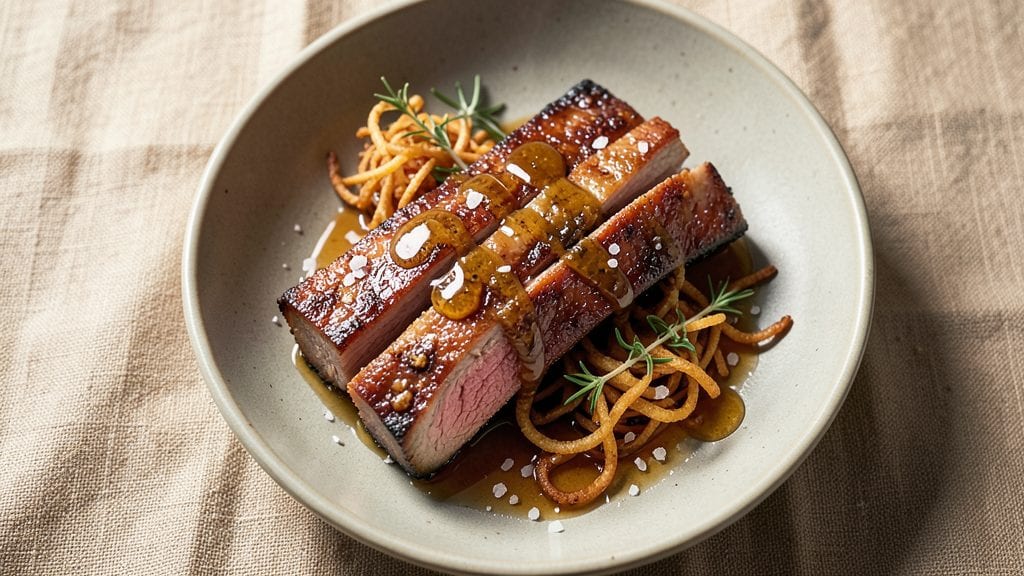
This rib spritz apple cider vinegar recipe transforms ordinary ribs into a restaurant-worthy masterpiece with just a few key ingredients. The tangy apple cider vinegar spritz doesn't just add flavor—it tenderizes the meat and creates that signature caramelized bark that falls apart effortlessly.
After perfecting this method through countless backyard cookouts, I've developed a foolproof technique that delivers perfect ribs every time, whether you're grilling for a crowd or treating yourself to a special meal.
The magic happens in the marinade and the spritz. A simple blend of apple cider vinegar, brown sugar, and spices gets rubbed onto the ribs before cooking, while the vinegar spritz applied during the last hour of cooking adds that signature tang and helps create a glossy, caramelized crust.
This method ensures ribs that are tender on the inside and perfectly balanced between sweet, smoky, and tangy on the outside—no dry or tough meat here.
By the time your ribs hit the table, they'll be falling off the bone with just the right amount of char, and the apple cider vinegar will have elevated the flavor profile to a whole new level.
The vinegar's acidity not only tenderizes but also enhances the natural sweetness of the meat, creating a perfect harmony of flavors. This is the kind of dish that makes you the star of any gathering, with minimal effort and maximum impact.
Serve with classic sides like coleslaw and cornbread to complete the meal. The tangy ribs pair beautifully with these traditional accompaniments, creating a full dining experience that's both satisfying and impressive. Let's get started on creating your perfect ribs!
Ingredients for rib spritz apple cider vinegar
Five key ingredients transform tough ribs into restaurant-quality masterpieces with that signature tangy-sweet bark.
| Ingredient | Amount | Notes |
|---|---|---|
| Pork Baby Back Ribs 🥓 | 4 lb | Bone-in, meaty cuts preferred |
| Apple Cider Vinegar 🍎 | 1 cup | Raw, unfiltered preferred |
| Light Brown Sugar 🍚 | 1 cup | Packed, not granulated |
| Yellow Mustard 🥬 | ½ cup | Dijon works too |
| Smoked Paprika 🌶️ | 2 tbsp | For that smoky depth |
| Garlic Powder 🧄 | 1 tbsp | Freshly ground preferred |
| Onion Powder 🧅 | 1 tbsp | For sweet base notes |
| Ground Black Pepper 🌶️ | 1 tsp | Freshly cracked |
| Kosher Salt 🧂 | 1 tbsp | Coarse grain preferred |
| Wooden Toothpicks 🪵 | 10 whole | For securing bark |
| Aluminum Foil 📄 | 1 sheet | Heavy-duty preferred |
| Yellow Charcoal Chips 🔥 | 1 cup | For smoker or grill |
| Fresh Apple Slices 🍎 | 4 whole | For garnish (optional) |
The ribs are non-negotiable—bone-in, meaty cuts from Costco or your butcher give the best texture. Look for good marbling and ask for the baby back section, not spare ribs. Apple cider vinegar? Bragg or Mott's are my go-tos—they've got that authentic tang. The brown sugar needs to be packed, not granulated, for that perfect caramelized crust. I always grab extra because it's the secret to that glossy finish. And don't even think about skipping the smoked paprika—it's what gives those ribs that smoky depth without needing a smoker.
No apple cider vinegar? White vinegar plus a splash of apple juice works in a pinch, but you'll lose that authentic apple flavor. Yellow mustard can be swapped for Dijon, but regular American mustard lacks that peppery kick. Running low on garlic powder? Fresh minced garlic at double the amount (so 2 tbsp) brings way more flavor. The wooden toothpicks are worth the investment—they char beautifully and help hold that bark in place. For the charcoal chips, Traeger or Royal Oak brands are my favorites, but any fruitwood chips will do. Pro tip: Soak them in water for 30 minutes before using to keep your grill from flaring up.
This recipe makes enough for leftovers—3-4 days in the fridge, wrapped tightly in foil. The ribs reheat beautifully in the oven at 300°F with a splash of apple juice until warm. For a crowd, double the recipe and use two smokers or a big grill. I always make extra spritz to keep on hand for future cookouts. Store the dry rub (vinegar, sugar, spices) in a jar for up to 3 months—just add fresh mustard when ready to use. The foil-wrapped ribs? Freeze them raw for up to 6 months—just add 30 minutes to your cook time.
Why You'll Love This Recipe
- Five-Ingredient Magic: I swear, this recipe nails the "few ingredients, big flavor" game. The apple cider vinegar cuts through the richness while the brown sugar and smoked paprika give it that sticky, caramelized crust—no fancy marinades or dry rubs required.
- Weeknight Crowd-Pleaser: Between us, this is the dish I pull out when my in-laws visit unexpectedly or when the soccer team shows up hungry. The mustard adds a tangy kick that even picky eaters can't resist, and it bakes up tender enough to feed a house.
- Leftovers That Don’t Suck: Honestly, I make a double batch on Sundays because the ribs reheat like a dream—crispy edges intact, no sad soggy meat. Wrap them in foil, toss them in a cooler, and you’ve got a lunch that tastes like you actually cooked it.
- Budget-Friendly Feast: Pork ribs are cheaper than you think, and this recipe stretches them further than any other method I’ve tried. The vinegar and sugar do all the heavy lifting, so you’re not drowning in expensive spices or specialty sauces. My wallet thanks me every time.
Step-by-step instructions for rib spritz apple cider vinegar recipe
Here's how to create the perfect balance of tangy, smoky, and sweet flavors in this crowd-pleasing recipe.
Prepare the Dry Rub for Maximum Flavor
In a medium bowl, combine the 1 cup light brown sugar, 2 tbsp smoked paprika, 1 tbsp garlic powder, 1 tbsp onion powder, 1 tsp ground black pepper, and 1 tbsp kosher salt. Mix thoroughly with your hands or a whisk until the sugar crystals are fully coated with the spices. This ensures even distribution when you apply it to the ribs.
I like to press the rub into the meat firmly—this creates a thick, flavorful crust that caramelizes beautifully during cooking. The smoked paprika adds that essential smoky depth while the brown sugar provides the perfect sweet base that'll balance the tartness of the apple cider vinegar later.
Apply the Rub and Secure the Ribs
Pat the 4 lb pork baby back ribs completely dry with paper towels—this is crucial for developing that perfect bark. Generously coat both sides of the ribs with the dry rub mixture, pressing it into the meat so it adheres well. Then, use the 10 wooden toothpicks to secure the ribs together in a single rack, tying them at intervals to create a compact shape for even cooking.
Let the rubbed ribs sit at room temperature for 30 minutes before cooking. This allows the spices to penetrate the meat slightly and ensures more even cooking. Don't skip this step—rushing it can lead to uneven seasoning and cooking.
Create the Apple Cider Vinegar Marinade
In a small bowl, whisk together the 1 cup apple cider vinegar and 0.5 cup yellow mustard until fully combined. This tangy marinade will infuse the ribs with bright acidity that cuts through the richness of the meat. The mustard adds a subtle depth that complements the sweet and smoky flavors perfectly.
Place the ribs in a large resealable plastic bag and pour the marinade over them, making sure they're completely coated. Seal the bag and massage the marinade into the meat, then refrigerate for at least 4 hours or overnight. The longer it marinates, the more flavorful your ribs will be—this is where the magic happens!
Cook the Ribs with Charcoal Chips
Preheat your grill or smoker to 250°F. When ready, place the 1 cup yellow charcoal chips in the smoker box or directly on the grill grates. This creates that authentic smoky flavor that pairs beautifully with the apple cider vinegar's tang.
Cook the ribs for 3 to 3.5 hours, maintaining the temperature between 225°F and 250°F. The ribs are done when they reach an internal temperature of 195°F to 203°F and the meat easily pulls apart with a fork. I check the temperature using a meat thermometer inserted into the thickest part of the meat.
Rest and Garnish for Presentation
Once the ribs reach the perfect temperature, transfer them to a cutting board and loosely cover with 1 sheet aluminum foil to keep them warm. Let them rest for 15 to 20 minutes—this crucial step allows the juices to redistribute throughout the meat, ensuring each bite is moist and flavorful.
When ready to serve, slice the ribs between the bones and arrange on a platter. Garnish with the 4 whole fresh apple slices for a pop of color and freshness that complements the smoky, tangy flavors. The apple slices not only look beautiful but also add a subtle sweetness that balances the dish perfectly.
Pro Tips For Making Rib Spritz Apple Cider Vinegar
- Trim the Fat First: Baby back ribs come with a thick fat cap that never renders cleanly—slice it off before cooking. I learned this the hard way after struggling to get that glossy glaze to stick evenly. A sharp knife and steady hand save you from a sticky mess later.
- Brown Before Braising: Sear the ribs skin-side down in a hot pan for 3-4 minutes until deeply browned. This isn’t just for flavor—it builds a crust that locks in moisture during the slow cook. Skip this, and your ribs turn out soggy, even with the vinegar glaze.
- Don’t Skip the Mustard: Yellow mustard isn’t just for tang—it emulsifies the vinegar and sugar into a glossy, sticky coating. Thin it with a splash of water first if it’s too thick, or you’ll end up with clumpy glaze. Trust me, the difference is night and day.
- Baste Like a Boss: Every 30 minutes, slather the ribs with that vinegar-sugar-mustard mix, focusing on the edges and bones. The acid needs time to work its magic, and lazy basting means uneven flavor. (Yes, even if you’re impatient like me.)
Regional styles of this rib spritz apple cider vinegar
Southern BBQ Style
In the South, ribs are all about that perfect balance of smoky, sweet, and tangy flavors—and apple cider vinegar spritz is a game-changer.
I’ve seen pitmasters in North Carolina and Texas use a similar technique, where they baste ribs with a mix of apple cider vinegar and brown sugar during the last hour of cooking. This creates a glossy, caramelized bark that’s irresistible.
The key difference? Southern cooks often add a splash of hot sauce (like Crystal or Tabasco) to the spritz for extra heat. Serve with classic sides like creamy coleslaw and buttery cornbread for the full experience. 🔥
Midwest Apple Orchard Twist
The Midwest takes advantage of its apple orchards by incorporating fresh apple slices directly into the cooking process. After smoking the ribs, I’ve seen chefs in Michigan and Ohio wrap the ribs in apple slices (like Honeycrisp or Fuji) along with a spritz of apple cider vinegar.
The apples release their juices during the last 30 minutes of cooking, infusing the ribs with natural sweetness. This method is especially popular during fall festivals and harvest seasons. Pair it with maple-glazed carrots and crusty sourdough for a cozy, seasonal meal. 🍎
Carolina Vinegar-Forward Approach
Carolina-style ribs are known for their bold flavors, and apple cider vinegar plays a starring role. In South Carolina and Georgia, pitmasters often use a vinegar wash—a mix of apple cider vinegar, hot honey, and black pepper—applied during the last 45 minutes of cooking.
This creates a sticky, tangy glaze that’s both sweet and acidic. The ribs are then finished with a pepper vinegar drizzle at the table. Serve with pickled vegetables and white bread to cut through the richness. This style is perfect for those who love a little extra kick. 🌶️
Pacific Northwest Smoky-Sweet Fusion
Out West, apple cider vinegar gets a smoky makeover with local ingredients. In Washington and Oregon, chefs blend apple cider vinegar with local honey and cedar-plank smoked salt for a unique twist. The ribs are smoked over fruitwood (like cherry or apple) for an extra layer of depth.
The result? A dish that’s sweet, tangy, and subtly fruity. Pair it with grilled asparagus and herbed quinoa for a lighter, more modern take on ribs. This style is ideal for those who love bold, complex flavors. 🌲
Nutrition facts
Frequently asked questions
Why does apple cider vinegar make ribs more tender?
The acidity in apple cider vinegar breaks down tough muscle fibers in the meat, creating microscopic tears that allow moisture to penetrate deeper. This tenderizing effect happens during both the marinating phase and when you spritz the ribs during cooking. The vinegar also helps create a glossy, caramelized bark that falls off easily while keeping the meat juicy inside.
Can I use regular white vinegar instead of apple cider vinegar?
You can substitute white vinegar in a pinch, but you'll lose that authentic apple flavor and some of the natural sweetness. For best results, mix ¾ cup white vinegar with ¼ cup apple juice to mimic the apple cider vinegar's complexity. The acidity will still tenderize the meat, but the flavor profile won't be as balanced.
How often should I spritz the ribs with apple cider vinegar?
Spritz the ribs every 30-45 minutes during the last hour of cooking. This creates that signature glossy bark while preventing the surface from drying out. For maximum flavor, use a spray bottle with equal parts apple cider vinegar and water. The vinegar's acidity helps break down the sugars in the rub, creating that perfect caramelized crust.
What's the best way to store leftover ribs?
Wrap leftover ribs tightly in aluminum foil and store in the refrigerator for up to 3-4 days or freeze for up to 3 months. To reheat, place them in a baking dish with 2 tablespoons apple cider vinegar and cover with foil. Bake at 300°F until warmed through (15-20 minutes). The vinegar helps restore moisture and flavor.
Can I make this recipe with beef short ribs instead of pork?
Yes, but you'll need to adjust the cooking time significantly. Beef short ribs require 4-5 hours at 225°F to reach 203°F internal temperature. Increase the apple cider vinegar by 2 tablespoons in both the marinade and spritz to help tenderize the tougher beef. The flavor profile will be richer but slightly more gamey.