
Snacks
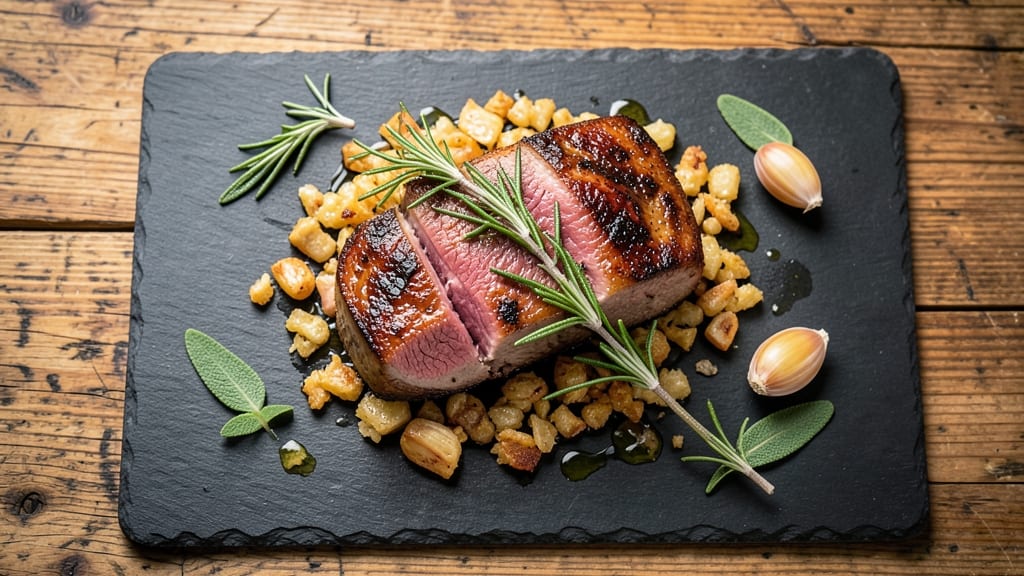
Mastering a roasted venison tenderloin recipe with a herb-sealed crust and pink-centered perfection transforms game day into a gourmet experience. The secret lies in precise temperature control and a dry-brine technique that ensures tender meat without overcooking.
I’ve refined this method over years of hunting season, balancing traditional butchery with modern roasting precision.
The process begins with a 24-hour dry brine—essential for keeping the venison juicy and allowing the herb crust to adhere perfectly. A high-heat sear locks in flavors while maintaining that sought-after pink center, typically achieved at 130°F internal temperature.
This approach delivers restaurant-quality results without requiring specialized equipment, just patience and attention to detail.
What you’ll achieve is a tender, flavorful tenderloin with a crispy herb crust that adds depth to every bite. The pink center remains juicy and rich, a hallmark of properly cooked venison.
This method ensures even distribution of heat, preventing dryness while maximizing tenderness—ideal for special occasions or when you want to impress guests.
Pair with roasted root vegetables or a red wine reduction for a complete meal. The herb crust can be customized with rosemary, thyme, or garlic, depending on your preference. Let’s get started on creating this showstopping centerpiece.
Ingredients for roasted venison tenderloin
Precision ingredients for a restaurant-quality venison tenderloin with a crisp herb crust and juicy pink center.
| Ingredient | Amount | Notes |
|---|---|---|
| Venison Tenderloin 🦌 | 1 ½ lb | Center-cut, vacuum-sealed preferred |
| Kosher Salt 🧂 | ½ cup | Diamond Crystal preferred for dry brine |
| Fresh Rosemary 🌿 | ¼ cup | Finely chopped, organic preferred |
| Fresh Thyme 🌿 | ⅛ cup | Leaves only, stems removed |
| Garlic Cloves 🧄 | 8 cloves | Peeled, minced for herb paste |
| Extra-Virgin Olive Oil 🫒 | ¼ cup | High-quality, fruity variety |
| Unsalted Butter 🧈 | ¼ cup | Cold, cubed for crust |
| Fresh Sage 🌿 | ⅛ cup | Chopped, stems removed |
| Black Peppercorns 🌶️ | 1 tbsp | Freshly cracked, coarse grind |
| Red Wine 🍷 | ½ cup | Dry, bold variety for reduction |
| Heavy Cream 🥛 | ¼ cup | Full-fat for richness |
| Honey 🍯 | 1 tbsp | Wildflower preferred for balance |
| Carrots 🥕 | 1 lb | Whole, peeled for roasting |
| Parsnips 🥕 | 1 lb | Whole, peeled for roasting |
The venison tenderloin is the centerpiece—source from a trusted butcher or game processor for optimal quality. Center-cut pieces yield the most tender results, and vacuum-sealed packaging preserves freshness. For the herb crust, prioritize organic rosemary and thyme from specialty markets like Whole Foods or local farmers' markets, as they retain superior flavor. The Diamond Crystal kosher salt is essential for the dry brine; its coarse texture adheres better than table salt. If using frozen venison, thaw it in the refrigerator for 24 hours before brining to ensure even seasoning.
Substitutions should maintain the dish's integrity. If fresh herbs are unavailable, dried rosemary and thyme at one-third the amount work, though flavor intensity will differ. For the red wine reduction, Cabernet Sauvignon or Merlot are ideal, but a dry white wine in a pinch will suffice. The heavy cream can be replaced with half-and-half for a lighter texture, though richness may diminish. Honey can be swapped for maple syrup if unavailable, though flavor notes will vary. For the root vegetables, potatoes or sweet potatoes can substitute carrots and parsnips while maintaining the dish's balance.
Store the venison in the refrigerator for up to 3 days before roasting, wrapped tightly in plastic wrap. The herb crust components (butter, herbs, garlic, and pepper) can be prepped 24 hours ahead and refrigerated in an airtight container. Once roasted, the tenderloin reheats beautifully—slice and warm in a 350°F oven for 10-15 minutes covered with foil. The roasted vegetables keep well for 4 days in the refrigerator and can be reheated in the oven or microwave. For longer storage, freeze the tenderloin in portions for up to 3 months.
Why You'll Love This Recipe
- Foolproof Roast: I swear by this method—just season, sear, and roast. No fancy techniques, no stress, and the venison practically melts in your mouth.
- Herb-Crust Magic: That rosemary-thyme crust with crushed garlic? It’s like a flavor bomb. The edges get perfectly crisp, while the inside stays juicy—no dry bites here.
- Weeknight or WOW: Slap this on the table for a busy Tuesday or impress guests at a dinner party. Same effort, different vibes—just adjust the roast time for medium or well-done.
- Leftovers That Don’t Suck: Honestly, I make this on purpose for leftovers. Slice it thin for sandwiches or toss it into pasta the next day—it’s that good, and it keeps well for days.
Step-by-step instructions for roasted venison tenderloin recipe
Master this technique for a perfectly sealed crust and tender pink center every time.
Prepare the Dry Brine and Herb Paste
Begin by combining the 0.5 cup kosher salt with the 0.25 cup fresh rosemary, 0.125 cup fresh thyme, 0.125 cup fresh sage, and 1 tablespoon freshly cracked black peppercorns in a bowl. Mix thoroughly to create an even seasoning blend. This salt mixture will draw out moisture from the venison while infusing it with aromatic depth.
In a separate bowl, finely mince the 8 cloves garlic and combine with the 0.25 cup extra-virgin olive oil to create a paste. This herb-oil mixture will form the sealing crust that locks in juices during roasting. The garlic should be minced to a smooth consistency—no visible pieces—to ensure even distribution.
Dry Brine the Venison Overnight
Pat the 1.5 lb venison tenderloin completely dry with paper towels, removing all surface moisture. This step is critical for achieving a proper crust. Apply the salt-herb mixture generously over the entire surface, pressing it into the meat so it adheres evenly. Then, coat the tenderloin with the garlic-herb oil paste, ensuring complete coverage.
Place the seasoned venison on a wire rack set over a baking sheet and refrigerate uncovered for 24 hours. This extended dry brine period ensures deep flavor penetration and proper moisture control. The meat should feel firm to the touch when you handle it after brining—this indicates successful moisture extraction.
Roast with Butter and Wine Reduction
Preheat your oven to 375°F. Remove the venison from the refrigerator and let it sit at room temperature for 30 minutes before roasting. Place the tenderloin on a wire rack set in a roasting pan and dot the surface with the 0.25 cup cold, cubed unsalted butter. This butter will render during roasting, creating a flavorful crust.
Roast for 30-35 minutes, rotating the pan halfway through cooking, until the internal temperature reaches 130°F at the thickest point. You'll notice the crust develop a deep golden-brown color while maintaining a pink center. Immediately transfer the venison to a cutting board and tent loosely with foil to rest for 15 minutes—this resting period is essential for redistributing juices.
Prepare the Herb-Cream Reduction
While the venison rests, place the roasting pan on the stovetop over medium-high heat. Add the 0.5 cup red wine and scrape up all the browned fond from the bottom of the pan using a wooden spoon. This deglazing captures all the concentrated flavors from the roasting process.
Simmer the wine reduction until it reduces by half, about 5-7 minutes. Then, whisk in the 0.25 cup heavy cream and 1 tablespoon honey, simmering for another 3-4 minutes until the sauce thickens slightly. Strain the sauce through a fine-mesh sieve to remove any impurities, then return it to the pan and keep warm.
Slice and Serve with Roasted Vegetables
Slice the rested venison into ½-inch thick medallions against the grain for maximum tenderness. Arrange the slices on a warm platter and drizzle generously with the herb-cream reduction. The meat should be perfectly pink in the center with a beautifully sealed crust that encases all the juices.
In a separate roasting pan, toss the 1 lb peeled carrots and 1 lb peeled parsnips with 1 tablespoon olive oil, ½ teaspoon salt, and ¼ teaspoon black pepper. Roast at 400°F for 25-30 minutes until tender and caramelized. Serve the venison alongside these roasted vegetables for a complete, elegant presentation.
Pro Tips For Making Roasted Venison Tenderloin
- Trim the Fat First: Venison tenderloin is lean, but any fat pockets will render into grease and ruin your crust. Use a sharp knife to trim excess fat before seasoning—this also lets the salt penetrate evenly. (I used to skip this and ended up with a soggy exterior every time.)
- Salt It Twice: Venison dries out fast, so salt it generously 30 minutes before roasting, then again right before hitting the oven. The first layer draws out moisture, the second locks in flavor. (Yes, it sounds excessive, but your meat will taste like it’s been cured.)
- Start Hot, Finish Slow: Roast at 425°F (220°C) for the first 10 minutes to sear the outside, then drop to 325°F (165°C) until internal temp hits 130°F (54°C). Venison’s lean fibers need a gentle finish—rushing it turns it chewy. (I learned this after one very tough batch.)
- Smash the Garlic: Don’t just slice those cloves—smash them with the flat side of your knife first. This releases more flavor into the oil or butter you’re roasting with. (It’s a 10-second hack that makes a real difference, especially when venison needs all the help it can get.)
Best sauces and condiments for roasted venison tenderloin
Herb-Cream Reduction
This rich, velvety sauce elevates your venison tenderloin by capturing all the roasted flavors. Start by deglazing the roasting pan with ½ cup dry red wine (I prefer Cabernet Sauvignon for depth) after removing the meat.
Simmer until reduced by half, then whisk in ¼ cup heavy cream and 1 tbsp wildflower honey for balance. The sauce should coat the back of a spoon—strain through a fine-mesh sieve to remove any impurities. 🍷
Red Wine Reduction
For a more intense flavor profile, skip the cream and reduce the wine alone until syrupy. Add 1 tsp balsamic vinegar at the end for complexity. This works beautifully with venison's earthy notes.
I use Pinot Noir for a lighter option that still delivers bold flavor. Serve drizzled over sliced tenderloin or spooned alongside roasted vegetables. 💫
Mustard-Honey Glaze
Combine 2 tbsp Dijon mustard, 1 tbsp honey, and 1 tbsp apple cider vinegar in a small saucepan. Simmer for 3-4 minutes until thickened. Brush this tangy-sweet glaze over the venison during the last 10 minutes of roasting. The mustard adds depth while the honey caramelizes beautifully. 🌟
Garlic-Butter Sauce
Melt ¼ cup unsalted butter with 4 minced garlic cloves and 1 tbsp fresh parsley in a saucepan. Keep warm over low heat—this sauce is perfect for drizzling over sliced venison at the table.
The garlic's aroma complements the herb crust beautifully. I like to add a pinch of smoked paprika for extra warmth. 🧄
Berry Compote
For a refreshing contrast, simmer 1 cup mixed berries (fresh or frozen) with 1 tbsp sugar and 1 tsp lemon juice until thickened. This fruity accompaniment cuts through the richness of the venison. I recommend blackberries or raspberries for their bold flavors. Serve chilled alongside the main dish. 🍇
Creamy Mushroom Sauce
Sauté 1 cup sliced mushrooms in 1 tbsp olive oil until golden. Add ½ cup beef broth and ¼ cup heavy cream, then simmer until thickened. Finish with 1 tsp fresh thyme. This earthy sauce pairs exceptionally well with venison's gamey flavors. 🍄
Nutrition facts
Frequently asked questions
Why is the dry brine step so important for venison?
Venison is leaner than beef or pork, so the dry brine helps retain moisture while enhancing flavor. The 24-hour process draws out surface moisture, allowing the herb crust to adhere perfectly and creating a deeper seasoning profile. Skipping this step risks dry meat or uneven seasoning.
Can I adjust the internal temperature for medium-rare?
For a traditional medium-rare finish, aim for 135°F instead of 130°F. Venison's lean nature means it cooks faster than beef—use a meat thermometer to avoid overcooking. The pink center should be vibrant but not bloody.
What if I don't have time for the 24-hour dry brine?
Use a 12-hour minimum dry brine if short on time, but expect slightly less flavor penetration. For an emergency, pat the meat dry, apply a thick herb-oil paste, and roast immediately—but monitor closely to prevent drying.
How do I prevent the herb crust from falling off?
The key is proper prep: fully dry the meat and press the herb paste firmly into the surface. For extra adhesion, chill the coated venison for 1-2 hours before roasting. Avoid overcrowding the pan to maintain even heat distribution.
Can I use this method for other game meats?
Yes! The technique works beautifully with elk, rabbit, or even bison tenderloin. Adjust cooking times slightly—game meats often require 10-15% less time than beef. The herb crust and dry brine principles remain the same.