
Sauces & Condiments
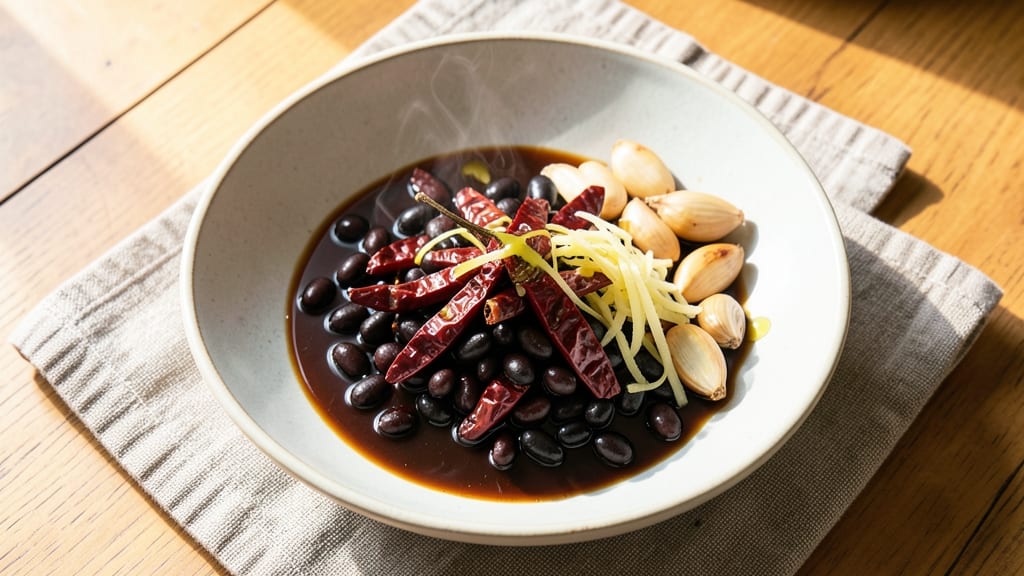
Creating an authentic Schezwan paste transforms ordinary stir-fries and noodles into bold, restaurant-quality dishes with just a spoonful. This fiery spice blend—packed with chili, garlic, and fermented bean paste—is the secret behind the signature heat and depth of Chinese takeout favorites.
I’ve perfected this recipe over years of testing, ensuring the balance of sweet, sour, and spicy flavors stays true to the original while being easy to make at home.
The foundation of great Schezwan paste lies in its ingredients: dried chilies for heat, garlic for aroma, and vinegar for tang. A slow-cooked reduction of these elements creates a thick, concentrated paste that intensifies flavors without overpowering dishes.
Unlike store-bought versions, this homemade blend lets you control the spice level—adjust by adding more or fewer chilies to suit your taste. The process is straightforward but requires patience to develop that signature complexity.
Once ready, this versatile paste elevates everything from stir-fried vegetables to noodle dishes, adding layers of umami and a kick that lingers. A small spoonful transforms simple recipes into something extraordinary, with the aroma alone promising a flavor explosion.
Store it in the fridge for up to two weeks or freeze for longer shelf life—its concentrated form makes it a pantry staple worth keeping on hand.
For those who prefer milder heat, reduce the number of chilies or add a touch of sugar to balance the spice. The possibilities are endless: use it as a marinade, a stir-fry sauce base, or even a dipping sauce for dumplings.
Let’s get started on this flavor-packed essential that will change the way you cook.
Ingredients for schezwan paste
Nine essential ingredients create this fiery Schezwan paste that transforms stir-fries into restaurant-quality masterpieces.
| Ingredient | Amount | Notes |
|---|---|---|
| Dried Red Chilies 🌶️ | ½ cup | Whole, seeded for mild heat |
| Garlic Cloves 🧄 | 6 cloves | Peeled, slightly crushed |
| Fermented Black Beans 🍲 | ½ cup | Rinsed, drained, Asian variety |
| Fresh Ginger 🧅 | 2 tbsp | Finely grated, aromatic |
| Dark Soy Sauce 🍶 | 2 tbsp | For depth, not light soy |
| Rice Vinegar 🍶 | 1 tbsp | White rice vinegar preferred |
| Sugar 🍚 | 1 tbsp | White granulated sugar |
| Sesame Oil 🌱 | 1 tbsp | Toasted, for aroma |
| Salt 🧂 | ½ tsp | Diamond Crystal preferred |
| Water 💧 | ¼ cup | For blending consistency |
The dried chilies are the heart of this paste—Asian markets carry the best varieties, like Sichuan or Thai bird's eye. Look for vibrant red, not dull or shriveled. Fermented black beans add that signature umami punch; Trader Joe's sells them pre-soaked, saving time. Fresh ginger needs to be aromatic and firm, not woody. I always double-check the garlic cloves are plump, not shriveled, for maximum flavor. The dark soy sauce should be thick and glossy—Lee Kum Kee is my go-to brand for that authentic depth.
No fermented black beans? Substitute with 1 tbsp of soy sauce plus 1 tsp of molasses for umami, though it won't be identical. Running short on sesame oil? Avocado oil at half the amount works in a pinch, but you'll miss that nutty aroma. The rice vinegar can be swapped for apple cider vinegar, but white rice vinegar gives the best balance. For milder heat, reduce chilies to 3-4 pieces or add an extra 1 tbsp of sugar. The paste thickens as it cools, so don't worry if it looks runny right after blending.
Store in an airtight jar in the fridge for up to 2 weeks, or freeze for 6 months—it only gets better with time. The concentrated flavor means a little goes a long way; I keep a small jar in my pantry for quick stir-fry boosts. Double the batch if you're using it often—it disappears faster than you'd think. The paste thickens when chilled, so stir before each use for even consistency.
Why You'll Love This Recipe
- Pantry Magic: I swear by this paste—just dried chilies, garlic, and fermented black beans simmered down. No fancy prep, no last-minute grocery runs. If you’ve got those three things in your cupboard, you’re golden.
- Umami Bomb: That dark soy sauce and fermented black beans? They pack a punch. One taste and you’ll understand why this paste is the backbone of my stir-fries—deep, salty, and just a little funky in the best way.
- Staple Flex: Use it for noodles, dumplings, or even a quick marinade. I’ve thrown it into everything from lazy weeknight dinners to impressing guests. It’s the kind of thing that makes you feel like a chef without trying too hard.
- Budget Powerhouse: A jar of this paste costs pennies but saves me dollars. No need for pricey sauces or pre-made pastes—just a handful of cheap ingredients that last for months. Plus, a little goes a long way.
Step-by-step instructions for Schezwan paste recipe
This bold spice blend delivers authentic depth—simple steps for maximum punch.
Toast the Dried Red Chilies and Fermented Black Beans
Heat a dry skillet over medium heat and add the 0.5 cup dried red chilies. Toast them for 2-3 minutes, stirring constantly, until they darken slightly and release their aromatic oils. You'll see them puff up and smell their smoky depth—this is when they're ready. Immediately transfer them to a bowl and set aside.
In the same skillet, add the 0.5 cup fermented black beans and toast for 1-2 minutes until they turn a deeper brown and smell earthy. The beans should be warm through but not burnt—just fragrant. Remove from heat and let both the chilies and beans cool for 5 minutes before processing. This toasting step unlocks their full flavor potential and removes any bitterness.
Blend the Toasted Ingredients with Aromatics
Transfer the toasted chilies and beans to a food processor or high-powered blender. Add the 6 cloves garlic cloves and 2 tbsp fresh ginger. Pulse a few times to break down the garlic and ginger into a coarse paste—you want some texture here, not a completely smooth mixture. This rough texture will add complexity to your paste.
Process for 30-45 seconds until the mixture becomes a thick, chunky paste with visible flecks of chili and bean. Scrape down the sides if needed, but don't over-blend—you're aiming for rustic texture, not silky smoothness. The paste should cling together when pressed between your fingers, indicating proper moisture content from the beans and chilies.
Incorporate Wet Ingredients for Balance
With the food processor running, slowly drizzle in the 2 tbsp dark soy sauce and 1 tbsp rice vinegar. This combination adds depth and a subtle tang that cuts through the heat. Pulse occasionally to incorporate the liquids without over-processing. The mixture should begin to take on a glossy sheen while maintaining its chunky texture.
Add the 1 tbsp sugar and 0.5 tsp salt, then pulse again. The sugar balances the acidity and heat, while the salt enhances all the flavors. With the processor running, gradually add the 0.25 cup water until you achieve a thick, spreadable consistency—like a coarse paste that holds its shape but can still be easily stirred into dishes. Taste and adjust seasoning if needed; you may need a touch more salt or vinegar depending on your fermented beans' saltiness.
Finish with Sesame Oil for Aromatic Depth
Transfer the paste to a small bowl and stir in the 1 tbsp sesame oil. The oil should coat the mixture evenly, adding a nutty aroma and helping to bind the flavors together. Let the paste sit for 10 minutes at room temperature—this allows the oils to fully integrate and the flavors to meld. The paste should smell intensely aromatic with notes of chili, garlic, ginger, and fermented beans.
For best results, store the schezwan paste in an airtight container in the refrigerator for up to 2 weeks. The flavors will deepen over time, making it even more complex. Use it as a bold condiment for stir-fries, noodles, or even as a marinade—just remember, a little goes a long way with this potent blend.
Pro Tips For Making Schezwan Paste
- Toast the Beans Low: Fermented black beans need patience—don’t rush them on high heat. Start on medium-low, stirring constantly, until they’re fragrant and just beginning to darken (about 3-4 minutes). I learned this the hard way: charring them turns the paste bitter, and no one wants that smoky overpower.
- Peel the Ginger Rough: Skip the knife for ginger—just scrub it under hot water, smack it hard on the counter a few times, then peel. The skin comes off easier, and you’ll save time. (Yes, even if you’re impatient like me.)
- Blend in Batches: If your paste is too thick, resist the urge to add oil or water mid-blend. Instead, split the mixture into two batches and pulse each separately—it’ll emulsify better and avoid that grainy texture.
- Save the Chili Seeds: Don’t toss those dried chili seeds! Toast them separately in a dry pan for 30 seconds until fragrant, then grind them into the paste. They add depth without overpowering heat—my grandmother swore by this, and she was right.
Common mistakes when making this dish
Overtoasting Chilies
I’ve seen beginners burn their chilies in the skillet, which turns them bitter and smoky instead of aromatic. Watch them closely—they’re ready when they darken slightly and release their oils, usually after 2-3 minutes.
If they start smoking or smell burnt, remove them immediately. I recommend using a 10-inch cast-iron skillet for even heat distribution and better control. 🔥
Skipping the Toasting Step
Skipping the toasting entirely leaves your paste tasting flat and dull. The toasting process caramelizes the natural sugars in the chilies and beans, deepening their flavors.
If you’re short on time, you can toast them in the food processor instead—just pulse the dried chilies for 10-15 seconds before adding the other ingredients. This still adds some depth, though not as much as proper skillet toasting.
Overblending the Paste
When I first made this paste, I overprocessed it into a smooth, silky consistency. The result? A paste that lacked texture and complexity. Aim for a chunky, rustic texture with visible flecks of chili and bean.
Pulse just until the mixture clings together—about 30-45 seconds in a food processor. If you’re using a blender, stop as soon as the ingredients combine into a thick paste.
Incorrect Liquid Ratios
Adding too much water makes the paste runny and dilute its flavors, while too little leaves it dry and hard to stir into dishes. Start with the 0.25 cup water and adjust gradually—add 1 tsp at a time until you reach a thick, spreadable consistency.
The paste should hold its shape when pressed between your fingers but still be easy to stir. Taste as you go; the balance of wet and dry ingredients is key to the final flavor.
Using the Wrong Vinegar
Substituting apple cider vinegar or balsamic for rice vinegar changes the paste’s delicate acidity and sweetness balance. Rice vinegar’s mild tang is crucial for cutting through the heat without overpowering the other flavors.
If you must substitute, use white rice vinegar—it’s the closest match. Avoid red wine vinegar or distilled white vinegar, as they’ll make the paste taste harsh and unbalanced.
Storing Improperly
Leaving the paste uncovered or in a non-airtight container causes it to dry out or absorb fridge odors. Always store it in an airtight glass jar in the refrigerator. For longer storage, portion it into ice cube trays, freeze, then transfer to a freezer bag.
Thaw overnight in the fridge before using—never microwave it directly, as this can alter the texture and flavors. The paste’s concentrated nature means it keeps well for 2 weeks refrigerated or 6 months frozen. 💫
Nutrition facts
Frequently asked questions
Can I make this Schezwan paste without fermented black beans?
Yes, but the umami depth will differ. Substitute with 1 tbsp soy sauce plus 1 tsp molasses for a similar savory punch. The texture may also be slightly less chunky, but it'll still deliver that signature spicy kick. For best results, try to find fermented black beans at Asian markets—they're worth the search!
How do I adjust the heat level in this spice blend?
For milder heat, reduce the dried chilies to 3-4 pieces or remove seeds before toasting. For extra spice, add 1-2 extra chilies or include a pinch of cayenne pepper. Remember, the paste intensifies when stored—taste before using if you're sensitive to heat. The sugar in the recipe naturally balances the spice, so don't be afraid to go bold!
What's the best way to use this paste in cooking?
Start with 1-2 teaspoons per dish—it's potent! Stir it into oil for stir-fries, mix with broth for noodle dishes, or use as a marinade for meats. For dipping sauces, combine with a little water and soy sauce. The paste works wonders in Dan Dan noodles, mapo tofu, or even grilled pork. Always taste before adding more—this concentrate packs serious flavor!
Can I make this paste without sesame oil?
Yes, but you'll miss that nutty aroma. Substitute with 1 tsp toasted peanut oil or avocado oil for a neutral alternative. If you can't find sesame oil, skip it entirely—the other ingredients still create a delicious base. The oil primarily adds depth, not structure, so the paste will still work perfectly in your dishes.
How do I revive dried-out Schezwan paste?
If your paste has separated or dried out, stir in 1-2 teaspoons of water to restore consistency. For extra richness, add a drop of sesame oil. The paste should return to its thick, spreadable texture. If it's been frozen, thaw it in the fridge overnight—microwaving can alter the texture. Proper storage in an airtight container prevents this issue, but a little water goes a long way when needed!