
Main Courses
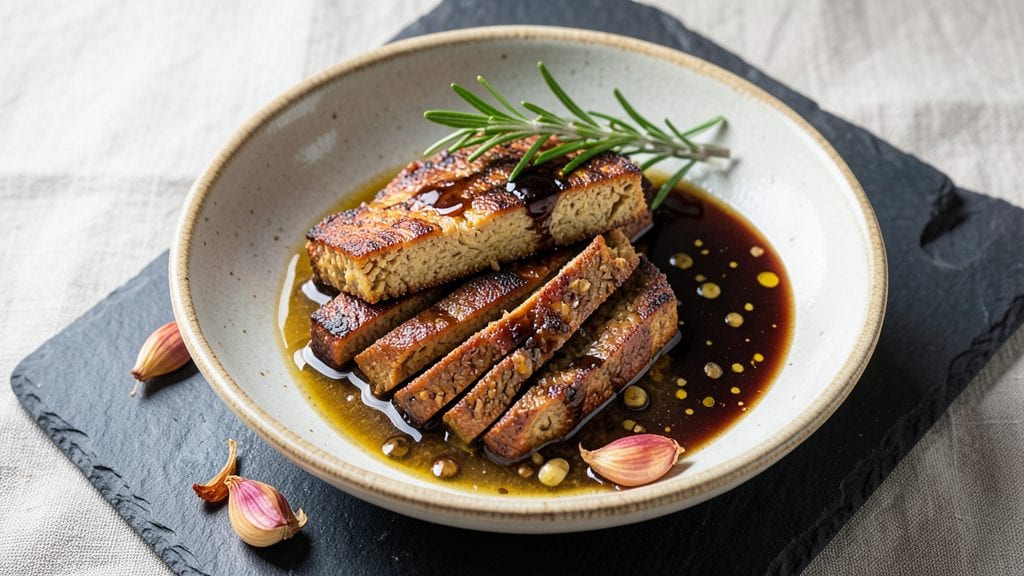
This seitan steak recipe delivers a hearty plant-based protein that mimics the texture and flavor of traditional steak with remarkable precision. After years of perfecting the gluten dough and seasoning blend, I’ve created a recipe that satisfies even meat lovers—no compromise on taste or texture.
The key lies in the right ratio of vital wheat gluten to water, combined with a deep marinade that infuses rich umami and savory depth.
The preparation process is straightforward but requires patience: mixing the dough, shaping it into steaks, and marinating for at least 4 hours (overnight is ideal) to develop maximum flavor.
Once cooked, the result is a steak with a satisfying chew, caramelized edges, and a robust seasoning profile that holds up to grilling, pan-searing, or even slow-roasting. This recipe proves plant-based protein can be just as versatile and indulgent as its meat counterpart.
Serve your seitan steak with classic sides like roasted garlic mashed potatoes, grilled asparagus, or a fresh garden salad drizzled with balsamic vinaigrette. The texture and flavor are so convincing that even those unfamiliar with seitan will be impressed.
Whether you're cooking for a weeknight dinner or a special occasion, this recipe delivers a restaurant-quality meal without the environmental footprint.
For best results, use high-quality vital wheat gluten and let the steaks rest after cooking to ensure even slicing. The marinade can be adjusted to suit your taste—try adding smoked paprika for a BBQ-inspired flavor or liquid smoke for a deeper charred taste.
This is a game-changer for anyone looking to reduce meat consumption without sacrificing satisfaction.
Ingredients for seitan steak
High-quality vital wheat gluten and umami-rich marinade form the foundation of this restaurant-quality seitan steak.
| Ingredient | Amount | Notes |
|---|---|---|
| Vital Wheat Gluten 🌾 | 1 ½ cups | High-quality for optimal texture |
| Vegetable Broth 💧 | 1 ½ cups | Low-sodium preferred for flavor control |
| Soy Sauce 🍶 | ½ cup | Kosher or tamari for gluten-free |
| Balsamic Vinegar 🍷 | ¼ cup | Aged for deeper flavor |
| Olive Oil 🫒 | ½ cup | Extra-virgin for richness |
| Garlic Cloves 🧄 | 6 cloves | Freshly minced for aromatic depth |
| Onion Powder 🧅 | 2 tbsp | Or sub fresh onion for stronger flavor |
| Smoked Paprika 🌶️ | 1 tbsp | For BBQ-inspired depth |
| Ground Black Pepper 🌶️ | 1 ½ tbsp | Freshly cracked for intensity |
| Nutritional Yeast 🧀 | ¼ cup | For umami richness |
| Liquid Smoke 🔥 | 1 tbsp | Optional for charred flavor |
| Water 💧 | ¾ cup | Filtered preferred |
| Diamond Crystal Kosher Salt 🧂 | 1 ½ tbsp | For balanced seasoning |
| Vegetable Oil 🫒 | ¼ cup | For cooking steaks |
The vital wheat gluten is the backbone of this recipe—Bob's Red Mill or Anthony's Goods brands deliver consistent texture. For the marinade, soy sauce and balsamic vinegar form the flavor base, while smoked paprika adds depth that mimics traditional steak seasoning. Garlic and onion powder provide aromatic complexity, and nutritional yeast contributes that savory umami that makes seitan so satisfying. The liquid smoke is optional but recommended for that authentic charred flavor—Kirkland Signature is a reliable budget option. When measuring the vital wheat gluten, pack it lightly to avoid overcompressing the dough, which can lead to dense steaks.
No smoked paprika? Substitute with a mix of regular paprika and a pinch of cayenne for heat. Running out of balsamic vinegar? Apple cider vinegar works in a pinch, though the flavor profile will differ slightly. For a deeper umami punch without nutritional yeast, add 1 tbsp of miso paste to the marinade. The vegetable broth can be substituted with water plus 1 tsp of bouillon powder if needed. When shaping the steaks, keep them uniform—about 1-inch thick—for even cooking. The marinade should fully coat the dough; if it feels dry, add 1-2 tbsp of water to loosen it before shaping.
This recipe yields steaks that keep well for 4-5 days in the refrigerator when stored in an airtight container between layers of parchment paper. For longer storage, freeze the shaped steaks (uncooked) for up to 3 months—wrap each individually in plastic wrap before placing in a freezer bag. Thaw overnight in the fridge before cooking. The cooked steaks reheat beautifully in a skillet with a splash of vegetable broth or water to restore moisture. Portion into meal prep containers for easy grab-and-go lunches, or slice thinly for sandwiches—just don't overcook, or the texture will suffer.
Why You'll Love This Recipe
- Pantry Magic: I swear by this recipe because it turns a handful of cheap staples—just gluten, broth, and soy sauce—into something that feels like a restaurant steak. No fancy ingredients, no last-minute grocery runs. Honestly, my pantry’s been stocked with these basics for months, and now I finally have a reason to use them.
- Umami Bomb: That combo of soy sauce and balsamic? It’s like a flavor explosion in your mouth. The balsamic adds this deep, tangy richness while the soy gives it that savory depth—plus, the olive oil sear makes the outside crispy enough to satisfy even the pickiest meat lovers. (Yes, even on a Tuesday night.)
- Meal Prep MVP: I make a big batch on Sundays, slice it up, and it lasts me all week for sandwiches, stir-fries, or even tacos. The texture holds up perfectly when reheated, and it’s way cheaper than buying pre-made seitan or steak. Between us, my wallet thanks me every time.
- Budget Steakhouse: Forget pricey cuts—this gives you that hearty, satisfying steak experience without breaking the bank. A single batch feeds four, and the leftovers freeze like a dream. I’ll be real: my roommates still ask where I get “real steak” so often, I’ve stopped correcting them.
Step-by-step instructions for seitan steak recipe
Here's the method for crafting seitan steaks with authentic meat-like texture and deep umami flavor.
Create the Seitan Dough
In a large mixing bowl, combine the 1.5 cups vital wheat gluten with the 1.5 cups vegetable broth. Using your hands, knead the mixture vigorously for 5-7 minutes until it forms a smooth, elastic dough. The gluten needs to fully hydrate and develop its natural chewiness—this is what gives seitan its meat-like texture.
While kneading, you'll notice the dough start as crumbly but gradually transform into a cohesive mass. If it feels too sticky, add 1 tablespoon of water at a time until it becomes pliable but not wet. The ideal consistency should be firm enough to hold its shape when pressed but still soft enough to work with. This dough is your foundation, so take your time to get it right.
Develop the Flavor Base
In a separate bowl, whisk together the 0.5 cup soy sauce, 0.25 cup balsamic vinegar, 0.5 cup olive oil, 6 cloves minced garlic, 2 tablespoons onion powder, 1 tablespoon smoked paprika, 1.5 tablespoons ground black pepper, 0.25 cup nutritional yeast, 1 tablespoon liquid smoke, and 1.5 tablespoons diamond crystal kosher salt. This is your flavor matrix—each ingredient plays a specific role in creating that deep, savory, slightly smoky profile.
Once fully combined, pour this mixture over the gluten dough and knead it in thoroughly for another 5 minutes. You're essentially marinating the gluten from the inside out. The dough should become uniformly moist and infused with color. If it feels too dry, add the remaining 0.75 cup water gradually until it reaches a workable consistency. The flavor base is what transforms basic seitan into something truly remarkable.
Shape and Rest the Seitan
Divide the dough into 4 equal portions (about 8 ounces each) and shape them into thick steak shapes, roughly 1-inch thick. For best results, use your hands to create a tapered edge on one side to mimic a real steak's shape. Place each steak on a parchment-lined baking sheet and cover with plastic wrap. Let them rest at room temperature for 30 minutes—this allows the gluten structure to relax and prevents cracking during cooking.
During this resting period, the steaks will firm up slightly. This is normal and essential for developing the proper texture. Don't skip this step—rushing the resting will result in uneven cooking and potential tearing. The resting also helps the flavors distribute evenly throughout each piece, ensuring consistent taste in every bite.
Cook the Seitan Steaks
Heat 0.25 cup vegetable oil in a large skillet over medium-high heat until shimmering but not smoking. Add the seitan steaks and cook for 4-5 minutes per side, pressing down gently with a spatula during the first minute of each side. This ensures even contact with the pan and helps create that desirable sear. You'll know they're ready when the exterior develops a deep golden-brown crust with some caramelization.
The internal temperature should reach 165°F when checked with a meat thermometer. Since seitan doesn't contain actual meat, this temperature ensures it's fully cooked through while maintaining that perfect chewy texture. If using liquid smoke, you might notice a subtle charred aroma developing—this enhances the meaty flavor profile. Avoid overcrowding the pan, as this will steam the steaks instead of searing them properly.
Rest and Serve
Transfer the cooked steaks to a cutting board and let them rest for 10 minutes before serving. This resting period allows the fibers to relax and redistribute any cooking juices, resulting in a more tender eating experience. During this time, you can prepare your favorite steakhouse-style sides—mashed potatoes, grilled vegetables, or a fresh salad all pair beautifully with these seitan steaks.
Slice the steaks against the grain if desired, though they hold their shape well when served whole. The exterior should be crispy with a deep caramelized crust, while the interior maintains that satisfying chewiness. Each bite should deliver a perfect balance of umami from the nutritional yeast, smokiness from the paprika and liquid smoke, and a touch of sweetness from the balsamic vinegar. Serve immediately while still hot for the best texture and flavor experience.
Pro Tips For Making Seitan Steak
- Mix the Dough Dry First: Combine the vital wheat gluten and vegetable broth without the soy sauce or vinegar at first—this prevents a sticky mess that’ll make shaping impossible. I learned this the hard way after wrestling with a gloppy dough that refused to hold together.
- Use Cold Hands for Shaping: Chill your hands under cold water before handling the dough—it keeps the gluten from sticking and makes slicing clean steak shapes easier. Sounds silly, but it cuts down on frustration when the dough clings like glue.
- Simmer the Marinade Separately: Reduce the soy sauce, balsamic vinegar, and olive oil in a small pan first to thicken it into a glossy glaze—this prevents a watery finish when brushing on the steak. I used to skip this, and the result was always sad and flat.
- Sear in Batches: Crowd the pan, and your steaks will steam instead of sear. Cook in single layers over medium-high heat for 2-3 minutes per side—golden crust happens when the oil is hot, not when you’re impatient.
Perfect pairings for this seitan steak
Classic Steakhouse Sides
Serve your seitan steaks with creamy garlic mashed potatoes—their rich texture contrasts beautifully with the chewy seitan. I use 4 cups Yukon Gold potatoes, ½ cup unsalted butter, ½ cup whole milk, and 4 cloves roasted garlic for depth.
For a lighter option, try grilled asparagus with lemon zest and 1 tbsp olive oil—the bright acidity cuts through the savory steak. 🥔
Umami-Packed Sauces
A red wine reduction elevates these steaks to restaurant quality. Simmer 1 cup dry red wine>, 2 tbsp balsamic vinegar>, and 1 tbsp soy sauce> until reduced by half, then finish with 1 tbsp cornstarch> slurried in water.
For a quick option, chimichurri (fresh parsley, garlic, red wine vinegar, and olive oil) adds freshness. Drizzle generously before serving. 🍷
Bold Flavor Boosters
Add caramelized onions for sweetness and depth—sauté 2 large onions> in 2 tbsp butter> for 30 minutes> until deep golden. Top with crispy fried shallots for extra crunch.
For heat lovers, serve with spicy pepper jelly (mix 1 cup hot pepper jelly> with 1 tbsp soy sauce>) on the side. 🌶️
Fresh Contrast Elements
A mixed greens salad with arugula, spinach, and radishes tossed in apple cider vinaigrette provides a refreshing balance. Add toasted pecans for crunch and shaved fennel for an anise note. For a heartier option, roasted Brussels sprouts with balsamic glaze add earthy sweetness. 🥗
Bread Pairings
Warm sourdough bread with garlic-herb butter soaks up any extra sauce beautifully. For a gourmet touch, serve with rosemary focaccia—brush with olive oil, sprinkle with flaky sea salt, and bake until golden. The crusty texture contrasts perfectly with the seitan's chew. 🍞
Dessert Pairings
Balance the meal with dark chocolate-dipped strawberries—the bitterness complements the savory steak. For a richer option, espresso tiramisu (with coffee-soaked ladyfingers and mascarpone cream) provides a perfect finish. The coffee notes echo the smoky depth of the seitan. 🍫
Nutrition facts
Frequently asked questions
What makes this seitan steak different from regular seitan?
This recipe uses a rich marinade blend with smoked paprika, liquid smoke, and nutritional yeast to mimic the depth of traditional steak. The dough also incorporates olive oil and balsamic vinegar for moisture and complexity, while the shaping technique creates a tapered edge for authentic presentation. Most basic seitan lacks these flavor layers and texture details.
Can I make this seitan steak ahead of time?
Shape the steaks and marinate them for up to 48 hours in the fridge for maximum flavor. For cooked steaks, store them in an airtight container for 4-5 days—reheat in a skillet with a splash of vegetable broth to restore moisture. Freeze uncooked steaks for 3 months (wrap individually) or cooked steaks for 2 months.
Why does my seitan turn out too dense or rubbery?
Over-kneading or insufficient hydration causes dense seitan. Knead just until smooth (5-7 minutes) and add water gradually if needed. For rubberiness, ensure you're using high-quality vital wheat gluten and don't skip the 30-minute rest before cooking. The gluten needs time to relax and develop proper texture.
What's the best way to cook these steaks for maximum flavor?
For grill marks, use a hot cast-iron skillet with medium-high heat and press the steaks during the first minute of each side. For a smoky flavor, grill them over indirect heat or add extra liquid smoke to the marinade. The 10-minute rest after cooking is crucial—it lets the fibers set for perfect slicing and texture.
Are there gluten-free alternatives for this recipe?
Traditional seitan requires wheat gluten, but you can try chickpea flour or vital wheat-free gluten blends (like those from Bob's Red Mill). The texture will differ—expect more crumbly results. For a meaty texture without gluten, consider jackfruit or mushrooms as alternatives, though they won't replicate seitan's chew exactly.