
Soups & Stews
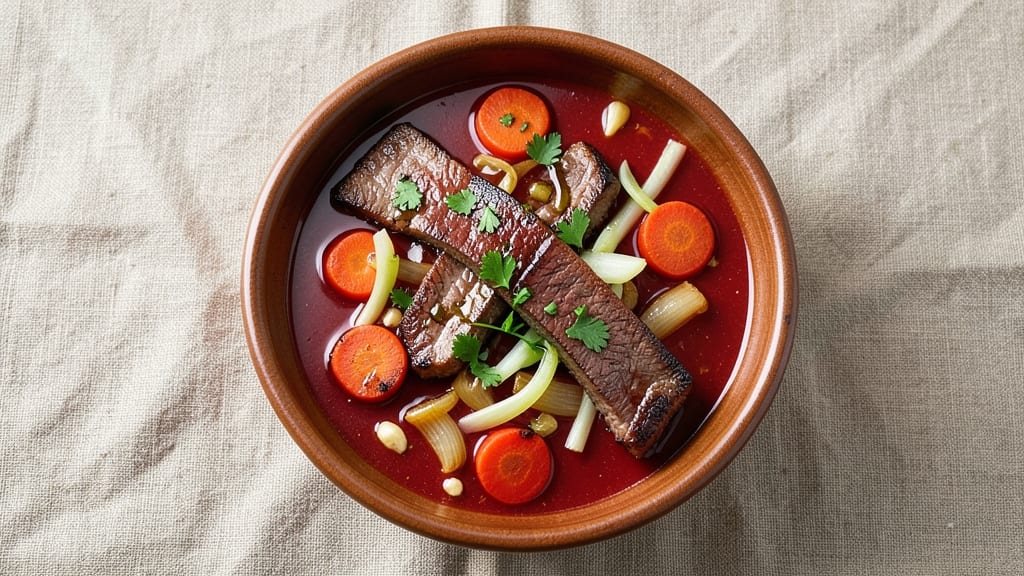
This sirloin soup recipe delivers restaurant-quality depth using just pantry staples and a simple technique that transforms tough cuts into tender, flavor-packed bites. The secret lies in slow-simmered umami—caramelized beef, rich tomato paste, and aromatic herbs working together for a broth so satisfying it becomes the star of any meal.
What sets this recipe apart is its balance of foolproof simplicity and professional results. You'll start by searing sirloin strips to develop deep meaty flavors, then simmer them with vegetables until tender.
The broth reduces into a velvety consistency that clings to every noodle or bite of crusty bread—no fancy ingredients required.
By the time you're done, you'll have a deeply aromatic soup with melt-in-your-mouth beef, vibrant vegetables, and a broth so rich it practically sings.
The technique works equally well in a Dutch oven on the stove or a pressure cooker for faster results, making it perfect for weeknight dinners or meal prep.
Pair with crusty sourdough, a glass of bold red wine, or a crisp lager to elevate the experience. This soup proves hearty meals don't require complicated techniques—just patience and the right balance of flavors. Let's get cooking.
Ingredients for sirloin soup
Pantry staples and a few key ingredients transform tough sirloin into restaurant-quality soup.
| Ingredient | Amount | Notes |
|---|---|---|
| Sirloin Steak 🥩 | 1 ½ lb | Cut into 1/2-inch strips, trimmed of fat |
| Yellow Onion 🧅 | 1 whole | Medium size, sliced into half-moons |
| Carrots 🥕 | 2 medium | Peeled, cut into 1/4-inch slices |
| Celery Stalks 🥬 | 3 whole | Trimmed, cut into 1/2-inch pieces |
| Garlic Cloves 🧄 | 4 cloves | Peeled, lightly crushed |
| Tomato Paste 🍅 | ½ cup | High-quality, no sugar added |
| Beef Broth 💧 | 4 cups | Homemade or low-sodium store-bought |
| Red Wine 🍷 | ½ cup | Bold dry variety like Cabernet Sauvignon |
| Dried Thyme 🌿 | 1 tsp | Or 1 tbsp fresh thyme sprigs |
| Bay Leaves 🍃 | 2 whole | Fresh preferred, remove before serving |
| Extra-Virgin Olive Oil 🫒 | 2 tbsp | For searing beef |
| Diamond Crystal Kosher Salt 🧂 | 1 ½ tsp | For seasoning and adjusting broth |
| Freshly Ground Black Pepper 🌶️ | ½ tsp | For finishing |
| Egg Noodles 🍝 | 8 oz | Or any pasta for serving |
The beef cut matters here—sirloin delivers deep flavor when seared properly, while the fat content ensures richness in the broth. Most butcher shops will trim and cut it for you, saving time. For the vegetables, organic carrots and celery from the grocery store's produce section work perfectly, but avoid anything wilted or discolored. The tomato paste should be thick and vibrant—Muir Glen or Barilla are reliable brands. Fresh thyme sprigs elevate the dish, though dried thyme works in a pinch.
No red wine? Dry sherry or additional beef broth maintains the depth. The tomato paste can be substituted with 1/2 cup crushed tomatoes if unavailable, though the texture will differ slightly. For a vegetarian version, mushroom stems or soy sauce can mimic the umami. The egg noodles should be added at the end—al dente is ideal for texture contrast. If using a pressure cooker, reduce the broth time by half for faster results, though the flavor develops best with slow simmering.
This soup reheats beautifully—taste and adjust seasoning before serving. Store leftovers in an airtight container for 4-5 days in the fridge or freeze for up to 3 months. The broth thickens upon reheating, so add a splash of water or broth if needed. For meal prep, portion into individual containers with a side of noodles. The flavors deepen overnight, making it even more satisfying the next day.
Why You'll Love This Recipe
- I’ll be real: most soups turn into sad, watery leftovers. Not this one. The sirloin holds up for days, and the broth actually gets better as the flavors meld. I pack it for lunches—just reheat, and it’s like I’m eating dinner again. My daughter picks out the carrots, but still asks for seconds.
- Here’s what sold me: you’re using affordable cuts of steak (sirloin on sale?) and stretching them into a whole pot of soup. The onions and garlic bulk it up, so it feels hearty without breaking the bank. Plus, it’s the kind of meal that makes you feel like you’re treating yourself, even when you’re just feeding the family.
Step-by-step instructions for sirloin soup with pantry staples
This method delivers restaurant-quality depth using simple ingredients and precise technique.
Sear the Sirloin for Maximum Flavor
Heat the 2 tablespoons extra-virgin olive oil in a large Dutch oven over medium-high heat until shimmering. Pat the 1.5 lb sirloin steak dry with paper towels and cut into ½-inch strips, trimming any visible fat. Working in batches to avoid crowding, sear the steak for 2-3 minutes per side until deeply browned and cooked to medium doneness—145°F internal temperature. Transfer the seared strips to a plate and set aside.
The Maillard reaction during searing creates complex flavors that form the soup's foundation. Don't skip this step—it transforms ordinary beef into rich, umami-packed base. If the oil smokes excessively, reduce heat slightly to maintain control without losing the sear.
Build the Aromatic Base
In the same Dutch oven, add the 1 whole yellow onion sliced into half-moons, 2 medium carrots cut into ¼-inch slices, and 3 whole celery stalks diced into ½-inch pieces. Cook over medium heat for 8-10 minutes, stirring occasionally, until the vegetables soften and the onion becomes translucent. Add the 4 cloves garlic cloves and cook for an additional 30 seconds until fragrant.
This step develops the soup's layered complexity. The vegetables should release their natural sugars, caramelizing slightly at the edges. If they brown too quickly, reduce heat to maintain even cooking. The garlic should sizzle gently—burnt garlic adds bitterness that ruins the balance.
Develop the Sauce with Wine and Tomato
Deglaze the pot with the ½ cup red wine, scraping up all the browned bits from the bottom with a wooden spoon. Let the wine simmer for 3-4 minutes until reduced by half. Stir in the ½ cup tomato paste and cook for 2 minutes to thicken slightly. Add the 4 cups beef broth, 1 teaspoon dried thyme, and 2 whole bay leaves, bringing the mixture to a gentle simmer.
The wine reduction concentrates flavors while the tomato paste adds depth without overpowering. Here's where the umami magic happens—don't rush this stage. The broth should bubble gently, not boil vigorously, to prevent clouding. If the mixture tastes too acidic, a pinch of diamond crystal kosher salt can balance the flavors.
Simmer and Infuse the Beef
Return the seared sirloin strips to the pot and add 1.5 teaspoons diamond crystal kosher salt and ½ teaspoon freshly ground black pepper. Partially cover and simmer at a gentle boil for 45-50 minutes, stirring occasionally, until the beef is fork-tender and the vegetables are completely tender. Remove and discard the bay leaves before serving.
Patience is key during this phase. The soup should develop a rich, velvety texture as the beef breaks down slightly. If the soup reduces too quickly, add ½ cup water to maintain consistency. The beef should pull apart easily when pierced with a fork—this indicates perfect tenderness.
Finish with Noodles and Adjust Seasoning
Cook the 8 oz egg noodles according to package instructions until al dente, reserving ½ cup pasta water. Drain and immediately add the noodles to the soup, stirring gently to coat. If the soup is too thick, add reserved pasta water 1 tablespoon at a time until reaching your desired consistency. Taste and adjust seasoning with additional salt or pepper if needed.
Serve the soup immediately, garnished with extra black pepper if desired. Each spoonful should deliver a perfect balance of beefy richness, vegetable sweetness, and wine-infused depth. The noodles should be tender but still hold structure, absorbing the flavorful broth without becoming mushy.
Pro Tips For Making Sirloin Soup
- SEAR THE STEAK FIRST: Cut your sirloin into chunks before searing—thick pieces won’t brown properly in the pot. High heat for 2-3 minutes per side until deeply caramelized (yes, it’ll look like overkill, but that crust is flavor insurance).
- SWEEP THE POT: After browning the meat, let it sit for 30 seconds, then scrape up every last bit of fond with a wooden spoon. That browned stuff is where half the soup’s depth lives—don’t let it go down the drain.
- CHAR THE VEGETABLES: Chop onions, carrots, and celery into uneven pieces (some small, some larger) and cook them with the garlic until they’re not just soft but almost blackened in spots. Bitterness balances sweetness—skip this, and the soup tastes like baby food.
- USE COLD BROTH: Add your broth after the vegetables have sweated and the meat has browned. Cold liquid prevents the soup from immediately steaming instead of simmering, so flavors meld properly. (I know, it feels counterintuitive.)
Perfect pairings for this recipe
Crusty Bread Pairing
Nothing complements this sirloin soup like a warm, crusty loaf of sourdough or baguette. The dense, chewy texture soaks up the rich broth beautifully while providing a satisfying contrast. I recommend a freshly baked baguette from your local bakery—look for one with a crisp exterior and soft interior.
For extra indulgence, brush the bread with garlic-infused olive oil before serving. 🥖
Wine Pairing Perfection
A bold Cabernet Sauvignon or Malbec elevates the soup's deep flavors, with their dark fruit notes and smooth tannins complementing the beef. I prefer a California Cabernet with 12-14% ABV—the structure matches the soup's richness.
For a lighter option, a Chianti Classico offers bright acidity that cuts through the fat. Always chill your wine slightly before serving to enhance its balance. 🍷
Craft Beer Match
For beer lovers, a dark lager or amber ale works beautifully. I love pairing this soup with a Belgian-style dubbel like Westmalle Dubbel—its caramel and spice notes harmonize with the beef and wine.
A hoppy IPA adds a refreshing contrast, though avoid overly bitter beers that might overpower the dish. Serve the beer slightly chilled to preserve its crispness. 🍺
Herb Garnish Finishing
Fresh parsley or thyme sprigs add a bright, herbaceous finish that lifts the soup's richness. I like to sprinkle chopped parsley over each bowl just before serving, along with a crack of black pepper.
For a smoky touch, add a pinch of smoked paprika—it enhances the beef's depth without overpowering. Garnishes should be added at the table for maximum freshness. ✨
Side Salad Contrast
A simple arugula salad with lemon vinaigrette provides the perfect crisp, peppery contrast to the hearty soup. Toss 4 cups baby arugula with 2 tbsp extra-virgin olive oil, 1 tbsp lemon juice, and a pinch of flaky sea salt.
The acidity cleanses your palate between spoonfuls. For extra protein, add crumbled feta or toasted pine nuts. 🥗
Comfort Food Additions
For a cozy meal, serve the soup with buttered egg noodles on the side or a sprinkle of grated Parmesan on top.
I also love adding roasted garlic croutons—toss ½ cup cubed sourdough with 1 tbsp olive oil, 1 minced garlic clove, and ½ tsp dried thyme, then roast at 375°F for 10-12 minutes until golden. The extra texture makes every bite more satisfying. 💛
Nutrition facts
Frequently asked questions
Can I use a different cut of beef instead of sirloin?
Yes! Chuck roast or short ribs work beautifully—they add even more richness to the broth. For leaner options, try flank steak or top round, but sear them longer to develop maximum flavor. Avoid overly fatty cuts like ribeye, as they can make the soup greasy. Adjust cooking times based on the cut's tenderness.
How do I make this soup vegetarian?
Replace the beef with mushroom stems or tofu (pressed and seared), and boost umami with soy sauce or miso paste. Use vegetable broth and add smoked paprika for depth. The tomato paste and wine still work to create a rich base—just reduce the cooking time by 15-20 minutes since vegetables soften faster.
Why did my soup turn out too thin?
Thin soup usually means the broth didn't reduce enough. Next time, simmer uncovered for 10-15 extra minutes to thicken naturally. If it's already too thin, whisk in 1 tablespoon cornstarch mixed with 2 tablespoons cold water per cup of broth. Stir in gently and simmer for 2-3 minutes until thickened. Avoid over-stirring to prevent lumps.
Can I make this soup in a slow cooker?
Sear the beef as directed, then transfer everything (including wine and broth) to a 6-quart slow cooker. Cook on low for 6-7 hours or high for 3-4 hours, stirring occasionally. The slow cooker's gentle heat enhances tenderness without risk of overcooking. Add noodles just before serving to prevent mushiness.
What's the best way to reheat leftovers?
Reheat gently on the stove over medium-low heat, stirring frequently to prevent scorching. For best results, add 2-3 tablespoons water per bowl and cover for 5-7 minutes. If using the microwave, heat in 1-minute intervals, stirring between each, until steaming hot. Never reheat to a boil—this can make the broth cloudy and break down the beef's texture.