
Main Courses
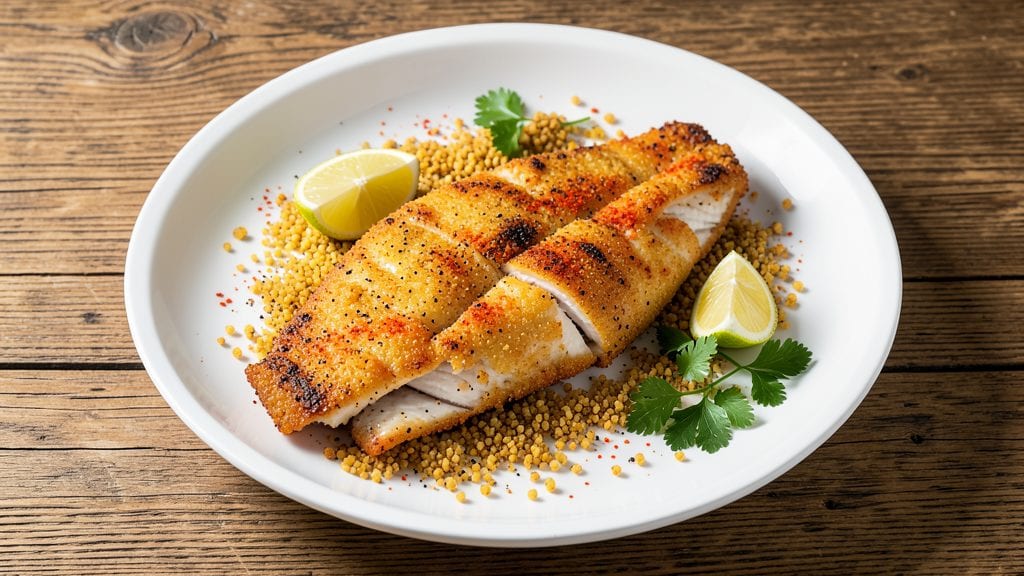
This Southern fried fish cornmeal recipe delivers the perfect marriage of crispy, golden batter and tender, juicy fish—just like your favorite Southern kitchen serves it. The secret lies in a well-seasoned cornmeal crust that crackles with every bite while keeping the fish inside perfectly moist.
I’ve perfected this method over years of testing, ensuring the batter stays light yet sturdy enough to hold up during frying.
The key to success is double-dredging the fish in a mix of cornmeal, flour, and classic Southern spices like paprika and cayenne, then frying in hot oil until the crust turns a deep golden brown.
This technique transforms simple ingredients into a restaurant-quality dish that’s worth the effort. The cornmeal batter adds a delightful crunch that pairs beautifully with the natural flavor of the fish.
What you’ll end up with is a plate of crispy, golden fish that’s impossible to resist—juicy on the inside with a crunchy exterior that holds up perfectly. The aroma alone will have everyone gathering around the table, and the first bite delivers that satisfying contrast of textures.
This recipe is a crowd-pleaser, whether you’re serving it at a family dinner or a backyard cookout.
Serve with classic Southern sides like hush puppies or tangy coleslaw to complete the meal. The combination of flavors and textures makes this dish a true Southern classic that’s easy to master with the right technique. Let’s get started on creating this timeless favorite!
Ingredients for southern fried fish cornmeal
The perfect Southern fried fish blend—crispy cornmeal crust meets juicy fish fillets.
| Ingredient | Amount | Notes |
|---|---|---|
| White Fish Fillets 🐟 | 1 ½ lb | Catfish, tilapia, or cod preferred |
| Fine Cornmeal 🌾 | 1 ½ cups | Stone-ground preferred for texture |
| All-Purpose Flour 🌾 | 1 cup | For light batter adhesion |
| Paprika 🌶️ | 2 tbsp | Smoked variety for depth |
| Cayenne Pepper 🔥 | ½ tsp | Adjust for heat preference |
| Ground Black Pepper 🌶️ | 1 tsp | Freshly cracked for aroma |
| Kosher Salt 🧂 | 1 ½ tbsp | Coarse grain preferred |
| Baking Powder 🍞 | 1 tsp | For extra crispiness |
| Vegetable Oil 🫒 | 3 cups | High smoke point required |
| Large Eggs 🥚 | 1 whole | Room temperature preferred |
| Buttermilk 🥛 | ½ cup | Full-fat for creaminess |
| Garlic Powder 🧄 | 1 tsp | Freshly ground preferred |
| Onion Powder 🧅 | 1 tsp | For subtle sweetness |
| Lemon Wedges 🍋 | 4 whole | For serving, fresh squeezed |
The fish selection matters most here. Catfish or tilapia are classic Southern choices, but cod works too if you prefer milder flavor. Look for fillets with even thickness (about 1-inch)—thinner pieces fry too fast, leaving them undercooked inside. Most grocery stores carry these, but Whole Foods or local seafood markets often have fresher options. If using frozen, thaw overnight in the fridge, not under running water, to preserve texture. The cornmeal should be stone-ground for that authentic gritty bite—regular cornmeal works but lacks depth. Bob’s Red Mill is my go-to brand for consistent quality.
No smoked paprika? Regular paprika plus a pinch of liquid smoke gets you close, though it’s not identical. Substituting cornmeal? Panko breadcrumbs at half the amount works in a pinch, but the texture will be lighter. For the oil, vegetable or peanut oil are best—avoid olive oil, which burns at frying temps. The buttermilk adds tenderness; if you don’t have it, milk plus 1 tsp vinegar mimics the tang. Fresh spices make a difference here—pre-ground garlic or onion powder loses potency quickly. For a milder heat, reduce cayenne to 1/4 tsp or omit entirely.
Prep the batter dry first—mix cornmeal, flour, spices, and baking powder in a shallow dish. Keep it nearby while you dredge the fish to avoid clumping. The oil should reach 350°F—use a deep fry thermometer for accuracy. Fry the fish in batches to avoid overcrowding, which drops the oil temp. The crust is done when it’s deep golden brown, about 3-4 minutes per side. Drain on a wire rack (not paper towels) to keep it crispy. Serve immediately with lemon wedges—the acid cuts through the richness. Leftovers? Re-crisp in the oven at 400°F for 5-7 minutes.
Why You'll Love This Recipe
- Crispy in Minutes: I swear, the cornmeal crust gets that golden crunch in just 8 minutes—no flipping, no fuss. Just pat the fillets dry, dredge them in flour, then cornmeal, and hit the hot oil. That’s it. No waiting around for dough to rise or sauces to simmer.
- Smoky-Spicy Kick: Between the paprika’s warmth and a tiny pinch of cayenne, this isn’t just fried fish—it’s a flavor punch. The cornmeal soaks up the spices like a sponge, giving every bite that cozy Southern tang. (Yes, even my cayenne-averse husband asks for seconds.)
- Weeknight Crowd-Pleaser: Serve it with hushpuppies for a full Southern spread or toss it in a sandwich for lunch tomorrow. Honestly, I’ve fed six people with one batch—it’s that satisfying. The leftovers? Just as good reheated (if you can resist eating them straight out of the fridge).
- Pantry Magic: Fish fillets are cheap, cornmeal lasts forever, and you’re probably already using paprika. No specialty ingredients, no last-minute grocery runs. My grocery bill dropped when I started making this—turns out, feeding a family on a budget just needs a little crunch and a lot of flavor.
Step-by-step instructions for Southern fried fish cornmeal recipe
Here's the method for achieving that perfect balance of crispy exterior and tender interior.
Prepare the Battering Station
In a large bowl, whisk together the 1.5 cups fine cornmeal, 1 cup all-purpose flour, 2 tablespoons paprika, 0.5 teaspoon cayenne pepper, 1 teaspoon ground black pepper, 1.5 tablespoons kosher salt, and 1 teaspoon baking powder. This dry mixture forms the foundation of your crispy crust. I like to use a whisk to break up any cornmeal lumps before adding the wet ingredients.
In a separate bowl, beat the 1 whole large egg and 0.5 cup buttermilk until just combined. Add the 1 teaspoon garlic powder and 1 teaspoon onion powder, mixing until smooth. The buttermilk adds tenderness while the egg helps bind everything together. Keep both mixtures at room temperature for best results—cold ingredients can make the batter too thick.
Season and Dredge the Fish Fillets
Pat the 1.5 lb white fish fillets completely dry with paper towels. This crucial step prevents the batter from absorbing into the fish instead of forming a crispy crust. Season both sides generously with additional kosher salt if desired—this is where the flavor really starts to develop.
Working with one fillet at a time, dip it into the egg mixture, letting any excess drip off. Then press it firmly into the dry cornmeal mixture, coating both sides completely. I press down gently but firmly to ensure even coverage. Let the coated fillets rest on a wire rack for 5 minutes before frying—this helps the batter adhere better and prevents it from falling off during cooking.
Heat the Oil to Perfect Temperature
Pour the 3 cups vegetable oil into a deep fryer or heavy pot to a depth of at least 2 inches. Heat the oil over medium heat until it reaches 350°F—this is crucial for getting that perfect golden crust without burning the fish. Use a deep-fry thermometer to monitor the temperature accurately. If you don't have one, test with a small piece of bread—it should sizzle and turn golden in about 30 seconds.
Once the oil reaches temperature, reduce the heat to maintain 325-350°F. This range gives you that ideal balance between crispiness and juiciness. Too hot and you'll burn the outside before the inside cooks; too cool and the fish will absorb too much oil. The oil should shimmer gently but not smoke when you're ready to fry.
Fry to Golden Perfection
Carefully place the coated fish fillets in the hot oil, working in batches if needed to avoid overcrowding. Fry for 3-4 minutes per side until the crust is deep golden brown and crispy. You'll know it's ready when the crust releases easily from the fish and the internal temperature reaches 145°F at the thickest part. Don't flip too early—the crust needs time to set properly on the first side.
As you fry, keep the oil temperature between 325-350°F. If it starts to smoke or the fish browns too quickly, reduce the heat slightly. Transfer the fried fish to a wire rack set over a paper towel-lined plate to drain excess oil. The paper towels help absorb some of the oil while keeping the fish warm.
Serve Immediately with Lemon
Serve the crispy fried fish immediately with the 4 whole lemon wedges. The acidity of the lemon cuts through the richness of the fried fish and enhances all the flavors. I like to squeeze a wedge over each fillet just before serving to keep the crust crispy and the fish warm.
For best results, serve with classic Southern sides like coleslaw or hush puppies. The contrast between the crispy exterior and tender interior is what makes this dish so special. Remember, the fish will continue to cook slightly as it rests, so aim for just under perfect doneness when you remove it from the oil.
Pro Tips For Making Southern Fried Fish Cornmeal
- Dry the Fish Like Your Life Depends on It: I learned this the hard way—wet fish steams instead of frying, and you’ll end up with a soggy mess. Pat each fillet thoroughly with paper towels, then let them air-dry on a wire rack for 10 minutes. The crust won’t stick if the surface is damp, and that’s the whole point of this recipe.
- Mix Cornmeal Last, Not First: Sounds weird, but it works: start with the flour and spices—paprika, cayenne, salt—then add the cornmeal right before dredging. The cornmeal absorbs moisture fast, so mixing it early turns your batter into glue. Keep everything in separate bowls until the last second.
- Fry in Small Batches or Overcrowd: I used to toss in all the fish at once, thinking I’d save time. Big mistake. Overcrowding drops the oil temp, and your fish ends up greasy instead of crispy. Two fillets max per batch—any more, and you’re fighting the process.
- Use a Splatter Screen for Cleaner Crust: This isn’t the prettiest method, but it’s the tastiest: place a wire cooling rack over your frying pan. The fish sits elevated, so the crust gets golden on both sides without falling apart. No need for fancy tools—just a rack you already own.
Make-ahead tips for this dish
Batter Prep Ahead
Mix your dry batter ingredients—cornmeal, flour, spices, and baking powder—in a large airtight container up to 24 hours ahead. Store at room temperature for convenience, but refrigerate if your kitchen gets humid.
When ready to use, whisk vigorously to break up any clumps. I keep mine in a glass jar with a tight lid for easy transport to the frying station. 🌾
Fish Prep Timeline
Pat and season your fish fillets 1 hour before frying to let the salt penetrate. Wrap them in plastic wrap and refrigerate until ready to coat. This step prevents soggy batter from excess moisture.
I like to use 1-inch thick fillets—they fry evenly without falling apart. Keep them on a wire rack in the fridge to prevent sticking. ❄️
Oil Prep Shortcut
Heat your oil in a heavy-duty pot (I use All-Clad) and maintain it at 350°F using a deep-fry thermometer. For make-ahead convenience, preheat the oil 30 minutes before frying—this ensures consistent temperature when you’re ready.
Keep a small bowl of flour nearby to blot any excess oil from the fish before serving. 🔥
Crispy Storage Hack
Store fried fish in a single layer on a wire rack in the fridge for up to 2 days. The rack prevents sogginess by allowing air circulation.
To revive crispiness, reheat at 400°F for 5-7 minutes on a baking sheet lined with parchment paper. Avoid microwaving—it turns the crust rubbery. 💡
Freezer-Friendly Coating
For longer storage, coat the fish and freeze on a parchment-lined tray for 1 hour to set the batter. Transfer to a freezer bag with parchment between layers to prevent sticking. Fry from frozen, adding 1-2 extra minutes per side. The cornmeal crust stays crispy even after freezing. 🧊
Batch Frying Plan
Fry in small batches (2-3 pieces at a time) to maintain oil temperature. Use a slotted spoon to transfer fish to a paper towel-lined tray—this keeps the oil hot for the next batch.
I like to keep a timer set for 3 minutes per side to avoid overcooking. Serve immediately with lemon wedges to preserve that golden crunch. 🕒
Nutrition facts
Frequently asked questions
What's the best fish for this Southern fried cornmeal recipe?
Catfish and tilapia are classic Southern choices—their mild flavor lets the cornmeal crust shine. For a richer taste, try cod or mahi-mahi. Avoid delicate fish like flounder, which can break during frying. Look for 1-inch thick fillets for even cooking.
Why does my cornmeal batter keep falling off?
This usually happens when the fish isn't dry enough or the batter isn't pressed firmly. Pat fillets thoroughly with paper towels, then press the cornmeal mixture onto both sides—don't just dust it. Let coated fish rest 5 minutes before frying to help adhesion.
Can I make this recipe without buttermilk?
Yes! Mix ½ cup milk with 1 teaspoon vinegar or lemon juice and let sit 5 minutes to curdle. This substitute adds tang without changing the texture. For extra richness, use heavy cream instead of milk.
How do I keep the fried fish crispy when serving?
Serve immediately on a wire rack (not paper towels) to prevent sogginess. If reheating, bake at 400°F for 5-7 minutes on parchment paper. Avoid microwaving—it makes the crust rubbery. Store leftovers in a single layer on a rack in the fridge.
What's the secret to perfectly crispy cornmeal crust?
The key is hot oil (350°F) and double-dredging: dip fish in egg first, then press into cornmeal mixture. Use stone-ground cornmeal for authentic texture, and fry in small batches to maintain oil temperature. Don't overcrowd the pot!