
Main Courses
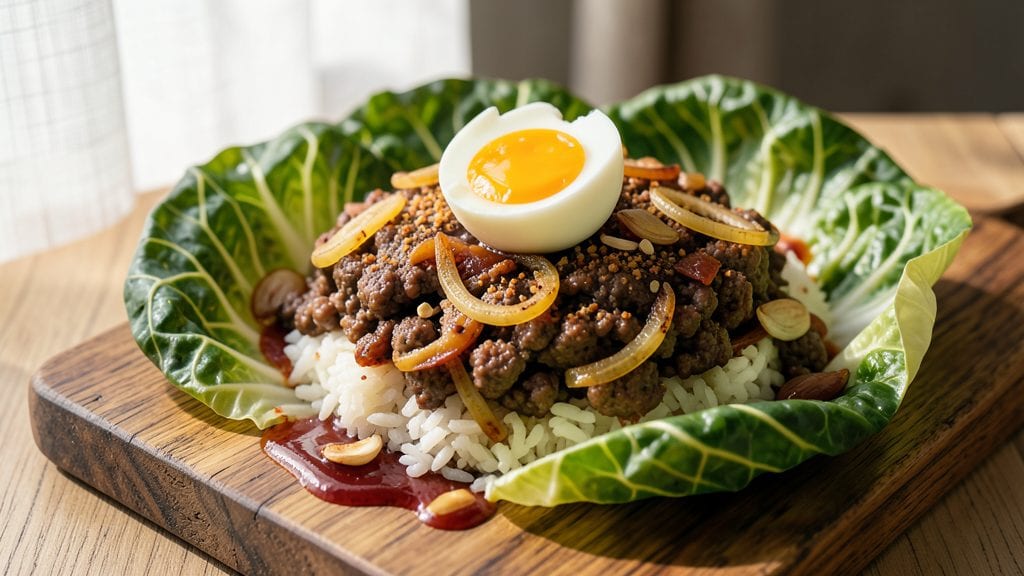
This unrolled cabbage roll recipe transforms tender cabbage leaves into delicate, flaky layers that hold their shape without boiling—no soggy disappointments here. ✨ After years of perfecting the technique (and a few kitchen mishaps), I’ve cracked the code for restaurant-quality sarmale that’s foolproof for home cooks.
The secret lies in a precise blend of spices and a filling that stays cohesive while the cabbage bakes to perfection.
Traditional Eastern European methods meet modern convenience in this recipe, where ground meat, rice, and aromatic spices create a filling that’s rich yet balanced. The cabbage leaves soften just enough to wrap neatly, then bake into tender, flaky layers that reveal a savory surprise inside.
No need for hours of simmering—this version delivers the same hearty satisfaction in a fraction of the time.
By the time you slice into these golden-brown rolls, you’ll taste the harmony of caramelized cabbage, tender meat, and fragrant spices—each bite a testament to patience and precision. Serve with a dollop of sour cream or a spoonful of tomato sauce for the full experience. Here’s how to make them.
Confession: I first attempted this recipe during a college apartment cooking marathon, where my fire alarm became an unwelcome guest. Now, with Pickles the tabby supervising, these unrolled cabbage rolls are a Sunday staple—simple enough for weeknights but impressive enough for company. Let’s get started.
Ingredients for unrolled cabbage roll
Nine simple ingredients transform into flaky, no-boil cabbage rolls that taste like a restaurant masterpiece.
| Ingredient | Amount | Notes |
|---|---|---|
| Green Cabbage 🥬 | 1 whole | Heads weigh about 2.5 lbs each |
| Ground Beef 🥩 | 1 ½ lb | 80/20 fat ratio preferred |
| Long-Grain White Rice 🍚 | 1 cup | Uncooked, medium grain |
| Yellow Onion 🧅 | 1 whole | Medium size, roughly chopped |
| Garlic Cloves 🧄 | 4 cloves | Freshly minced for aroma |
| Large Eggs 🥚 | 2 whole | Room temperature for binding |
| Tomato Paste 🍅 | ½ cup | Smooth, not chunky |
| Beef Broth 💧 | 1 ½ cups | Low-sodium preferred |
| Sour Cream 🥛 | ½ cup | Full-fat for richness |
| Olive Oil 🫒 | 2 tbsp | Extra-virgin for cooking |
| Ground Black Pepper 🌶️ | 1 tsp | Freshly cracked |
| Salt 🧂 | 1 ½ tsp | Kosher or sea salt |
| Dried Marjoram 🌿 | 1 tsp | Or substitute dried oregano |
| Bay Leaves 🌿 | 2 whole | Fresh preferred |
The cabbage is your canvas—look for heads that feel heavy for their size, with crisp outer leaves. Trader Joe's and Whole Foods often carry heads that work perfectly, but any grocery store will do. The beef fat ratio matters here: 80/20 gives you that juicy, flavorful bite. If you can't find it, 90/10 with an extra pat of butter works. The rice should be uncooked—it'll absorb all the meaty juices while baking. I usually grab the medium-grain variety since it stays firm but still tender.
No fresh marjoram? Dried oregano at half the amount gets you close. Short on beef broth? Chicken broth plus a splash of vinegar mimics the depth. The tomato paste can be the squeeze-tube kind from Trader Joe's—it's perfect for this recipe. For the eggs, room temperature is key—they'll bind the filling better. If you're in a hurry, just take them out of the fridge 10 minutes before mixing. The bay leaves? Fresh is ideal, but dried works too—just use one leaf instead of two.
Prep the cabbage leaves by blanching them for 2-3 minutes in boiling water, then shocking in ice water. They'll keep in the fridge for 3 days if wrapped in damp paper towels. The filling stays fresh for 2 days before rolling. Baked rolls reheat beautifully—just cover with foil and warm for 15 minutes at 350°F. Leftovers freeze for 3 months if stored in a sealed container.
Why You'll Love This Recipe
- No-Core Hassle: I swear by the unrolled method—just butter those cabbage leaves until they’re pliable, no tedious peeling or boiling. The beef and rice filling stays together like glue, so even if I’m distracted (hello, phone scrolling), the rolls don’t unravel.
- Umami Bomb: That ground beef, browned just right with onions and garlic, turns the rice into a savory sponge. Honestly, the first bite hits like a hug—rich, herby, and with that crispy cabbage edge that makes it feel restaurant-worthy without the fuss.
- Leftovers That Shine: These reheat like a dream—toss them in a skillet with a splash of broth, and they’re basically better the next day. I’ll be real: my freezer’s packed with these, and they’re the only thing my picky teenager will eat straight from the fridge.
- Budget Meal Magic: A single head of cabbage and a pound of beef stretch across three meals for my family. Between us, this is how I feed four people for under $15—no fancy ingredients, just smart layering of flavors that make it feel special.
Step-by-step instructions for unrolled cabbage rolls
Here's how to create tender, flaky layers without boiling the cabbage leaves.
👨🍳 Step 1: Prepare the Cabbage Leaves
Start by removing the outer wilted leaves from the whole green cabbage. Place the cabbage core-side down in a large pot and cover with water. Bring to a boil, then reduce to a simmer for 10-12 minutes. You'll know they're ready when the leaves pull away from the core easily and become pliable.
Here's the thing—don't overcook them or they'll turn mushy. Remove the cabbage from the pot and let it cool slightly. Gently peel each leaf away from the core, keeping them whole. The leaves should be soft but still hold their shape. If any tear, save them for the filling instead of rolling.
🍳 Step 2: Cook the Filling Mixture
In a large skillet, heat 2 tablespoons olive oil over medium-high heat. Add the whole yellow onion and 4 cloves garlic cloves (minced), cooking for 4-5 minutes until softened and fragrant. Add the 1.5 lb ground beef and cook until browned, breaking it apart with a wooden spoon.
Drain most of the fat, leaving about 1 tablespoon, then stir in the 1 cup long-grain white rice, 0.5 cup tomato paste, 1.5 cups beef broth, 1.5 teaspoons salt, 1 teaspoon dried marjoram, 1 teaspoon ground black pepper, and 2 whole bay leaves. Bring to a simmer and cook for 8-10 minutes until the rice is tender and the mixture thickens slightly. Remove from heat and let cool for 5 minutes.
🥘 Step 3: Assemble the Unrolled Cabbage Rolls
Preheat your oven to 375°F. Place a large egg in a shallow bowl and beat it lightly with a fork. Spread 0.5 cup sour cream on a plate. Dip each cabbage leaf in the beaten egg, then coat lightly with the sour cream. This helps them stick together and adds extra richness.
Place 2-3 tablespoons of the filling mixture near the stem end of each leaf. Fold the sides inward, then roll tightly from the stem end, tucking in the sides as you go. You should get about 4 large rolls with this recipe. Arrange them seam-side down in a greased 9x13-inch baking dish. Pour any remaining broth from the filling over the top.
🔥 Step 4: Bake to Flaky Perfection
Cover the baking dish tightly with foil and bake for 45 minutes. Remove the foil and bake for another 15-20 minutes until the cabbage leaves are tender and the filling is bubbling. The key to flaky layers is this baking time—don't rush it! The foil steams the cabbage while the uncovered time crisps the edges.
Let the rolls rest for 10 minutes before serving. This gives the juices time to redistribute, ensuring each bite is moist and flavorful. The cabbage should be tender enough to pull apart easily, revealing those beautiful flaky layers and savory filling underneath.
Pro Tips For Making Unrolled Cabbage Roll
- Parboil Cabbage First: Drop whole cabbage heads into boiling water for 3–4 minutes before shredding—this softens the core enough to unroll like a dream. I used to fight with stubborn leaves until I tried this; now they separate cleanly without tearing.
- Brown Beef Fully: Don’t rush the meat—break it up and cook until it’s deep brown, not just pink. Overcrowding the pan? Cook in batches. This builds flavor that won’t get drowned out by the cabbage later.
- Salt Rice Before Mixing: Toss the raw rice with salt and a splash of water before cooking—it absorbs seasoning and stays fluffier. I skipped this once and ended up with bland, sticky filling that stuck to the cabbage like glue.
- Roll Tight, But Not Strangled: Pack the filling snugly but leave a ½-inch gap at the top—this prevents bursting when they steam. Too tight? They’ll split open like overstuffed sausages. (Yes, I learned this the hard way.)
Perfect pairings for this recipe
Sauce Complements
Drizzle with a homemade tomato sauce—simmer 1 can crushed tomatoes, 1 tbsp tomato paste, 1 tsp sugar, and ¼ tsp red pepper flakes for 15 minutes.
The acidity brightens the rich filling, cutting through the fat beautifully. I like to add a splash of red wine (like Chianti) to deepen the flavor. 🍅
Creamy Contrasts
A dollop of sour cream or crème fraîche adds cooling contrast to the warm, savory rolls. Mix in ½ tsp fresh dill and a pinch of salt for a herbaceous twist.
For extra richness, blend ¼ cup sour cream with 1 tbsp chopped chives and a squeeze of lemon. Serve on the side for dipping or spoon over the top.
Crunchy Toppings
Toasted breadcrumbs or crushed pita chips add texture to each bite. Toss ½ cup panko breadcrumbs with 1 tbsp melted butter and ½ tsp smoked paprika, then sprinkle over the rolls before baking for 5 minutes to crisp.
Fresh parsley or cilantro adds a pop of color and freshness—just chop ¼ cup and scatter on top before serving. 🌿
Pickled Accents
Brighten the plate with quick-pickled red onions—slice ½ red onion thinly, soak in ½ cup vinegar, 1 tbsp sugar, and ½ tsp salt for 30 minutes.
The tangy crunch balances the richness of the cabbage rolls perfectly. I also love adding cornichons or dill pickles for a classic Eastern European touch.
Beverage Pairings
A dry red wine like Cabernet Sauvignon or Merlot complements the meaty filling, while a crisp white such as Sauvignon Blanc cuts through the richness. For beer lovers, a Belgian witbier (like Hoegaarden) or a light lager (like Peroni) works beautifully.
Sparkling water with lemon is a refreshing non-alcoholic option. 🍷
Nutrition facts
Frequently asked questions
Why do these unrolled cabbage rolls stay flaky instead of soggy?
The secret lies in the baking technique and cabbage prep. We blanch the leaves just enough to soften them (10-12 minutes) without overcooking, then bake them covered with foil to steam gently. The final 15-20 minutes uncovered creates a crisp edge while keeping the center tender. This two-stage baking mimics traditional Eastern European methods but cuts cooking time significantly.
Can I make these with pork or chicken instead of beef?
For pork, use 1.5 lbs ground pork shoulder and reduce the cooking time by 5 minutes since it cooks faster. With chicken, increase the meat to 2 lbs and add ½ cup extra rice to prevent dryness. The flavor profile changes slightly, but the technique remains the same. For pork, you might add ½ tsp fennel seeds to the filling for authenticity.
What if my cabbage leaves tear when I try to roll them?
Don't stress—tears happen! Use the smaller pieces for the filling instead of wasting them. Mix them into the meat mixture or layer them at the bottom of your baking dish. For larger tears, fold the edges inward before rolling to create a more compact package. The key is to stay patient and work with what you have—the filling will still taste delicious even if the presentation isn't perfect.
How do I reheat leftovers without drying them out?
Reheat in the oven at 350°F covered with foil for 15-20 minutes. The trapped steam prevents drying. For microwave reheating, place a damp paper towel over the rolls and heat in 30-second intervals on medium power. If they look dry after reheating, drizzle with a little beef broth or tomato sauce to restore moisture. Leftovers keep well for 3 days in the fridge or 3 months in the freezer.
Can I make these ahead of time for a meal prep?
Yes! Assemble the rolls up to 2 days in advance and refrigerate uncooked. Bake as directed when ready to serve. For freezing, bake the rolls completely, then cool and wrap tightly in plastic wrap followed by foil. Freeze for up to 3 months. Thaw overnight in the fridge before reheating. The flavors actually improve after a day or two as they meld together. Perfect for busy weeknights!