
Side Dishes
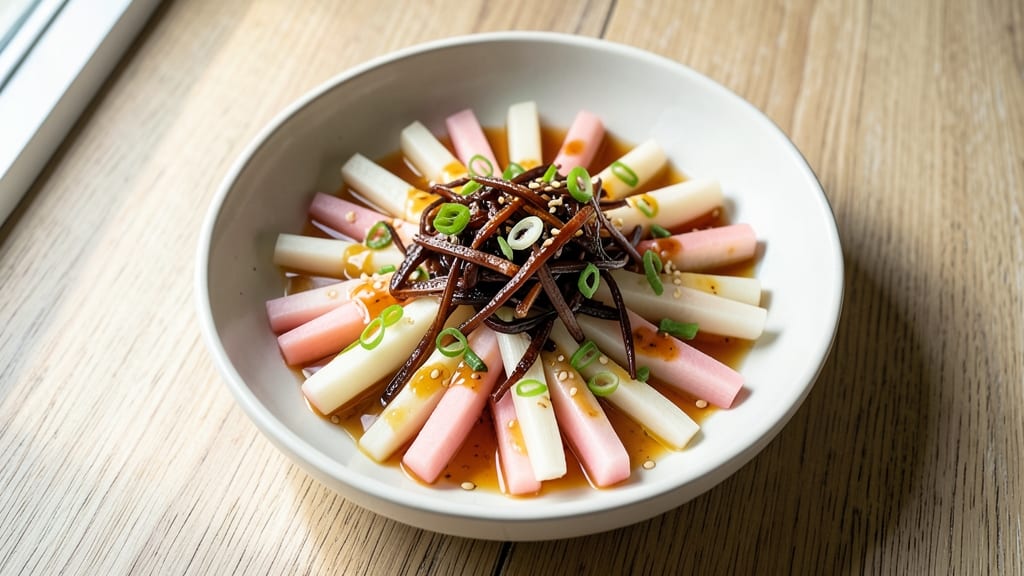
This white radish Chinese recipe transforms humble daikon into a crispy, aromatic side that elevates any meal—whether braised, stir-fried, or pickled. The secret lies in balancing its natural crunch with bold spices and umami-rich sauces, a technique I’ve perfected after years of testing regional variations.
In just 10 minutes, you’ll achieve restaurant-quality texture and flavor without the fuss.
Traditional Chinese cuisine treats white radish as a versatile ingredient, prized for its mild sweetness and ability to absorb flavors. In Cantonese dishes, it’s often braised with pork until tender, while Sichuan versions get a fiery kick from chili oil.
This recipe bridges both styles, offering a foolproof method that delivers crispy edges and a vibrant, spiced interior—ideal for pairing with rice or noodles.
The result is a dish that’s both simple and sophisticated: golden-brown radish slices with a satisfying crunch, infused with garlic, ginger, and a touch of soy for depth. The 10-minute prep makes it perfect for weeknight dinners or holiday feasts, while the bold flavors ensure it steals the show.
Whether you’re serving a family gathering or a solo meal, this recipe delivers professional results every time.
For added versatility, adjust the spice level to suit your taste—Cantonese lovers can keep it mild, while Sichuan enthusiasts should embrace the heat. The same technique works for pickling or stir-frying, proving this white radish dish is as adaptable as it is delicious. Let’s get cooking!
Ingredients for white radish chinese
Transform humble daikon into a crispy, aromatic Chinese side with these bold, balanced ingredients.
| Ingredient | Amount | Notes |
|---|---|---|
| Daikon Radish 🥕 | 2 lbs | Fresh, firm, and uniform in size |
| Light Soy Sauce 🍶 | ⅓ cup | High-quality, low-sodium preferred |
| Rice Vinegar 🍶 | ¼ cup | Seasoned variety enhances flavor |
| Sesame Oil 🫒 | 1 tbsp | Toasted, for nutty aroma |
| Fresh Ginger 🌿 | 2 tbsp | Finely grated, aromatic |
| Garlic Cloves 🧄 | 6 cloves | Minced, for pungent depth |
| Sugar 🍯 | 2 tbsp | Granulated, balances flavors |
| Vegetable Oil 🫒 | ¼ cup | High smoke point for frying |
| Red Chili Flakes 🌶️ | 1 tsp | Adjust for heat preference |
| Salt 🧂 | 1 ½ tsp | Diamond Crystal preferred |
| Green Onions 🧅 | 4 whole | Thinly sliced, for garnish |
| Toasted Sesame Seeds 🌾 | 1 tbsp | For crunchy texture |
The daikon radish is the foundation—choose uniformly sized roots for even cooking. Asian markets typically carry the largest, firmest varieties, but most grocery stores stock them year-round. Look for roots with smooth, unblemished skin and a crisp snap when pressed. If using pre-sliced daikon, opt for freshly cut pieces rather than pre-packaged, as they retain superior texture. For optimal results, slice the radish into 1/4-inch thick rounds or matchsticks, ensuring uniform thickness for consistent browning. The light soy sauce should be high-quality, like Lee Kum Kee, to avoid an overly salty or bitter profile.
No sesame oil? Toasted peanut oil works as a substitute, though it lacks the same nutty depth. Substituting rice vinegar for apple cider vinegar will alter the flavor profile slightly, but it’s a viable option in a pinch. For a milder heat level, reduce the red chili flakes to just 1/2 teaspoon or omit entirely. If fresh ginger isn’t available, ground ginger at half the amount can be used, though it lacks the same aromatic complexity. The green onions can be swapped for scallions, but the white portions should be used sparingly to avoid bitterness. For a vegetarian-friendly version, ensure all ingredients are certified plant-based, particularly the soy sauce and sesame oil.
Store any leftover daikon slices in an airtight container with a paper towel lining to absorb excess moisture, keeping them fresh for up to 3 days in the refrigerator. The pickling marinade can be stored separately for 1 week, though the flavors will mellow over time. For a longer shelf life, freeze the cooked radish in a single layer before transferring to a sealed container, where it will maintain its texture for up to 3 months. Reheat gently in a skillet or microwave to restore crispiness. This dish reheats beautifully, making it ideal for meal prep—simply toss with a splash of water or oil before reheating.
Why You'll Love This Recipe
- No-Chop Nightmare: I swear, this recipe is the only time I’ve ever enjoyed peeling radishes. Thin slices, quick stir-fry—no small cubes, no fuss. The daikon holds its shape like a champ, so you’re not left with a soggy mess.
- Umami Bomb: That first bite? The light soy and sesame oil marry so well with the crisp-tender radish, it’s like a flavor grenade. Honestly, the ginger adds this bright, zesty kick that cuts through the richness—perfect balance, every time.
- Leftover Hero: Make a big batch on Sunday, and you’ve got a week’s worth of lunches. Toss it cold in rice bowls, or reheat with a fried egg for breakfast. My kids beg for it, and I’ve even sneaked it into bento boxes—no one’s the wiser.
- Pantry Staple Magic: You already have the ingredients. No specialty items, no last-minute grocery runs. Daikon’s cheap, soy sauce’s cheap, and a little sesame oil turns this into something ridiculously good without breaking the bank.
Step-by-step instructions for crispy pickled daikon radish
Master this quick-pickling technique for restaurant-quality Chinese-style daikon with perfect texture and bold flavor.
Prepare and Julienne the Daikon Radish
Using a sharp mandoline or chef's knife, carefully slice the 2 lbs daikon radish into even ¼-inch thick matchsticks. I prefer working with the radish chilled first—it's easier to handle and produces cleaner cuts. Arrange the matchsticks on a baking sheet and set aside.
For best results, select radishes with firm, unblemished skin and uniform diameter. The matchsticks should be consistent in size—this ensures even cooking and crisp texture. If any pieces feel fibrous or tough, trim them away as they won't pickle properly.
Create the Spiced Pickling Marinade
In a medium mixing bowl, combine the 0.33 cup light soy sauce, 0.25 cup rice vinegar, 1 tbsp sesame oil, 2 tbsp finely grated fresh ginger, 6 minced garlic cloves, 2 tbsp sugar, 1 tsp red chili flakes, and 1.5 tsp salt. Whisk vigorously until the sugar and salt completely dissolve—this ensures even flavor distribution throughout the marinade.
The marinade should have a thick, syrupy consistency with visible ginger and garlic particles suspended. Taste and adjust seasoning if needed—you want a balance of sweet, salty, tangy, and spicy. This marinade will both pickle and flavor the daikon, so precision matters.
Blanch the Radish for Crisp Texture
Heat the 0.25 cup vegetable oil in a large skillet over medium-high heat until shimmering. Working in batches to avoid overcrowding, add the daikon matchsticks and stir-fry for exactly 2-3 minutes until they develop a faint golden hue along the edges. Remove immediately and drain on paper towels.
This quick blanching step is crucial—it sets the texture by partially cooking the radish while maintaining its crispness. Don't skip this step or the final product will be mushy. The radish should still have a slight bite when bitten after blanching, indicating it's ready for pickling.
Marinate and Develop Flavor
Transfer the blanched daikon to a clean glass jar or airtight container. Pour the prepared marinade over the radish, ensuring every piece is fully coated. Sprinkle with the 1 tbsp toasted sesame seeds and thinly sliced 4 green onions. Press down gently to submerge the radish completely in the marinade.
Seal the container and refrigerate for at least 4 hours, though I recommend 8 hours for maximum flavor development. The acidity from the rice vinegar will begin pickling the radish, while the soy sauce and spices infuse the texture. For best results, prepare this at least 12 hours ahead—flavor improves with time.
Rest and Serve with Perfect Texture
Before serving, remove the radish from the refrigerator and let it sit at room temperature for 15-20 minutes. This allows the flavors to meld and the texture to firm up slightly. Drain the radish, reserving the marinade for drizzling if desired.
Serve immediately for maximum crunch and vibrant color. The radish should be crisp-tender with a satisfying bite, perfectly balanced between the sweet, salty, tangy, and spicy flavors. For an elegant presentation, arrange the radish on a platter and drizzle with the reserved marinade, then sprinkle with additional toasted sesame seeds.
Pro Tips For Making White Radish Chinese
- SHRED THIN, NOT SLICE: Daikon releases its water and texture better when you cut it into matchsticks (about 1/4-inch thick) rather than thin rounds—it holds up to stir-frying and soaks up the dressing without turning mushy. I used to slice it too fine, and it’d collapse into a sad, watery pile by the time the sauce hit.
- STOP THE SOY SAUCE SHOCK: Add light soy sauce after the radish is mostly cooked—tossing it in too early makes the daikon turn gray and limp from the acid. Wait until the last 30 seconds of cooking, then drizzle it in while everything’s still sizzling.
- GINGER: GRATE, DON’T CHOP: Fresh ginger loses its punch when you slice it—grate it fine (about 1 teaspoon) so it blends into the sauce without noticeable chunks. I learned this the hard way when my first batch tasted like a ginger hint rather than actual heat.
- VINEGAR LAST, SESAME FIRST: Drizzle sesame oil in first while the radish is still hot—it cooks down and deepens the flavor. Toss in rice vinegar last, right off the heat, to brighten the dish without cooking off its tang. (Yes, even if you’re impatient like me.)
Make-ahead tips for this white radish chinese
Marinade Prep Ahead
Make the marinade 1 day in advance and store it in an airtight container in the fridge. This allows the flavors to meld perfectly, with the sugar fully dissolving and the spices releasing their aromatic oils.
I like to double the batch—it keeps for 1 week and is perfect for quick pickling other vegetables like cucumbers or carrots. Just whisk before using to redistribute any settled ingredients. 💡
Radish Pre-Cutting
Slice the daikon into ¼-inch matchsticks and store them in a sealed container with a paper towel to absorb moisture. They’ll stay crisp for 3 days in the fridge, ready for quick stir-frying or pickling.
For longer storage, freeze the matchsticks on a tray before transferring to a bag—this preserves texture for up to 3 months. Thaw overnight in the fridge before using. ✨
Batch Cooking Tips
Double the recipe and divide the blanched radish into two airtight containers. Store one in the fridge for 3 days and freeze the other for 3 months. When ready to serve, simply toss the frozen radish in a dry skillet over medium heat for 2-3 minutes to restore crispness.
This method ensures you always have restaurant-quality daikon on hand. 🔥
Flavor Boost Trick
Add 1 tsp toasted cumin seeds to the marinade for a Middle Eastern twist or ½ tsp five-spice powder for an Asian fusion. Both enhance depth without overpowering. For extra umami, stir in 1 tbsp fish sauce> (like Red Boat) during the final marinating stage.
Let it sit for 30 minutes before serving to let the flavors meld. 🌶️
Garnish Prep
Toast the sesame seeds and slice the green onions ahead of time, storing them separately in small containers. This saves 5 minutes during final assembly and ensures vibrant presentation. I keep them in the fridge for up to 5 days—just sprinkle fresh before serving for maximum impact. 💛
Reheating for Crunch
To revive leftover radish, toss it with 1 tsp vegetable oil and heat in a dry skillet over medium-high heat for 1-2 minutes. The oil prevents drying while restoring crispness. Avoid microwaving—it turns the radish soggy. For extra flavor, add a splash of the reserved marinade during reheating. 💪
Nutrition facts
Frequently asked questions
Can I use regular radish instead of daikon for this recipe?
The texture and flavor will be very different! Daikon's mild sweetness and crisp firmness work perfectly for this Chinese-style pickling. Regular radish (like red or white table radish) is much smaller, more pungent, and softer—it would turn mushy during the blanching step. For best results, stick with daikon, but if you must substitute, use extra-firm baby carrots or turnips cut into matchsticks.
How do I adjust the spice level for sensitive eaters?
Simply reduce the red chili flakes from 1 tsp to ½ tsp or omit them entirely. For a milder but still flavorful version, add ½ tsp ground white pepper instead—it provides warmth without heat. The ginger and garlic already deliver plenty of bold flavor, so you won't sacrifice depth.
Can I make this recipe without sesame oil?
Swap it for 1 tbsp toasted peanut oil or even 1 tsp neutral oil plus ½ tsp ground coriander for a similar nutty aroma. The key is to maintain the same 1 tbsp total oil in the marinade. Just note that peanut oil will give a slightly different flavor profile, leaning more toward savory than toasty.
Why did my radish turn soggy instead of crispy?
Overcrowding during blanching or skipping the paper towel drying step are the most common culprits. Always work in batches with 2-3 minutes max over medium-high heat, and pat the radish dry thoroughly after blanching. For extra insurance, toss the drained radish with ½ tsp cornstarch before marinating—this creates a light crust that preserves crispness.
What's the best way to store leftovers for maximum crunch?
Store the radish in an airtight container with a paper towel to absorb moisture, and keep it refrigerated for up to 3 days. To reheat, toss with 1 tsp oil and warm in a dry skillet for 1-2 minutes over medium heat. Never microwave—it kills the crisp texture. For longer storage, freeze the radish (unmarinated) on a tray before transferring to a bag for up to 3 months.