
Main Courses
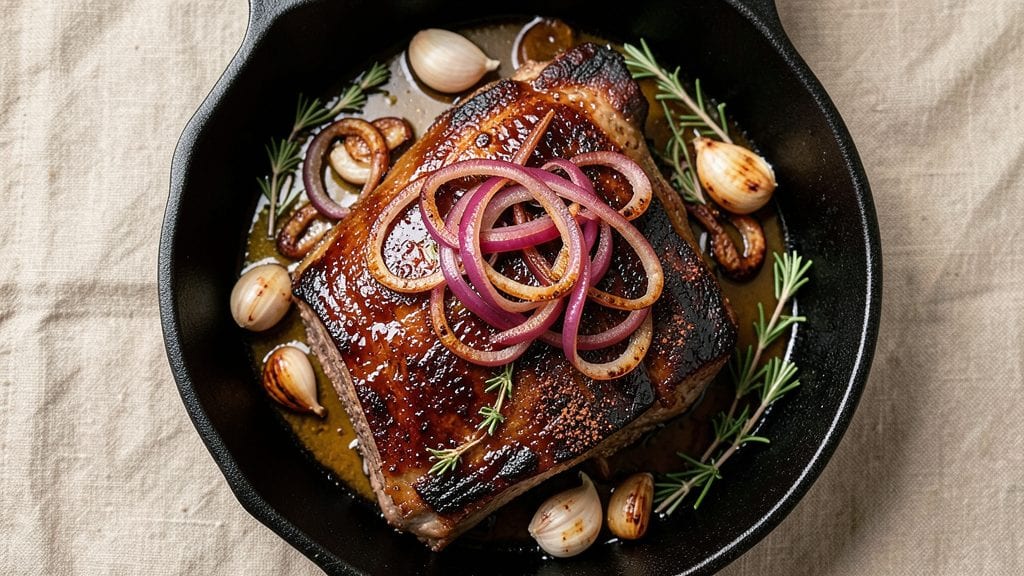
Mastering a whole beef brisket recipe transforms tough cuts into melt-in-your-mouth perfection through precise low-and-slow techniques. The key lies in patience—allowing collagen to break down over hours until the meat practically falls apart at the touch.
I’ve perfected this method after years of experimentation, balancing traditional smokehouse methods with modern efficiency for restaurant-quality results at home.
This recipe delivers tender, juicy brisket with a deep, smoky flavor profile that’s ideal for gatherings or special occasions. Whether you smoke it, braise it, or use a combination of methods, the goal is consistent heat control and proper resting time.
The result? A brisket so tender it requires no forks—just hands to pull it apart. We’ll cover everything from preparation to plating for a complete experience.
What sets this apart is the attention to detail in every step—from trimming the fat cap to monitoring internal temperatures and slicing against the grain. The reward? A brisket that’s rich, flavorful, and satisfyingly tender, served with classic sides like cornbread, pickles, and a tangy BBQ sauce.
This is the kind of dish that turns a simple meal into a memorable centerpiece.
Ready to tackle a brisket that will impress even the most seasoned BBQ enthusiasts? Let’s break down the process step by step, ensuring you achieve perfect results every time.
The journey from raw meat to a showstopping centerpiece is simpler than you might think—with the right technique, anyone can master it.
Ingredients for whole beef brisket
Eight pounds of brisket and a handful of simple ingredients transform into smoky, fall-apart perfection.
| Ingredient | Amount | Notes |
|---|---|---|
| Whole Beef Brisket 🥩 | 8 lb | Packer cut with thick fat cap |
| Yellow Onions 🧅 | 2 whole | Medium, sliced into wedges |
| Garlic Cloves 🧄 | 8 cloves | Peeled, smashed slightly |
| Fresh Thyme Sprigs 🌿 | 4 whole | Stems removed for leaves |
| Fresh Rosemary Sprigs 🌿 | 2 whole | Woody stems removed |
| Smoked Paprika 🌶️ | 2 tbsp | High-quality smoked variety |
| Ground Black Peppercorns 🌶️ | 1 tbsp | Freshly cracked preferred |
| Diamond Crystal Kosher Salt 🧂 | 1 ½ tbsp | Coarse grain for dry rub |
| Unsalted Butter 🧈 | ½ cup | Cold, cubed for basting |
| Apple Cider Vinegar 🍎 | ¼ cup | For tenderizing brine |
| Brown Sugar 🍚 | ½ cup | Light or dark variety |
| Wood Chips (Hickory or Oak) 🌳 | 2 cups | Soaked for 1 hour minimum |
| Beef Tallow or Lard 🥓 | ¼ cup | For extra fat rendering |
The brisket is non-negotiable here—packer cut with a thick fat cap is essential for moisture and flavor. Local butchers or specialty meat counters often carry the best quality, but Costco or Whole Foods will have reliable options. Look for vibrant red color and good marbling—this is your flavor bank. If you're buying whole, trim the fat cap to about 1/4-inch thickness before cooking. The wood chips? Hickory or oak are classic choices, but fruitwoods like cherry add a sweeter note. Soak them for at least an hour to prevent flare-ups—trust me, this saves your brisket from burning before it's done.
No smoked paprika? Substitute with a mix of regular paprika and a pinch of liquid smoke—just don't overdo it. Fresh herbs wilt fast, so dried thyme and rosemary at half the amount work in a pinch. The apple cider vinegar is key for tenderizing—substitute with lemon juice if that's what you've got. For the wood chips, store-bought chips in a sealed container are fine, but homemade from your own wood adds depth. The butter and tallow? Full-fat is a must—low-fat versions won't render properly. If you're short on time, skip the tallow and use extra butter instead.
This brisket rewards patience—plan for 12-16 hours of cooking time. Rest it for at least 2 hours before slicing (the good stuff, not the pre-shredded kind). The leftovers? Keep in the fridge for 5 days or freeze for 3 months. I like to portion it into vacuum-sealed bags for easy reheating—just thaw overnight in the fridge and warm in a 300°F oven with a splash of beef broth. The fat cap? Save it for next time—it's pure flavor gold.
Why You'll Love This Recipe
- Minimal Prep Required: I swear by this—just sear the brisket, toss in roughly chopped onions and garlic, then let the thyme and rosemary do their magic while you sip wine. No fancy techniques, no stress.
- Deep Flavor Payoff: That first bite? Rich, caramelized crust with tender meat inside—all from slow-roasting with onions and garlic until they melt into the brisket. Rosemary and thyme add a bright, herby finish that makes it taste like a restaurant dish.
- Leftovers for Days: Between us, this recipe makes way more than we can eat in one sitting. The brisket gets even better the next day—perfect for sandwiches, tacos, or reheating with a splash of broth. My freezer’s always stocked with portions.
- Budget-Friendly Feast: A whole brisket stretches across meals without breaking the bank. You’re getting serious meat flavor for less than half the price of pre-sliced cuts, and the aromatics stretch every bite. Honestly, it’s my go-to for feeding a crowd without overspending.
Step-by-step instructions for smoky whole beef brisket
Here's the proven method for achieving melt-in-your-mouth tenderness with that perfect bark.
Prepare the Brine and Seasoning
In a large bowl, combine the 0.25 cup apple cider vinegar, 0.5 cup brown sugar, and 1.5 tbsp diamond crystal kosher salt. This creates a simple but effective brine that tenderizes the meat while adding depth of flavor. Place the 8 lb whole beef brisket in a large resealable plastic bag and pour the brine mixture over it, ensuring it coats all surfaces. Seal the bag and refrigerate for 12 hours, turning the bag occasionally to ensure even coating.
While the brisket brines, prepare the dry rub by combining 2 tbsp smoked paprika, 1 tbsp ground black peppercorns, and the leaves from 4 whole fresh thyme sprigs and 2 whole fresh rosemary sprigs in a small bowl. Once the brining is complete, remove the brisket from the bag, pat it dry thoroughly with paper towels, and generously apply the dry rub all over, pressing it into the meat so it adheres well. Let the brined and rubbed brisket sit at room temperature for 1 hour before smoking—this ensures even cooking and a better bark.
Set Up the Smoker
Soak the 2 cups wood chips (hickory or oak) in water for at least 1 hour to prevent flare-ups. Fill the smoker's wood chip tray with the soaked chips and preheat the smoker to 225°F. I use a water pan in the smoker to maintain moisture and keep the brisket from drying out during the long cook. Allow the smoker to stabilize at the target temperature before adding the brisket—this ensures consistent heat and smoke.
Once the smoker reaches 225°F and you see steady, thin blue smoke (not thick white smoke), it's time to add the brisket. Place the brisket fat-side up on the smoker grate. The fat will render slowly and baste the meat, contributing to the flavor and moisture. Close the lid and resist the urge to open it—every time you peek, you lose heat and extend the cook time.
Smoke Low and Slow
Smoke the brisket undisturbed for 6-8 hours, maintaining a temperature between 225-250°F. This low-and-slow approach breaks down the tough connective tissue, transforming the brisket into tender, fork-tender perfection. You'll notice the brisket will hit "the stall" around 165-170°F—this is when the temperature plateaus as moisture evaporates. Don't panic; this is completely normal and part of the process.
Once the brisket reaches 165°F internally, it's time to wrap it. Remove the brisket from the smoker and wrap it tightly in butcher paper (not foil), leaving the fat cap exposed. This "Texas crutch" technique helps push the brisket through the stall while preserving that beautiful bark. Return the wrapped brisket to the smoker and continue cooking until the internal temperature reaches 200-205°F, which usually takes another 4-6 hours. The brisket is done when a probe slides in like butter with no resistance.
Rest and Slice
Once the brisket reaches the target temperature, remove it from the smoker and transfer it to a cutting board. Tent loosely with foil and let it rest for at least 1 hour (I prefer 2 hours) before slicing. This resting period allows the juices to redistribute throughout the meat, ensuring every slice is moist and flavorful. If you're short on time, you can rest the brisket in a cooler wrapped in towels for 30 minutes—this still works well.
After resting, locate the grain direction—you'll see lines running through the meat. Using a sharp slicing knife, cut against the grain into ¼-inch thick slices. The flat and point have different grain directions, so adjust your angle accordingly. Serve the brisket immediately while still warm. The exterior should have a dark mahogany bark, and the interior should be tender enough to pull apart with a gentle tug. For extra richness, spoon some of the rendered fat and juices over the top before serving.
Make the Basting Sauce (Optional)
While the brisket rests, prepare a simple basting sauce by melting the 0.5 cup unsalted butter and 0.25 cup beef tallow or lard in a saucepan over low heat. Add the sliced 2 whole yellow onions and 8 cloves garlic cloves, cooking until the onions are soft and golden, about 10 minutes. Stir in 2 tbsp smoked paprika and 1 tbsp ground black peppercorns to deepen the flavor. Simmer for another 5 minutes to allow the flavors to meld, then drizzle this rich, smoky sauce over the sliced brisket before serving.
This sauce not only adds extra flavor but also helps keep the brisket moist and juicy. The combination of rendered fat, onions, and garlic creates a perfect complement to the smoky, tender meat. Serve the brisket with classic sides like mashed potatoes, coleslaw, or crusty bread to soak up every last bit of that delicious sauce.
Pro Tips For Making Whole Beef Brisket
- Trim the Fat Cap: That thick layer of fat on the brisket’s top isn’t just for looks—it renders down into flavor gold. Use a sharp knife to trim it down to about ¼-inch, leaving a few streaks intact. I learned this the hard way when I left mine too thick, and the meat ended up greasy instead of tender.
- Sear in Batches: You can’t rush a good sear, and cramming the whole brisket in a pan will just steam it. Work in two batches—start with the fat cap side down for 8-10 minutes until deeply browned, then flip. The extra time pays off with a crust that holds up through slow cooking.
- Don’t Crowd the Onions: Chop those yellow onions into even ½-inch slices and spread them out in a single layer on the brisket before adding herbs. If you pile them on, they’ll steam instead of caramelize, and you’ll end up with sad, watery onions instead of sweet, jammy bites.
- Use a Meat Thermometer: The brisket’s done when it hits 195°F in the thickest part of the flat—yes, even if it looks undercooked. I used to guess, and my meat was either dry or still tough. A cheap probe thermometer takes the guesswork out and guarantees fork-tender results.
Pro cooking tips for great whole beef brisket
Temperature Control
Your smoker’s temperature is the single most critical factor—fluctuations ruin brisket. I use a Meater or ThermoWorks Smoke thermometer with dual probes: one in the smoker, one in the brisket. Set your target to 225°F and avoid opening the lid more than necessary.
Even a 5°F drop can extend cook time by 30 minutes or more. If your smoker struggles to maintain temperature, try adding green wood (like cherry) to stabilize heat. 🌡️
Fat Cap Management
The thick fat cap on a packer brisket is your secret weapon—it bastes the meat as it renders. Trim it to ¼-inch thickness before cooking to prevent flare-ups, but leave enough to self-baste. If your brisket has an uneven fat cap, use a sharp boning knife to even it out.
Pro tip: Save the rendered fat after cooking—it’s pure flavor gold for future dishes like mashed potatoes or cornbread. 🥓
Wrapping Strategy
At 165°F, wrap your brisket in butcher paper (not foil) to preserve bark while pushing through the stall. I use two layers of paper for extra insulation, leaving the fat cap exposed. This technique, called the Texas Crutch, shaves 2-3 hours off cook time.
If you’re short on butcher paper, heavy-duty aluminum foil works in a pinch—just don’t overwrap, or you’ll steam instead of smoke. ⏰
Probe Placement
Insert your meat probe into the thickest part of the flat, avoiding the fat cap. The point (leaner section) cooks faster, so check it separately. If the point reaches 203°F before the flat, move it to a warmer spot in the smoker or wrap it separately.
A digital instant-read thermometer like Thermoworks Thermapen gives the most accurate readings. 💡
Resting Like a Pro
Never skip resting—juices need 60-120 minutes to redistribute. I wrap the brisket in towels and place it in a cooling rack inside a large roasting pan to catch drippings.
For extra insurance, transfer it to a cooler with ice packs for 30 minutes before slicing. This step is non-negotiable for juicy results. 🧊
Slicing Against the Grain
Use a sharp slicing knife (I swear by Dexter-Russell 12-inch) and cut perpendicular to the muscle fibers in ¼-inch slices. The flat and point have different grain directions—rotate your knife as needed.
Slice the point thinner (⅛-inch) since it’s leaner. Serve immediately with a drizzle of rendered fat for maximum flavor. 🔪
Nutrition facts
Frequently asked questions
How long does it take to cook an 8-pound whole beef brisket?
Total cook time typically ranges from 12-16 hours at 225°F, depending on your smoker's consistency. The first 6-8 hours are unwrapped to develop bark, then wrapped at 165°F for another 4-6 hours until reaching 200-205°F. Resting time adds 1-2 hours before serving.
What's the difference between the flat and point cuts of brisket?
The flat is the leaner, larger muscle that cooks slower (needs 203°F internal temp), while the point is fattier and tenderizes faster. They have different grain directions—slice the flat ¼-inch thick and the point ⅛-inch thick against the grain. The point often pulls apart easily when done.
Can I cook brisket without a smoker?
Use an oven set to 275°F with a water pan for moisture. Place the brisket on a rack over the pan, cover with foil, and cook until 200°F (about 8-10 hours). For extra flavor, add wood chips to a foil packet with water and place near the brisket. A slow cooker on low for 12 hours also works well.
Why did my brisket turn out dry?
Overcooking or slicing too soon are the most common culprits. Always rest for at least 1 hour (preferably 2) before slicing, and check internal temps with a meat thermometer—never guess. If your smoker ran too hot, try wrapping earlier at 150°F next time. The fat cap should render but not burn.
How should I store leftovers?
Portion cooled brisket into airtight containers and refrigerate for up to 5 days or freeze for 3 months. For reheating, warm in a 300°F oven with a splash of beef broth for 20-30 minutes until steaming. Avoid microwaving—it dries out the meat. Save the rendered fat separately for future cooking!