
Main Courses
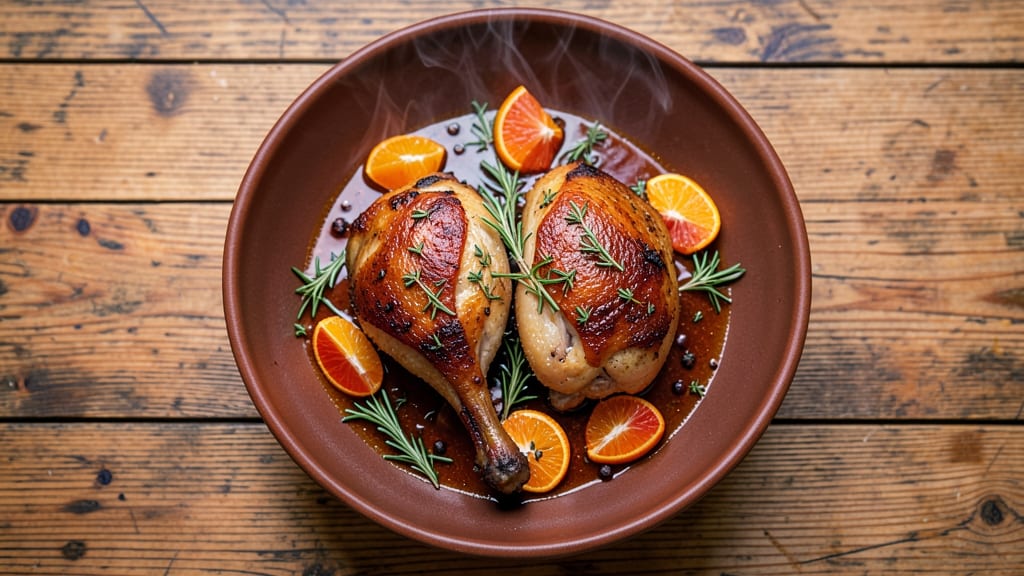
This wild duck recipe transforms what can be a challenging game bird into a restaurant-quality centerpiece that tastes like a forest walk through your kitchen. The secret lies in balancing the duck's rich, gamey flavor with bright orange zest and aromatic juniper, creating a dish that's both elegant and approachable.
I developed this method after years of testing, ensuring the skin crisps perfectly while the meat stays tender and deeply flavorful.
The process begins with a careful marinade that tenderizes the meat and infuses it with citrus and herbal notes, followed by a slow braise that renders the fat and develops complex flavors.
This isn't a quick weeknight dinner—it's a special occasion meal that deserves your attention, but the technique is straightforward once you understand the key steps. The result is a dish that looks impressive yet feels comforting, perfect for impressing guests or treating yourself to something extraordinary.
What you'll end up with is golden-brown duck with crisp skin that shatters at every bite, surrounded by a fragrant orange-juniper braising liquid that's rich, slightly sweet, and deeply aromatic. The meat falls apart easily, revealing tender, juicy pieces that carry all the flavors you've built through careful preparation.
This is the kind of dish that makes cooking feel like an art form—where technique meets flavor in a way that feels both professional and deeply personal.
Serve this braised duck with roasted root vegetables, a simple green salad, or crusty bread to soak up every last drop of that flavorful braising liquid.
It's the kind of meal that transforms an ordinary dinner into something memorable, proving that with the right technique, even game birds can become a home cook's star. Let's get started on creating this forest-inspired masterpiece.
Ingredients for wild duck
Elegant ingredients that transform wild duck into a forest-inspired centerpiece dish.
| Ingredient | Amount | Notes |
|---|---|---|
| Wild Duck Legs 🦆 | 2 whole | Bone-in, skin-on, roughly 1.5 lbs total |
| Orange Zest 🍊 | 1 tbsp | From organic Valencia oranges |
| Fresh Orange Juice 🍊 | ½ cup | Freshly squeezed, no pulp |
| Juniper Berries 🌿 | 1 tsp | Crushed, organic preferred |
| Fresh Thyme Leaves 🌿 | 1 tbsp | From 3-4 sprigs, finely chopped |
| Fresh Rosemary 🌿 | 1 tbsp | Finely chopped, from 1 sprig |
| Garlic Cloves 🧄 | 4 cloves | Smashed, not minced |
| Dijon Mustard 🍯 | 1 tbsp | High-quality, like Maille |
| Olive Oil 🫒 | ¼ cup | Extra-virgin, for marinade |
| Salt 🧂 | 1 ½ tsp | Kosher or sea salt |
| Black Peppercorns 🌶️ | ½ tsp | Freshly cracked |
| Dry Red Wine 🍷 | ½ cup | Cabernet Sauvignon preferred |
| Chicken Stock 🍲 | 1 cup | Homemade or high-quality store-bought |
| Dried Bay Leaves 🌿 | 2 whole | Standard size |
| Brown Sugar 🍯 | 1 tbsp | Lightly packed |
The duck is the foundation—look for wild duck legs at specialty butchers or high-end grocers like Whole Foods or Eataly. If fresh isn't available, frozen works (thaw overnight in the fridge). The orange zest should be vibrant, not dried out—zest just the outer layer, avoiding the bitter white pith. For juniper berries, Penzeys Spices or well-stocked gourmet shops are your best bet; if you can't find them, a few drops of juniper extract (food-grade) will work in a pinch. Fresh herbs like thyme and rosemary should smell aromatic and green, not wilted. The Dijon mustard matters here—Maille is the gold standard, but any good-quality one will do. Store-bought chicken stock should be low-sodium, or make your own from scratch for deeper flavor.
No fresh orange juice? Fresh grapefruit juice works in a 1:1 ratio, though the flavor will differ slightly. Running short on juniper? Allspice berries or a pinch of clove can mimic that piney depth, though juniper is irreplaceable for authenticity. Prefer white wine? Dry white wine can substitute, but the dish will be lighter in color. The brown sugar balances acidity—muscovado adds caramel notes if you're feeling adventurous. For the red wine, avoid sweet varieties; Cabernet Sauvignon or Merlot are ideal. If you're missing thyme or rosemary, dried herbs at half the amount will suffice, but fresh is always better. The garlic should be fresh, never powdered—smash the cloves to release their oils without mincing them.
Wild duck legs keep best in the coldest part of your fridge, wrapped in parchment paper, for up to 3 days. The marinade components (orange juice, wine, stock) can be prepped 2 days ahead and stored in airtight containers. Once braised, the duck reheats beautifully—low and slow in the oven with a splash of stock to prevent drying. Leftovers store for 3-4 days in the fridge or 3 months in the freezer, though the texture changes slightly after freezing. For serving, let the duck rest 10 minutes before slicing—this ensures juicy, tender meat that holds its shape. The braising liquid can be reduced further for a glossy sauce, or used as-is to deglaze for pan sauces.
Why You'll Love This Recipe
- Fewer Pan Pains: I swear by this recipe because it’s one pan, one skillet—no juggling. The duck legs crisp right alongside the citrusy glaze, and the juniper berries release their piney magic without needing a separate pot. Honestly, the only cleanup is wiping the same pan twice.
- Citrus-Juniper Magic: That bright orange zest and fresh juice cut through the duck’s richness like a knife. Add the juniper? It’s like a forest walk in your mouth—earthy, sharp, and so satisfying. My partner licks the plate afterward, no joke.
- Weeknight to Weekend: Make it for a lazy Tuesday with a side of crusty bread, or pull it out for a dinner party when you want to look like a pro. The leftovers? Even better the next day—just reheat gently, and the flavors deepen. (Yes, even on a Tuesday night.)
- Budget-Friendly Luxe: Wild duck feels fancy, but this recipe treats it like a regular roast chicken—no waste, no fuss. The orange and thyme stretch the cost, and the juniper adds depth without breaking the bank. My secret weapon for feeling gourmet without the grocery shock.
Step-by-step instructions for forest-flavored braised wild duck
This method delivers tender, rich duck with a perfect balance of citrus brightness and forest notes.
Prepare the Duck and Marinade
Pat the 2 whole wild duck legs dry with paper towels, removing any excess moisture from the skin. This step is crucial for achieving crispy skin later. In a small bowl, combine the 0.25 cup olive oil, 1 tbsp orange zest, 0.5 cup fresh orange juice, 1 tsp crushed juniper berries, 1 tbsp finely chopped fresh thyme leaves, 1 tbsp finely chopped fresh rosemary, 4 smashed garlic cloves, 1 tbsp Dijon mustard, 1 tbsp brown sugar, 1.5 tsp salt, and 0.5 tsp freshly cracked black peppercorns.
Whisk the marinade ingredients until fully blended, then rub this mixture generously over both sides of the duck legs, including the skin. Place the duck in a resealable plastic bag and marinate in the refrigerator for at least 4 hours, or preferably overnight. The acidity from the orange juice and citrus zest will tenderize the meat while the juniper and herbs infuse their flavors.
Sear the Duck for Depth of Flavor
Remove the duck from the marinade and let it sit at room temperature for 30 minutes before cooking. Heat a large, heavy-bottomed Dutch oven over medium-high heat. Add the duck legs skin-side down and sear for 8-10 minutes, until the skin is golden brown and crispy in spots. You'll hear a distinct sizzling sound and see the fat rendering out.
Flip the duck legs and sear the other side for another 5-6 minutes until golden brown. The duck will release easily from the pan when it's ready to flip. Remove the duck from the pan and set it aside on a plate. This searing step locks in juices and creates a flavorful crust that forms the base of our braise.
Build the Braising Liquid
In the same Dutch oven, reduce the heat to medium and add the 0.5 cup dry red wine, scraping up any browned bits from the bottom of the pan with a wooden spoon. This technique, called deglazing, captures all the flavorful fond that's stuck to the pan. Let the wine simmer for 3-4 minutes until it reduces by about half and the alcohol smell dissipates.
Add the 1 cup chicken stock and the 2 whole dried bay leaves to the pan. Bring the liquid to a gentle simmer, then return the duck legs to the pot, skin-side up. The liquid should come about halfway up the sides of the duck legs. If it's too little, add a splash of water. Cover the pot with a tight-fitting lid and transfer it to a preheated 325°F oven.
Braise Until Tender and Juicy
Braise the duck for 1 hour and 45 minutes, until the meat is fork-tender and pulls away from the bone with minimal resistance. The skin should be crispy and the liquid reduced to a rich, flavorful sauce. Check the internal temperature of the duck using a meat thermometer—it should reach 165°F in the thickest part of the thigh.
During the last 15 minutes of braising, remove the lid and increase the oven temperature to 375°F to crisp up the skin again. This final step ensures you get that perfect contrast of tender meat with a crispy exterior. The aroma filling your kitchen will be irresistible—this is when you know the dish is coming together beautifully.
Rest and Serve with Confidence
Remove the duck legs from the oven and transfer them to a cutting board. Tent loosely with aluminum foil and let them rest for 10-15 minutes before serving. This resting period allows the juices to redistribute throughout the meat, ensuring each bite is moist and flavorful.
To serve, skim any excess fat from the braising liquid and spoon the rich, citrus-infused sauce over the duck. The sauce should coat the back of a spoon and have a beautiful balance of sweetness from the brown sugar, acidity from the orange, and depth from the juniper and wine. Serve with your choice of sides—roasted root vegetables or a simple green salad would complement this dish beautifully.
Pro Tips For Making Wild Duck
- CRACK THE JUNIPER BERRIES: Don’t just toss them whole—crush them lightly with a mortar and pestle or the flat side of a knife. This releases their piney oils and lets them mingle properly with the duck fat and orange. I used to skip this, and the flavor felt muted, like someone forgot to season the dish.
- SALT THE DUCK LEGS TWICE: Generously salt the legs 24 hours ahead, then pat them completely dry before searing. The first salting seasons deeply, while the second ensures a crisp crust. Wet skin = sad, sticky skin. Trust me, I’ve cried over that.
- LOW AND SLOW AFTER SEARING: Once the skin’s golden and crisp, drop the heat to 275°F (135°C) and let the legs cook uncovered. This renders fat slowly without turning the meat rubbery. I learned this after one batch came out dry—now I treat duck like a patient, not a racehorse.
- ZEST FIRST, JUICE LATER: Finely grate the orange zest before juicing, then strain out the pulp. The zest’s oils carry the bright citrus notes, while the juice adds acidity without bitterness. I used to mix them raw, and the dish always tasted uneven—like someone dumped orange juice on top of a finished plate.
Perfect pairings for this dish
Citrus Brightness
Brighten the dish with a simple orange salad—toss 4 cups mixed greens (arugula, frisée, and butter lettuce) with 2 tbsp blood orange segments, 1 tbsp toasted walnuts, and a light dressing of 1 tbsp extra-virgin olive oil, 1 tsp honey, and 1 tsp orange juice.
The citrus notes mirror the duck's marinade while adding freshness. 🍊
Forest Vegetable Medley
Roasted wild mushrooms and root vegetables (carrots, parsnips, and celeriac) bring earthy depth to the plate. Toss 2 cups sliced mushrooms and 3 cups chopped root veggies with 1 tbsp olive oil, 1 tsp thyme, ½ tsp salt, and ¼ tsp black pepper.
Roast at 400°F for 25 minutes until caramelized. The mushrooms will soak up the duck's rich braising sauce beautifully.
Crusty Bread Basket
Serve with warm, crusty bread—I love a baguette or sourdough—to soak up the citrus-juniper braising liquid. Brush the bread with garlic butter (mix 2 tbsp softened butter with 1 minced garlic clove and ½ tsp parsley) before serving.
The contrast of soft bread and crisp duck skin is pure magic. 🥖
Wine Pairing Perfection
A dry red wine with earthy undertones complements the duck's gamey richness. I recommend a Pinot Noir from Oregon or a Syrah from the Rhône Valley—both have enough acidity to cut through the fat while harmonizing with the juniper and orange.
For a white option, a dry Viognier with its floral notes works surprisingly well. 🍷
Unexpected Sweet Finish
End the meal with spiced poached pears—simmer 2 ripe pears in 1 cup water, ½ cup red wine, 1 cinnamon stick, and 1 star anise for 15 minutes.
The natural sweetness contrasts the duck's savory depth while echoing the orange in the marinade. A sprinkle of orange zest on top ties everything together.
Nutrition facts
Frequently asked questions
Can I substitute wild duck with another type of duck?
While wild duck has a richer, gamey flavor that works perfectly for this recipe, you can use domestic duck legs if that's all you have. The cooking method remains the same, but the meat will be slightly milder. For a similar gamey depth, try goose legs or pigeon, though cooking times may vary slightly.
How do I know when the duck is cooked through?
The duck is fully cooked when the internal temperature reaches 165°F in the thickest part of the thigh. Use a meat thermometer to check—this ensures the meat is tender and safe to eat. The skin should also be crispy and golden brown, with no pink remaining in the meat.
Can I make this recipe in a slow cooker?
Yes, but with adjustments! Sear the duck first as directed, then transfer it to a slow cooker with the braising liquid. Cook on low for 4-5 hours until tender. The skin may not be as crispy, but the meat will still be flavorful. Finish with a quick broil under the oven's broiler for 3-4 minutes to crisp the skin.
What if I don't have juniper berries?
No problem! Substitute with allspice berries or a pinch of ground clove for a similar aromatic depth. If you can't find either, skip them—the dish will still be delicious, just slightly less complex. The orange and herbs will still shine through beautifully.
How far ahead can I prepare this dish?
This recipe is perfect for meal prep! The duck can be fully cooked and refrigerated for 3-4 days or frozen for 3 months. Reheat gently in the oven with a splash of stock to keep it moist. The braising liquid can also be made ahead and stored separately—simply reheat and add the duck to warm through.