
Soups & Stews
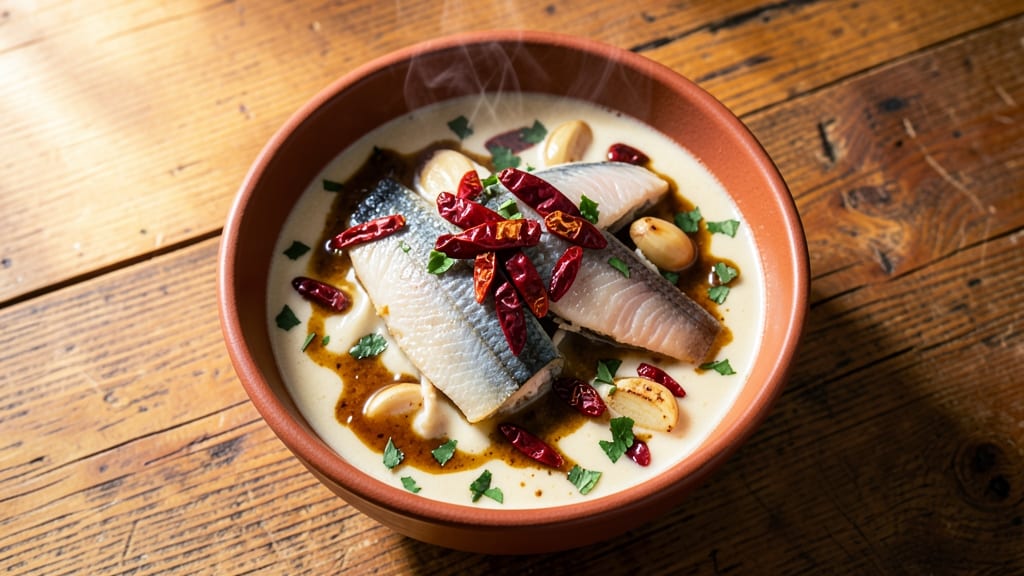
This African fish pepper soup recipe delivers the bold, aromatic essence of West African cuisine in a single pot—where fiery peppers, earthy spices, and tender fish meld into a deeply satisfying broth.
The secret lies in the pepper paste, a vibrant blend of dried African bird’s eye peppers, garlic, and ginger that forms the soup’s fiery backbone.
I’ve perfected this version over years of testing, balancing heat with umami-rich stock and fresh herbs like utazi leaves, which add a bright, almost citrusy depth.
What sets this recipe apart is its authenticity without compromise—no shortcuts in the spice development or fish preparation. The fish is poached gently in the simmering broth, absorbing flavors while staying flaky, while the pepper paste is toasted and blended fresh for maximum intensity.
The result is a soup that’s rich, complex, and deeply comforting, with a texture that’s both hearty and light.
By the time you serve it—steaming in a clay pot or cast-iron skillet, garnished with fresh utazi leaves and a drizzle of palm oil—you’ll have a dish that’s restaurant-quality but rooted in tradition.
It’s the kind of meal that brings people together, where every spoonful tells a story of bold flavors and cultural pride.
Pair it with fufu, rice, or plantains to soak up every last drop of that flavor-packed broth. Here’s how to make it—step by step, just like in my kitchen.
Ingredients for african fish pepper soup
Bold spices, tender fish, and a fiery kick—this one-pot wonder delivers West African soul in every spoonful.
| Ingredient | Amount | Notes |
|---|---|---|
| Dried African Bird’s Eye Peppers 🌶️ | 2 tbsp | Toasted until fragrant |
| Garlic Cloves 🧄 | 8 cloves | Peeled, lightly smashed |
| Fresh Ginger 🌿 | 2 tbsp | Finely grated, fresh preferred |
| Utazi Leaves 🌿 | 1 cup | Fresh, chopped (or sub spinach) |
| Fresh Fish Fillets 🐟 | 1 ½ lb | White fish like cod or tilapia |
| Fish Stock 💧 | 4 cups | Homemade or quality store-bought |
| Palm Oil 🫒 | ¼ cup | Red palm oil for authentic color |
| Onions 🧅 | 1 whole | Medium, chopped |
| Tomatoes 🍅 | 2 whole | Roma, chopped (or 1 cup canned) |
| Bell Peppers 🌶️ | 1 whole | Red or green, chopped |
| Ground Cumin 🌿 | 1 tsp | Toasted for depth |
| Ground Nutmeg 🌿 | ½ tsp | Freshly grated preferred |
| Salt 🧂 | 1 tsp | Kosher or sea salt |
| Black Pepper 🌶️ | ½ tsp | Freshly ground |
| Scotch Bonnet Peppers 🔥 | 1 whole | Optional, for extra heat |
The dried African bird’s eye peppers are the heart of this soup. Look for them at Latin or African markets—they’re hotter and more aromatic than regular chiles. Toast them in a dry pan for 30 seconds until fragrant (that’s key!). If you can’t find them, substitute a mix of cayenne and red pepper flakes, but reduce the amount by half. The utazi leaves? These are the secret weapon—find them frozen at African specialty stores, or use spinach or kale in a pinch. Fresh ginger and garlic should be vibrant, not shriveled, and the fish should be firm with no fishy odor. Costco or Whole Foods usually have good quality frozen fish fillets, but fresh is ideal.
No palm oil? Vegetable or coconut oil will work, but the color won’t be as rich. The tomatoes can be fresh or canned—just drain the canned ones well to avoid a watery soup. Bell peppers add sweetness, but if you’re in a hurry, skip them and add an extra tomato. For the heat, Scotch bonnet peppers are traditional, but jalapeños or habaneros work if you’ve got them. The fish stock is non-negotiable—store-bought works, but homemade (simmering fish bones with veggies) takes this to the next level. If you’re using canned tomatoes, San Marzano is the way to go—they’re sweeter and less acidic.
This soup tastes even better the next day as flavors meld. Store leftovers in the fridge for 3-4 days, covered tightly. The broth thickens as it cools, so add a splash of water when reheating. Freeze portions for up to 3 months—just thaw in the fridge overnight. I like to make a big batch and freeze half; that way, I always have a flavor-packed meal ready. Garnish with fresh utazi leaves or a drizzle of palm oil before serving—that’s where the magic happens.
Why You'll Love This Recipe
- Few Ingredients, Big Payoff: I swear by this recipe because it’s one of those rare dishes where you don’t need a pantry full of fancy stuff. Just fish, peppers, garlic, ginger, and utazi—no complicated spice blends or obscure substitutions. That fiery kick from the dried African bird’s eye peppers does all the heavy lifting while keeping prep absurdly simple.
- Umami Bomb in Every Bite: Between us, the utazi leaves and ginger transform this soup into something ridiculously flavorful. The fish absorbs the heat and earthiness like a sponge, but it’s the slow simmer that makes it magic—deep, savory, and just spicy enough to linger. Honestly, I’ve had bland soups before, but this one? It’s the kind that makes you close your eyes halfway through the first spoonful.
- Weeknight to Weekend Workhorse: This soup is my go-to for lazy Mondays and Sunday gatherings. Double the batch, store half for later, and reheat it without losing a single ounce of flavor. (Yes, even on a Tuesday night.) The utazi leaves add a freshness that holds up surprisingly well, so it’s perfect when you’re feeding a crowd or just craving leftovers that don’t taste reheated.
- Budget-Friendly Protein Power: Fresh fish fillets might seem pricier, but this recipe stretches them further than you’d think. The peppers and ginger add layers of flavor that make smaller cuts feel luxurious, and utazi leaves—if you can’t find them—can be swapped for spinach or basil in a pinch. Between us, I’ve made this for under $10 per serving, and it still feels like a restaurant-quality meal. That’s the kind of practical magic I live for.
Step-by-step instructions for African fish pepper soup
Here's how to make this vibrant, flavor-packed soup in one pot.
Toast the Spices and Sauté Aromatics
Heat the 0.25 cup palm oil in a large pot over medium heat until shimmering. Add the 2 tbsp dried African bird's eye peppers and toast for 30 seconds until fragrant—you'll smell that deep, smoky aroma. Immediately add the 8 cloves garlic cloves and 2 tbsp fresh ginger, cooking for 1-2 minutes until the garlic turns golden and the ginger becomes translucent.
Next, add the 1 whole onions and 2 whole tomatoes, chopping them finely as you go. Cook for 5-6 minutes until the onions soften and the tomatoes break down into a thick paste. This is where all the flavors meld together—don't rush this step. The mixture should smell rich and earthy, with the peppers adding a subtle heat.
Build the Spiced Base
Stir in the 1 whole bell peppers (chopped), 1 tsp ground cumin, 0.5 tsp ground nutmeg, 1 tsp salt, and 0.5 tsp black pepper. Cook for 2 minutes until the spices are fully incorporated and the bell peppers soften slightly. If using the 1 whole Scotch bonnet peppers, remove the seeds and membranes for less heat, then chop and add now.
Pour in the 4 cups fish stock and bring the mixture to a gentle boil. Once boiling, reduce heat to medium-low and let it simmer for 10 minutes, stirring occasionally. This lets the flavors deepen and the spices bloom. You'll notice the soup thickens slightly and takes on a rich, reddish hue from the palm oil and spices.
Add Fish and Simmer Gently
Add the 1.5 lb fresh fish fillets to the simmering broth. Gently stir to submerge the fish completely, then reduce heat to low. Cover the pot and let it cook for 8-10 minutes. The fish is done when it flakes easily with a fork and the edges turn opaque. Avoid overcooking—fish continues cooking slightly after being removed from heat.
Here's the thing—don't lift the lid during cooking. Every time you peek, you risk steaming the fish instead of letting it cook gently in the broth. The fish should stay submerged, and the soup should remain just below a simmer to keep the fish tender and the flavors balanced.
Finish with Utazi Leaves and Adjust Seasoning
Stir in the 1 cup utazi leaves (or spinach if substituting) and cook for 2-3 minutes until wilted. The leaves will add a vibrant green color and a slightly bitter note that balances the richness of the fish and spices. Taste the soup and adjust seasoning with more salt or pepper if needed—this is where you fine-tune the flavor.
Remove from heat and let the soup sit for 5 minutes. This resting time allows the flavors to meld even more. Serve immediately with crusty bread or steamed rice to soak up the bold, spicy broth. The soup should be aromatic, with layers of heat from the peppers, earthiness from the spices, and a touch of sweetness from the tomatoes and bell peppers.
Pro Tips For Making African Fish Pepper Soup
- SOAK PEPPERS FIRST: I learned this the hard way—tossing dried African bird’s eye peppers straight into the pot means you’ll be choking on dust for 10 minutes while they slowly rehydrate. Soak them in warm water for 15 minutes before adding; they’ll soften faster and release their heat evenly without overwhelming the broth.
- CRUSH GINGER LIKE YOU MEAN IT: Fresh ginger in African fish pepper soup isn’t just for flavor—it’s the backbone of the aroma. Use the flat side of your knife to smash it into a paste (no food processor needed) before adding it to the oil. This guarantees it’ll infuse properly instead of floating as useless chunks.
- DON’T BOIL THE FISH: The second you drop raw fish into simmering water, it’ll turn rubbery and fall apart. Instead, sear the fillets in a separate pan with a little oil until they’re just opaque (about 2 minutes per side), then add them to the soup when the broth is already hot but not rolling. They’ll stay tender and absorb the peppery goodness.
- SAVE TIME WITH UTAZI: Utazi leaves are non-negotiable, but if you’re short on time, blanch them for 30 seconds in boiling water first. This softens them enough to release their flavor without needing to simmer them for 20 minutes. Just drain and add them to the pot when the fish goes in—same effect, half the wait.
Dietary considerations for this dish
Gluten-Free Adaptations
This soup is naturally gluten-free, but watch for hidden sources in fish stock and seasonings. I always use gluten-free fish stock (like Pacific Foods brand) and check spice blends for additives. The utazi leaves or spinach substitution also remains gluten-free, so you can enjoy this dish worry-free. 🌱
Nut-Free Considerations
While the recipe doesn’t contain nuts, cross-contamination is possible if using pre-made fish stock or spices stored with nuts. For extra safety, I recommend using certified nut-free fish stock and freshly ground spices. The palm oil is nut-free, but always check labels if using store-bought brands.
Allergen-Friendly Swaps
For seafood allergies, this recipe isn’t suitable, but if you’re avoiding fish, consider substituting chicken or shrimp (though flavor profiles will differ). For dairy-free needs, no changes are needed—the recipe is entirely plant-based. The utazi leaves or spinach add a fresh, non-dairy element that balances the rich broth.
Low-Sodium Options
If you’re watching sodium, reduce the 1 tsp salt to ½ tsp and use low-sodium fish stock (like Imagine brand). Taste as you go—sometimes the pepper paste and spices add enough saltiness.
For extra flavor without sodium, add a splash of fresh lemon juice or lime zest at the end. 💡
Vegetarian Substitutions
To make this vegetarian, replace the fish with firm tofu or chickpeas (for protein). Tofu absorbs flavors beautifully—just press and cube it before adding to the simmering broth.
Chickpeas add heartiness and work well with the spiced base. Adjust cooking time: tofu needs 5-7 minutes, while chickpeas are already cooked.
Heat Adjustments
The Scotch bonnet pepper and African bird’s eye peppers deliver serious heat. For milder versions, reduce the bird’s eye peppers to 1 tbsp and omit the Scotch bonnet entirely.
If you love heat, add ½ tsp cayenne pepper or an extra Scotch bonnet (seeds removed for less intensity). Always taste before serving—adjust to your spice tolerance! 🌶️
Nutrition facts
Frequently asked questions
What makes this African fish pepper soup different from other fish soups?
This recipe stands out because of its authentic West African spice blend, particularly the toasted African bird’s eye peppers and utazi leaves. Unlike milder fish soups, this version delivers a bold, fiery kick with layers of earthy cumin and nutmeg. The fish is gently poached in the broth rather than boiled, preserving its tenderness while absorbing the complex flavors.
Can I substitute utazi leaves if I can't find them?
Utazi leaves add a unique citrusy depth, but you can substitute with spinach or kale (use 1 cup chopped) for a similar texture. For extra authenticity, try pumpkin leaves if available at African markets. Just reduce cooking time to 2 minutes to avoid bitterness. The flavor won’t be identical, but it’ll still taste delicious.
How do I adjust the heat level in this soup?
The recipe balances heat from African bird’s eye peppers and optional Scotch bonnet. For milder heat, reduce the bird’s eye peppers to 1 tbsp and skip the Scotch bonnet. For extra spice, add ½ tsp cayenne or an extra Scotch bonnet (remove seeds for less intensity). Always taste before serving—you can add more peppers later if needed!
What’s the best way to store leftovers?
Store in an airtight container in the fridge for 3-4 days. The flavors actually improve overnight! When reheating, add a splash of water to loosen the broth. For longer storage, freeze portions for up to 3 months. Thaw in the fridge overnight for best texture. The fish may break apart slightly, but it’s still delicious.
What sides pair best with this soup?
Traditional pairings include fufu (a dough-like staple), rice, or plantains. For a modern twist, try crusty bread or roasted yams. The key is something starchy to soak up the rich, spicy broth. Avoid heavy sides—the soup’s bold flavors should shine!