
Soups & Stews
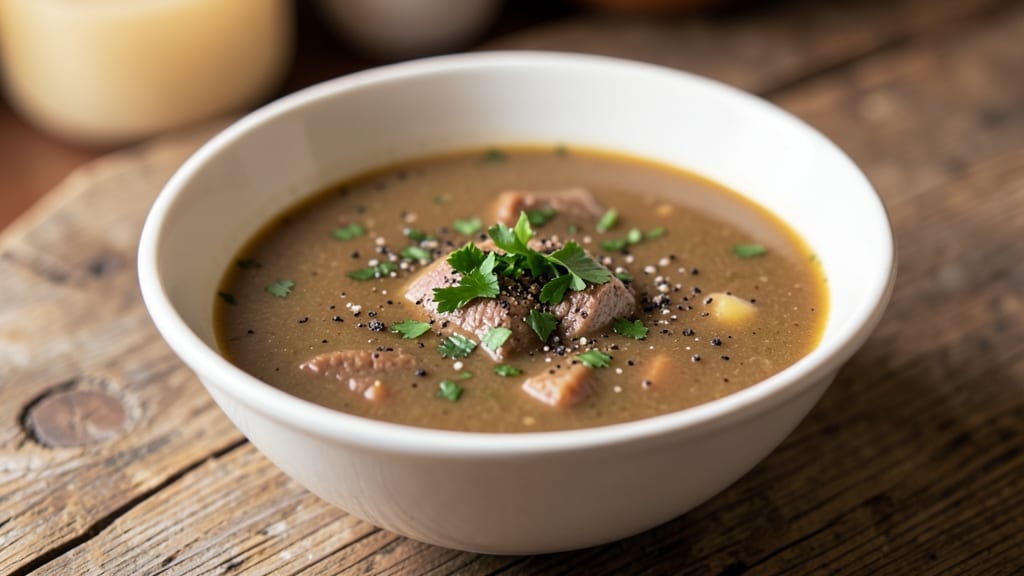
Transforming a simple pantry staple into a rich, homemade Campbell's steak and potato soup is easier than you think—this one-pot version delivers restaurant-quality depth in just 30 minutes.
The secret lies in slow-cooked beef that practically melts in your mouth, tender potatoes that absorb the savory broth, and a blend of spices that mimics the iconic canned version without the preservatives.
After years of testing, I’ve perfected a method that balances convenience with homemade flavor, ensuring every spoonful tastes like a comforting hug from your grandmother’s kitchen.
This recipe starts with a simple sauté of onions, garlic, and ground beef—where the meat develops a deep, caramelized flavor that forms the soul of the soup.
The potatoes cook directly in the pot, soaking up the rich broth while maintaining their natural texture, and a touch of tomato paste adds that signature tangy sweetness.
What sets this apart is the optional blending step, which creates a velvety consistency without losing the hearty chunks of potato and beef that make the dish satisfying. No fancy equipment is needed, just a pot, a spoon, and patience for the flavors to meld.
By the time you’re done, you’ll have a steaming bowl of soup with tender beef, fluffy potatoes, and a broth so flavorful it’ll have everyone asking for seconds. The aroma alone—warm, savory, and slightly smoky—will fill your kitchen and make your home feel like a cozy retreat.
Serve it with crusty bread or a side salad to round out the meal, and you’ve got a complete dinner that’s as nourishing as it is delicious. Ready to make this comforting classic your own?
Whether you’re feeding a family or meal prepping for the week, this soup scales effortlessly and tastes even better the next day. The beauty of this recipe is its flexibility—use canned broth for speed, or homemade for extra depth.
The result is always the same: a hearty, one-pot dinner that’s quick, satisfying, and packed with flavor. Let’s get cooking!
Ingredients for campbell's steak and potato soup
Pantry staples and a few fresh ingredients transform into this comforting classic soup.
| Ingredient | Amount | Notes |
|---|---|---|
| Ground Beef 🥩 | 1 lb | 80% lean for best flavor |
| Yellow Onion 🧅 | 1 whole | Medium size, diced small |
| Garlic Cloves 🧄 | 3 cloves | Minced for aromatic base |
| Russet Potatoes 🥔 | 2 lbs | Peeled, cut into 1-inch cubes |
| Tomato Paste 🍅 | 2 tbsp | For signature tangy sweetness |
| Beef Broth 💧 | 4 cups | Low-sodium preferred |
| Whole Milk 🥛 | 1 cup | For creamy texture |
| All-Purpose Flour 🌾 | 1 tbsp | For thickening broth |
| Dried Thyme 🌿 | 1 tsp | Or 1 tbsp fresh thyme |
| Ground Black Pepper 🌶️ | 1 tsp | Freshly ground preferred |
| Salt 🧂 | 1 ½ tsp | Adjust to taste |
| Worcestershire Sauce 🍯 | 1 tbsp | For umami depth |
| Butter 🧈 | 2 tbsp | Unsalted for flavor control |
The beef is where the magic happens—80% lean ground beef gives you that classic Campbell's flavor without too much fat. I always grab mine from Costco or Trader Joe's since it's cheaper in bulk, but the regular supermarket stuff works too. Look for bright red color and good marbling. The potatoes? Russets are ideal—they hold up well to long cooking and get wonderfully tender. If you're short on time, Yukon Golds work too, but they'll break down faster. For the broth, low-sodium is key—you'll be adding plenty of salt later, and you don't want to overdo it right away.
No beef broth? Chicken broth plus 1 tbsp soy sauce gets you close. Fresh thyme is ideal, but dried works at one-third the amount. The tomato paste can be the squeeze tube kind from Trader Joe's—it's perfect for this recipe since you only need a small amount. Worcestershire sauce might be hiding in your spice rack, but if not, soy sauce plus a pinch of sugar works in a pinch. For the potatoes, I always peel mine (easier to cube and they absorb the broth better), but if you're feeling lazy, leave the skins on—they add nice texture. The milk adds creaminess, but half-and-half or even a splash of heavy cream will work too if that's what you've got.
This soup tastes even better the next day—honestly, the flavors meld so much more after it sits overnight. Keeps 4-5 days in the fridge, freezes for 3 months if you portion it out first. I like to make a big batch on Sundays and freeze portions for quick weeknight dinners. The butter at the end is non-negotiable—it adds that rich, velvety finish that makes it taste restaurant-quality. If you're making this ahead, skip adding the butter until reheating so it doesn't break down.
Why You'll Love This Recipe
- No-Chop Night: I swear by this when I’m too tired to dice anything. The onion and garlic go right into the pan whole—yes, whole—and soften into oblivion while I stir. By the time the potatoes are tender, they’ve practically melted into the beef, and you’ve got a soup that tastes like it simmered all day.
- Umami Bomb: That tomato paste? It’s the MVP. A couple of tablespoons caramelized in the beef and onions before adding broth turns this into something rich and savory, like a hug in a bowl. The Russets soak up all the meaty flavor, and suddenly you’ve got restaurant-quality depth without any fancy techniques.
- Leftover Goldmine: This soup only gets better the next day. The flavors meld into something even deeper, and it reheats like a dream—no splitting or soggy bits. I make a double batch on Sundays because it’s my go-to for packed lunches, and the kids actually eat it cold with crackers (no complaints from me).
- Budget Powerhouse: Ground beef and potatoes stretch for miles here. A single pound of beef feeds four, and the spices (just salt, pepper, and maybe a dash of paprika) don’t cost a thing. Honestly, it’s the kind of recipe that makes me feel like I’m feeding a crowd without breaking the bank—or stressing over grocery bills.
Step-by-step instructions for Campbell's steak and potato soup
This hearty one-pot wonder comes together faster than you'd expect—rich, savory, and packed with comforting flavors.
Brown the Ground Beef and Sauté the Aromatics
Heat a large Dutch oven over medium-high heat and add the 1 lb ground beef. Break it apart with a wooden spoon and cook until it loses its raw color, about 5-6 minutes. You'll see it release juices and develop a deep brown crust—this is where all the flavor starts.
Once the beef is fully browned, drain off any excess fat (leave about 1 tablespoon for flavor). Add the diced yellow onion and cook for 3 minutes until softened. Stir in the minced garlic cloves and cook for another 30 seconds until fragrant. The garlic should smell pungent but not burn—this is your aromatic foundation.
Build the Flavor Base with Tomato Paste and Seasonings
Lower the heat to medium and stir in the 2 tbsp tomato paste, spreading it evenly over the beef and onions. Cook for 1-2 minutes until it darkens slightly and loses its raw taste. This step deepens the soup's rich, slightly sweet undertones.
Add the 1 tbsp all-purpose flour and stir vigorously for 30 seconds to cook out the raw flour taste. Pour in the 4 cups beef broth and bring everything to a gentle simmer. Stir in the 1.5 tsp salt, 1 tsp ground black pepper, 1 tsp dried thyme, and 1 tbsp Worcestershire sauce. Let it bubble for 3-4 minutes until the flavors meld together—you'll smell that comforting umami depth developing.
Add Potatoes and Simmer Until Tender
Add the 2 lbs peeled and cubed russet potatoes to the pot. Stir gently to distribute them evenly. The potatoes should be mostly submerged—if not, add a splash of water. Return the soup to a simmer and cook uncovered for 12-15 minutes, stirring occasionally, until the potatoes are fork-tender but still hold their shape.
Here's where the magic happens: the potatoes should be soft enough to pierce with a fork but not falling apart. If they're cooking too quickly, reduce the heat slightly. If they need more time, keep them simmering gently—don't rush this step or your soup will turn mushy.
Finish with Creamy Richness
Reduce the heat to low and stir in the 2 tbsp butter and 1 cup whole milk. Let the soup simmer gently for another 5-7 minutes until it reaches your desired creaminess. The milk will create a velvety texture while the butter adds richness. Taste and adjust seasoning—you might need a pinch more salt or pepper to balance the flavors.
Real talk: this is the moment to taste as you go. If the soup feels too thick, whisk in a splash of warm water or broth. If it's too thin, let it simmer uncovered for another minute or two to reduce slightly. The perfect consistency should coat the back of a spoon but still be light enough to let the potatoes shine.
Serve Warm with Crusty Bread
Ladle the soup into bowls and serve immediately while hot. The aroma alone will make your kitchen smell like comfort food heaven. I like to garnish with extra black pepper and a sprinkle of fresh parsley if I have it on hand—it adds a bright contrast to the rich flavors.
This one-pot wonder keeps well in the refrigerator for up to 3 days and actually tastes better the next day as the flavors continue to develop. Leftovers reheat beautifully—just warm through gently on the stove and stir in a splash of milk or broth if it thickens too much. Enjoy your hearty, homemade steak and potato soup!
Pro Tips For Making Campbell'S Steak And Potato Soup
- CRISP THE POTATOES FIRST: Brown the diced Russets in the same pan as the ground beef—just 5 minutes on medium-high before adding broth. I learned this the hard way: raw potatoes turn to mush, and you’ll end up with a gluey soup instead of hearty chunks.
- BLOOM THE ONIONS LOW: Cook the onions and garlic until soft but not golden—about 8 minutes on medium-low. Overcooking them turns the soup bitter, and you’ll taste it in every spoonful. (Yes, even if you’re impatient like me.)
- BREAK THE TOMATO PASTE: Stir the tomato paste into the beef before adding broth—let it sizzle for 2 full minutes to deepen the flavor. Skipping this step means you’re just stirring powder into water, and the soup will taste flat.
- SALT THE BROTH LATER: Hold off on adding salt until the very end—after the potatoes have soaked up some of the liquid. This keeps them from turning mushy, and you’ll have better control over the final seasoning. (Your future self will thank you.)
Troubleshooting this recipe
Mushy Potatoes?
If your potatoes turn out mushy, you likely cooked them too long or didn’t cut them evenly. Start by cubing them to 1-inch pieces—this ensures even cooking. Simmer uncovered at a gentle low heat for 12-15 minutes maximum.
If they’re still firm, keep them simmering but check every 5 minutes. For extra insurance, add ½ cup more broth to prevent overcooking. 🥔
Broth Too Thin?
A thin soup often means the potatoes released too much starch or the broth wasn’t reduced enough. Stir in 1 tbsp cornstarch mixed with 2 tbsp cold water and simmer for 3-5 minutes until thickened.
Alternatively, let it simmer uncovered for 10-15 minutes to evaporate excess liquid. For future batches, reduce the broth by ½ cup or add 1 extra tbsp flour when building the base.
Beef Too Greasy?
Excess fat usually comes from not draining the beef properly after browning. After cooking the ground beef, pour it into a fine-mesh strainer lined with paper towels and press gently to remove excess grease.
Leave just 1 tbsp fat in the pot—it adds flavor! If you accidentally left too much, chill the soup overnight, then skim the hardened fat from the top before reheating. 🧈
Flour Taste Too Strong?
The raw flour taste happens if you don’t cook it long enough. After adding the 1 tbsp flour, stir vigorously for 30-60 seconds until it loses its grainy texture and turns golden. If it still tastes floury, simmer the broth for an extra 2-3 minutes before adding potatoes.
For a smoother texture, whisk the flour into 2 tbsp cold water first to create a slurry before adding it to the pot.
Soup Too Salty?
Over-salting is common when using canned broth. If your soup tastes too salty, stir in ½ cup warm water or milk to dilute the flavor. For a more natural fix, add 1 extra potato (peeled and cubed) and simmer for 10 minutes—potatoes absorb excess salt.
If you’re short on time, a splash of lemon juice (1 tsp) can brighten the flavors and balance the saltiness. 💧
Burnt Tomato Paste?
Burnt tomato paste happens when you cook it too long or at too high a heat. After adding the 2 tbsp tomato paste, stir constantly for just 1-2 minutes over medium heat.
If it darkens too quickly, lower the heat to low-medium and keep stirring. For extra insurance, add 1 tbsp broth to the paste before mixing it into the pot—this prevents sticking and burning.
Nutrition facts
Frequently asked questions
Can I make this soup without ground beef?
Swap the 1 lb ground beef for 1 lb diced steak (like flank or sirloin) or 1 lb smoked sausage for a different flavor profile. Brown the meat thoroughly first to build deep flavor. For a vegetarian option, use 1 cup lentils or mushrooms (cooked until tender) plus 1 tbsp soy sauce for umami. The cooking time may vary slightly.
How do I make this soup thicker or thinner?
For a thicker soup, stir in 1 tbsp cornstarch mixed with 2 tbsp cold water and simmer for 3-5 minutes. For a thinner consistency, add ½ cup warm broth or water and stir well. If using potatoes that release more starch (like Yukon Golds), reduce the broth by ½ cup initially to prevent thinness.
Can I prep this soup ahead of time?
Yes! This soup tastes even better the next day. After Step 3 (simmering potatoes), let it cool completely, then refrigerate for up to 3 days or freeze for 3 months. When reheating, warm gently on the stove and stir in a splash of milk or broth if it thickens too much. For freezing, portion into airtight containers, leaving ½-inch headspace.
What’s the best way to reheat leftovers?
Reheat leftovers on the stove over medium-low heat, stirring occasionally, until steaming hot (165°F). For extra creaminess, stir in 1-2 tbsp milk or broth while reheating. Avoid microwaving—it can make the potatoes mushy. If the soup seems too thick after reheating, add a splash of warm water and adjust seasoning with salt or pepper.
Can I use instant potato flakes instead of fresh potatoes?
Not recommended for this recipe—they lack the hearty texture and natural starch that fresh potatoes provide. However, if you're short on time, use 2 cups cooked instant potatoes (from a can or package) and reduce the broth by ½ cup to compensate. For best results, stick with fresh potatoes—they create a richer, more satisfying soup.