
Side Dishes
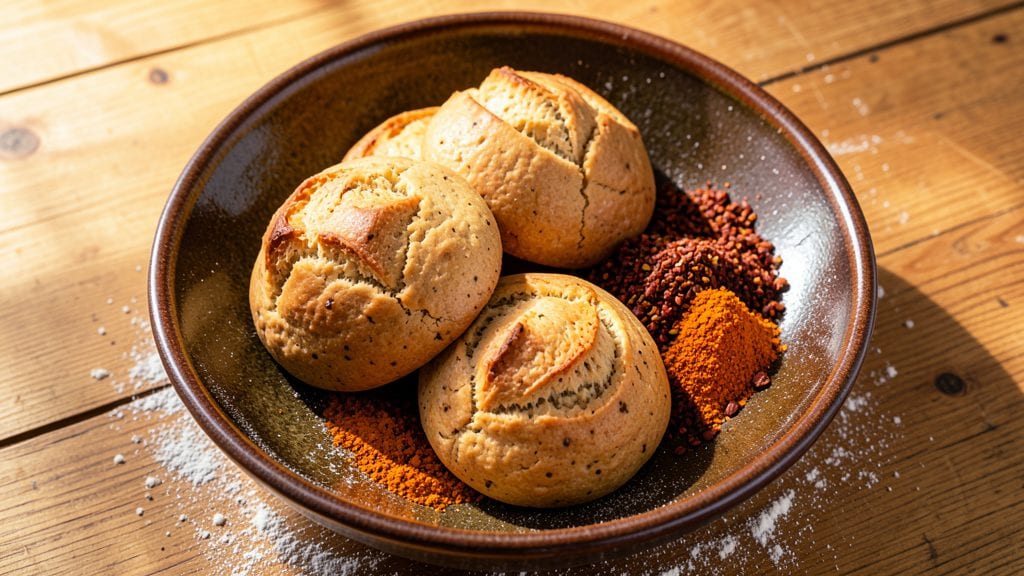
Mastering this ambasha bread recipe transforms your kitchen into a taste of Ethiopia, where every bite delivers crispy edges and a tender center infused with warm spices.
The secret lies in a precise blend of flour, yeast, and traditional Ethiopian spices—berbere and mitmita—that create an aromatic experience as rich as the culture it represents.
I’ve perfected this recipe over years of testing, ensuring the dough develops just enough elasticity for easy shaping while maintaining that signature crispness when baked.
What sets ambasha apart is its versatility—it’s the perfect vessel for Ethiopian stews like tibs or doro wat, soaking up flavors while adding a satisfying crunch.
The dough requires patience: a slow fermentation at room temperature develops depth, while a hot cast-iron skillet or griddle guarantees those coveted crispy edges. This isn’t just bread; it’s the foundation of a meal, elevating every dish it accompanies.
By the time you pull the last piece from the skillet, you’ll have golden, spiced flatbreads with a texture that’s crisp yet tender—a balance that’s impossible to resist.
The aroma of mitmita and berbere wafting through your kitchen will have everyone gathering around, eager to taste the result of your effort. Whether serving a traditional Ethiopian feast or a modern fusion spread, ambasha delivers restaurant-quality authenticity at home.
For those new to Ethiopian cuisine, this recipe is your gateway—simple enough for weeknight dinners but impressive enough for gatherings. Pair it with spiced stews, pickled vegetables, or even as a wrap for shawarma-style meats. Let’s get started on creating bread that tells a story with every bite.
Ingredients for ambasha bread
Four cups of flour, two warm spices, and patience transform into Ethiopian ambasha bread.
| Ingredient | Amount | Notes |
|---|---|---|
| All-Purpose Flour 🌾 | 3 cups | Sifted for best texture |
| Active Dry Yeast 🍞 | ¼ tsp | Fresh or packet equivalent |
| Granulated Sugar 🍚 | ½ tsp | Feeds yeast for fermentation |
| Salt 🧂 | ½ tsp | Diamond Crystal preferred |
| Berbere Spice Blend 🌶️ | 1 ½ tbsp | Traditional Ethiopian blend |
| Mitmita Spice Blend 🌿 | 1 tbsp | Or substitute with coriander |
| Warm Water 💧 | 1 ¼ cups | 110°F for optimal yeast |
| Vegetable Oil 🫒 | 1 tbsp | For dough elasticity |
| Extra-Virgin Olive Oil 🫒 | 2 tbsp | For brushing and frying |
| Cast-Iron Skillet 🍳 | 1 whole | Or heavy griddle |
The spices are non-negotiable here. Berbere—the fiery, aromatic Ethiopian blend—is the soul of ambasha. Grab it from African markets or specialty stores like Kaladi or African & Caribbean Foods; their versions are authentic and potent. Mitmita, often harder to find, can be substituted with coriander plus a pinch of cardamom if needed. The yeast? Fresh is best—if your packet says 'active dry,' make sure it's not expired. For the flour, King Arthur or Gold Medal brands yield the best texture. And don’t skimp on the cast-iron skillet—its heat retention is what gives ambasha those coveted crispy edges.
No berbere? Mix 1 tbsp smoked paprika, 1 tsp cayenne, 1 tsp coriander, 1 tsp fenugreek, and 1/2 tsp cardamom for a DIY version. Mitmita unavailable? Coriander seeds ground fine mimic its earthiness. For the yeast activation, warm water is key—too hot and it kills the yeast; too cold and it won’t activate. If your kitchen runs cold, microwave the water for 15 seconds, then let it sit for a minute. The vegetable oil can be swapped for melted butter (trust me on the full-fat version), but it’ll add richness that might overpower the spices for some. And if you’re short on time, instant yeast works at double the amount—just mix it directly into the dry ingredients.
This dough needs time—at least 2 hours at room temperature for full flavor development. Cover it with a damp towel to prevent drying, and resist the urge to rush. Once shaped, keep the extras wrapped in plastic in the fridge for up to 3 days, reheating in a dry skillet for 2 minutes per side. For longer storage, freeze shaped dough balls for up to 2 months—thaw at room temp before cooking. The skillet? Preheat it hot—you want those edges to sizzle immediately. And if anyone asks, no, you can’t microwave ambasha. Some things are worth the wait.
Why You'll Love This Recipe
- No Yeast Fuss: I swear by this—just mix, let it rise once, and bake. No kneading, no waiting hours. That berbere spice does all the flavor work while I’m doing the dishes.
- Spice Bomb Twist: One teaspoon of berbere transforms plain dough into something ridiculously good. Smoky, slightly sweet, with that slow-building heat—it’s the kind of flavor that makes you reach for seconds without thinking.
- Weeknight Crowd-Feeder: Between us, this bread is my secret weapon for dinner parties or lazy Sundays. Slice it thick, serve with stews or butter—it disappears fast, and I’m not even exaggerating.
- Budget Magic: Flour, yeast, sugar—basically pantry staples. The berbere might be the priciest part, but a little goes a long way. I’ve made this for years, and my wallet hasn’t complained once.
Step-by-step instructions for Ethiopian spiced flatbread
Here's how to create tender, aromatic dough with perfectly crispy edges every time.
Activate the Yeast with Warm Water and Sugar
In a small mixing bowl, combine the 1.25 cups warm water (tested at 110°F—it should feel warm to your wrist but not hot) with the 0.5 teaspoon granulated sugar. Sprinkle the 0.25 teaspoon active dry yeast over the surface and let it sit for 5-7 minutes until it becomes frothy and bubbly. This is your signal the yeast is alive and ready to work.
If no bubbles form after 10 minutes, your yeast may be inactive. In that case, start fresh with a new packet—this is the foundation for your bread's rise. Here's the thing—skipping this step or using cold water kills the yeast, leaving you with dense, flavorless flatbread instead of the light, airy texture you want.
Mix the Dough with Spices and Oil
In a large bowl, whisk together the 3 cups all-purpose flour, 0.5 teaspoon salt, 1.5 tablespoons berbere spice blend, and 1 tablespoon mitmita spice blend. The spices will release their aromatic oils as you mix, filling your kitchen with that signature Ethiopian warmth. Add the 1 tablespoon vegetable oil to the dry ingredients and mix until just combined—you should still see some flour streaks.
Create a well in the center and pour in the yeast mixture. Using a wooden spoon or your hands, gradually incorporate the wet ingredients into the dry until a shaggy dough forms. This is where the magic begins—the spices will infuse the dough with complex, earthy flavors that develop as they cook. Don't be tempted to overmix; you're aiming for a rustic texture, not a smooth bread dough.
Knead Until Elastic and Smooth
Turn the dough onto a lightly floured surface and knead for 8-10 minutes by hand, pressing down and folding the dough toward you. You're looking for a smooth, elastic texture that springs back when pressed—this indicates proper gluten development. The dough should feel slightly tacky but not sticky. If it's too dry, add 1 teaspoon warm water at a time until it reaches the right consistency.
I know kneading by hand seems old-fashioned, but it builds strength into the dough that you won't get with a mixer. The result? Flatbread that holds its shape during cooking and delivers that satisfying crisp at the edges. Wrap the dough in plastic wrap and let it rest at room temperature for 30 minutes—this final rest allows the gluten to relax and the flavors to meld.
Shape and Cook in the Cast-Iron Skillet
Divide the dough into 4 equal portions (about 6 ounces each) and roll each into a ⅛-inch thick circle on a floured surface. The thinner you roll them, the crispier the edges will become. Heat the cast-iron skillet over medium-high heat until it's properly preheated—you should see a faint sheen of oil when you drag your finger across the surface.
Brush each flatbread lightly with extra-virgin olive oil (about ½ teaspoon per piece) and cook for 2-3 minutes per side until golden brown spots appear and the edges begin to crisp. Real talk—this is where the crispy promise comes to life. Don't rush flipping; you'll know it's ready when the bottom develops a golden lattice pattern. Transfer to a wire rack and keep warm while you cook the remaining flatbreads.
Serve Immediately with Warm Dipping Oil
Keep the cooked flatbreads covered with a clean kitchen towel to maintain their warmth and crispness. Just before serving, drizzle each piece with a little more extra-virgin olive oil and sprinkle with a pinch of berbere spice blend for that final flavor boost. The contrast between the crisp edges and tender center makes every bite satisfying.
Here's what you're aiming for: flatbread with a crackly, golden-brown perimeter that gives way to a soft, pillowy interior infused with Ethiopian spices. Serve immediately with your favorite stews or enjoy plain with butter—either way, you've just made ambasha bread that rivals what you'd find in an Ethiopian restaurant.
Pro Tips For Making Ambasha Bread
- Bloom the Yeast First: DESCRIPTION: Skip the guesswork—mix yeast, sugar, and warm water (about 110°F) in a small bowl, then wait 5-10 minutes until it’s frothy. I learned this the hard way after baking a dense, flavorless loaf because the yeast was still sluggish in the dough.
- Toast the Berbere: DESCRIPTION: Dry-toast the berbere spice blend in a skillet for 1-2 minutes before mixing it into the dough—it deepens the flavor and cuts through the flour’s raw taste. (Yes, even if you’re impatient like me, don’t skip this.)
- Knead Until Silky: DESCRIPTION: The dough should pull away cleanly from the bowl and feel smooth, not sticky or crumbly. I used to rush this, but under-kneading means a tough, chewy loaf—no one wants that with ambasha’s delicate spice balance.
- Shape Tightly, Rest Long: DESCRIPTION: Roll the dough into a tight, compact ball (like a stress ball) and let it rise at room temp for at least 1.5 hours—this guarantees a dense, spongy crumb. (Your future self will thank you for not cutting corners here.)
Flavor customization for this dish
Spice Level Control
Adjust the heat by modifying the berbere spice blend—reduce to 1 tbsp for a milder version or increase to 2 tbsp for authentic Ethiopian fire.
For those sensitive to spice, swap mitmita with 1 tbsp ground coriander and ½ tsp cardamom to keep the earthy notes without the heat. 🌶️
Herb Infusions
Brighten the dough with 1 tbsp fresh rosemary or thyme during kneading for a Mediterranean twist. These herbs complement the spices beautifully while adding floral complexity. For a fresh finish, sprinkle chopped cilantro or mint over the cooked flatbreads—just 1 tbsp per piece—to balance the richness.
Sweet Variations
Transform ambasha into a dessert bread by adding 2 tbsp honey or maple syrup to the dough. For extra decadence, fold in ¼ cup raisins or chopped dates during mixing.
Brush the cooked flatbreads with melted butter and a pinch of cinnamon for a sweet breakfast option that still delivers that signature crisp.
Cheesy Twist
Incorporate ½ cup shredded mozzarella or feta into the dough for a savory upgrade. The cheese melts slightly during cooking, creating pockets of gooey goodness that contrast perfectly with the crisp edges.
For a stronger flavor, use Ethiopian shiro powder (a chickpea flour blend) instead of plain flour—it adds nutty depth that pairs wonderfully with the cheese.
Garlic and Lemon
Boost the flavor profile by adding 1 minced garlic clove and 1 tbsp lemon zest to the dough. The garlic infuses the bread with aromatic warmth, while the lemon zest adds a bright citrus note that cuts through the richness.
Brush the cooked flatbreads with garlic-infused olive oil for an extra layer of flavor—just 1 tsp per piece—before serving.
Smoky Adaptation
For a smoky depth, replace ½ tbsp of berbere with ½ tbsp smoked paprika and add ¼ tsp liquid smoke to the dough. This version pairs exceptionally well with grilled meats or hearty stews, adding a campfire-like quality that’s perfect for cooler evenings.
Toast the flatbreads in a smoker set to 250°F for 1-2 minutes after skillet cooking to enhance the smokiness further.
Nutrition facts
Frequently asked questions
What makes ambasha bread different from injera?
Ambasha is a yeast-leavened flatbread with crispy edges, while injera is a sourdough fermented flatbread with a spongy texture. Ambasha uses traditional Ethiopian spices like berbere and mitmita, while injera relies on teff flour for its tangy flavor and unique consistency. Both are staples in Ethiopian cuisine but serve different purposes—ambasha pairs well with stews, while injera serves as both food and utensil.
Can I make ambasha bread without berbere?
Yes! For a substitute, mix 1 tbsp smoked paprika, 1 tsp cayenne, 1 tsp coriander, 1 tsp fenugreek, and ½ tsp cardamom. This DIY blend mimics berbere's warmth and depth. If you can't find mitmita, use 1 tbsp ground coriander—it maintains the earthy notes without the heat. The spices are key to ambasha's authentic flavor, so don't skip them entirely!
How do I store leftover ambasha?
Keep cooked flatbreads wrapped in a clean kitchen towel at room temperature for 2-3 hours to maintain crispness. For longer storage, refrigerate in an airtight container for up to 3 days, reheating in a dry skillet for 1-2 minutes per side. Freeze shaped dough balls for up to 2 months—thaw at room temperature before cooking. The trick is reheating quickly to restore that signature crisp!
Why did my ambasha turn out dense instead of crispy?
Dense ambasha usually means the yeast didn't activate properly or the dough wasn't rested long enough. Always use warm water (110°F) for yeast activation and let the dough rest for at least 2 hours at room temperature. Another common issue is rolling the dough too thick—aim for ⅛-inch thickness for crispy edges. A hot skillet is also crucial for that perfect texture!
What’s the best way to serve ambasha?
Ambasha shines as a vessel for Ethiopian stews like tibs or doro wat, but it’s also delicious plain with melted butter or olive oil. For extra flavor, drizzle with warm oil and sprinkle with berbere or sea salt. It’s also great for wrapping grilled meats or pickled vegetables—just like a flavorful tortilla with Ethiopian flair!