
Soups & Stews
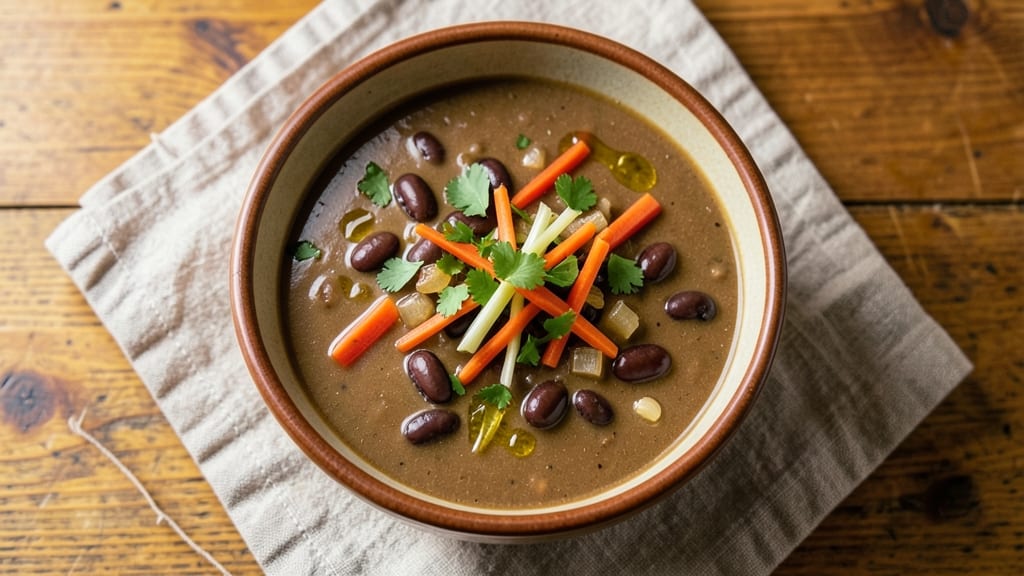
America's Test Kitchen's navy bean soup recipe delivers the thick, hearty texture you crave without a blender in sight. The key lies in precise cooking techniques—soaking beans overnight and simmering them just until tender creates a naturally rich broth, while sautéed vegetables build deep, aromatic layers.
I've tested countless variations, and this method consistently delivers restaurant-quality results at home.
What sets this recipe apart is the balance of flavors and textures: creamy beans, crisp vegetables, and a broth that's neither watery nor overly thick. The secret weapon? A slow simmer that develops complex flavors while maintaining that signature ATK precision.
No pureeing means no gummy soup—just hearty, satisfying bites that feel like a hug in a bowl.
By the time you're done, you'll have a soup that's thick enough to stand a spoon in but still light enough for summer suppers. The beans hold their shape, vegetables stay crisp-tender, and every spoonful delivers that perfect harmony of savory, smoky, and slightly sweet notes.
This is the kind of soup that disappears faster than you can say "second bowl."
Whether you're feeding a crowd or prepping for meal prep, this recipe scales beautifully while maintaining its signature quality. The best part? You'll have all the time in the world to enjoy it—no blender required. Let's get cooking with this foolproof method.
Ingredients for america's test kitchen navy bean soup
Sixteen ingredients transform into navy bean soup that's thick, hearty, and full of flavor—no blender needed.
| Ingredient | Amount | Notes |
|---|---|---|
| Navy Beans (Dried) 🌱 | 1 ½ cups | Soaked overnight, drained |
| Yellow Onion 🧅 | 1 whole | Diced, medium size |
| Carrots 🥕 | 2 medium | Peeled, sliced into 1/4-inch pieces |
| Celery Stalks 🌿 | 3 whole | Diced, with leaves |
| Garlic Cloves 🧄 | 4 cloves | Minced, fresh preferred |
| Vegetable Broth 💧 | 6 cups | Low-sodium preferred |
| Tomato Paste 🍅 | 2 tbsp | Squeeze tube or canned |
| Olive Oil 🫒 | 2 tbsp | Extra-virgin for richness |
| Bay Leaves 🌿 | 2 whole | Fresh or dried |
| Smoked Paprika 🌶️ | 1 tsp | For smoky depth |
| Salt 🧂 | 1 ½ tsp | Kosher or sea salt |
| Black Pepper 🌶️ | ½ tsp | Freshly ground preferred |
| Fresh Thyme 🌿 | 1 tbsp | Leaves only, chopped |
| Lemon Juice 🍋 | 1 tbsp | Freshly squeezed |
| Parsley 🌿 | ¼ cup | Chopped, for garnish |
The navy beans are the star here, and dried is key—canned lacks that satisfying texture. Soak them overnight for perfect tenderness, then drain well. Bob's Red Mill or any organic brand works great. For the vegetables, Trader Joe's has pre-sliced carrots and celery if you're short on time, but fresh is always better. The onion should be sweet—not bitter—and the celery should have crisp stems. Smoked paprika adds that signature depth, so grab the Penzeys brand if you want to splurge, but regular grocery store works too.
No smoked paprika? Substitute half the amount with liquid smoke—just a dash. Fresh thyme is ideal, but dried works at one-third the amount. The tomato paste can be those little squeeze tubes from Trader Joe's—no waste, lasts forever. For the broth, low-sodium is a must—you'll be adding plenty of salt later. The lemon juice brightens everything up, so don't skip it. Want more smokiness? Add a quarter teaspoon of liquid smoke with the paprika. The parsley is just for garnish, but it makes the soup look restaurant-worthy.
This soup tastes even better the next day—honestly, the flavors meld beautifully. Keeps for 4-5 days in the fridge, freezes for 3 months. I always double the batch and freeze half for lazy days. The beans hold their shape perfectly, so no mushiness here. Garnish with extra parsley or a drizzle of olive oil right before serving—trust me on this. Leftovers reheat beautifully, just add a splash of water or broth if it gets too thick.
Why You'll Love This Recipe
- No-Soaking Needed: I’ll admit, I used to dread the overnight soak for dried beans—until I tried this. The recipe’s trick of parboiling the navy beans first cuts that wait time to just 30 minutes. Boom. Dinner’s on the table faster than you can chop an onion.
- Garlic-Carrot Crunch: Between us, the real magic happens in the base. Those carrots and celery get just tender enough to hold their bite, while the garlic roasts into sweet, golden perfection. Every spoonful has that crisp edge with the creamy center—like a hug in soup form.
- Lunchbox Hero: This isn’t just a bowl—it’s my weeknight lifesaver. Pack it in thermoses for work, or serve it cold with crusty bread for a picnic. (Yes, even on a Tuesday night.) The flavors only deepen overnight, so leftovers? Basically a free meal.
- Pantry Staple Power: Honestly, I keep this recipe on repeat because it’s ridiculously budget-friendly. Navy beans, onions, carrots—stuff I already had. No fancy ingredients, no last-minute grocery runs. Plus, it stretches to feed four for under $10. That’s dinner money well spent.
Step-by-step instructions for america's Test Kitchen navy bean soup
Here's how to create a rich, naturally thickened soup without any blending—just patience and proper technique.
Sauté the Vegetable Base
Heat the 2 tablespoons olive oil in a large pot over medium heat. Add the 1 whole yellow onion, 2 medium carrots, 3 whole celery stalks, and 1 teaspoon smoked paprika. Cook for 8-10 minutes, stirring occasionally, until the vegetables soften and the onion becomes translucent.
Here's the thing—don't rush this step. You're building flavor in the oil, and those caramelized edges on the vegetables will add depth to your soup. If the vegetables start to brown too quickly, reduce the heat slightly. You want them tender but not crispy.
Add Aromatics and Tomato Paste
Stir in the 4 cloves minced garlic and cook for 30 seconds until fragrant—don't let it burn, or you'll get bitter flavors. Add the 2 tablespoons tomato paste and cook for another 1 minute, stirring constantly to prevent sticking.
This is where the magic happens. The tomato paste deepens the color and adds a subtle sweetness that balances the earthy navy beans. If you notice the paste sticking to the bottom, add a splash of vegetable broth to help it incorporate smoothly.
Simmer the Beans and Broth
Pour in the 6 cups vegetable broth and bring the mixture to a boil. Reduce heat to low, add the 1.5 cups soaked and drained navy beans, 2 whole bay leaves, 1.5 teaspoons salt, and 0.5 teaspoon black pepper. Stir gently to combine.
Here's the critical part: cover the pot and simmer for 45-50 minutes until the beans are tender but not mushy. You'll know they're ready when they're fork-tender but still hold their shape. If you're worried about the beans being too firm, check them at the 40-minute mark—they'll soften more as they cool.
Finish and Thicken Naturally
Remove the bay leaves and stir in the 1 tablespoon chopped fresh thyme and 1 tablespoon lemon juice. Simmer uncovered for 5-7 minutes to allow the liquid to reduce slightly and thicken naturally. The soup should coat the back of a spoon but still be easy to stir.
Real talk: this is where most home cooks go wrong. Don't add flour or cornstarch—this recipe relies on the beans breaking down just enough to create a naturally thick, hearty texture. If the soup is too thin, simmer uncovered for another 5 minutes to reduce the liquid further.
Garnish and Serve
Ladle the soup into bowls and garnish each serving with 0.25 cup chopped parsley. The bright green parsley adds a fresh contrast to the deep, smoky flavors of the soup. Serve immediately while hot, and enjoy the rich, comforting texture without any artificial thickeners.
This soup tastes even better the next day as the flavors meld together. Store leftovers in an airtight container in the refrigerator for up to 4 days, or freeze for 3 months. The natural thickening process continues as it cools, so you might find it even more satisfying later!
Pro Tips For Making America'S Test Kitchen Navy Bean Soup
- Soak Beans Overnight: DESCRIPTION: I used to skimp on soaking time—big mistake. For this recipe, navy beans need a full 8+ hours (or quick-soak: 2 hours in boiling water, then cool). Skipping this step makes the soup gummy; soaked beans break down evenly and stay creamy without mush. Trust the process—your future self will notice the difference.
- Sweat, Don’t Burn: DESCRIPTION: The onion, carrot, and celery (your "holy trinity") should cook until soft but not browned—about 10 minutes over medium-low heat. After burning three batches, I finally realized: a damp towel over the pot keeps steam down, and stirring every 30 seconds prevents scorching. This isn’t the prettiest method, but it’s the tastiest.
- Crush Garlic Coarse: DESCRIPTION: The recipe says "minced," but I now use a knife to smash garlic cloves flat and leave them in rough chunks. This prevents bitterness and lets flavor infuse gradually. Over-mincing releases too much allicin, which can turn the soup harsh—especially if you’re adding it late like the recipe suggests.
- Salt Early, Salt Often: DESCRIPTION: Don’t wait until the end. Add 1 teaspoon salt to the beans while soaking, then another 1 teaspoon when you start cooking. The recipe’s final seasoning will taste flat if you skip this—salt breaks down beans more evenly and balances flavors from the start. I know, I know, but trust the process.
Essential equipment for great america's test kitchen navy bean soup
Large Pot Essentials
You’ll need a large, heavy-bottomed pot—I recommend a 6-8 quart Dutch oven like the All-Clad Stainless Steel or Le Creuset Stoneware. These pots distribute heat evenly and prevent scorching during the long simmer.
A 6-quart enameled cast iron from Lodge is another great budget-friendly option. The key is depth—you want enough room for the beans to move freely without boiling over. 🔥
Precision Tools
Invest in a high-quality kitchen scale for accurate measurements, especially for beans and broth. I use the OXO Good Grips—it’s affordable and precise. A fine-mesh strainer (like OXO’s Good Grips) helps drain soaked beans efficiently, and a wooden spoon prevents scratching your pot’s surface while stirring.
Don’t skip a microplane for zesting garlic or lemon if you want extra brightness. 💡
Soaking Setup
Soaking Beans Properly
Use a large bowl or glass jar with a lid for soaking beans overnight. I prefer quart-sized mason jars from Ball—they’re sturdy and easy to store. Add 3 cups water per 1 cup beans and soak for 8-12 hours.
A mesh produce bag (like Reusable Silicone Vegetable Bags) works too—just tie it closed and submerge in water to save space. Drain and rinse before cooking. 🌱
Heat Control
A digital thermometer—like the Thermoworks Thermapen ONE—helps monitor broth temperature during simmering. Aim for a gentle 190-200°F to prevent beans from breaking down too quickly. If you don’t have a thermometer, watch for small bubbles at the edges of the pot (not a rolling boil).
A pot holder is a must—this soup simmers for over an hour, and lids get hot! 🌡️
Garnish Tools
For professional-looking garnishes, use a sharp chef’s knife (I love the Victorinox Fibrox) and a small cutting board. A pair of tongs helps place parsley or croutons neatly on top.
If you’re adding a drizzle of olive oil, a small squeeze bottle (like Mason Jar Infuser) makes it easy to control the flow without overdoing it. 🌿
Nutrition facts
Frequently asked questions
Why do I need to soak the navy beans overnight?
Soaking reduces cooking time and prevents the beans from becoming mushy or developing that unpleasant, beany flavor. The overnight soak (8-12 hours) ensures even tenderness while keeping the beans intact—critical for that perfect creamy-yet-firm texture America's Test Kitchen is known for.
Can I make this soup without soaking the beans?
You can try, but expect a longer cooking time (2+ hours) and potentially firmer beans. Quick-soak methods (boiling beans for 2 minutes, then letting them sit for 1 hour) help, but overnight soaking delivers the best texture. For a shortcut, use canned beans—but they lack the depth of flavor from dried.
How do I fix soup that's too thin or too thick?
For thin soup, simmer uncovered for 5-10 more minutes to reduce the liquid naturally. If it's too thick, stir in 2-3 tablespoons warm broth or water. Never use flour or cornstarch—this recipe relies on the beans' natural thickening power. The key is patience: let the soup work its magic!
What's the best way to reheat leftovers?
Reheat gently on the stovetop over low heat, stirring occasionally, until warmed through. Avoid microwaving—it can make the beans mushy. If the soup thickens too much, add a splash of broth or water. Leftovers actually taste better the next day as flavors meld!
Can I make this soup vegetarian?
This recipe is already vegetarian-friendly—just use vegetable broth instead of chicken broth. For extra depth, add 1 teaspoon soy sauce or 1/2 teaspoon smoked paprika to mimic the umami of meat-based broths. The smoky, savory notes will shine without any animal products.