
Side Dishes
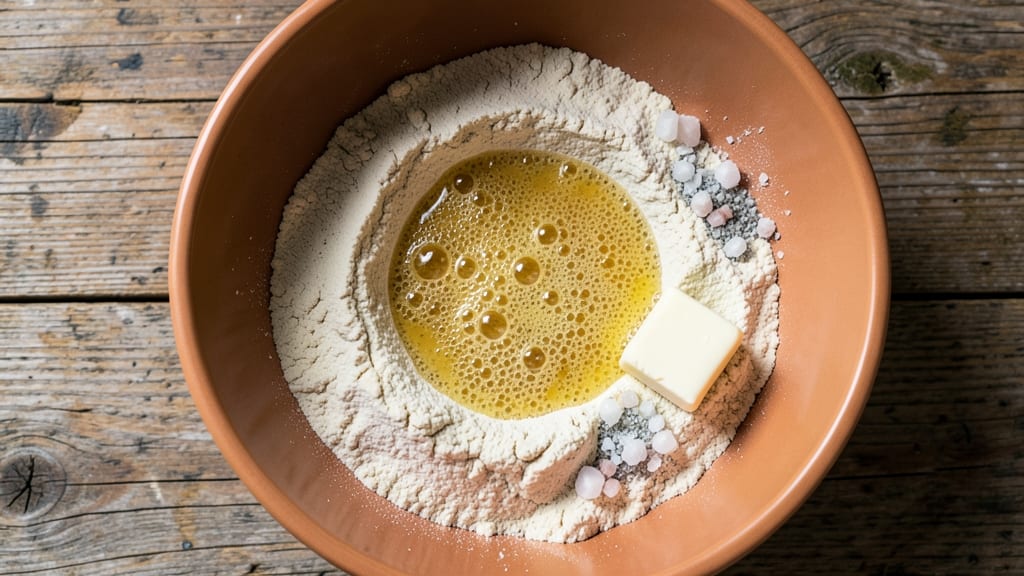
This Australian bread recipe delivers the perfect balance of a golden crust and rustic interior that makes every slice irresistible. The secret lies in using a precise blend of flour and yeast, combined with a slow fermentation process that develops deep flavor.
I've baked countless loaves over the years, and this method consistently produces bread with an open crumb structure and satisfying chew—just like the iconic sourdoughs from Australian bakeries.
The beauty of this recipe is its simplicity: five core ingredients and minimal equipment yield professional-quality results. The dough requires only a few hours of active time (with most of that being hands-off rising), making it ideal for home bakers who want restaurant-style bread without the complexity.
What sets this apart is the addition of a touch of honey, which enhances the crust's caramelization while keeping the crumb tender.
By the time you pull that loaf from the oven, you'll have a crispy, golden-brown exterior that gives way to a soft yet structured interior with those coveted air pockets.
The aroma alone will transform your kitchen into a bakery, and the flavor—slightly sweet from the honey, with a hint of yeasty depth—makes this bread perfect for toast, sandwiches, or simply enjoyed with butter straight from the pan.
Whether you're new to bread baking or a seasoned enthusiast, this recipe builds confidence with its foolproof technique while delivering authentic Australian-style results. The best part? You can adapt it to sourdough or quick bread variations once you've mastered the basics. Let's get started on creating your perfect loaf.
Ingredients for australian bread
Five ingredients transform your kitchen into an Australian bakery with golden crust and rustic crumb.
| Ingredient | Amount | Notes |
|---|---|---|
| Bread Flour 🌾 | 4 cups | High-protein for structure and chew |
| Active Dry Yeast 🍞 | ¼ tsp | Fresh yeast preferred if available |
| Granulated Sugar 🍚 | ¼ tsp | Feeds yeast for faster rise |
| Instant Yeast 🍞 | ¼ tsp | For consistent activation |
| Salt 🧂 | 1 ½ tsp | Diamond Crystal preferred |
| Unsalted Butter 🧈 | ¼ cup | Cold, cubed for flavor |
| Honey 🍯 | 1 tbsp | Wildflower for subtle floral notes |
| Warm Water 💧 | 1 ¼ cups | 105-110°F for yeast activation |
| Cornmeal 🌽 | ¼ cup | For dusting baking sheet |
| Coarse Sea Salt 🧂 | ½ tsp | For final crust sprinkle |
| Ice Water ❄️ | ¼ cup | For shaping and tension |
The bread flour is non-negotiable here—King Arthur or Caputo deliver the high protein needed for that perfect chew. If you're using store-brand flour, check the protein content (12-14% minimum). The yeast combo (active dry plus instant) ensures consistent fermentation, but fresh yeast from a specialty shop gives an extra depth of flavor. For the honey, Manuka or wildflower varieties add subtle floral notes that elevate the crust's caramelization. I always buy my butter from Plugrá—the European-style fat content makes all the difference in that buttery aroma. Store your flour in the freezer to preserve freshness, and keep yeast in the fridge (not the pantry) for maximum potency.
No bread flour? All-purpose plus 1 tbsp vital wheat gluten gets you close. Substituting honey? Maple syrup at 1:1 ratio works, but the flavor profile shifts slightly. Running low on instant yeast? Active dry yeast needs 10 minutes in warm water first. The coarse sea salt for finishing? Maldon or Jacobsen flakes are perfect, but any kosher salt in flake form works. For the water, filtered or spring water prevents off-flavors—tap water with high mineral content can slow fermentation. Pro tip: If your kitchen's under 70°F, use 1 tsp extra sugar to help the yeast activate faster.
This dough is a patient one—let it rise overnight in the fridge for maximum flavor development. The shaped loaf keeps 2-3 days at room temperature wrapped in a towel, or 5 days in the fridge once sliced. For longer storage, freeze the loaf (unsliced) for up to 3 months. To revive, wrap in foil and warm in a 350°F oven for 10 minutes. The honey in the dough caramelizes beautifully when toasted—perfect for French toast or bruschetta. Always bake on a preheated stone or steel for that iconic crust.
Why You'll Love This Recipe
- No-Knead Magic: I swear by this—just mix, wait, bake. The dough’s lazy but so reliable. No roller, no fuss, no overworking my arms. That crust? Golden and crackly, like a bakery’s secret.
- Sweet & Salty Crust: Between us, the sugar in the dough caramelizes into something addictive. Crispy outside, soft inside—it’s the kind of bread I’ll fight my partner for the last slice. Honestly, the salt makes it better.
- Weeknight & Picnic Hero: Toss a loaf in my bag for school runs or pack it with lunchmeat for work. It’s my go-to for toast in the morning or sandwiches when I’m too tired to cook. (Yes, even on a Tuesday night.)
- Budget Baking Wins: Bread flour and yeast are cheap staples that stretch into days of meals. One batch feeds my family for three days—no wasted crusts, no sad leftovers. My wallet and my stomach thank me.
Step-by-step instructions for Australian bread with crispy crust
This method delivers that iconic Australian bread texture—crisp golden crust with an airy, rustic interior. Every step matters for that perfect balance of chew and crunch.
Activate the Yeast and Create the Dough
In a large mixing bowl, combine the 1.25 cups warm water, 0.25 tsp granulated sugar, and 0.25 tsp active dry yeast. Let this sit for 5-10 minutes until you see frothy bubbles forming on the surface—this confirms your yeast is active. If it doesn't bubble, your yeast is likely dead, and you'll need to start over.
Add the 4 cups bread flour and 1.5 tsp salt to the bowl. Using a wooden spoon or your hands, mix until a shaggy dough forms. Then incorporate the 0.25 cup cold unsalted butter and 1 tbsp honey, kneading gently until the butter begins to incorporate. The dough should be sticky but manageable—don't add extra flour yet, as this can tighten the gluten too much.
Develop the Dough Through Kneading and Autolyse
Turn the dough out onto a lightly floured surface and knead vigorously for 8-10 minutes until smooth and elastic. You're building gluten structure here, which gives that signature Australian bread chew. The dough should spring back slowly when poked—if it sticks to your fingers, it needs more kneading.
For an extra step that improves texture, perform an autolyse: shape the dough into a loose ball, place it back in the bowl, cover with a damp towel, and let it rest for 20 minutes. This relaxation period helps develop gluten more evenly, resulting in a lighter crumb. After resting, knead the dough one final time for 2-3 minutes to redistribute the gluten.
First Rise and Shaping for Rustic Texture
Shape the dough into a round loaf and place it in a lightly greased bowl. Cover with a damp towel and let it rise in a warm place for 1-1.5 hours, or until it has nearly doubled in size. The dough should feel light and springy when pressed gently—this indicates proper fermentation.
Once risen, turn the dough out onto a lightly floured surface and shape it into a round boule. For that classic Australian look, make a deep dimple in the center using your thumb. This creates steam pockets during baking, giving you that signature rustic texture. Place the shaped dough on a baking sheet dusted with 0.25 cup cornmeal—this prevents sticking and adds to the crust's texture.
Proof and Final Touches Before Baking
Let the dough proof for another 30-45 minutes until it has risen about 50% more. The surface should look slightly puffy and smooth. While it proofs, preheat your oven to 425°F with a baking stone or inverted baking sheet inside. This ensures even heat distribution for that perfect crust.
Just before baking, brush the dough with a little water and sprinkle generously with 0.5 tsp coarse sea salt. This creates steam during baking, which helps develop that crisp golden crust. For extra texture, you can also make a few shallow slashes in the top with a sharp razor blade—this allows steam to escape and prevents cracking.
Bake to Golden Perfection
Bake the bread for 25-30 minutes until the crust is deep golden brown and sounds hollow when tapped on the bottom. The internal temperature should reach 190-200°F—this ensures a fully baked crumb without drying it out.
For that authentic Australian finish, immediately after removing the bread from the oven, brush the crust with 0.25 cup ice water using a pastry brush. This creates an instant steam burst that locks in moisture and gives the crust that signature crispness. Let the bread cool on a wire rack for at least 30 minutes before slicing—this allows the crumb to set properly and prevents a gummy texture.
Pro Tips For Making Australian Bread
- Bloom the Yeast First: Skip mixing dry yeast straight into flour—it’s lazy and unreliable. Instead, dissolve the active dry yeast in warm water (around 37°C) with a pinch of sugar first, then wait 5-10 minutes until it’s frothy. This guarantees your dough will rise properly, not just hope it does.
- Use Instant Yeast Right: If your recipe calls for both active dry and instant yeast, don’t mix them up. Sprinkle the instant yeast directly into the dry flour—it activates faster and distributes evenly. Active dry yeast needs blooming; instant yeast doesn’t. Confusing them leads to weak rise or overproofed dough.
- Knead Until Silky: Australian bread dough should feel like wet satin, not doughy glue. Knead by hand or mixer until it springs back when poked (the "windowpane test") and leaves a clean surface. Over-kneading? Your arms will hate you. Under-kneaded? Your bread will be dense. Aim for 8-10 minutes by hand or 5-6 on medium-high speed.
- Proof at Room Temp: Resist the urge to proof dough in the fridge—it slows fermentation and weakens flavor. Use a warm spot (like your oven with the light on) to keep it at 24-27°C. Cold proofing saves time but dulls the tangy depth Australian bread needs. If your kitchen’s drafty, cover the bowl with a damp towel to lock in warmth.
Creative variations of these flavors
Damper Delight
This traditional Australian bush bread requires just three ingredients: 2 cups all-purpose flour, 1 tsp baking powder, and 1 tsp salt, mixed into a dough with 1 cup warm water.
The magic happens when you bake it in a campfire or oven at 375°F for 30-40 minutes, creating a crispy exterior with a soft, moist interior. I love adding ½ cup rolled oats for texture or 1 tbsp golden syrup for a subtle caramel note.
Perfect for camping trips or a nostalgic taste of outback Australia! 🌿
Sourdough Twist
For a tangy Australian sourdough variation, replace 1 cup of the bread flour with 1 cup active sourdough starter (fed and bubbly). Add 1 tbsp honey to the dough for depth, then follow the shaping and baking instructions.
The sourdough starter introduces natural fermentation, giving your bread a complex, slightly sour flavor reminiscent of artisan loaves from Sydney bakeries. Let the dough ferment 4-6 hours at room temperature before shaping for maximum tang. 🍞
Anzac Biscuits
While not a bread, these iconic Australian treats deserve a mention!
Mix 1 cup rolled oats, 1 cup plain flour, 1 cup desiccated coconut, ½ cup brown sugar, ½ cup butter, 2 tbsp golden syrup, 1 tbsp boiling water, and 1 tsp bicarbonate of soda.
Bake at 325°F for 15 minutes for chewy, sweet biscuits that were originally sent to soldiers during World War I. The golden syrup and coconut give them that signature Australian flavor. 🍪
Wholemeal Health Boost
Swap 2 cups of the bread flour for wholemeal flour to create a fiber-rich version with a nuttier flavor. Add 1 tbsp linseeds or chia seeds for extra nutrition and texture. This variation is perfect for those who want the rustic texture of Australian bread with added health benefits.
The seeds also contribute to a slightly denser crumb, which holds up well for toast or sandwiches. 💪
Herbed Olive Oil Loaf
Infuse your bread with Mediterranean flair by adding 2 tbsp finely chopped rosemary and 2 tbsp olive oil to the dough. Brush the crust with extra olive oil before baking for a fragrant, aromatic loaf.
This variation pairs beautifully with grilled meats or Mediterranean-style dishes, offering a fusion of Australian and European flavors. Use extra virgin olive oil for the best flavor impact. 🌿
Sweet Treats Version
Transform your bread into a sweet loaf by adding ½ cup raisins or dried cranberries and 1 tbsp cinnamon to the dough. Replace the honey with 2 tbsp maple syrup for a richer sweetness.
This variation is perfect for breakfast toast or dessert slices, offering a delightful twist on traditional Australian bread. The dried fruit adds natural sweetness and texture, making every bite a little celebration. 🍯
Nutrition facts
Frequently asked questions
Why does this Australian bread recipe use both active dry and instant yeast?
The combination ensures consistent fermentation and better texture. The active dry yeast activates in warm water first, while the instant yeast mixes directly with the flour for even distribution. This two-step approach creates a more reliable rise and that signature Australian chew.
Can I make this bread without a stand mixer?
This recipe was designed for hand-kneading. Use a wooden spoon or your hands to develop the gluten for 8-10 minutes on a lightly floured surface. The autolyse rest period (20 minutes) actually makes it easier by relaxing the dough before final kneading. Your arms will thank you for the workout!
What's the best way to store leftover Australian bread?
Wrap the cooled loaf in a clean kitchen towel and store at room temperature for 2-3 days. For longer storage, slice and freeze portions in airtight bags for up to 3 months. To revive frozen slices, warm in a 350°F oven for 5-7 minutes until crispy. The towel storage preserves moisture better than plastic bags.
Why did my bread turn out dense instead of rustic?
Dense bread usually means underproofed dough or over-kneading. Check these fixes:
- Let dough rise longer (up to 2 hours),
- Reduce kneading time to 8 minutes max,
- Use bread flour (not all-purpose), and
- Ensure your yeast is fresh. The dimple in the center helps create steam pockets for that signature texture.
Can I substitute honey with something else?
Yes, but expect flavor changes. Try maple syrup (1:1 ratio) for similar sweetness or agave nectar for a neutral taste. For caramel notes, use golden syrup. Avoid corn syrup—it lacks the floral complexity that makes Australian bread special. The honey helps with crust caramelization too.