
Side Dishes
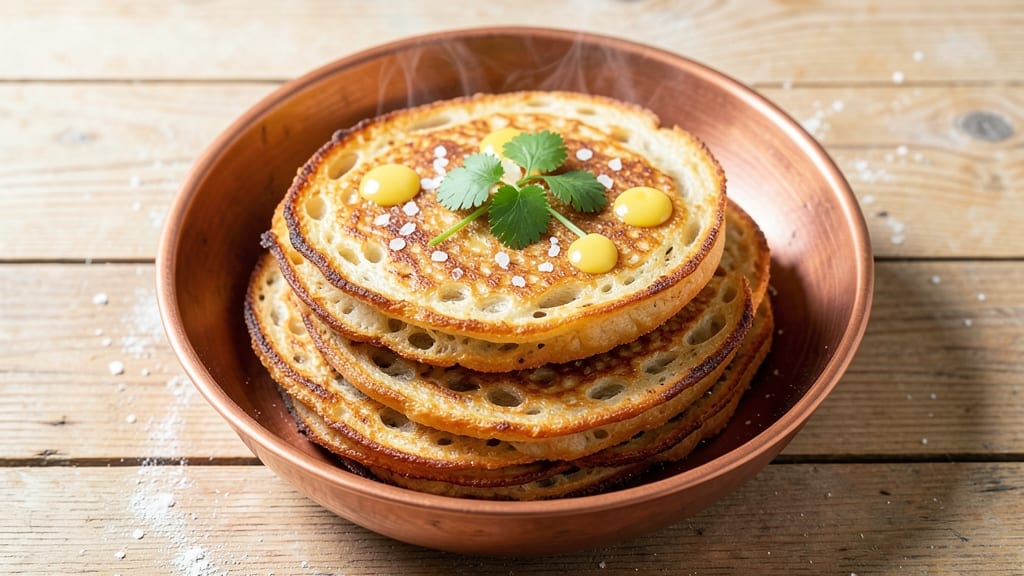
This traditional Indian fry bread recipe delivers the perfect balance of crispy edges and pillowy centers that make it a beloved staple across cultures.
The secret lies in a simple dough that transforms into golden, airy rounds when fried to perfection—just like the puri or bhatura you’d find in Indian street food stalls.
I’ve refined this recipe to work in modern kitchens while staying true to its roots, ensuring every bite carries that satisfying crunch and soft interior.
The dough comes together in just 15 minutes with basic pantry staples—flour, water, yeast, and a pinch of salt—proving that authenticity doesn’t require complexity. The key technique is frying the dough at 350°F (175°C) until golden brown, then immediately brushing with warm ghee for that signature richness.
This method ensures the bread stays crispy on the outside while remaining tender inside, a texture that pairs beautifully with curries, sweets, or even as a standalone snack.
What sets this recipe apart is its versatility—serve it with spicy chutneys, sweet mango pulp, or savory curries for a meal that feels both comforting and celebratory. The aroma of freshly fried bread fills the kitchen, creating an experience that’s as much about tradition as it is about taste.
Whether you’re recreating a Navajo staple or adding an Indian touch to your table, this recipe delivers restaurant-quality results at home.
Ready in under 30 minutes, it’s perfect for weeknight dinners or special occasions. The dough can even be prepped ahead and refrigerated, making it a foolproof choice for busy cooks. Let’s get started—your kitchen will smell like a bustling Indian bazaar in no time.
Ingredients for traditional indian fry bread
Nine simple ingredients transform into golden, crispy fry bread with Navajo roots.
| Ingredient | Amount | Notes |
|---|---|---|
| All-Purpose Flour 🌾 | 2 cups | White or whole wheat preferred |
| Active Dry Yeast 🍞 | ¼ tsp | Ensure yeast is fresh |
| Warm Water 💧 | 1 cup | 105-110°F for yeast activation |
| Unsalted Butter 🧈 | 2 tbsp | Cold, cubed for dough |
| Salt 🧂 | ½ tsp | Fine sea salt preferred |
| Ghee 🫒 | ¼ cup | Pure, clarified butter |
| Vegetable Oil 🫒 | 2 cups | For deep frying |
| Granulated Sugar 🍚 | 1 tsp | Optional, enhances browning |
| Cardamom Powder 🌿 | ¼ tsp | Ground, for aromatic touch |
The yeast is non-negotiable for that signature pillowy texture. Freshness matters—check the expiration date on the package, and if it's been sitting in your pantry for months, grab a new one. For the flour, King Arthur or Bob's Red Mill are reliable choices, though any all-purpose will work. The ghee adds that authentic richness—Gujarat brand from Indian markets is ideal, but any pure ghee will do. Keep the butter cold when mixing into the dough to prevent overdevelopment, which can make the bread dense instead of airy.
No ghee? Substitute with melted unsalted butter, though the flavor won’t be identical. Running short on cardamom? Cinnamon or nutmeg at half the amount will still add warmth. For the oil, vegetable or canola oil works best due to their high smoke points, but peanut oil is traditional in some regions. If you’re frying in batches, keep the oil at a consistent 350°F (175°C)—too hot, and the bread burns before it cooks through; too cool, and it absorbs too much oil.
The dough can be refrigerated for up to 24 hours, covered tightly to prevent drying. Once fried, the bread stays crispy for about 10 minutes—best served immediately. Store leftover bread in an airtight container at room temperature for 2 days, or freeze for 1 month by wrapping each piece in parchment paper. Reheat briefly in a dry skillet or oven to restore crispiness.
Why You'll Love This Recipe
- Pantry Staples Only: I swear by this recipe because it uses what I already have—no specialty trips to the store. That yeasty dough rising while I sip chai? Pure magic, especially when I’m too tired to hunt for ingredients.
- Buttery, Golden Crunch: The moment that hot butter hits the dough—sizzle—and it puffs into a crackling shell? That’s the moment I remember why I keep making this. The outside’s crisp, the inside’s soft, and it soaks up everything like a dream.
- Breakfast to Dessert: Between us, this bread is my lazy Sunday morning hero, but it’s also my go-to for stuffing with spiced lentils or even a sweet jam filling. Honestly, I’ve seen it dressed up for holidays and served to guests who swear it’s homemade.
- Zero-Waste, Zero-Guilt: A batch makes six, and they reheat beautifully in a dry pan for days. I’ll be real: I’ve had these for lunch the next day, toasted with a sprinkle of salt. Plus, the dough scraps? Perfect for crumbs or a quick flatbread reset.
Step-by-step instructions for traditional Indian fry bread
Here's how to achieve that perfect balance of crispy exterior and pillowy interior using authentic ingredients and techniques.
Activate the Yeast for Optimal Rise
In a small bowl, combine the 1 cup warm water with the 1 tsp granulated sugar and 0.25 tsp active dry yeast. Let it sit for 5-7 minutes until you see frothy bubbles forming on the surface. This indicates the yeast is active and ready to work. If no bubbles appear after 10 minutes, your yeast may be old—start over with fresh yeast.
The warm water temperature is critical—too hot and you'll kill the yeast; too cold and it won't activate. Test the water by dipping your pinky finger in—it should feel warm but not hot to the touch. Once activated, proceed immediately to prevent the yeast from losing its potency.
Mix the Dough with Ghee and Cardamom
In a large mixing bowl, combine the 2 cups all-purpose flour and 0.5 tsp salt. Make a well in the center and pour in the yeast mixture along with the 0.25 cup ghee and 0.25 tsp cardamom powder. Using a wooden spoon or dough whisk, gradually mix the ingredients from the center outward until a shaggy dough forms.
Add the 2 tbsp cold unsalted butter, cut into small cubes, and work it into the dough. The ghee and butter will create that signature rich flavor while contributing to the bread's tender texture. Knead the dough for 5-7 minutes by hand or 3-4 minutes with a stand mixer until smooth and elastic. The dough should be soft but not sticky—if it's too wet, add 1-2 tablespoons more flour.
Let the Dough Rest for Maximum Flavor
Shape the dough into a ball and place it in a lightly oiled bowl. Cover with a clean kitchen towel and let it rise in a warm place for 1-1.5 hours or until it has doubled in size. The warmth helps activate the yeast for proper rising, but don't let it get too hot—ideal temperature is around 75-80°F. You'll know it's ready when you poke the dough and it springs back slowly rather than immediately.
During this time, the yeast will work its magic, creating air pockets that will give your fry bread that signature light, airy texture. For best results, place the bowl near a slightly warmed oven (with light on) or over a bowl of warm water. Avoid direct heat sources that could cause uneven rising.
Shape and Fry to Golden Perfection
Preheat 2 cups vegetable oil in a deep skillet or Dutch oven to 350°F. Divide the risen dough into 4 equal portions and roll each into a ball. On a lightly floured surface, flatten each ball into a 6-inch round, about ¼-inch thick. Keep the remaining dough covered to prevent drying.
Carefully slide one flattened dough piece into the hot oil using a slotted spoon. Fry for 2-3 minutes per side until golden brown and crispy. The oil temperature is crucial—too hot and it will burn; too cool and it will absorb too much oil. You want a steady 350°F throughout frying. Transfer fried bread to a paper towel-lined plate to drain excess oil.
Serve Immediately for Maximum Enjoyment
Repeat with the remaining dough pieces, maintaining the 350°F oil temperature between batches. Serve the fry bread immediately while still warm and crispy. The contrast between the crispy exterior and soft interior is what makes this bread so special. For an authentic touch, brush the warm bread with a little melted ghee before serving.
This traditional fry bread pairs beautifully with honey, jam, or savory fillings like scrambled eggs and chili. The cardamom adds a subtle aromatic note that complements both sweet and savory toppings. Store any leftovers in an airtight container, but they're best enjoyed fresh from the fryer.
Pro Tips For Making Traditional Indian Fry Bread
- TEST YEAST FIRST: Skip the guesswork—mix 1 teaspoon yeast with ¼ cup warm water and 1 teaspoon sugar, then wait 5–10 minutes. If it doesn’t foam, your yeast is dead, and your bread will taste flat. Trust me, I’ve made that mistake twice with a $10 yeast packet.
- KNEAD LESS, REST MORE: Overworking the dough makes it tough. Mix the flour, yeast, water, and salt until just combined, then let it sit 10 minutes before shaping. The gluten relaxes, and your fry bread stays tender instead of chewy—like a proper naan should.
- BUTTER IT THICK: Don’t just brush butter on top—press a generous glob (about 1 tablespoon per bread) into the dough before shaping. The butter melts into the center while frying, giving you that rich, buttery flavor traditional fry bread craves. (Yes, it’s messy, but worth it.)
- FRY IN BATCHES: Crowding the pan steams the bread instead of browning it. Fry 1–2 pieces at a time over medium-high heat until golden brown on both sides—about 2–3 minutes per side. Your first batch will look perfect; the second batch won’t if you’re impatient.
Wine and beer pairings for this traditional indian fry bread
Sweet Pairings
For a dessert-like experience, pair your fry bread with homemade mango pulp or rosewater-infused honey. The natural sweetness of ripe mangoes complements the bread’s crispy texture, while the floral notes of rosewater honey add an aromatic depth.
I love drizzling warm honey over freshly fried bread and sprinkling with crushed pistachios for crunch. 🌸
Savory Complements
Transform your fry bread into a hearty meal by serving it with Navajo-style scrambled eggs and red chili sauce. The eggs add protein, while the sauce brings heat that cuts through the bread’s richness.
Another favorite combo is spiced lentil stew (dal)—the earthy flavors of cumin and coriander in the stew balance the bread’s buttery notes perfectly.
Spiced Chai Harmony
No fry bread experience is complete without a cup of masala chai. The warm spices—cardamom, cinnamon, and ginger—echo the subtle cardamom in the bread, creating a cohesive flavor profile.
I recommend a strong brew with condensed milk for that extra indulgence. The contrast of hot, spiced tea with crispy bread is pure comfort. ☕
Beer Pairing Surprise
While non-alcoholic pairings dominate, a light lager like Corona or Heineken can work surprisingly well. The crisp, clean finish of these beers cleanses the palate between bites of rich, buttery bread.
For a bolder option, try a wheat beer with citrus notes, like Blue Moon—its brightness balances the bread’s richness without overpowering it.
Culinary Traditions
In Navajo culture, fry bread is often served with blue cornmeal mush or sweet fry bread dessert topped with powdered sugar and cinnamon. For a modern twist, try whipped cream and fresh berries—the tartness of berries contrasts beautifully with the bread’s warmth.
This fusion keeps the tradition alive while adding fresh, vibrant flavors. 🍓
Nutrition facts
Frequently asked questions about traditional Indian fry bread
What's the difference between fry bread and puri?
While they share similar textures, puri is the Indian version of this crispy bread—thinner, puffier, and often made with less fat. Fry bread (Navajo-style) typically uses more ghee or butter, resulting in a richer, heartier bite. Both are fried, but puri is more delicate and often served with curries, while fry bread pairs well with both sweet and savory toppings.
Can I make this dough ahead of time?
Yes! The dough can be refrigerated for up to 24 hours in an airtight container. Let it sit at room temperature for 30 minutes before shaping and frying to ensure even cooking. For longer storage, freeze the dough balls (unshaped) for up to 1 month—thaw overnight in the fridge before frying.
Why did my fry bread turn out dense instead of crispy?
This usually happens from over-kneading or under-proofing. Knead just until smooth (5-7 minutes by hand), and let the dough rise until it doubles in size. Also, ensure your oil is at 350°F (175°C)—too cool oil absorbs too much, making the bread greasy rather than crispy. A kitchen thermometer helps maintain perfect temperature.
What’s the best way to reheat leftover fry bread?
For crispy results, place bread in a dry skillet over medium-low heat for 1-2 minutes per side. Alternatively, bake at 350°F (175°C) for 5 minutes on a wire rack to prevent sogginess. Avoid microwaving—it makes the bread rubbery. Store leftovers in an airtight container for up to 2 days at room temperature.
Can I make this recipe gluten-free?
While traditional fry bread relies on wheat flour, you can substitute with a 1:1 gluten-free flour blend (like Bob’s Red Mill or King Arthur). Add 1 tsp xanthan gum to mimic the dough’s elasticity. Note that texture may differ slightly—expect a denser result. Also, ensure your yeast is gluten-free certified.