
Main Courses
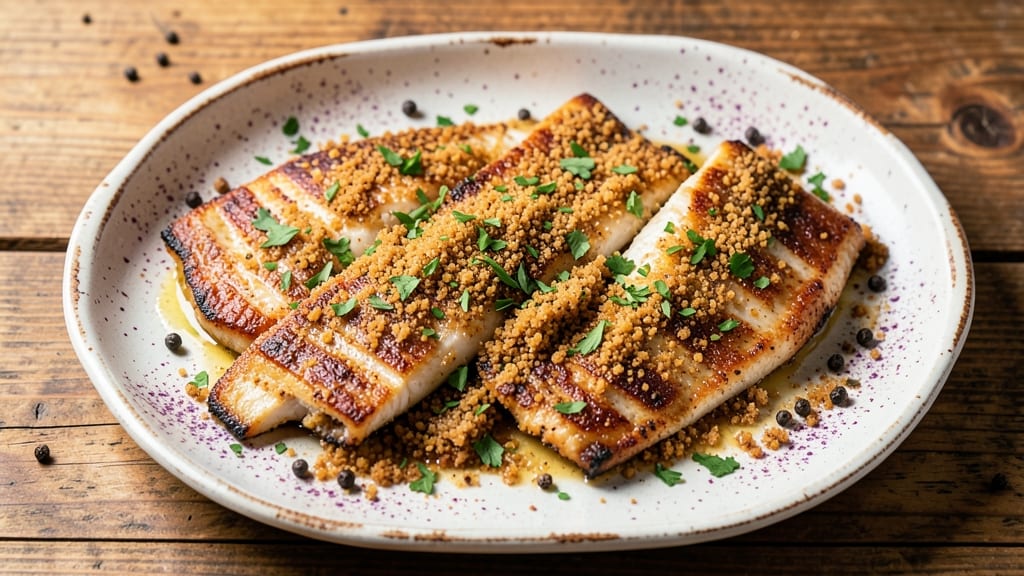
This baked blue catfish recipe delivers restaurant-quality results with a crispy cornmeal crust that locks in moisture while creating a satisfying crunch. The secret lies in the balance of lemon zest and herbs, which brightens the natural sweetness of the fish without overpowering its delicate flavor.
After years of perfecting this method, I can confidently say it transforms simple ingredients into a dish worthy of any seafood lover’s table.
The process is straightforward yet precise—mixing cornmeal with seasoned flour creates that signature crust, while a quick lemon-garlic marinade ensures every bite is infused with vibrant citrus notes. Baking at a precise 400°F guarantees a golden exterior and tender, flaky interior, making it a foolproof technique even for home cooks.
This method preserves the fish’s natural richness while elevating it to something truly special.
What you’ll end up with is a plate of perfectly baked catfish with a crispy crust that shatters at the first bite, revealing moist, flavorful flesh underneath.
The lemon zest adds a refreshing tang that cuts through the richness, while the cornmeal crust provides the satisfying texture that keeps everyone reaching for seconds. This recipe is designed to impress without requiring advanced skills—just attention to detail.
Serve with a side of roasted vegetables or a simple lemon-dill salad to complement the dish’s bright flavors. The leftovers reheat beautifully, making it an excellent option for meal prep or entertaining guests.
Whether you’re cooking for a pescatarian dinner or simply craving a lighter seafood option, this recipe delivers every time.
Ingredients for baked blue catfish
Four whole fillets and a handful of pantry staples transform into restaurant-worthy blue catfish.
| Ingredient | Amount | Notes |
|---|---|---|
| Blue Catfish Fillets 🐟 | 4 whole | Skin-on, 6-8 oz each |
| All-Purpose Flour 🌾 | ½ cup | For dredging, sifted |
| Fine Yellow Cornmeal 🌽 | ½ cup | Stone-ground preferred |
| Diamond Crystal Kosher Salt 🧂 | 1 tbsp | Fine grain preferred |
| Black Peppercorns 🌶️ | ½ tsp | Freshly cracked |
| Garlic Powder 🧄 | 1 tsp | Not garlic salt |
| Dried Parsley Flakes 🌿 | 1 tsp | Finely ground |
| Lemon Zest 🍋 | 1 tbsp | From 1 large lemon |
| Fresh Lemon Juice 🍋 | 2 tbsp | From 1 large lemon |
| Extra-Virgin Olive Oil 🫒 | 2 tbsp | Light, fruity variety |
| Garlic Cloves 🧄 | 2 cloves | Minced, fresh preferred |
| Unsalted Butter 🧈 | 2 tbsp | Melted, for basting |
| Fresh Dill Weeds 🌿 | ¼ cup | Chopped, stems removed |
| Fresh Thyme Leaves 🌿 | ¼ cup | Chopped, stems removed |
The catfish fillets are the foundation—look for skin-on, 6-8 oz pieces at your fishmonger or seafood counter. Whole Foods or Trader Joe's carry pre-cut fillets, but if buying whole, ask for the tail section for maximum tenderness. The cornmeal should be stone-ground for that authentic gritty texture; Bob's Red Mill is a reliable brand. Fresh herbs elevate the dish dramatically, so grab a small bunch of dill and thyme—the bright, citrusy notes complement the fish perfectly. For lemon zest, use an organic lemon if possible; the thicker peel yields more vibrant flavor.
No cornmeal? Semolina or fine breadcrumbs work in a pinch, though the texture will differ slightly. Substituting dried herbs? Use one-third the amount of fresh—dried parsley flakes are fine, but fresh dill and thyme can't be replicated. Short on time? Pre-minced garlic from the jar is acceptable, but fresh minced garlic adds depth. If you're avoiding gluten, swap the flour for gluten-free all-purpose flour—just ensure it's finely ground to avoid a gritty crust. The lemon zest can be zested ahead and stored in the freezer for up to 3 months, making prep easier on busy days.
Store fresh herbs wrapped in damp paper towels in a sealed container for up to 5 days—they'll stay vibrant longer. The cornmeal mixture can be prepped 1 day ahead and stored in an airtight container, though the lemon zest should be added fresh before baking. Leftovers reheat beautifully in a 375°F oven for 8-10 minutes, regaining that crispy exterior. For meal prep, portion into single servings and freeze for up to 2 months—thaw overnight in the fridge before reheating.
Why You'll Love This Recipe
- Crispy in Minutes: I swear by the cornmeal crust—just dredge those fillets, sprinkle salt and pepper, and pop them in the oven. No frying, no mess, just golden perfection in 15 minutes.
- Sweet & Salty Magic: That cornmeal crust? It’s the star. The flour gives structure, but the cornmeal adds this irresistible crunch while the kosher salt makes every bite pop. Honestly, it’s the kind of flavor that disappears too fast.
- Tailgate or Tuesday: Between us, this is my go-to for game days and lazy nights. Feed a crowd? Double the batch. Meal prep? The leftovers reheat like a dream. (Yes, even on a Tuesday.)
- Budget-Friendly Catch: Catfish is cheaper than most protein, and this recipe uses pantry staples. I’ve made 6 servings for under $12—crispy, filling, and no one complains about the price.
Step-by-step instructions for baked blue catfish with crispy cornmeal crust
Master this technique and you'll achieve a golden, shatteringly crisp crust that encases perfectly moist catfish.
Prepare the Crust Mixture for Maximum Crisp
In a medium bowl, whisk together the 0.5 cup all-purpose flour, 0.5 cup fine yellow cornmeal, 1 tablespoon diamond crystal kosher salt, 0.5 teaspoon freshly cracked black peppercorns, 1 teaspoon garlic powder, and 1 teaspoon dried parsley flakes. The cornmeal is essential here—its natural oils create that signature Southern-style crispiness while the flour helps bind the coating.
I like to use a wire whisk for this step to ensure there are no lumps in the dry ingredients. The mixture should look uniformly blended with no visible streaks of flour or cornmeal. This dry blend will create the foundation for our crispy crust, so don't skip the whisking—even distribution is key for even browning.
Create the Lemon-Herb Marinade for Bright Flavor
In a separate shallow dish, combine the 2 tablespoons fresh lemon juice, 1 tablespoon lemon zest, 2 cloves minced garlic cloves, 0.25 cup chopped fresh dill weeds, and 0.25 cup chopped fresh thyme leaves. This marinade serves a dual purpose: it tenderizes the catfish slightly while infusing it with bright citrus and herbal notes that cut through the richness of the crust.
Gently coat each of the 4 whole blue catfish fillets with this marinade, making sure to get into the flesh as well as the skin side. Let them sit for 15-20 minutes at room temperature while you prepare the oven. This brief marinating time is crucial—it prevents the fish from overcooking while still delivering maximum flavor penetration.
Dredge the Fillets for Perfect Crust Adherence
Remove the catfish from the marinade and let any excess drip off. Working with one fillet at a time, press each piece firmly into the dry crust mixture, coating both sides completely. The pressure is important here—it helps the crust adhere tightly to the skin, which is where we want that crispy texture to develop.
I use my fingers for this step, pressing firmly but gently to avoid tearing the delicate fillets. You'll notice the crust immediately starts to clump slightly—this is normal and actually helps create that shatteringly crisp texture we're after. Place the coated fillets on a wire rack set over a baking sheet to allow air circulation on all sides.
Bake to Crispy Perfection with Butter Basting
Preheat your oven to 425°F with the rack positioned in the middle position. Once preheated, carefully transfer the coated fillets to the oven. Bake for 12-15 minutes, or until the crust is deep golden brown and the fish flakes easily with a fork inserted into the thickest part.
About halfway through baking (after 6-7 minutes), remove the fillets and brush the tops generously with the 2 tablespoons melted unsalted butter. Return to the oven and continue baking. This basting step is what creates that restaurant-quality finish—it adds moisture to prevent drying while enhancing the crust's color and flavor. The butter should sizzle slightly when it hits the hot crust, which is your signal it's working.
Rest and Serve with Lemon-Zest Brightness
Transfer the baked catfish to a serving platter and immediately drizzle with any remaining marinade from the shallow dish. The residual acidity in the lemon juice helps cut through the richness of the crust, balancing the dish perfectly. Let the fillets rest for 3-5 minutes before serving—this allows the juices to redistribute throughout the fish, ensuring each bite is moist and flavorful.
Garnish with additional chopped fresh dill weeds and thyme leaves, and serve immediately with lemon wedges on the side. The contrast between the crispy cornmeal crust and the tender, lemon-kissed fish creates a textural and flavor experience that's hard to beat. Each piece should have a crackly exterior that gives way to perfectly cooked fish underneath, with that bright citrus aroma wafting through the air.
Pro Tips For Making Baked Blue Catfish
- Preheat Like a Pro: Fire up that oven to 425°F and let it scream for 15 full minutes before sliding in your fish. I used to cut corners here, and my crusts came out sad—like soggy cardboard instead of crispy gold. That extra time guarantees a proper sear, and trust me, your catfish will taste the difference.
- Pat Dry, Then Salt: Wrap those fillets in paper towels and press hard—no wet spots allowed. After drying, hit them with Diamond Crystal kosher salt (about ½ teaspoon per fillet) 30 minutes early. This isn’t just seasoning; it’s the only way to get that perfect crust without the cornmeal clumping like glue. (Yes, even if you’re impatient like me.)
- Skip the Overcrowding: Give your catfish at least an inch of space on the baking sheet—no stacking, no shuffling them in later. I learned this the hard way when my middle fillets turned into sad, limp pancakes. Hot air needs room to circulate, or you’ll end up with a steamed mess instead of crispy magic.
- Cornmeal Trick for Crunch: Mix your cornmeal with a pinch of black pepper before dredging—this isn’t just for flavor, it’s for texture. After coating, tap off the excess, then shake the pan gently to get every fillet sitting flat. This guarantees even crisping, not patchy spots. (Pro move: Use a fine-mesh sieve for the flour step too—less dust, more control.)
Flavor customization for this recipe
Spicy Cajun Kick
For those who love heat, add 1 tablespoon Cajun seasoning (like Tony Chachere's) to the dry crust mixture. The blend of paprika, cayenne, and garlic powder complements the catfish beautifully.
I also recommend adding ½ teaspoon smoked paprika for depth. Pair with cooling sides like creamy coleslaw or a chilled cucumber salad to balance the heat. 🌶️
Garlic-Butter Infusion
Boost the richness by marinating the fillets in 3 tablespoons melted garlic butter (mix 2 tbsp butter with 1 tbsp minced garlic) instead of just lemon juice. Let the fish soak for 20-25 minutes before dredging.
This adds a luxurious, savory depth that pairs perfectly with the cornmeal crust. Serve with a side of roasted asparagus for a restaurant-worthy meal. 🧈
Herb Garden Twist
Swap the dill and thyme for fresh tarragon and chives for a more sophisticated herbal profile. The tarragon adds an anise-like sweetness, while chives contribute a mild onion note.
Use 1 tbsp chopped tarragon and 2 tbsp chopped chives in the marinade. Garnish with extra herbs before serving for a pop of freshness. 🌿
Smoky Chipotle Glaze
For a smoky-sweet contrast, brush the fillets with a chipotle glaze after baking. Mix 2 tbsp honey, 1 tbsp adobo sauce (from canned chipotles), and 1 tsp lime juice. Let the glaze cool slightly before applying—it adds a bold, smoky-sweet finish that cuts through the crust’s richness. 🔥
Citrus-Marinated Variations
Experiment with different citrus marinades: swap lemon for orange zest and juice (from 1 blood orange) or grapefruit juice (reduce to 1 tbsp for less bitterness). The orange adds a floral sweetness, while grapefruit brings a tart, refreshing twist.
Adjust baking time by 1-2 minutes if using grapefruit, as its acidity tenderizes the fish faster. 🍊
Sweet & Tangy BBQ Glaze
After baking, drizzle the fillets with a homemade BBQ glaze made from ¼ cup ketchup, 2 tbsp apple cider vinegar, 1 tbsp brown sugar, and ½ tsp smoked paprika.
Simmer for 5 minutes until thickened, then brush over the hot fish. The tangy-sweet glaze elevates the dish to a Southern-style showstopper. 🍯
Nutrition facts
Frequently asked questions
Can I use frozen blue catfish for this recipe?
Yes, but thaw it properly first! Place the frozen fillets in the refrigerator for 24 hours or use the quick thaw method: seal in a leak-proof bag and submerge in cold water (change water every 30 minutes). Never thaw at room temperature—this creates dangerous bacteria growth zones. Pat completely dry before marinating to ensure the crust adheres properly.
Why does my crust turn out soggy instead of crispy?
Soggy crusts usually happen from one of three issues: over-marinating (more than 20 minutes makes fish too tender), not patting dry before dredging (excess moisture prevents crisping), or baking at too low a temperature (425°F is critical). Also ensure your cornmeal is fresh—old cornmeal loses its crisping ability. For extra insurance, broil for 1-2 minutes at the end to refresh the crust.
What's the best way to reheat leftover baked catfish?
Reheat gently to avoid drying out the fish. Place fillets on a baking sheet and warm in a 375°F oven for 8-10 minutes until the crust is crisp again. For microwave reheating, cover loosely with a damp paper towel and heat for 20-30 seconds—this prevents rubbery texture. The butter basting step in the original recipe helps maintain moisture during reheating.
Can I make this recipe gluten-free?
Replace the all-purpose flour with gluten-free all-purpose flour (ensure it's finely ground) and use certified gluten-free cornmeal. The crust will still achieve crispiness, though you may need to press it on slightly firmer to compensate for the different binding properties. Test with a small piece first to verify texture.
How do I know when blue catfish is fully cooked?
The fish is done when it reaches an internal temperature of 145°F and flakes easily with a fork. The crust should be deep golden brown with no translucent areas. For extra assurance, check the thickest part of the fillet—it should separate cleanly with minimal resistance. Overcooking by even 1 minute can turn tender catfish into rubbery fish.