
Main Courses
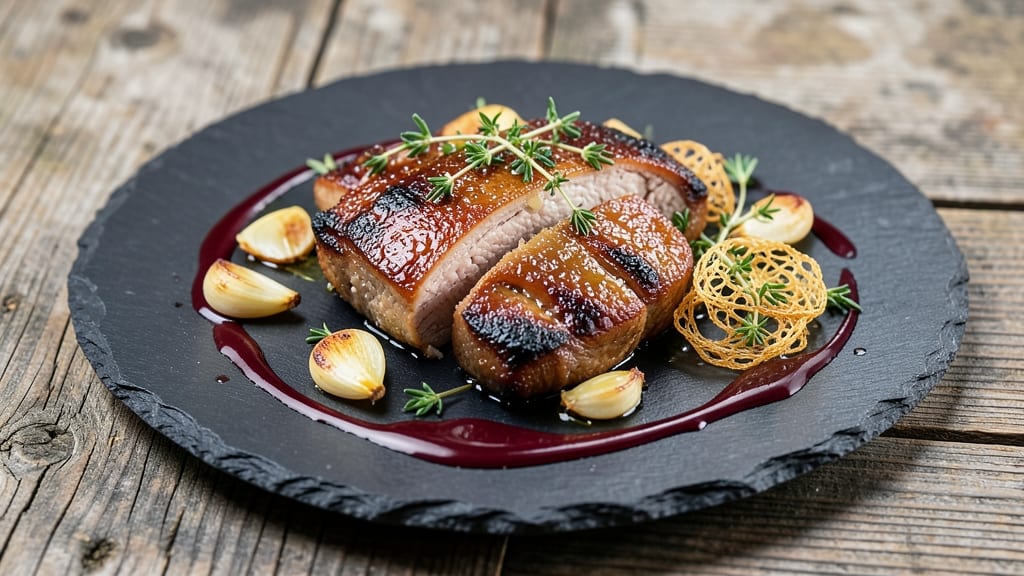
Baked chicken livers deliver a luxurious, umami-rich experience that transforms offal into a restaurant-worthy dish. The secret lies in proper preparation—cleaning, marinating, and precise baking—to achieve tender yet crisp edges with deep savory flavor.
I’ve perfected this technique after years of testing, ensuring every bite is rich, moist, and full of character.
This recipe starts with thorough cleaning and optional marinating to tenderize the livers, followed by a high-heat bake in butter or oil. The result? A dish that’s elegant enough for dinner parties but simple enough for weeknight meals.
Traditional methods like butter-basting elevate the flavor, while modern twists—like a spiced honey glaze or herb crust—add exciting variations.
What you’ll end up with is perfectly cooked chicken livers—golden-brown on the outside, velvety and tender inside, with a depth of flavor that’s hard to resist. The texture is the star here: crisp enough to hold its shape but yielding enough to melt in your mouth.
Serve with a crisp green salad, roasted potatoes, or crusty bread to soak up every last drop of the pan juices.
Whether you’re a seasoned cook or new to offal, this recipe breaks down the process clearly, ensuring foolproof results every time. The key is patience—letting the livers cook slowly to develop that signature richness. Ready to elevate your cooking with this bold, flavorful dish? Let’s get started.
Ingredients for baked chicken livers
Rich, crispy, and packed with umami—just 11 ingredients transform simple chicken livers into a showstopper.
| Ingredient | Amount | Notes |
|---|---|---|
| Fresh Chicken Livers 🍗 | 1 lb | Trimmed of connective tissue |
| Unsalted Butter 🧈 | ½ cup | Cold, cubed for basting |
| Extra-Virgin Olive Oil 🫒 | 2 tbsp | High-quality for searing |
| Fresh Thyme Leaves 🌿 | ¼ cup | Chopped, stems removed |
| Garlic Cloves 🧄 | 4 cloves | Minced, fresh preferred |
| Dijon Mustard 🍯 | 1 tbsp | For marinade depth |
| Dry White Wine 🍷 | ¼ cup | Substitute with chicken broth |
| Salt 🧂 | 1 ½ tsp | Kosher or sea salt |
| Ground Black Pepper 🌶️ | ½ tsp | Freshly cracked |
| Fresh Parsley 🌿 | 0.1 cup | Chopped, for garnish |
| Lemon Zest 🍋 | 1 tbsp | Brightens flavor |
The livers are the star, so pick the freshest you can find. Look for bright red, not grayish, and avoid any with a strong metallic smell. Butcher shops or high-end grocery stores like Whole Foods or Wegmans usually carry the best quality. If you're nervous about cleaning, ask your butcher to do it—they're used to handling it. The butter matters too: cold, unsalted cubes give you the best flavor and texture when basted. I always grab European-style butter from the refrigerated section—it's worth the extra few bucks for this dish.
No white wine? Dry chicken broth works perfectly—just skip the salt in the broth. Fresh thyme and parsley are ideal, but dried at one-third the amount gets you close. The Dijon mustard adds depth, but if you're out, a dash of hot sauce gives a similar kick. For the garlic, roast it first if you want to mellow the flavor—just toss whole cloves in olive oil at 400°F for 10 minutes. The lemon zest is non-negotiable though—it cuts through the richness and keeps the dish bright. If you can't find fresh, zest a whole lemon (about 2 tbsp) and store in the freezer for next time.
These keep best made fresh, but leftovers reheat beautifully—just pop them in a skillet with a splash of water to revive the crisp. Store in an airtight container for up to 2 days in the fridge. For longer storage, freeze on a tray first to prevent sticking, then transfer to a bag for up to 3 months. The pan juices are liquid gold—save them in a jar for future recipes or drizzle over eggs. Serve immediately for maximum crispiness, but if you must wait, reheat under the broiler for 2-3 minutes to restore that golden crust.
Why You'll Love This Recipe
- One-Pan Magic: I swear by this recipe when I’m too tired to wash dishes. Just toss the livers in a hot skillet with butter and oil, scatter thyme and garlic, then transfer to the oven—no flipping, no fuss, just golden perfection waiting for you.
- Rich, Earthy Depth: The butter and olive oil work together to create this insane contrast—crispy edges with a melt-in-your-mouth center. Add fresh thyme and garlic, and suddenly you’ve got a dish that tastes like it simmered for hours (but didn’t).
- Weeknight to Weekend: Between us, this is my go-to for busy nights, but it also shines at dinner parties. Serve it with crusty bread and a simple salad, or toss it into pasta for a hearty weeknight meal. Honestly, it’s that adaptable.
- Budget-Friendly Protein: Chicken livers are one of the best-kept secrets for stretching meals without breaking the bank. A pound feeds four, and leftovers reheat beautifully—just a quick sizzle in butter to revive that crispy texture. My wallet (and my family) thank me.
Step-by-step instructions for baked chicken livers with rich umami depth
Here's how to transform simple chicken livers into restaurant-worthy bites with crispy edges and velvety texture.
Prepare the Chicken Livers for Perfect Texture
Start by trimming any connective tissue or silver skin from the 1 lb fresh chicken livers using a sharp knife. This step prevents bitterness and ensures tender results. Rinse the livers thoroughly under cold water and pat them completely dry with paper towels—moisture is the enemy of crispy searing.
Place the trimmed livers in a bowl and season generously with the 1.5 tsp salt and 0.5 tsp ground black pepper. Toss to coat evenly. Let them sit at room temperature for 15 minutes while you prepare the rest. This resting time helps them cook more evenly and develop better texture.
Create the Flavorful Butter Marinade
In a small bowl, combine the 0.5 cup cold cubed unsalted butter, 0.25 cup chopped fresh thyme leaves, 4 minced garlic cloves, 1 tbsp Dijon mustard, 0.25 cup dry white wine, and 1 tbsp lemon zest. Mix well until the butter begins to soften slightly from the room-temperature ingredients. This marinade will infuse the livers with layers of umami and bright citrus notes.
Let this mixture sit at room temperature for 10 minutes while you heat your pan. The butter should become more pliable, making it easier to coat the livers later. If you're using chicken broth instead of wine, add it now and proceed with the same timing.
Sear the Livers to Crispy Perfection
Heat a large skillet over medium-high heat until very hot. Add the 2 tbsp extra-virgin olive oil and swirl to coat the pan evenly. Working in batches to avoid crowding, add the chicken livers in a single layer. Cook undisturbed for 2-3 minutes until the undersides develop a deep golden brown crust.
Flip carefully and immediately spoon the butter marinade over the livers. Continue cooking for another 2-3 minutes until the second side is golden brown and the internal temperature reaches 145°F. The livers should be firm to the touch but still tender in the center. Remove from heat and transfer to a plate.
Finish with Fresh Herbs and Serve Immediately
Return the skillet to medium heat and let any remaining butter mixture bubble for 30 seconds to thicken slightly. Stir in the 0.1 cup chopped fresh parsley and cook for 10 seconds until fragrant. Pour this herb-infused butter over the cooked livers.
Serve immediately while still sizzling hot. The livers should have a beautiful golden crust with tender, juicy centers. Each bite delivers rich umami from the thyme and garlic, balanced by the bright lemon zest and tangy Dijon mustard. Pair with crusty bread to soak up the flavorful butter sauce.
Pro Tips For Making Baked Chicken Livers
- Trim the Fat First: Chicken livers bleed like crazy if you skip this—pat them very dry after trimming the connective tissue and fat. I learned this the hard way when my first batch turned into a greasy mess instead of golden perfection. Use paper towels, not your hands, for the cleanest result.
- Start High, End Low: Crank your oven to 425°F (220°C) for the first 10 minutes to sear the edges, then drop to 375°F (190°C). This isn’t just about speed—it’s about rendering fat without turning the livers into rubber. After burning three batches, I finally figured out that patience here makes all the difference.
- Salt Before Butter: Season the livers generously with salt before adding the butter—it penetrates better and balances the richness. I used to add salt after, and the flavor always felt one-dimensional. Trust me, more salt than you think, especially if using unsalted butter.
- Use Cold Butter: Chill the unsalted butter until it’s firm but not rock-hard before slicing it into small cubes. This guarantees it melts slowly, basting the livers instead of pooling at the bottom. Sounds weird, but it works—your future self will thank you.
Troubleshooting great baked chicken livers
Overcooked Livers
Chicken livers cook quickly, so overcooking is a common mistake. They’ll go from tender to rubbery in seconds. Use a meat thermometer to check for 145°F internal temperature—any higher and they’ll dry out.
I recommend removing them from heat at 140°F and letting them rest for 5 minutes to carry over to the perfect temp. 🌡️
Uneven Browning
Crowding the pan causes uneven cooking and pale spots. Work in small batches—I use no more than 6 livers at a time in my 10-inch cast-iron skillet—to ensure proper searing.
If your pan isn’t hot enough, increase heat to medium-high and wait 2-3 minutes until it’s screaming hot before adding oil. A silicon spatula helps flip them without tearing the crust.
Bitterness from Impurities
Livers can taste bitter if not cleaned properly. Rinse them thoroughly under cold water, then soak in ice water for 10 minutes to remove blood and impurities.
Pat completely dry before seasoning—any moisture will steam them instead of sear. I also recommend trimming all connective tissue with kitchen shears for cleaner flavor.
Butter Burning
The butter marinade can burn if left unattended. Keep heat at medium when basting and stir frequently. For extra insurance, I melt half the butter first (about ¼ cup) before adding the livers, then add the remaining cold cubes later.
This two-step method prevents scorching while still creating that golden crust. 🔥
Dry Texture
Over-trimming or over-washing removes natural fats that keep livers moist. Leave a thin layer of fat on each liver and avoid excessive handling. For extra tenderness, I marinate them in ½ cup heavy cream for 30 minutes before cooking—this adds richness and prevents dryness.
The cream also helps balance any potential bitterness.
Sticking to the Pan
Livers stick when the pan isn’t hot enough or oil isn’t properly distributed. Heat your skillet until it smokes slightly when oil is added, then swirl to coat all surfaces.
A nonstick spray (like Mist brand) can help if you’re nervous, but I find high-quality olive oil works best for that authentic sear. Never move the pan while cooking—wait until livers release naturally.
Nutrition facts
Frequently asked questions
Can I substitute chicken livers with other offal?
While chicken livers are ideal, you can try duck or pork livers following the same method. Duck livers (like foie gras) require lower heat (325°F) and shorter cooking time (8-10 minutes) to avoid overcooking. Pork livers need 155°F internal temp and work well with the same butter marinade. Avoid beef or lamb livers—they have stronger flavors and require different prep.
How do I clean chicken livers properly?
Start by removing any connective tissue or silver skin with a sharp knife. Rinse thoroughly under cold water, then soak in ice water for 10 minutes to remove blood. Pat completely dry with paper towels—this step is critical for crispy searing. Never soak longer than 15 minutes or they'll absorb too much water and steam instead of brown.
Can I bake these instead of pan-searing?
Yes! Preheat oven to 425°F and arrange livers on a parchment-lined baking sheet. Brush with melted butter marinade, then bake for 8-10 minutes until golden. For extra crispiness, broil for 1-2 minutes at the end. The texture will be slightly less crisp than pan-seared, but still delicious.
What's the best way to store leftovers?
Cool completely, then store in an airtight container for up to 2 days in the fridge. For longer storage, freeze on a tray first (to prevent sticking), then transfer to a bag for up to 3 months. Reheat gently in a skillet with a splash of water or broth to revive the crispy texture. Never microwave—it makes them rubbery!
Why do my livers turn out rubbery?
Rubbery texture usually means overcooking or improper prep. Use a meat thermometer—livers should reach 145°F max. Also check your prep: over-trimming removes natural fats, and over-washing can dry them out. For extra tenderness, marinate in ½ cup heavy cream for 30 minutes before cooking.