
Sauces & Condiments
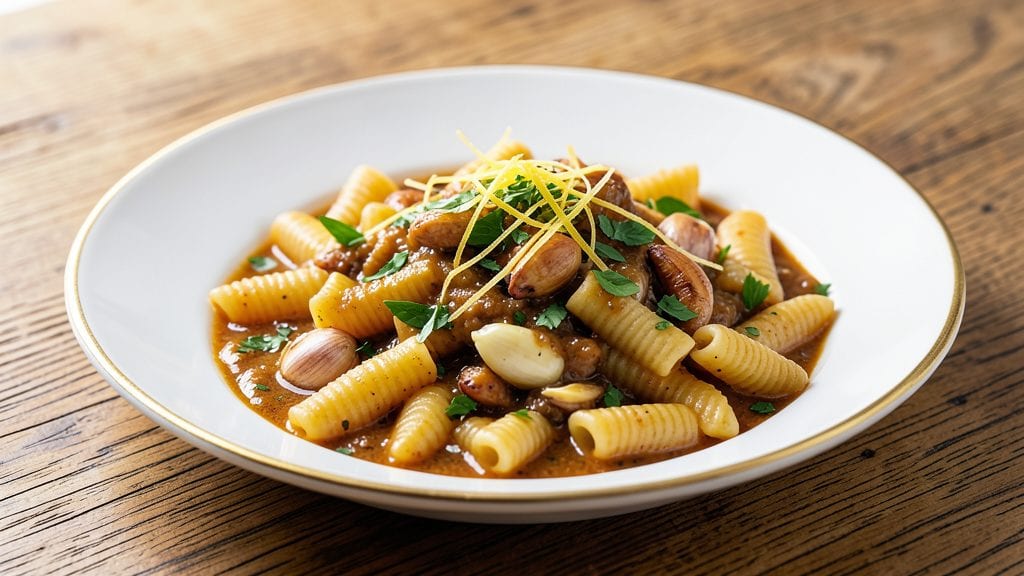
This cavatelli sauce recipe transforms simple ingredients into a velvety, herby masterpiece that clings to every strand of pasta. The secret lies in balancing rich butter with bright lemon and fresh herbs, creating a sauce that's both elegant and foolproof.
After years of perfecting this technique, I've developed a method that delivers restaurant-quality results in just 15 minutes—no complicated reductions or last-minute shopping required.
The foundation of this sauce is a simple buttery base, where high-quality butter melts into a golden blanket that coats the cavatelli perfectly. Fresh basil and parsley lend their aromatic brightness, while a touch of garlic and lemon zest adds depth without overpowering.
What makes this sauce truly special is its versatility—it works equally well with classic cavatelli or other short pasta shapes, making it a professional chef's secret weapon for weeknight dinners.
By the time you're done, you'll have a sauce that's creamy yet light, with a delicate herbaceous flavor that enhances rather than competes with the pasta.
The texture is silky, clinging to each noodle without being heavy, and the aroma alone will have everyone at the table asking what's for dinner. This sauce isn't just for special occasions—it's the kind of simple elegance that transforms ordinary meals into memorable experiences.
Store any leftovers in an airtight container in the refrigerator for up to 3 days, or freeze for longer storage. Reheat gently over low heat, adding a splash of water or pasta water if needed to restore its velvety consistency.
Whether you're serving it with cavatelli or other pasta shapes, this sauce delivers professional results that will impress even the most discerning diners.
Ingredients for cavatelli sauce
Ten simple ingredients create a velvety, herby sauce that elevates cavatelli to restaurant-quality perfection.
| Ingredient | Amount | Notes |
|---|---|---|
| Unsalted Butter 🧈 | ¾ cup | Cold, cut into small cubes |
| Fresh Basil Leaves 🌿 | ¾ cup | Packed, stems removed |
| Fresh Parsley Leaves 🌿 | ¼ cup | Packed, finely chopped |
| Garlic Cloves 🧄 | 3 cloves | Peeled, minced finely |
| Lemon Zest 🍋 | 1 tbsp | From 1 large organic lemon |
| Lemon Juice 🍋 | 1 tbsp | Freshly squeezed |
| Extra-Virgin Olive Oil 🫒 | ¼ cup | High-quality, fruity |
| Sea Salt 🧂 | ½ tsp | Fine grain preferred |
| Freshly Ground Black Pepper 🌶️ | ¼ tsp | For finishing |
| Pasta Water 💧 | ½ cup | Reserved from cooking cavatelli |
The butter is non-negotiable—European-style unsalted melts into a luxurious base that clings to pasta without weighing it down. Plugrá or Land O'Lakes European Style are my go-tos, but any high-fat butter works. Fresh herbs make all the difference: basil should be vibrant green, not wilted, and parsley adds a subtle brightness. For the garlic, roasted cloves add sweetness, but raw minced delivers classic punch. The lemon zest needs to be freshly grated—pre-grated bags lose potency fast. If you're using organic lemons, the zest will be more aromatic. Store the zest in the freezer for up to 1 month if you want to prep ahead.
No fresh basil? Dried basil at one-third the amount works in a pinch, but the texture won't be as velvety. Short on parsley? Fresh cilantro or arugula can substitute, though the flavor will shift slightly. Out of olive oil? Avocado oil has a neutral taste that won't compete with the butter. The pasta water is crucial—it's the secret to a silky texture. If you forget to reserve it, add a splash of water or white wine to loosen the sauce. For extra richness, add a splash of heavy cream at the end, but keep it to 2 tbsp or the sauce will become too heavy.
This sauce keeps beautifully in the fridge for 3 days, stored in an airtight container with a thin layer of olive oil on top to preserve freshness. For longer storage, freeze in ice cube trays—thaw and reheat gently with a splash of pasta water. The sauce reheats best over low heat; microwaving can make it greasy. If the sauce thickens upon reheating, thin it with reserved pasta water. Portion into small jars for easy use—just pop one into your pasta pot and stir. The aroma alone will make your kitchen smell like an Italian trattoria.
Why You'll Love This Recipe
- I’ll be real: most sauces turn into sad, watery messes when reheated. Not this one. The butter keeps it rich, the herbs stay bright, and the lemon zest ensures it doesn’t taste stale. Plus, it’s budget-friendly—just a handful of ingredients, no fancy substitutions needed. Make it once, and you’ll have a flavor bomb ready for lunch the next day.
- No-Fuss Assembly: I swear by this sauce because it’s the kind of recipe that doesn’t demand perfection—just a knife, a pan, and 10 minutes of your time. Melt butter, toss in minced garlic (no need to overthink it—just until it’s fragrant), then stir in the basil and parsley like you’re giving it a hug. The lemon zest? A tiny pinch is all it takes to brighten everything up.
- Herb-Packed Punch: Honestly, the flavor ratio here is chef’s kiss—butter and garlic lay the rich foundation, while the basil and parsley add that fresh, bright finish. The lemon zest cuts through the richness just enough to keep it from feeling heavy, even when you’re eating it straight from the pan (yes, I’ve done it).
- Weeknight to Dinner Party: Between us, this sauce is my go-to for everything from a quick cavatelli dinner to impressing guests when they show up unannounced. Double the batch, store it in the fridge, and reheat it with a splash of pasta water—it’s that reliable. Serve it over cavatelli, toss it with grilled chicken, or even drizzle it on roasted veggies. It’s the kind of sauce that makes you look like you planned ahead.
Step-by-step instructions for cavatelli sauce
Here's how to create a velvety, herb-infused sauce that elevates cavatelli pasta effortlessly.
Melt Butter and Infuse Herbs
In a medium saucepan, melt the 0.75 cup unsalted butter over medium-low heat. Once fully melted and foaming has subsided, add the 0.75 cup fresh basil leaves and 0.25 cup fresh parsley leaves. Stir gently for 2-3 minutes until the herbs begin to soften and release their aromatic oils.
Here's the thing—don't let the butter brown. You're infusing flavor, not making a roux. Remove from heat immediately if it starts to turn golden. The butter should smell intensely herby at this stage, with no burnt aroma. This infusion creates the sauce's signature brightness and depth.
Add Aromatics and Lemon
Return the pan to medium heat and add the 3 cloves minced garlic and 1 tablespoon lemon zest. Cook for 30 seconds until the garlic becomes fragrant but doesn't color. Add the 1 tablespoon lemon juice and 0.25 cup extra-virgin olive oil, stirring constantly for 1 minute to combine all ingredients.
This is where the sauce's complexity develops. The lemon zest adds a subtle citrus brightness that cuts through the richness of the butter, while the olive oil provides a fruity depth. Taste at this point—you should detect layers of garlic, lemon, and fresh herbs without any bitterness. If needed, adjust seasoning with 0.25 teaspoon freshly ground black pepper now to balance flavors before proceeding.
Incorporate Pasta Water and Finish
Gradually whisk in 0.5 cup pasta water while bringing the sauce to a gentle simmer. The water should help emulsify the butter and create a silky texture. Simmer for 2-3 minutes until the sauce thickens slightly but remains smooth and glossy.
Season with 0.5 teaspoon sea salt, tasting as you go. The sauce should coat the back of a spoon with a velvety consistency. If it thickens too much, add 1 tablespoon more pasta water at a time until you reach the perfect coating texture. The key is achieving a sauce that clings beautifully to cavatelli without being overly heavy.
Toss with Cooked Cavatelli
Add the cooked cavatelli to the saucepan and toss gently with tongs for 1-2 minutes until every strand is fully coated. The residual heat from the pasta will help the sauce cling perfectly. If the sauce appears too thick after tossing, add another 1-2 tablespoons pasta water to loosen it.
For best results, serve immediately while the sauce is still warm and glossy. The combination of buttery richness, bright herbs, and citrus notes creates a sauce that perfectly complements cavatelli's rustic texture. The lemon zest adds a subtle visual pop that makes this dish especially elegant for special occasions.
Pro Tips For Making Cavatelli Sauce
- Melt Butter Slow: Start with low heat—unsalted butter burns faster than you’d think, and once it browns, that nutty aroma turns bitter. Let it melt gently, swirling the pan occasionally, until it’s just liquid gold, not toasted.
- Zest, Don’t Juice: Lemon zest adds brightness without the wetness of juice, which can dilute the sauce. Use a fine grater and scrape only the yellow part—no white pith, or it’ll turn bitter. A teaspoon is plenty; you’re not making lemon curd.
- Pulse Garlic Fast: Smash those garlic cloves with the flat side of your knife first—it releases more flavor without burning. Then, cook them on medium-low for 30 seconds max, just until fragrant. Overcooking turns garlic soapy, and nobody wants that.
- Toss Herbs Last: Basil and parsley wilt faster than cavatelli can absorb their flavor. Add them right before serving—chopped parsley first (it’s hardier), then delicate basil leaves on top. Stir just once; you’re not making pesto.
Serving suggestions for cavatelli sauce
Presentation Plating
For a restaurant-worthy finish, toss the cavatelli with sauce in a wide, shallow dish to let the strands catch light beautifully. Garnish with a few whole basil leaves or parsley sprigs for vibrant color contrast.
I like to arrange a single leaf on top of each serving—it looks intentional and adds freshness. For extra elegance, add a sprinkle of flaky sea salt (like Maldon) right before serving. 🌿
Bread Pairings
Serve this sauce with crusty Italian bread like Focaccia di Recco or a rosemary-infused baguette for dipping. The buttery sauce pairs perfectly with the bread's texture, creating a satisfying contrast.
For a more rustic touch, offer garlic knots or grissini alongside the pasta. The bread soaks up any leftover sauce beautifully, making it a crowd-pleaser.
Protein Additions
Elevate the dish by adding grilled shrimp or seared scallops to the cavatelli. The sauce's bright herbs complement the sweetness of seafood perfectly. For a vegetarian option, toss in sautéed mushrooms or roasted cherry tomatoes.
I often add 1 cup sliced mushrooms cooked in 1 tbsp olive oil and ½ tsp thyme for extra depth. 🍤
Wine and Beverage Pairings
A crisp Pinot Grigio from Italy cuts through the sauce's richness beautifully, while a light Sauvignon Blanc adds a refreshing citrus note. For non-alcoholic options, serve with sparkling lemonade or iced herbal tea infused with basil and mint. The effervescence cleanses the palate between bites, enhancing the sauce's flavors.
Seasonal Garnishes
Adjust garnishes by season: in summer, add toasted pine nuts or sun-dried tomatoes; in winter, sprinkle with crispy pancetta bits or shaved Parmesan. For a festive touch during holidays, top with edible gold leaf—it’s a simple but stunning detail that makes the dish feel special.
The sauce’s versatility makes it perfect for year-round entertaining.
Leftovers Reinvention
Turn leftover cavatelli into a pasta salad by mixing with cherry tomatoes, cucumber slices, and feta cheese. The sauce’s herby brightness holds up well in cold dishes.
For a quick lunch, reheat the cavatelli with sauce and top with a fried egg—the yolk adds richness that balances the lemon notes. Store leftovers in an airtight container for up to 3 days in the fridge. 💡
Nutrition facts
Frequently asked questions
Can I make this cavatelli sauce ahead of time?
This sauce keeps beautifully in the fridge for up to 3 days in an airtight container. For longer storage, freeze it in ice cube trays—just thaw and reheat gently with a splash of pasta water. The key is storing it with a thin layer of olive oil on top to preserve freshness and prevent drying.
What if I don't have fresh herbs?
Use dried basil or parsley at one-third the amount (about 1/4 tsp per 1 tbsp fresh), but expect less vibrant flavor. For a deeper taste, try fresh thyme or oregano instead—they pair well with lemon and butter. Avoid dried oregano, as it can taste bitter when combined with citrus.
How do I fix a sauce that's too thick or too thin?
For a thick sauce, whisk in 1 tablespoon pasta water at a time until it reaches a velvety consistency. If it's too thin, simmer uncovered for 1-2 minutes to reduce. Never add flour or cornstarch—this butter-based sauce relies on emulsification, not thickening agents. The perfect texture should coat the back of a spoon without being gluey.
Can I use this sauce with other pasta shapes?
Yes! This sauce works beautifully with fettuccine, penne, or even orecchiette. The key is tossing it with al dente pasta so the sauce clings perfectly. For shorter shapes like farfalle, you might need slightly more sauce to fully coat each piece. The buttery herb base adapts well to any pasta, making it a versatile weeknight solution.
Why does my sauce separate when reheating?
This happens when the butter and liquid aren't properly emulsified. To fix it, whisk in 1 tablespoon cold water or pasta water while heating gently on low. For prevention, always reheat slowly and avoid high heat. The sauce should return to a smooth, glossy texture. If it still separates, stir in 1/2 teaspoon Dijon mustard—it acts as a natural emulsifier.