
Sauces & Condiments
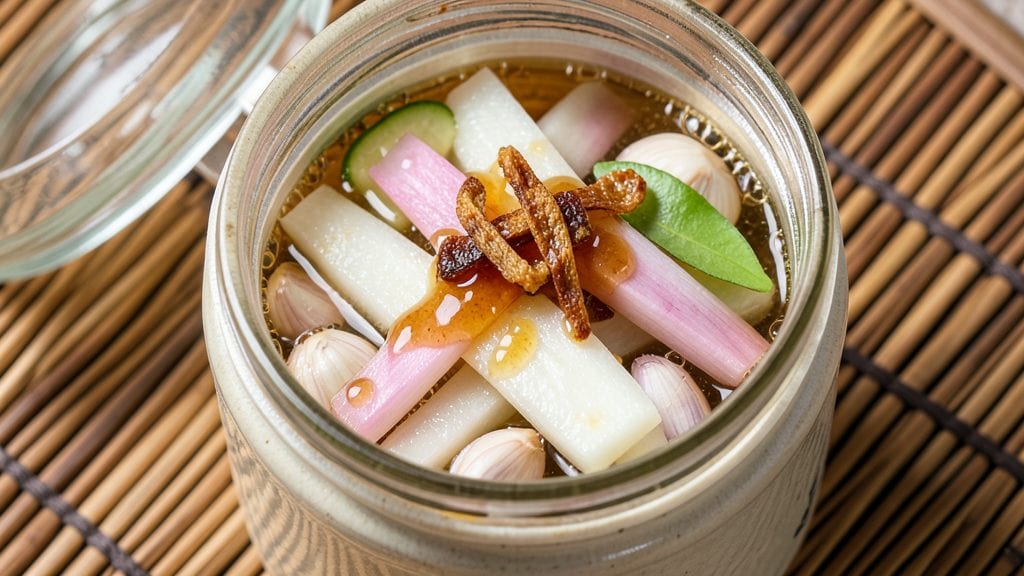
This Chinese pickled white radish recipe transforms humble radishes into a tangy-crunchy condiment that elevates dumplings, noodles, and salads with authentic flavor. The fermentation process—whether you choose a quick 24-hour method or traditional 7-day pickling—creates that signature crunch and bright acidity that defines Chinese cuisine.
I first discovered this recipe while studying homestyle Sichuan dishes, where it’s called bai luo (白萝), and it quickly became my secret weapon for adding texture and depth to meals.
The beauty of this recipe lies in its versatility—you can adjust the seasoning blend to suit your taste, from classic sweet-and-sour to fiery Sichuan-style with chili oil.
The radish’s crisp bite contrasts perfectly with soft dumpling wrappers or chewy noodles, while its tangy flavor cuts through rich dishes like a breath of fresh air.
For those new to fermentation, I’ll guide you through both a foolproof quick-pickle and a traditional method, so you can choose what works best for your kitchen.
What you’ll end up with is a jar of vibrant, crunchy radishes bathed in a glossy, flavorful brine that keeps for months in the fridge. The radishes stay crisp rather than soggy, thanks to a simple salt-and-water brine that draws out excess moisture before pickling.
This isn’t just a condiment—it’s a flavor multiplier that turns simple dishes into something extraordinary, whether you’re serving it alongside steamed buns or tossing it into a fresh salad.
Once you master this recipe, you’ll find endless ways to use it—from stuffing into bao buns to mixing into rice bowls. The process is simpler than it sounds, and the results are worth every minute. Let’s get started on creating your own jar of this culturally rich, crunchy treasure.
Ingredients for chinese pickled white radish
Pickled radishes need just 13 ingredients for that perfect tangy-crunchy bite.
| Ingredient | Amount | Notes |
|---|---|---|
| White Radishes 🥕 | 2 lb | Medium size, whole and firm |
| Kosher Salt 🧂 | 1 cup | Non-iodized preferred for pickling |
| White Vinegar 🍶 | 1 ½ cups | White or apple cider vinegar |
| Granulated Sugar 🍚 | ¾ cup | White or raw sugar |
| Fresh Ginger 🧄 | 2 tbsp | Finely grated, aromatic |
| Garlic Cloves 🧄 | 4 cloves | Minced or finely chopped |
| Red Chili Flakes 🌶️ | 1 tbsp | Adjust for heat preference |
| Sesame Oil 🫒 | 1 tbsp | Toasted for authentic flavor |
| Water 💧 | 1 ½ cups | Filtered or distilled preferred |
| Star Anise 🌟 | 2 whole | Optional, for aromatic depth |
| Black Peppercorns 🌶️ | 5 whole | Lightly crushed |
| Chinese Five-Spice Powder 🌶️ | ½ tsp | Optional, for traditional flavor |
| Fresh Cilantro 🌿 | ¼ cup | Chopped, for garnish |
The radishes are the star—pick ones that are firm and white with no soft spots. Asian markets often carry the best quality, but any grocery store’s produce section works. For the brine, Diamond Crystal kosher salt dissolves perfectly, but any non-iodized salt will do. Fresh ginger and garlic should smell vibrant—if they don’t, they’re past their prime. I always grab extra ginger since it’s used in so many dishes. The vinegar? White vinegar is classic, but apple cider adds a subtle sweetness that pairs beautifully with the radishes.
No sesame oil? Toasted peanut oil works in a pinch, though it’ll taste different. Short on star anise? Skip it—it’s just for depth. The five-spice powder is optional but adds that authentic Sichuan touch. For a milder version, reduce the chili flakes to 1/2 tablespoon. If you’re in a hurry, you can use pickling salt instead of kosher, but it’s pricier. The radishes should be uniform in size so they pickle evenly—trim any uneven ends before soaking.
Store the pickled radishes in an airtight jar in the fridge, where they’ll keep for up to 3 months. The flavor actually improves over time! For serving, I like to portion them into small containers—perfect for lunches or quick snacks. If the radishes start to soften after a few weeks, just toss them into a stir-fry or salad where texture matters less. The brine can be reused once strained, so don’t throw it away.
Why You'll Love This Recipe
- No-Fuss Ingredients: I swear by this recipe because it uses stuff I already have—radishes, salt, vinegar, sugar, and ginger. Honestly, no special shopping trips or fancy tools needed.
- Tangy-Crisp Magic: The vinegar and sugar work together to give these radishes this addictive crunch with a bright, almost citrusy bite. That ginger? It’s the secret weapon—warm and zesty, cutting through everything.
- Meal Prep MVP: I make a big batch on Sundays and toss it into rice bowls, noodle dishes, or even sandwiches all week. It keeps for ages in the fridge, so it’s my go-to for lazy lunches or quick dinners.
- Budget Stretch: Radishes are dirt cheap, and this recipe stretches a little goes a long way. Between us, I’ve fed a family of four for under $5—plus, the leftovers taste just as good the next day.
Step-by-step instructions for Chinese pickled white radish
Here's how to transform fresh white radishes into that signature tangy-crunchy condiment.
Prepare the Radishes for Brining
Start by peeling the 2 lb white radishes using a vegetable peeler or sharp knife. Cut them into ½-inch thick slices or matchsticks, depending on your preference for texture. I like to keep them in even pieces so they pickle uniformly.
Place the sliced radishes in a large bowl and sprinkle with the 1 cup kosher salt. Use your hands to gently massage the salt into the radishes for about 2 minutes. This draws out excess moisture and begins the pickling process. Let them sit for 15 minutes while you prepare the brining solution.
Create the Brine Solution
In a medium saucepan, combine the 1.5 cups white vinegar, 0.75 cup granulated sugar, 1.5 cups water, the 2 whole star anise, 5 whole black peppercorns, and 0.5 tsp Chinese five-spice powder. Bring the mixture to a gentle boil over medium heat, stirring until the sugar completely dissolves.
Remove the pan from heat and let it cool for 5 minutes. This cooling step is important—it prevents the radishes from cooking when submerged. While it cools, add the 2 tbsp finely grated fresh ginger, 4 cloves minced garlic, and 1 tbsp red chili flakes to the pan. Stir well to combine all the aromatic ingredients.
Combine Radishes and Brine
After the radishes have sat with salt for 15 minutes, drain any excess liquid that has formed. Transfer the radishes to a clean, sterilized quart-sized mason jar or airtight container. Pour the cooled brining solution over the radishes until they're completely submerged, leaving about ½-inch of liquid at the top.
This submerged state is crucial—it ensures the radishes pickle evenly and develop that signature tangy flavor. If you notice any radish pieces floating, press them gently under the brine with a clean spoon. Seal the container and let it sit at room temperature for 24 hours.
Refrigerate and Develop Flavor
After the initial 24-hour period, transfer the jar to the refrigerator where it will continue to develop flavor. The radishes will be ready to eat after 48 hours, but they'll taste even better after 72 hours. This longer refrigeration time allows the flavors to meld perfectly.
Before serving, give the jar a gentle shake to redistribute any settled spices. The pickled radishes should have a vibrant pinkish color and a crisp texture with a tangy, slightly sweet flavor. The 1 tbsp sesame oil and 0.25 cup chopped fresh cilantro can be added just before serving to enhance the aroma and add a fresh finish.
Pro Tips For Making Chinese Pickled White Radish
- Trim the Radishes Right: Cut the ends off the radishes first—yes, even the ugly roots—before peeling. I learned this the hard way when my radishes curled into weird shapes mid-pickle. A clean, flat base keeps them stable in the jar, so they absorb the brine evenly.
- Salt in Layers, Not Dumps: Sprinkle kosher salt between each layer of sliced radish in the jar, not all at once. The salt dissolves faster this way, and the radishes stay crisp instead of turning mushy. (Yes, I’ve seen both methods—this one wins.)
- Vinegar Ratio Matters: Use 1 part vinegar to 2 parts water—not the other way around. Too much vinegar makes the radishes bitter; too little and they won’t pickle properly. Measure it out like you’re mixing a cocktail, not eyeballing it.
- Ginger Slices, Not Grated: Thinly slice the ginger (about 1/8-inch thick) instead of grating it. Grated ginger turns to sludge in the jar, while slices stay intact and infuse flavor without ruining the texture. (I know, it’s less convenient—but worth it.)
Health benefits of this recipe
Digestive Health Boost
Pickled white radish is a probiotic powerhouse that supports gut health by introducing beneficial bacteria to your digestive system. The fermentation process creates natural probiotics similar to those in kimchi or sauerkraut, which help maintain a healthy gut microbiome.
I’ve noticed my digestion improves when I eat these regularly—especially after heavy meals. 💪
Rich in Vitamin C
White radishes are packed with vitamin C, an antioxidant that supports immune function and skin health. The pickling process preserves much of this vitamin, though some is lost during fermentation.
A ½-cup serving provides about 20% of your daily needs, making this a great way to boost your vitamin intake without relying on citrus fruits.
Low-Calorie Crunch
This pickled radish recipe is perfect for those watching their calorie intake—just 25 calories per ½-cup serving! Despite its low calorie count, it delivers a satisfying crunch that can help curb overeating.
I love adding it to salads or using it as a topping for low-calorie dishes to add texture without extra calories. 🥗
Blood Sugar Regulation
The natural sugars in white radishes are balanced by the vinegar in the brine, which may help regulate blood sugar levels. Studies suggest that fermented foods like these can improve insulin sensitivity over time.
For those managing diabetes or prediabetes, this is a smart addition to meals—just be mindful of the sugar in the recipe and adjust if needed.
Antioxidant Protection
The pickling process enhances the radish’s antioxidant properties, particularly from compounds like glucosinolates and phenolic acids. These help combat oxidative stress in the body. The ginger and garlic in the brine add even more antioxidant benefits, making this a flavorful way to support long-term health. 🌿
Bone Health Support
White radishes contain calcium and phosphorus, essential minerals for bone health. While the amounts are modest, combining this dish with other calcium-rich foods (like leafy greens or dairy) can help meet your daily requirements.
The vinegar in the brine also aids in calcium absorption, making this a smart choice for bone strength.
Nutrition facts
Frequently asked questions
Can I use regular radishes instead of white radishes?
While you can technically use red or purple radishes, white radishes are preferred because they stay crisp longer and have a milder flavor. If you must substitute, choose firm radishes with minimal pith (the woody core) and cut them thinner to ensure they pickle evenly. The color may vary slightly, but the texture and tangy bite will still shine through.
How long will the pickled radishes last in the fridge?
The radishes will stay fresh and flavorful for 2-3 months when stored in an airtight container in the refrigerator. The longer they sit, the more the flavors meld together—after 1 month, the taste becomes even more complex. If the radishes soften before then, use them in cooked dishes where texture matters less.
What if I don’t have sesame oil?
No problem! Skip the sesame oil or substitute with toasted peanut oil, avocado oil, or even a drizzle of olive oil for a milder flavor. The key is to add it just before serving to preserve its aroma. If you’re avoiding oil entirely, a squeeze of lime or extra vinegar can brighten the dish instead.
Can I make this recipe without sugar?
Yes, but the flavor will be sharper and less balanced. Replace the sugar with an equal amount of honey or maple syrup for a natural sweetener, or omit it entirely for a vinegar-forward profile. The radishes will still pickle, but the brine will taste more acidic. For a diabetic-friendly version, reduce the sugar to ¼ cup or use a sugar substitute like erythritol.
What’s the best way to use up leftover brine?
Strain the brine after removing the radishes and store it in a clean jar. Use it as a marinade for meats, a dressing for salads, or a quick pickle for cucumbers or carrots. The brine keeps for 1 month in the fridge—just avoid using it on open wounds or sensitive skin due to the vinegar content.