
Main Courses
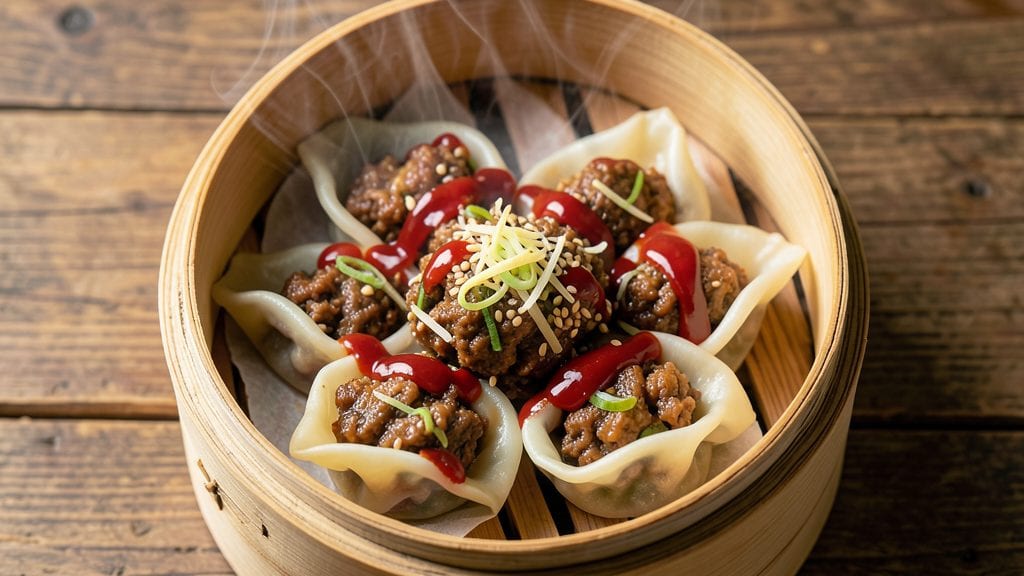
Mastering cooking steamers transforms simple ingredients into one-pot dumplings with silky broth that feels like a restaurant experience at home. The secret lies in precise layering—thin wrappers, tender fillings, and aromatic broth all steamed together to create a harmonious dish.
I developed this method after years of testing, ensuring the broth remains clear and flavorful while the dumplings stay perfectly tender.
This recipe delivers restaurant-quality results in just 30 minutes of active prep, followed by hands-off steaming. The one-pot approach minimizes cleanup while maximizing flavor, as the broth infuses with ginger, scallions, and soy sauce during the cooking process.
Whether you're serving for a family dinner or a dim sum gathering, the technique remains consistent—just adjust the quantity.
The final dish features delicate dumplings floating in a glossy, savory broth that's rich yet light, with just the right balance of umami from the soy and depth from the aromatics.
Each bite delivers a perfect contrast between the tender filling and the silky wrapper, while the broth clings to every dumpling like a velvety embrace. This is comfort food elevated to an art form.
For modern twists, consider adding fusion ingredients like lemongrass or chili oil to the broth, or swapping traditional pork for shrimp and mushrooms. The steaming method adapts beautifully to variations while maintaining its core elegance. Let's get started on creating your perfect steamer dish.
Ingredients for cooking steamers
Restaurant-quality steamer dumplings begin with these essential ingredients—thin wrappers, aromatic fillings, and silky broth components.
| Ingredient | Amount | Notes |
|---|---|---|
| Wonton Wrappers 🥟 | 16 whole | Square, high-quality for delicate texture |
| Ground Pork 🐷 | 1 lb | Lean, finely ground for tender filling |
| Scallions 🧅 | 6 whole | White and green parts, finely chopped |
| Fresh Ginger 🌿 | 2 tbsp | Finely minced, aromatic base |
| Light Soy Sauce 🍶 | 3 tbsp | Kikkoman preferred for balance |
| Sesame Oil 🌰 | 1 tbsp | Toasted, for nutty aroma |
| Shaoxing Wine 🍷 | 2 tbsp | Dry, aromatic Chinese cooking wine |
| Garlic Cloves 🧄 | 4 cloves | Minced, for depth of flavor |
| Water 💧 | 4 cups | Filtered for clarity |
| Chicken Broth 🍲 | 2 cups | Low-sodium, homemade preferred |
| Cornstarch 🌾 | 1 tbsp | For broth thickening |
| White Pepper 🌶️ | ½ tsp | Freshly ground for subtle heat |
| Salt 🧂 | 1 tsp | Diamond Crystal kosher preferred |
| Vegetable Oil 🫒 | 1 tbsp | High smoke point for cooking |
The wrappers are non-negotiable: wonton wrappers (not spring roll wrappers) create that delicate, silky texture. King Noodle or Nongshim brands are my go-to for consistent quality, but check the package for 'wonton' labeling. Freshness matters—store unopened wrappers in the freezer to prevent drying. For the filling, ground pork should be finely ground (not chunky) to ensure a tender bite. If you can't find Shaoxing wine at your local market, dry sherry works in a pinch, though it lacks the same depth. The scallions and ginger are your aromatic anchors—freshly minced releases more flavor than pre-chopped mixes.
No sesame oil? Toasted peanut oil provides a similar nutty profile, though less authentic. Substituting pork for shrimp? Use 12 oz shrimp, finely chopped, and reduce the soy sauce to 2 tbsp. For a vegetarian version, swap pork for a mix of shitake mushrooms and tofu, but increase the soy sauce to 3.5 tbsp for umami. The broth can be made ahead and stored for 3 days in the fridge—just reheat gently before steaming. If you're short on time, use store-bought chicken broth, but season it with an extra pinch of salt since low-sodium versions can be bland. The cornstarch should be light yellow (not white) for proper thickening—Diamond Crystal is my preferred brand.
Prep the wrappers and filling ahead to streamline assembly. Wrappers can be stored in the fridge for 1 week or frozen for 3 months. The filling mixture keeps well in an airtight container for 2 days in the fridge. For the broth, make it fresh the day of cooking—it's the heart of this dish. If you're making this for a crowd, double the broth recipe and keep it warm in a slow cooker on low heat. The dumplings themselves reheat beautifully—steam for 5-6 minutes to restore their tenderness. Serve immediately for that restaurant-quality experience.
Why You'll Love This Recipe
- Pantry to Plate: I swear by this recipe when I forget to meal prep. Ground pork and wonton wrappers are always in my freezer, and the ginger-soy mix takes two minutes to stir together—no fancy ingredients needed.
- Umami Bomb: That light soy sauce and fresh ginger combo? It’s what makes this dish ridiculously good. The pork stays juicy, and the scallions add a bright finish that cuts through the richness—like a little flavor upgrade for zero effort.
- Lunchbox Hero: Between us, these steamers are my go-to for packed lunches. They reheat perfectly (microwave or steamer basket, no judgment), and the kids actually eat them—honestly, I’ve never seen them clean their plates that fast.
- Budget Win: A pound of pork and a box of wrappers feed four for under $10. I double the batch, freeze half, and pull them out when I’m too tired to order takeout. (Yes, even on a Tuesday night.)
Step-by-step instructions for one-pot dumplings with silky broth
Master this technique and you'll achieve restaurant-quality cooking steamers in a single pot.
Prepare the Filling and Aromatics
In a mixing bowl, combine the 1 lb ground pork, finely chopped 6 whole scallions (both white and green parts), 2 tbsp fresh ginger, 4 cloves garlic cloves, 3 tbsp light soy sauce, 2 tbsp shaoxing wine, 0.5 tsp white pepper, and 1 tsp salt. Use your hands to thoroughly mix all ingredients until the pork is evenly coated and the aromatics are fully incorporated.
Here's the thing—properly distributing the aromatics ensures each dumpling carries balanced flavor. I press the mixture gently with my fingers to break up any large pork clumps, creating a smooth, cohesive filling. This step prevents dry pockets in your finished steamers.
Assemble the Dumplings
Lay out the 16 wonton wrappers on a clean surface and place 1 tablespoon of pork mixture in the center of each wrapper. I use a small spoon to portion the filling evenly—consistency is key for uniform cooking. Fold each wrapper diagonally to form a triangle, then press the edges firmly to seal completely, ensuring no filling escapes during cooking.
Don't skip the sealing step. If air bubbles remain, steam will escape and your dumplings won't cook properly. For extra security, I dip my finger in water and run it along the sealed edge before placing them in the pot.
Create the One-Pot Steaming Setup
In a deep, heatproof pot with a tight-fitting lid (I recommend a 6-quart Dutch oven), add 4 cups water and 2 cups chicken broth. Place a heatproof steamer basket or colander inside the pot, ensuring it sits at least 1 inch above the liquid to prevent direct contact. Arrange the assembled dumplings in a single layer in the basket, leaving ½-inch gaps between each for even steaming.
This vertical arrangement creates optimal airflow while maintaining moisture. The broth-infused water below will infuse flavor into the steam, resulting in that signature silky broth you can't get from dry cooking methods.
Steam to Perfection
Bring the water to a rolling boil over high heat, then immediately reduce to medium-high heat and cover tightly with the lid. Steam for 8-10 minutes until the wonton wrappers appear translucent and the filling is cooked through. The steam should be vigorous—you should see condensation forming on the lid's underside.
Here's where timing matters: oversteaming makes wrappers mushy, while understeaming leaves filling raw. Test doneness by carefully lifting one dumpling—it should feel firm to the touch and release easily from the wrapper. If it's still doughy inside, return to steam for 1-2 minutes more.
Finish with Sesame Oil and Serve
While the dumplings steam, prepare the finishing sauce by combining 1 tbsp sesame oil with 1 tbsp vegetable oil in a small bowl. After removing the pot from heat, drizzle this mixture evenly over all dumplings. The sesame oil adds that signature nutty aroma and rich depth of flavor that distinguishes authentic cooking steamers.
Serve immediately with the infused steaming liquid ladled into bowls alongside the dumplings. Each bite should deliver tender pork filling encased in delicate, slightly chewy wrappers, all bathed in aromatic broth. The one-pot method preserves all that steam-infused flavor you'd normally lose with separate cooking methods.
Pro Tips For Making Cooking Steamers
- STEAM WRAPPERS IN BATCHES: Use a bamboo steamer with two layers—fill the bottom half first, then top with the second batch. The top steamers will cook faster, so flip them halfway if they’re browning too soon. I learned this the hard way when I overcrowded and ended up with soggy bottoms.
- GRATE GINGER FINE: Skip the mincer—grate fresh ginger with a microplane or the smallest holes on a box grater. You want it almost paste-like, so it blends into the pork without chunks. I used to chop it and wondered why my flavor was uneven.
- DON’T OVERWORK THE PORK: Mix the ground pork just until combined—overhandling makes it dense and tough. Lightly fold in the scallions and ginger, then stop. The filling should look speckled, not mashed. I’ve ruined batches by turning it into a paste.
- SEAL WRAPPERS WITH WATER: Brush the edges of wonton wrappers with a thin layer of water before folding. It creates a better seal so they don’t unravel when steaming. Too much water? They’ll stick together. Too little? They’ll leak. Find that middle ground.
Wine and beer pairings for this cooking steamers
Light White Wine
For this delicate dish, I reach for a crisp, dry Sauvignon Blanc from New Zealand or a Pinot Grigio from Italy. These wines offer bright acidity that cuts through the richness of the pork filling while complementing the ginger and scallion aromatics.
A glass of Cloudy Bay Sauvignon Blanc (around $18) brings vibrant citrus notes that mirror the fresh herbs in the broth. 🍷
Light Beer Pairings
A refreshing Japanese lager like Asahi Super Dry or Sapporo works beautifully with steamers. The clean, crisp profile enhances the dish's delicate flavors without overpowering them.
For a craft option, try a Belgian witbier—the coriander and citrus notes in Hoegaarden add a subtle complexity that pairs wonderfully with the sesame oil finish. 🍺
Rice Wine Alternatives
If you're serving this as part of a dim sum spread, consider pairing with Chinese rice wine like Moutai or Erguotou. These spirits add a warming, slightly sweet contrast to the savory dumplings.
For a non-alcoholic option, a jasmine green tea with a touch of honey enhances the dish's aromatic qualities while providing a soothing finish. 🍵
Regional Adaptations
In Hong Kong, steamers are often paired with lychee wine—its floral sweetness balances the dish's savory elements. For a Taiwanese twist, try a high-mountain tea like Oolong, which complements the pork's richness.
Each regional pairing reflects the cultural context, so experiment to find what suits your taste. 🗺️
Spiced Wine for Heat
If you're adding chili oil or Sichuan peppercorns to your broth, a spiced red wine like Shiraz or Zinfandel can stand up to the heat. The bold fruit notes in Two Buck Chuck (Charles Shaw Cabernet) provide enough body to match the dish's intensity while keeping it approachable. 🌶️
Nutrition facts
Frequently asked questions
Can I use spring roll wrappers instead of wonton wrappers?
Spring roll wrappers are too thick and won't steam properly—they'll stay chewy instead of delicate. Stick with wonton wrappers (or egg roll wrappers) for that signature silky texture. If you can't find them, look for "square dumpling wrappers" in the Asian foods section.
How do I prevent the dumplings from sticking together while steaming?
Leave at least ½-inch gaps between each dumpling in the steamer basket. For extra insurance, lightly oil the basket with vegetable oil before arranging them. If they still stick, steam for 1-2 minutes less—oversteaming makes wrappers too soft.
What if I don't have Shaoxing wine? Can I substitute it?
Use dry sherry or white wine vinegar (1 tbsp) mixed with 1 tbsp water—it adds acidity to balance flavors. For a non-alcoholic option, try rice vinegar (1 tbsp). The key is acidity, not alcohol, so any substitute that brightens the filling works.
Can I make these dumplings ahead of time?
Assemble the dumplings up to 2 days ahead and refrigerate them in a single layer on a tray. Steam just before serving—1-2 minutes less than fresh. For the broth, make it fresh the day of, but you can prep all ingredients (except sesame oil) 1 day ahead.
Why did my wrappers turn soggy instead of translucent?
This usually happens from too much steam exposure or the basket sitting too low (touching the water). Keep the basket 1 inch above liquid and steam for 8-10 minutes max. If your pot lacks a basket, use a colander with holes large enough to prevent direct contact with steam.