
Main Courses
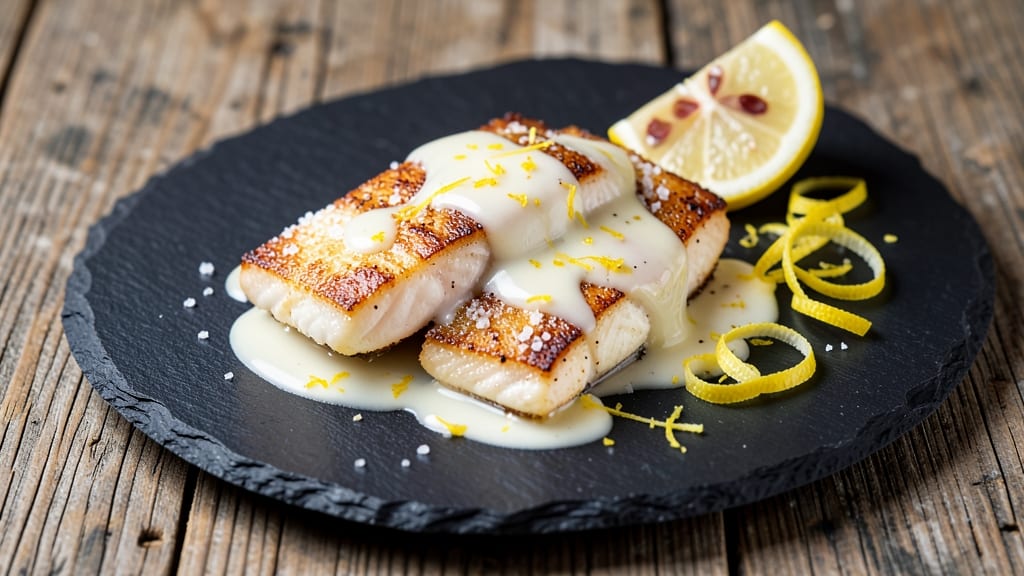
Gordon Ramsay's halibut recipe delivers the perfect balance of crispy skin and silky centers—exactly how it should be. Precision is everything when cooking delicate fish, and this method ensures restaurant-quality results every time. The secret lies in proper fish handling and high-heat searing to create that coveted texture while keeping the inside tender.
This recipe starts with fresh halibut fillets, seasoned simply with salt, pepper, and a touch of lemon zest—no overpowering flavors here. The key step is searing the skin-side down in a hot pan until golden and crispy, then flipping briefly to warm through.
A quick pan sauce with butter, white wine, and fresh herbs ties everything together for a dish that looks as impressive as it tastes.
What you'll achieve is a plate that rivals any fine-dining restaurant: perfectly crispy skin that shatters with each bite, giving way to tender, flaky flesh. The sauce adds brightness and depth, ensuring every mouthful is harmonious. This is seafood done right—simple yet sophisticated, with techniques you can master at home.
Serve with roasted asparagus or a fresh salad to complete the meal. The presentation matters just as much as the flavor, so focus on plating with confidence. Let's get cooking—this halibut deserves your attention.
Ingredients for gordon ramsay halibut
Six essential ingredients transform simple halibut into a restaurant-worthy masterpiece.
| Ingredient | Amount | Notes |
|---|---|---|
| Fresh Halibut Fillets 🐟 | 2 whole | Skin-on, center-cut, 6-8 oz each |
| Unsalted Butter 🧈 | 4 tbsp | Cold, cut into small cubes |
| Dry White Wine 🍷 | ½ cup | Sauvignon Blanc or Pinot Grigio |
| Lemon Zest 🍋 | 1 tsp | From organic lemon, finely grated |
| Fresh Lemon Juice 🍋 | 1 tbsp | Freshly squeezed |
| Kosher Salt 🧂 | 1 tsp | Fine grain, plus extra for seasoning |
| Freshly Ground Black Pepper 🌶️ | ½ tsp | Coarsely cracked |
| Fresh Parsley 🌿 | ¼ cup | Chopped, flat-leaf preferred |
| Garlic Cloves 🧄 | 2 cloves | Thinly sliced, peeled |
| Shallots 🧅 | 2 whole | Minced, small dice |
| Vegetable Oil 🫒 | 2 tbsp | High smoke point for searing |
| Heavy Cream 🥛 | ¼ cup | Full-fat for sauce richness |
The halibut is non-negotiable—center-cut fillets with skin are critical for that crispy crust. Whole Foods or your local fishmonger offer the freshest cuts; look for vibrant color and firm texture. If buying frozen, thaw overnight in the fridge—never in warm water. The butter should be cold and cubed for proper searing, and the white wine? Save the good stuff—none of that cooking wine nonsense. For the lemon, zest first, then juice—organic lemons have more flavor. The shallots and garlic are best minced just before cooking to preserve their freshness.
No white wine? Substitute extra chicken or fish stock—it won't be identical, but it works in a pinch. Fresh herbs like parsley can be swapped for tarragon or chives, but parsley's bright note is ideal. If you're short on time, pre-minced garlic and shallots from the jar work, though fresh is always better. For the butter, European-style unsalted (like Plugrá) adds extra flavor. The heavy cream can be swapped for half-and-half, though it'll be slightly lighter. And if you're really in a bind, a splash of milk will keep the sauce from breaking.
Halibut keeps best for 1-2 days in the fridge if uncooked—store skin-side down to preserve texture. The sauce can be made ahead and reheated gently on the stove. For leftovers, reheat only until warm—halibut dries out quickly. If you're prepping ahead, pat the fillets dry thoroughly before storing to prevent sogginess. The zest and herbs can be prepped 24 hours ahead and stored in airtight containers in the fridge.
Why You'll Love This Recipe
- I’ll be real: most fish leftovers are sad. Not this one. The sauce clings to the flakes, and reheating it gently keeps it moist—perfect for lunch the next day or freezing for when you’re too tired to cook. (And trust me, that happens.)
- Minimal Ingredient List: I swear by this recipe because it’s that simple—just five things: halibut, butter, wine, lemon, and patience (okay, mostly the first four). No chopping, no blending, no stress—just melt butter, add wine, and let the fish do the rest.
- Butter-Wine Magic: Between us, that butter-wine sauce is ridiculously good. The wine cuts through the richness while the butter keeps it luscious, and the lemon zest? It’s like a bright little hug for your taste buds—especially when the fish comes out tender with just a hint of crisp.
- Weeknight Dinner Hero: Honestly, this is my go-to when I need something fancy but fast. Serve it with roasted asparagus or a simple salad, and suddenly you’ve got a restaurant-quality meal that’s ready in 20 minutes. (Yes, even on a Tuesday night.)
Step-by-step instructions for gordon Ramsay's pan-seared halibut
Master this technique for restaurant-quality halibut with a perfect crispy crust and tender interior.
Prepare the Halibut and Sear for Crispy Skin
Pat the 2 whole fresh halibut fillets completely dry with paper towels - this is critical for achieving that crispy crust. Season both sides generously with 1 teaspoon kosher salt and 0.5 teaspoon freshly ground black pepper, pressing the seasoning into the flesh. Let the fillets sit at room temperature for 15 minutes while you prepare the pan.
Heat 2 tablespoons vegetable oil in a large skillet over medium-high heat until shimmering. Place the fillets skin-side down and press gently with a fish spatula for 10 seconds to ensure full contact. Cook undisturbed for 4-5 minutes until the skin is deep golden brown and crispy, and the edges begin to lift slightly. You'll smell the delicate fish aroma - this is your cue that the skin is properly rendered. Flip carefully and cook the flesh side for 3-4 minutes until it reaches an internal temperature of 125°F. Remove to a warm plate and tent loosely with foil to keep warm.
Build the Wine-Shallot Base
Reduce heat to medium and add 2 tablespoons cold unsalted butter to the same skillet, allowing it to foam and melt. Add the 2 minced shallots and cook for 2 minutes until softened. Add the 2 sliced garlic cloves and cook for 30 seconds until fragrant - be careful not to let them brown or they'll become bitter.
Pour in 0.5 cup dry white wine and scrape up any browned bits from the bottom of the pan with a wooden spoon. Simmer for 3-4 minutes until the wine reduces by half, leaving a glossy, concentrated sauce. This reduction is key for developing flavor without overpowering the delicate fish.
Finish with Cream and Lemon
Lower heat to medium-low and stir in 0.25 cup heavy cream, allowing it to warm through without boiling. Add 1 tablespoon fresh lemon juice and 1 teaspoon lemon zest, stirring constantly until the sauce thickens slightly but remains silky. Taste and adjust seasoning with additional salt or pepper if needed - the sauce should be bright and balanced.
Return the halibut fillets to the skillet, skin-side up, and spoon the sauce evenly over the top. Let them sit for 1-2 minutes to absorb the flavors. The sauce should coat the back of a spoon but remain pourable.
Garnish and Serve Immediately
Carefully transfer the halibut to serving plates, spooning the sauce over the top. Garnish with 0.25 cup chopped fresh parsley, distributing it evenly for both color and freshness. The parsley should be finely chopped to avoid overpowering the delicate fish presentation.
Serve immediately with the crispy skin facing up - this is the moment when all your efforts pay off. Each bite should deliver that perfect contrast of crispy skin and silky flesh, with the bright wine-lemon sauce cutting through the richness. The halibut should be just opaque in the center, indicating perfect doneness without being overcooked.
Pro Tips For Making Gordon Ramsay Halibut
- Pat Dry First: Halibut is delicate but absorbs moisture like a sponge—skip this, and your butter won’t stick. Use paper towels to blot both sides until they’re matte, not shiny. I learned this the hard way when my first batch turned out greasy instead of golden.
- Wine Reduction Matters: Don’t just pour the wine and walk away. Simmer it until it’s reduced by half—this concentrates the flavor and adds depth. A splash of cold butter at the end ties it all together. (Yes, even if you’re impatient like me.)
- Avoid Overcooking Butter: The butter should melt and caramelize, not burn. Keep heat medium and watch it like a hawk—once it turns nutty golden, it’s done. Burnt butter ruins everything, and no one wants that sad, bitter taste.
- Zest Before Juice: Add the lemon zest first when deglazing the pan—it infuses faster and brightens the wine. Save the juice for the end to keep the dish from getting too acidic too soon. Trust me, the balance is everything.
Storing and reheating this recipe
Refrigerator Storage
If you have leftover halibut, store it in an airtight container within 2 hours of cooking to preserve its delicate texture. Place the fillets skin-side down in the fridge at 40°F or below, where they’ll stay fresh for up to 2 days.
The sauce can be stored separately in the same container. Pat the fish dry thoroughly before refrigerating to prevent sogginess—this is key for maintaining that crispy skin integrity. 🍽️
Freezer Storage
For longer storage, freeze the cooked halibut in a single layer on a tray for 1 hour before transferring to a freezer-safe bag or container. Label with the date—halibut freezes well for up to 3 months.
When reheating, thaw overnight in the fridge and gently warm in a skillet over low heat for 2-3 minutes per side, adding a splash of water to prevent drying. Avoid microwaving—it ruins the texture.
Reheating Sauce
The wine-lemon sauce reheats beautifully on the stovetop. Gently warm it in a saucepan over medium-low heat, stirring constantly, until it reaches 160°F. If it thickens too much, add 1-2 teaspoons water to restore its silky consistency.
Never boil the sauce—this breaks the emulsion and dulls the flavors. Reheat just until warm, then adjust seasoning with a pinch of salt or a squeeze of lemon. ✨
Reviving Texture
If reheated halibut loses its crispiness, don’t stress—you can restore it. Place the fillets skin-side down in a cold, dry skillet over medium heat for 30-60 seconds until the skin re-crispifies.
This quick sear mimics the original technique and brings back that satisfying crunch. Serve immediately with a fresh drizzle of sauce to maintain the restaurant-quality experience.
Portioning for Leftovers
Divide leftovers into single portions before storing to make reheating easier. Use ramekins or small containers for individual servings, then reheat just one portion at a time. This prevents overcooking and keeps the halibut moist.
I like to reheat mine in a 350°F oven for 5-7 minutes on a wire rack—this method keeps the fish tender while warming through evenly. 💡
Sauce Make-Ahead Tip
Make the sauce ahead of time and store it separately in the fridge. When reheating, warm it gently and finish with a splash of fresh lemon juice to brighten the flavors.
The sauce can also be frozen for up to 1 month in an ice cube tray—just thaw and reheat as needed. This is a game-changer for meal prep, as it allows you to focus solely on cooking the fish fresh when ready to serve. 🍋
Nutrition facts
Frequently asked questions
How do I know when halibut is perfectly cooked?
The halibut is done when it reaches an internal temperature of 125°F and the flesh just begins to turn opaque. The skin should be golden brown and crispy, while the center remains tender. Overcooking will make it dry and rubbery—always use a meat thermometer for precision.
Can I substitute another type of fish for halibut?
Yes, but choose similar-textured fish like cod, snapper, or flounder. Avoid rockfish or mahi-mahi—they're too firm and won't yield the same delicate texture. If substituting, adjust cooking time slightly (halibut cooks faster than cod). The wine-lemon sauce works beautifully with all these options.
Why did my halibut skin not get crispy?
Most likely, your pan wasn't hot enough or the fish wasn't dry before cooking. For crispy skin, ensure your skillet is smoking hot and pat the fillets completely dry with paper towels. Press gently with a spatula for 10 seconds to maintain contact while searing.
How can I make this dish more elegant for dinner guests?
Presentation matters! Serve the halibut on a slate board or chilled plate with the crispy skin facing up. Add edible flowers, a drizzle of reduced wine sauce in a decorative line, and a lemon wedge on the side. Garnish with microgreens or a sprinkle of flaky sea salt for extra sophistication.
Is this recipe suitable for a wine pairing?
The bright acidity of the dish pairs perfectly with a crisp Sauvignon Blanc or a buttery Chardonnay. For red wine lovers, a light Pinot Noir complements the dish without overpowering the delicate fish flavors. Always serve chilled white wine at 45-50°F.