
Desserts
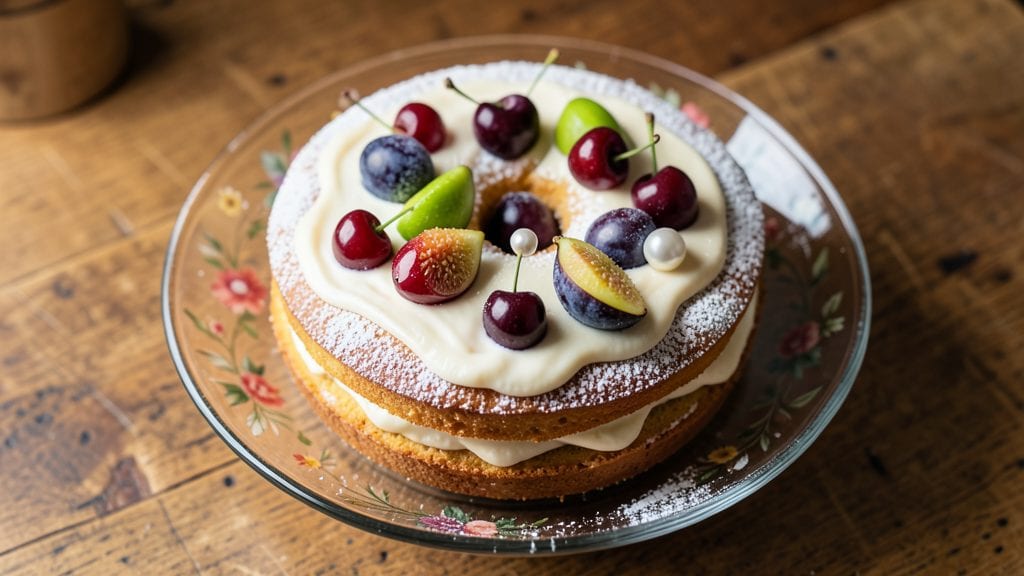
This Louisiana king cake recipe captures the vibrant spirit of Mardi Gras with its signature purple, green, and gold icing—each color representing justice, faith, and power. The dough combines brioche and yeast for a tender, slightly sweet base that's perfect for hiding that coveted trinket inside.
I've perfected the balance between a rich dough and a creamy filling, whether you choose traditional cream cheese or decadent praline.
The cultural significance of this cake goes beyond its delicious layers. Every bite connects you to New Orleans traditions, where these cakes are served during Carnival season, culminating in Fat Tuesday.
The hidden trinket—often a plastic baby—adds excitement, making each slice a potential winner. My version includes a foolproof method for sealing the layers tightly so the filling stays put during baking.
What you'll end up with is a beautifully decorated cake with a crispy, golden crust and a soft, fluffy interior. The icing stays vibrant and glossy, while the filling adds richness that complements the dough perfectly. This recipe delivers restaurant-quality results with a touch of Louisiana charm.
Serve during Mardi Gras celebrations or any festive gathering where you want to bring a taste of New Orleans to your table. The instructions include tips for achieving that perfect balance of sweetness and texture, ensuring your king cake is the centerpiece of any party.
Ingredients for louisiana king cake
Simple ingredients that transform into a Mardi Gras masterpiece with vibrant colors and rich flavors.
| Ingredient | Amount | Notes |
|---|---|---|
| Active Dry Yeast 🍞 | 2 ¼ tsp | One packet, dissolved in warm milk |
| Granulated Sugar 🍚 | ½ cup | Divided for dough and filling |
| Unsalted Butter 🧈 | 1 cup | Cold, cubed for dough |
| Large Eggs 🥚 | 2 whole | Room temperature |
| All-Purpose Flour 🌾 | 4 cups | Plus 2 tbsp for dusting |
| Milk 🥛 | ¾ cup | Warm, not hot |
| Salt 🧂 | 1 tsp | Kosher or sea salt |
| Cream Cheese 🧀 | 8 oz | Room temperature for filling |
| Purple Food Coloring 🎨 | 1 tsp | Gel-based for vibrant color |
| Green Food Coloring 🎨 | 1 tsp | Gel-based for vibrant color |
| Yellow Food Coloring 🎨 | 1 tsp | Gel-based for vibrant color |
| Powdered Sugar 🍚 | 3 cups | For icing |
| Heavy Cream 🥛 | ½ cup | For icing |
| Plastic Baby Figurine 👶 | 1 whole | Traditional Mardi Gras trinket |
The yeast is the heart of this dough—use fresh, high-quality from the bakery section, not the dusty can that's been sitting forever. Whole Foods or Trader Joe's have the best selection. For the butter, Land O'Lakes or Plugrá work perfectly, but don't use margarine (trust me on this). The flour should be King Arthur or Gold Medal for that tender texture. If you're feeling fancy, swap the cream cheese filling for praline paste—Duchess or Walmart's Great Value are solid options, but praline is worth the splurge for that authentic New Orleans touch.
No gel food coloring? Natural options like beet juice (purple), spinach (green), and turmeric (gold) work in a pinch, but the colors won't be as vibrant. Running low on powdered sugar? Sifted granulated sugar is a decent swap, but it won't be as smooth. The plastic baby? Party City or Amazon sell them in bulk—just make sure they're food-safe and small enough to hide easily. For the icing, if you can't find heavy cream, half-and-half works but won't be as glossy. And if you're curious, the dough can be made a day ahead—just let it rise again before baking.
This dough keeps beautifully—cover tightly with plastic wrap and refrigerate for up to 2 days. The filling can be prepped ahead too, just store it in an airtight container. Once baked, the cake stays fresh for 3 days at room temperature, wrapped in plastic. For the icing, if it starts to dry out, just add a splash of milk and re-whisk. The best part? Freeze the whole cake for up to 1 month—thaw at room temp before serving. And remember, the trinket is the real prize, so hide it well!
Why You'll Love This Recipe
- No Yeast Nightmares: I’ve made doughs that demand precision—this one’s forgiving. The yeast wakes up fast in warm milk and sugar, and even if I rush, that rich butter-egg combo smooths out any mistakes. (Yes, I’ve burned the timer before.)
- Sweet-Spiced Magic: That first bite of cinnamon-sugar crust melting into pillowy dough? It’s like a hug from Mardi Gras. The butter and eggs make it tender, while the sugar caramelizes just enough to taste like a bakery secret.
- Party Ready: Slice it for brunch, serve whole for dessert, or freeze half for when your friend cancels last-minute. The dough’s simple base means I can jazz it up with purple or green sugar (or just skip it—no one judges).
- Budget-Friendly Luxury: Five ingredients, one dough. No fancy mix-ins, just flour, butter, and a little patience. Leftovers? Toast them for French toast—trust me, it’s the best way to use up scraps.
Step-by-step instructions for Louisiana king cake
Here's how to make this festive Mardi Gras treat with vibrant colors and a delicious cream cheese filling.
Activate the Yeast and Prepare the Dough Base
In a small bowl, combine the 2.25 teaspoons active dry yeast with the 0.75 cup warm milk (about 110°F) and 1 tablespoon of the 0.5 cup granulated sugar. Let it sit for 5-10 minutes until frothy—this means your yeast is alive and ready to work. If it doesn't bubble, your yeast might be dead, and you'll need to start over.
In a large mixing bowl, combine the 4 cups all-purpose flour, 1 teaspoon salt, and the remaining 0.33 cup granulated sugar. Cut in the 1 cup cold unsalted butter using a pastry cutter or your fingers until the mixture resembles coarse crumbs with pea-sized butter pieces. This texture is crucial for creating a tender, flaky dough.
Mix and Knead the Dough
Add the yeast mixture to the flour-butter mixture and mix with a wooden spoon until a shaggy dough forms. Then add the 2 room temperature large eggs, one at a time, mixing well after each addition. The dough will start to come together when you add the second egg.
Turn the dough out onto a lightly floured surface and knead for 8-10 minutes until smooth and elastic. You'll know it's ready when it springs back slightly when poked. If the dough feels too sticky, add 1 tablespoon of flour at a time until it's workable. Shape into a ball, place in a lightly greased bowl, cover with a damp towel, and let rise in a warm place for 1-2 hours or until doubled in size.
Prepare the Cream Cheese Filling
While the dough rises, prepare the filling by beating the 8 ounces cream cheese with the 0.5 cup heavy cream until smooth and creamy. This should take about 2 minutes with an electric mixer. Spread the mixture onto a piece of plastic wrap and roll it into a log about 12 inches long and 2 inches wide. Twist the ends to seal, then refrigerate until ready to use.
This step is where the magic happens—don't skip the chilling. Cold cream cheese blends more smoothly, and the log shape makes it easy to roll into your king cake later. If the mixture is too soft, pop it back in the fridge for 10-15 minutes to firm up.
Shape and Decorate the Cake
Once the dough has doubled, punch it down and divide it into three equal portions. Roll each portion into a 12-inch long log. On a lightly floured surface, roll out one portion into a 12-inch circle about 1/8-inch thick. Spread the purple food coloring over the dough, leaving a 1-inch border around the edges. Repeat with the green and yellow food coloring for the other two circles.
Place the cream cheese log in the center of one of the colored circles. Roll the dough up gently but firmly, sealing the edges as you go. Pinch the seam to create a smooth cylinder. Repeat with the remaining two colored doughs and cream cheese log. These will be your three cake layers.
Assemble, Proof, and Bake
Place one of the decorated logs on a parchment-lined baking sheet. Gently press the plastic baby figurine into the side of the dough, about 2 inches from one end. This is where the fun begins—hide the baby somewhere in your cake! Stack the remaining two logs on top, sealing each seam with a bit of water or egg wash to help them stick.
Cover the assembled cake with a damp towel and let it rise for 30-45 minutes until puffy and almost doubled in size. Preheat your oven to 375°F while the cake proofs. Bake for 20-25 minutes until golden brown. Let it cool completely before slicing to reveal the hidden baby.
Pro Tips For Making Louisiana King Cake
- Proof the Yeast Warm: Dissolve the yeast in warm water (110°F) with a pinch of sugar first—wait 5-7 minutes for it to foam before adding other wet ingredients. I learned this the hard way when my dough failed because the yeast was still sluggish from cold butter.
- Soften Butter Properly: Use butter straight from the fridge, cut into small cubes—it should soften to the touch but not melt when mixed with sugar. After mixing, the dough will hold shape better, and you’ll avoid greasy hands or a sticky mess.
- Don’t Overwork the Dough: Once the dough comes together, resist the urge to knead it more than 5-6 minutes by hand. Overworking develops gluten too much, making the cake dense instead of light and airy—trust the stretch-and-fold method for that perfect texture.
- Use Room-Temp Eggs: Pull eggs out of the fridge 30 minutes before using—room temperature eggs blend smoother and incorporate better into the butter-sugar mix. Cold eggs can make the dough seize up, and you’ll end up with a less tender crumb.
Common mistakes when making your louisiana king cake
Overproofed Dough
One of the most common mistakes is letting the dough rise too long, which causes it to collapse or develop a dense, flat texture. The dough should double in size within 1-2 hours in a warm environment—any longer risks overproofing.
I keep my dough near a turned-off oven with the light on (about 80°F) for consistent results. If your kitchen is cold, use a proofing box or microwave a bowl of hot water nearby to maintain warmth. 🌡️
Uneven Color Distribution
Smearing the food coloring too thinly or unevenly can leave your cake looking patchy. Use gel-based food coloring (like Wilton or Americolor) and spread it generously over the dough, leaving only a 1-inch border for the natural dough color.
I like to use a pastry brush for even application. Avoid liquid coloring—it can make the dough soggy and dilute the vibrant hues.
Poor Sealing of Layers
If the layers don’t stick together during baking, your cake will fall apart. Seal each seam with a bit of egg wash (1 egg beaten with 1 tablespoon water) or a tiny dab of water.
Press the edges firmly as you roll the dough to create a tight seal. I also recommend chilling the assembled cake for 10 minutes before the final proof to help the layers hold together better. 💡
Skipping the Chill for Filling
Using warm cream cheese for the filling can cause it to melt and leak out during baking. Always chill the cream cheese log for at least 30 minutes before rolling it into the dough.
If the filling feels too soft, pop it back in the fridge for another 10-15 minutes. I’ve learned the hard way—warm filling turns a beautiful cake into a messy disaster!
Incorrect Baking Temperature
Baking at too high a temperature (400°F or above) can cause the outside to brown too quickly while the inside stays raw. Stick to 375°F for even baking.
Use an oven thermometer to confirm your oven’s accuracy—many home ovens run 25°F hotter than set. Rotate the cake halfway through baking for even golden-brown color.
Forgetting the Trinket
While it’s not a technical mistake, forgetting to hide the plastic baby is a classic oversight! Place the trinket about 2 inches from one end of the bottom layer to make it easier to find.
I like to press it in gently so it stays put during baking. Pro tip: Use a baby with a smooth, flat back to avoid poking through the dough. 👶
Nutrition facts
Frequently asked questions
What does the purple, green, and gold icing represent?
The vibrant colors symbolize Louisiana's Mardi Gras traditions: purple for justice, green for faith, and gold for power. This tricolor scheme is a must for authentic king cakes served during Carnival season, especially on Fat Tuesday. Each color carries deep cultural meaning while making the cake instantly recognizable.
Can I make this king cake without a yeasted dough?
While traditional recipes use a yeast-based brioche dough for that signature light, fluffy texture, you can adapt it with a pound cake or brioche mix. The flavor and structure won't be identical, but it'll still taste delicious. For best results, stick with the yeast dough—it's what gives king cakes their iconic texture and ability to hold the filling during baking.
How do I store leftover king cake?
Wrap the cake tightly in plastic wrap and store at room temperature for up to 3 days. For longer storage, freeze the whole cake (unfrosted) for up to 1 month. Thaw overnight in the fridge before serving. The filling stays fresh when properly sealed, and the dough maintains its moisture. Just avoid refrigerating before serving—it can make the texture gummy.
What can I substitute for cream cheese filling?
For a New Orleans twist, try praline paste or pecan filling instead of cream cheese. You can also use sweetened ricotta, lemon curd, or even fruit preserves for variety. Just ensure your filling is cold and firm before rolling it into the dough to prevent leaks during baking.
How do I know when the dough has risen enough?
The dough should double in size and feel light when pressed gently with one finger. If it springs back slowly (like a memory foam mattress), it's ready. For visual confirmation, place a toothpick in the center—if it leaves a small indentation that stays, your dough is perfectly proofed. Overproofing is easy to spot: the dough will collapse or feel hollow when pressed.