
Sauces & Condiments
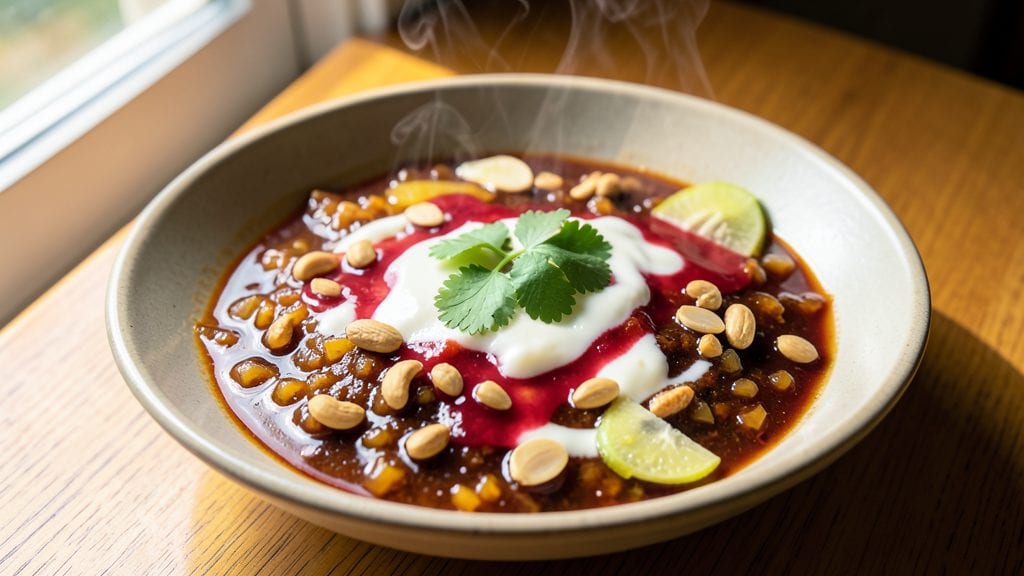
This Mozambique sauce recipe transforms simple ingredients into a bold, tropical heat that elevates grilled meats, rice dishes, or fresh vegetables in minutes. The combination of coconut milk, pineapple, and chili creates a sweet-spicy balance that’s both complex and approachable—perfect for those who love depth without complication.
I developed this version after years of experimenting with West African flavors, focusing on authenticity while keeping the process straightforward.
The sauce’s magic lies in its three-stage build: caramelizing onions and garlic for a rich base, blending in peanuts for nutty texture, and finishing with coconut milk and pineapple for that signature tropical brightness.
Unlike many sauces that require hours of simmering, this version comes together in under 30 minutes with minimal active time, making it ideal for weeknight dinners or last-minute entertaining.
What you’ll end up with is a glossy, aromatic sauce that’s equally at home as a dip for grilled shrimp or a vibrant side for roasted chicken. The peanuts add crunch, the chili brings heat, and the coconut-pineapple blend delivers a refreshing contrast that keeps every bite exciting.
This isn’t just a sauce—it’s a flavor experience that turns ordinary meals into something memorable.
Store it in the fridge for up to 5 days or freeze for longer shelf life, though I’ve never had a jar last that long. Double the batch—the first time you taste it, you’ll want it on everything. Let’s make this sauce!
Ingredients for mozambique sauce
Nine simple ingredients create this bold, tropical Mozambique sauce that transforms any dish.
| Ingredient | Amount | Notes |
|---|---|---|
| Yellow Onion 🧅 | 1 whole | Diced finely for even cooking |
| Garlic Cloves 🧄 | 4 cloves | Minced for aromatic base |
| Peanuts 🥜 | ½ cup | Toasted, unsalted preferred |
| Coconut Milk 🥥 | 1 can | Full-fat, 13.5 oz can |
| Pineapple Juice 🍍 | ½ cup | Freshly squeezed preferred |
| Fresh Ginger 🌿 | 1 tbsp | Grated, finely for smooth texture |
| Red Chili Flakes 🌶️ | 1 tbsp | Adjust for preferred heat level |
| Vegetable Oil 🫒 | 2 tbsp | For caramelizing onions |
| Soy Sauce 🍶 | 1 tbsp | Light or dark preferred |
| Brown Sugar 🍚 | 1 tbsp | Lightly packed for balance |
The coconut milk is the heart of this sauce—full-fat only (the canned kind with 13.5 oz). Thai Kitchen or Aroy-D brands have the creamiest texture. Toast your peanuts in a dry pan for 3-4 minutes until fragrant—they’ll add depth that raw peanuts can’t match. Fresh ginger is key here; look for knobby, firm roots at the grocery store, not fibrous or shriveled ones. The red chili flakes? Penzeys or Trader Joe's carry the best quality, but any brand works if it’s bright red and smells fresh. For the onion, yellow or white both work, but yellow adds a touch of sweetness that pairs perfectly with the pineapple.
No coconut milk? Substitute with 3/4 cup heavy cream plus 1/4 cup water—it won’t be identical, but it’ll save you. Running out of pineapple juice? Fresh pineapple purée works 1:1, or even mango purée in a pinch. The soy sauce can be swapped for coconut aminos if you’re avoiding gluten. Want more heat? Add 1/2 tsp cayenne with the chili flakes. The brown sugar can be omitted if you prefer less sweetness, but trust me—it balances the acidity beautifully. For the peanuts, cashews or almonds toasted work in a crunch pinch, though peanuts give that authentic Mozambique texture.
This sauce keeps for 5 days in the fridge sealed tightly—though I’ve never had a jar last that long. Freeze for up to 3 months if you’re planning ahead. I like to portion it into small jars for easy grab-and-go use. The flavor actually improves after a day or two as everything melds. Double the batch—once you taste it, you’ll want it on everything from grilled chicken to roasted veggies.
Why You'll Love This Recipe
- Pantry Magic: I swear by this sauce because it uses stuff I already have—no last-minute grocery runs needed. Sauté onions and garlic until soft, toss in peanuts and coconut milk, and boom: rich, nutty depth without extra effort.
- Sweet-Savory Balance: That pineapple juice cuts through the richness like a bright, tangy hug. The peanuts add crunch, coconut milk smooths it out, and suddenly, everything—grilled chicken, rice, even eggs—tastes like a vacation.
- Leftovers That Shine: This sauce begs to be made ahead. It thickens beautifully overnight, so I double the batch and use it for stir-fries, dipping, or even a quick soup base. No sad, watery leftovers here—just flavor waiting to happen.
- Budget-Friendly Luxury: Peanuts and coconut milk stretch this sauce far without breaking the bank. A single batch feeds four, and the ingredients cost less than takeout. Honestly, it’s the kind of recipe that makes me feel fancy while keeping my wallet happy.
Step-by-step instructions for Mozambique sauce
Here's how to build this vibrant sauce with layers of tropical sweetness and fiery depth.
Build the Aromatic Base
Heat the 2 tablespoons vegetable oil in a medium saucepan over medium heat. Add the 1 whole yellow onion and cook for 5-6 minutes until softened and beginning to caramelize at the edges—this develops the sauce's rich foundation. I like to stir occasionally to ensure even cooking without browning too quickly.
Add the 4 cloves garlic cloves and 1 tablespoon fresh ginger to the pan. Cook for 1-2 minutes until the garlic becomes fragrant and the ginger loses its raw bite. This aromatic trio forms the flavor backbone of the sauce, so don't rush this step. If the garlic starts to brown too quickly, reduce the heat slightly to prevent bitterness.
Add Heat and Sweetness
Stir in the 1 tablespoon red chili flakes and 1 tablespoon brown sugar, cooking for 30 seconds until the sugar begins to dissolve and the chili flakes become fragrant. This combination creates the signature balance of heat and sweetness that defines Mozambique sauce. I always taste at this stage to ensure the heat level suits your preference—adjust with more chili flakes if needed.
Pour in the ½ cup pineapple juice and bring the mixture to a gentle simmer. Let it reduce by about half—this concentrates the flavors and removes excess acidity. You'll notice the sauce becoming slightly syrupy as the liquid evaporates, which is exactly what we want for a well-balanced sauce.
Incorporate the Coconut and Peanuts
Add the 1 can coconut milk and 1 tablespoon soy sauce to the pan, stirring gently to combine. The coconut milk will create a creamy base while the soy sauce adds umami depth. Let the mixture simmer for 3-4 minutes until it begins to thicken slightly—this ensures the sauce coats properly without being watery.
In a small dry skillet, toast the ½ cup peanuts over medium heat for 2-3 minutes until golden and fragrant. This step enhances their nutty flavor and prevents them from becoming soggy in the sauce. Remove the peanuts from heat and immediately add them to the saucepan, stirring to distribute evenly throughout the mixture.
Simmer to Perfection
Reduce the heat to low and let the sauce simmer for 5-7 minutes, stirring occasionally. This final step allows all the flavors to meld together while the sauce thickens to an ideal consistency. You're aiming for a sauce that's smooth but still coats the back of a spoon—neither too thin nor too thick.
Taste and adjust the seasoning if needed. Some people prefer a touch more sweetness, while others like it slightly tangier. The sauce should balance sweet, spicy, creamy, and nutty flavors harmoniously. Once perfectly balanced, remove from heat and serve immediately over grilled meats, seafood, or rice.
Pro Tips For Making Mozambique Sauce
- TOAST THE PEANUTS: DESCRIPTION: Don’t just toss them in raw—dry-toast the peanuts in a pan over medium heat for 3-4 minutes until they’re golden and smell nutty. I learned this the hard way: skipping this step means your sauce will taste flat, like someone forgot to finish the job. (Yes, even if you’re impatient like me.)
- SWEAT THE ONIONS LOW: DESCRIPTION: Cook the onions on low heat until they’re translucent and starting to caramelize—about 8-10 minutes. Rushing this makes your sauce bitter, and no one wants that. Think of it like dating: slow and steady builds the best flavor.
- STRAIN THE PEANUT PASTE: DESCRIPTION: Blend the toasted peanuts with a splash of pineapple juice, then strain the paste through a fine-mesh sieve. This removes the gritty bits that turn your smooth sauce into a textured mess. I used to skip this, and my sauce always felt like it had sand in it.
- BALANCE THE ACID: DESCRIPTION: Taste the sauce before adding coconut milk—if it’s too sharp, mix in a little sugar or a pinch of salt. Pineapple juice is sneaky; it can overpower the richness of the peanuts and coconut if you’re not careful. (Your future self will thank you.)
Flavor customization for this recipe
Spice Level Control
Adjust the heat to your liking by tweaking the red chili flakes—start with 1 tbsp for mild heat, or add ½ tsp cayenne pepper for a fiery kick. I like using Penzeys brand chili flakes because they’re vibrant and less dusty than store brands.
For a smoky depth, add ¼ tsp smoked paprika alongside the chili. If you’re sensitive to heat, reduce the chili to ½ tbsp and boost the sweetness with an extra ½ tbsp brown sugar.
Sweet-Spicy Balance
The brown sugar is key to balancing the chili’s heat, but you can substitute with honey or maple syrup for a different twist. For a tangier profile, add 1 tsp lime juice at the end—it brightens the sauce and cuts through the richness.
If you prefer a deeper umami, swap the soy sauce for 1 tbsp fish sauce (common in Southeast Asian flavors). I often experiment with ½ tsp ground coriander for warmth.
Texture Variations
For a smoother sauce, blend the finished mixture in a food processor for 10-15 seconds—this removes the peanut crunch but keeps the creamy coconut base. If you love texture, toast 1 tbsp sesame seeds alongside the peanuts for an extra nutty crunch.
For a vegan version, use coconut aminos instead of soy sauce and ensure your coconut milk is certified vegan.
Fruit Infusions
Swap the pineapple juice for ½ cup mango purée or passion fruit pulp to change the tropical profile. A splash of guava nectar adds a floral sweetness that pairs beautifully with the coconut.
For a citrusy twist, add 1 tbsp orange zest while simmering—it enhances the brightness without overpowering the sauce. I’ve even used ½ cup coconut water instead of pineapple juice for a lighter texture.
Protein Swaps
Replace the peanuts with ½ cup toasted cashews for a richer, buttery flavor or ¼ cup crushed peanuts + ¼ cup almonds for a mixed-nut crunch. For a seafood-friendly version, add 1 tbsp fish sauce and a pinch of white pepper to complement grilled shrimp or salmon.
If you’re making this for a vegetarian dish, boost the umami with 1 tsp miso paste stirred in during the final simmer.
Regional Twists
In Mozambique, this sauce often includes tomato paste—add 1 tbsp to deepen the color and add a tangy note. For a West African variation, stir in ½ tsp ground nutmeg—it adds warmth that pairs well with spicy dishes.
A Thai-inspired version might include 1 tsp lemongrass paste and a pinch of white pepper for a fragrant twist. Each regional adaptation keeps the creamy, spicy core while adding local flavors.
Nutrition facts
Frequently asked questions
What makes this Mozambique sauce different from peanut sauce?
This sauce blends tropical coconut and pineapple with the classic peanut base, creating a sweet-spicy balance that's lighter and fruitier than traditional peanut sauce. The coconut milk adds creaminess, while the pineapple juice keeps it bright and refreshing—perfect for grilled dishes or seafood where you want vibrant flavors.
Can I make this sauce without coconut milk?
Yes! Substitute with 3/4 cup heavy cream + 1/4 cup water for a similar texture, though the flavor won't be identical. For a dairy-free version, use 1/2 cup Greek yogurt + 1/4 cup water—just simmer longer to thicken. The sauce will still work, but the tropical depth will be less pronounced.
How spicy is this sauce, and can I adjust it?
The recipe starts with 1 tbsp chili flakes for mild heat, but you can reduce to 1/2 tbsp for gentle warmth or add 1/2 tsp cayenne for serious heat. For smoky flavor, stir in 1/4 tsp smoked paprika. Always taste before serving—this sauce is meant to be balanced!
What's the best way to store leftover sauce?
Keep refrigerated in an airtight container for up to 5 days—the flavors actually improve over time! For longer storage, freeze in small portions (up to 3 months). Thaw overnight in the fridge, then gently reheat on low heat, stirring occasionally to restore smoothness.
What dishes pair best with this sauce?
This sauce shines with grilled meats (chicken, pork, or shrimp), rice dishes (like jollof or biryani), or as a dip for spring rolls. It also elevates roasted vegetables or tropical fruit plates—the sweet-spicy combo works surprisingly well with mango or pineapple. Try it on fish tacos for a West African twist!