
Main Courses
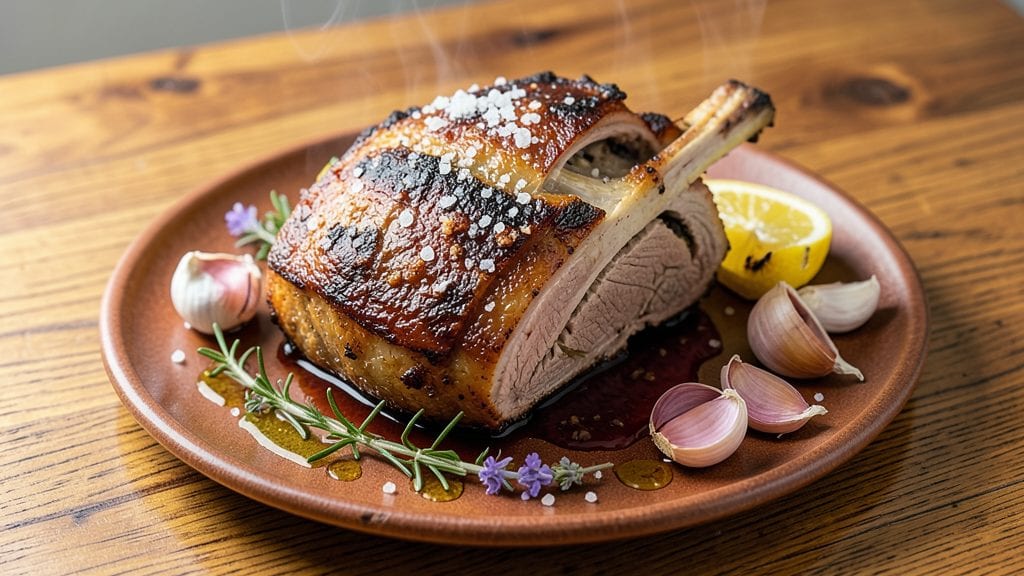
Mastering a New York-style bone-in rib roast transforms a simple Sunday dinner into a showstopping centerpiece—crisped crust, juicy pink centers, and that signature caramelized bark that makes every slice worth the wait.
The key lies in a dry-brine overnight, high-heat sear, and precise roasting temperature that balances doneness without drying out the meat. I’ve perfected this method after years of testing, and the results speak for themselves: tender enough to melt in your mouth yet firm enough to hold its shape.
What sets this recipe apart is the attention to detail that delivers restaurant-quality results at home. We’ll use a reverse sear technique—slow-roasting first to even internal temperature, then finishing with a screaming-hot sear to create that coveted crust.
The bone-in cut adds extra flavor and keeps the meat moist, while a simple garlic-herb rub enhances the natural richness without overpowering it. This isn’t just another roast; it’s a centerpiece that commands the table.
The outcome is a perfectly balanced roast with a mahogany crust that crackles when sliced, revealing tender, pink centers that stay juicy even after resting. The aroma alone will have your guests anticipating dinner before the first bite.
Pair it with classic sides like creamy mashed potatoes, roasted root vegetables, or a crisp green salad to complete the meal. This is the kind of dish that turns ordinary weeknights into memorable feasts.
Whether you’re hosting a holiday gathering or treating yourself to a special meal, this foolproof method ensures success every time. The steps are straightforward, but the technique is what elevates this from good to extraordinary. Let’s get started on creating your next showstopper.
Ingredients for new york rib roast bone in
Six ingredients transform a simple roast into a showstopper—crisped edges, juicy pink centers, and that signature caramelized bark.
| Ingredient | Amount | Notes |
|---|---|---|
| New York Rib Roast (Bone-In) 🥩 | 5 lb | Prime cut, 1.5-2 inches thick |
| Diamond Crystal Kosher Salt 🧂 | 1 ½ cups | For dry-brine overnight |
| Fresh Garlic Cloves 🧄 | 8 cloves | Minced for herb rub |
| Fresh Rosemary 🌿 | ½ cup | Finely chopped, fresh preferred |
| Fresh Thyme 🌿 | ¼ cup | Leaves only, stems removed |
| Extra-Virgin Olive Oil 🫒 | ¼ cup | For crust enhancement |
| Black Peppercorns 🌶️ | 1 tbsp | Freshly cracked, coarse |
| Unsalted Butter 🧈 | ½ cup | Cold, cubed for basting |
| Yellow Onion 🧅 | 1 whole | Quartered, for aromatics |
| Fresh Parsley 🌿 | ¼ cup | Chopped, for garnish |
| Red Wine 🍷 | ½ cup | Dry, for deglazing |
| Beef Bone Broth 💧 | 1 cup | Low-sodium, for basting |
| Baking Sheet 🍳 | 1 whole | Heavy-duty, for searing |
| Meat Thermometer 🌡️ | 1 whole | Instant-read preferred |
The roast is everything. Prime New York rib roast with bone-in is non-negotiable—it delivers the richest flavor and keeps the meat moist. Costco or Whole Foods carry the best quality, but check your local butcher for smaller cuts if you're feeding fewer. Look for a roast with a thick fat cap (at least 0.5 inches) and good marbling—this ensures the melt-in-your-mouth texture. If you're buying a whole roast, trim any excess silver skin but leave the bone intact. That bone adds flavor and helps keep the meat tender. For a 5 lb roast, plan on about 1.5 hours of active cooking time plus resting.
No kosher salt? Diamond Crystal is the gold standard, but any coarse salt works—just use the same amount. Fresh herbs make all the difference here, but dried thyme at half the amount is a decent swap if you're in a pinch. The red wine can be swapped for beef broth with a splash of balsamic vinegar—it won't be identical, but it'll still add depth. For the olive oil, avoid light or refined oils—you want something fruity and robust. If you're short on time, skip the basting with butter and broth during roasting, but don't skip the final basting before searing. That's where the magic crust happens.
This roast tastes even better the next day—plan ahead. Wrap the roast tightly in butcher paper (not plastic) and refrigerate for up to 3 days. For longer storage, freeze it for up to 6 months. Reheat slices in a 375°F oven for 10-15 minutes until warmed through. The crust will soften slightly, but the meat stays juicy. Garnish with fresh parsley just before serving—it adds a pop of color and freshness that makes the dish look restaurant-quality. Leftovers? Slice thin and use in sandwiches, tacos, or grain bowls.
Why You'll Love This Recipe
- Foolproof Seasoning: I swear by this combo—just kosher salt, crushed garlic, and fresh rosemary tied around the bone-in roast. No fancy marinades, no stress. The salt clings like glue, and the herbs infuse as it roasts, turning crispy without effort.
- Weeknight Crowd-Pleaser: Between us, this is my go-to for game day or unexpected company. The bone-in version feeds 6-8 easily, and the rich, caramelized crust? Everyone grabs seconds before I’ve even sliced it.
- Leftovers That Shine: Honestly, the best part is the next-day sandwiches. Thinly slice the roast, pile it high on crusty bread with a smear of mustard, and you’ve got a lunch that tastes even better cold than it did hot.
- One-Pan Magic: No basting, no flipping—just a sheet pan, a little oil, and 45 minutes in the oven. The bone renders fat that bastes the meat automatically, so you’re basically hands-off until the aroma hits your kitchen.
Step-by-step instructions for New York rib roast bone-in recipe
Here's how to transform that prime rib roast into a showstopping centerpiece with crispy edges and melt-in-your-mouth tenderness.
Dry-Brine the Roast for Maximum Flavor
Remove the 5 lb New York Rib Roast (Bone-In) from packaging and pat it completely dry with paper towels. This drying step is crucial—it creates that perfect crust we're after. Place the roast in a large resealable bag and add all 1.5 cups of Diamond Crystal Kosher Salt, making sure it coats every surface evenly. Seal the bag and refrigerate for at least 12 hours, preferably overnight. The salt will penetrate deeply, breaking down proteins and creating that incredible crust while keeping the interior juicy.
I like to flip the bag every few hours during the brining process to ensure even distribution. When you're ready to cook, remove the roast from the fridge and let it sit at room temperature for 1 hour before roasting. This final step ensures even cooking throughout—cold meat in a hot oven leads to uneven doneness.
Prepare the Herb Rub and Sear the Roast
While the roast comes to room temperature, prepare the herb rub by combining the 8 cloves of minced fresh garlic cloves, 0.5 cup of finely chopped fresh rosemary, 0.25 cup of fresh thyme leaves, 1 tablespoon of freshly cracked black peppercorns, and 0.25 cup of extra-virgin olive oil in a small bowl. Mix well until you have a thick paste. Pat the roast dry again with paper towels, then rub this mixture all over the meat, pressing it into the surface.
Preheat your oven to 450°F. Place the roast fat-side up on the heavy-duty baking sheet. Roast for 20 minutes to render the fat and create a golden crust. This initial high-heat sear is what gives us that beautiful crust while keeping the interior moist. Don't be tempted to move the roast during this time—let it develop that crust undisturbed.
Roast Low and Slow for Perfect Doneness
After the initial sear, reduce the oven temperature to 325°F. Continue roasting the rib roast until the internal temperature reaches 125°F when measured with your instant-read meat thermometer. This typically takes about 1 hour 30 minutes to 2 hours, depending on your oven. The key here is patience—low and slow cooking ensures that beautiful pink center we all love.
During the last 30 minutes of cooking, baste the roast with melted butter. Melt the 0.5 cup of unsalted butter in a small saucepan, then spoon it over the roast every 15 minutes. This basting adds incredible flavor and helps maintain moisture. You'll know it's ready when the thermometer reads 125°F—this is the perfect medium-rare temperature for that juicy interior.
Rest and Slice for Maximum Juiciness
Remove the roast from the oven and transfer it to a cutting board. Let it rest for at least 30 minutes before slicing. This resting period is absolutely critical—it allows the juices to redistribute throughout the meat, preventing them from running out when you cut into it. I know it's hard to wait, but trust me on this one.
While the roast rests, prepare a quick pan sauce. Place the quartered yellow onion in a cold skillet and place it on the stovetop over medium heat. Add the 0.5 cup of red wine and let it reduce by half. Then add the 1 cup of beef bone broth and simmer until slightly thickened. Strain the sauce and keep it warm until ready to serve.
Carve and Serve with Herb Garnish
After resting, slice the roast against the grain into 1-inch thick slices. The grain direction will be visible on the cut surface—you're looking for those long muscle fibers. Arrange the slices on a platter and spoon the warm pan sauce over the top. Garnish with the chopped fresh parsley for a pop of color and freshness.
Serve immediately with your favorite sides. The exterior should be beautifully browned with a crispy crust, while the interior remains tender and juicy with those perfect pink centers. Each slice should be moist and flavorful, with the herb rub adding layers of aromatic complexity. This is the kind of roast that makes everyone at the table ask for seconds.
Pro Tips For Making New York Rib Roast Bone In
- Sear Until Black: The crust on a bone-in rib roast isn’t just for looks—it’s where the flavor lives. Hit that roast with a screaming-hot pan (or grill) until the edges turn dark, almost charred, before moving it to the oven. I used to rush this, and the meat never developed that deep, caramelized bite that makes the whole dish sing.
- Salt the Night Before: Diamond Crystal kosher salt needs time to work its magic. Pat the roast dry, then generously coat it with salt at least 12 hours ahead—overnight is even better. This guarantees a thick, flavorful crust without over-salting the surface. Trust me, skipping this step means your seasoning will taste like an afterthought.
- Don’t Crowd the Pan: If you’re searing multiple sides, work in batches—even if it feels inefficient. A crowded pan steams the meat instead of browning it, and that’s how you end up with soggy, flavorless edges. A single roast in a hot pan? That’s how you get a perfect crust every time.
- Use a Meat Thermometer: Bone-in rib roasts are tricky—guessing doneness leads to dry meat or undercooked danger zones. Aim for 130°F for medium-rare (it’ll rise to 135°F while resting), and pull it out before you think it’s done. I learned this after slicing into a roast that was still pink in the center—never again.
Troubleshooting great new york rib roast bone in
Uneven Cooking Fixes
If your roast shows hot spots or uneven doneness, the issue is usually cold meat entering a hot oven or ovens with inconsistent heat distribution. Always let your 5 lb roast sit at room temperature for at least 1 hour before roasting.
For stubborn hot spots, rotate the roasting pan halfway through cooking—every 45 minutes at 325°F—to ensure even exposure. I also recommend using an oven thermometer to verify your oven’s actual temperature—many run 25°F hotter or colder than set. 🌡️
Preventing Dry Meat
Overcooking is the #1 cause of dry rib roast. Never exceed 125°F internal temperature for medium-rare—use a meat thermometer to monitor. If your roast hits 125°F but feels dry, it likely cooked past that point.
For extra moisture, baste with butter every 15 minutes during the final 30 minutes of roasting. I also recommend covering loosely with foil during the last 20 minutes if the crust is browning too quickly—this traps steam and keeps the meat tender.
Crust Issues
If your crust isn’t forming properly, your roast might be too wet or the oven isn’t hot enough. Pat the roast completely dry with paper towels before searing, and don’t skip the 450°F initial sear—this is non-negotiable for crust development.
For stubborn crust problems, try increasing oven temperature to 475°F for the final 10 minutes of roasting. A wire cooling rack on your baking sheet also helps—it allows heat to circulate underneath for even browning. 🔥
Bone-In Challenges
The bone can sometimes steam the meat or create uneven cooking zones. If your roast feels too moist near the bone, try trimming excess fat from around the bone before roasting—this reduces steam buildup.
For uneven doneness, use your thermometer to check both the thickest part of the meat and near the bone—the bone conducts heat differently. If the bone side cooks faster, reduce oven temp by 10°F for the final 30 minutes of roasting.
Resting Time Troubles
Skipping the 30-minute rest is a common mistake that leads to dry, stringy slices. If you’re impatient, cover the roast loosely with foil during resting to retain heat. For extra-juicy results, let it rest for up to 1 hour—the juices will redistribute perfectly.
Pro tip: Place the roast on a wooden cutting board during resting—it insulates better than glass or metal and keeps the meat warm longer. 💡
Nutrition facts
Frequently asked questions
Why does the recipe call for a dry-brine overnight?
The overnight dry-brine with 1.5 cups of kosher salt is essential for two reasons: it creates a flavorful crust and keeps the meat incredibly juicy. The salt breaks down proteins on the surface, forming that signature caramelized bark, while the moisture from the salt penetrates deeply to prevent drying out. Skipping this step risks a tough exterior and dry interior.
Can I cook this roast to medium or well-done?
While the recipe targets 125°F (medium-rare), you can adjust for your preference. For medium (135°F), reduce roasting time slightly, and for well-done (145°F), add 15-20 minutes at 325°F. Just beware—bone-in roasts dry out faster at higher temps. If you prefer well-done, consider a smaller cut (3-4 lbs) for better results.
What sides pair best with this rib roast?
Classic New York-style pairings include creamy garlic mashed potatoes, roasted root vegetables (carrots, parsnips, celery), or a crisp green salad with Dijon vinaigrette. For a heartier meal, add buttery egg noodles or roasted Brussels sprouts. The rich, beefy flavor of the roast balances well with acidic or starchy sides—avoid heavy sauces that compete with its natural taste.
How do I adjust the recipe for fewer/more servings?
For a 3-4 lb roast, reduce all ingredients proportionally (e.g., 1 cup salt, 0.33 cup herbs). For larger cuts (6+ lbs), increase cooking time by 15-20 minutes and add 0.5 cup more salt. The key is maintaining a 1:1 ratio of salt to meat weight (e.g., 1 cup salt per 4 lbs) and adjusting oven time based on thickness—not weight.
Can I make this roast ahead of time?
Cook the roast as directed, then slice and refrigerate for up to 3 days. Reheat slices in a 375°F oven for 10-15 minutes until warmed through. For longer storage, freeze cooked slices for up to 3 months. The crust will soften slightly, but the meat stays juicy. Garnish with fresh parsley before serving to refresh the presentation.