
Main Courses
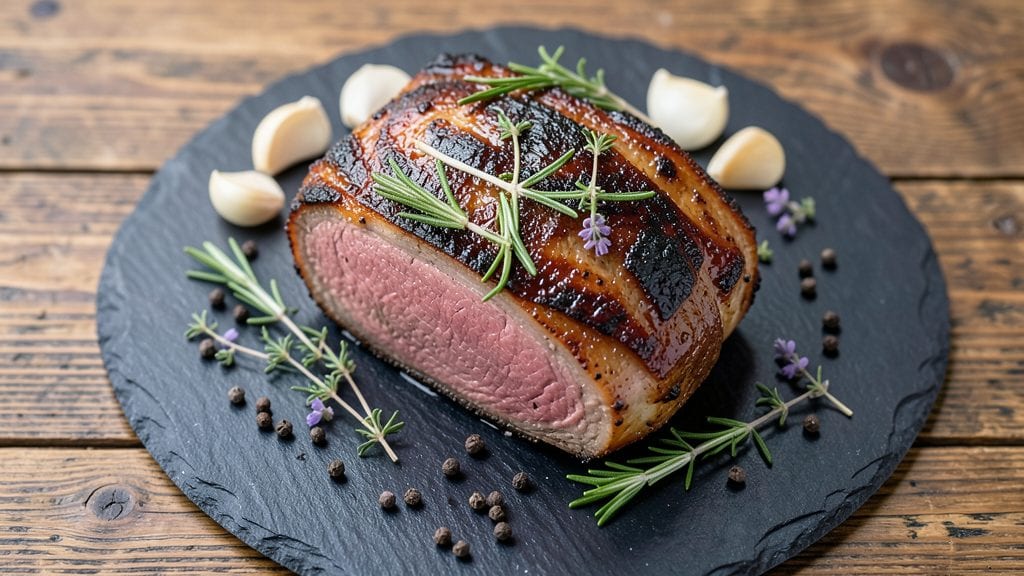
Master this restaurant-style prime rib roast recipe—home-cooked perfection is easier than you think when you follow the same pro techniques. The secret lies in dry-brining the roast overnight and roasting it low-and-slow before finishing with a high-heat sear, all while keeping it submerged in its own aromatic au jus bath.
This method transforms tough beef into melt-in-your-mouth perfection with a glossy, caramelized crust.
What sets this recipe apart is the au jus bath, which infuses the meat with deep, savory flavors while maintaining moisture. The dry-brine step enhances tenderness by breaking down muscle fibers, while the reverse sear ensures a perfectly pink interior with a crisp exterior.
Even if you've never cooked prime rib before, this method delivers restaurant-quality results every time.
The final product is a fork-tender roast with a rich, flavorful au jus that can be served alongside or drizzled over each slice. The crust will be deep mahogany with a crackling texture, while the interior remains juicy and buttery.
This is the kind of dish that commands attention at the table and leaves guests asking for seconds.
Pair it with classic sides like roasted garlic mashed potatoes or a crisp green salad to complete the meal. The techniques here aren't just for special occasions—they're the foundation for mastering prime rib like a pro. Let's get started on creating your showstopping centerpiece.
Ingredients for restaurant style prime rib roast
Six ingredients make the difference between tough and tender prime rib perfection.
| Ingredient | Amount | Notes |
|---|---|---|
| Prime Rib Roast (Bone-In) 🥩 | 4 lb | Center-cut, 1.5-inch thickness |
| Kosher Salt (Diamond Crystal) 🧂 | ½ cup | For dry-brine, coarse grain |
| Black Peppercorns (Freshly Cracked) 🌶️ | 2 tbsp | Coarse grind preferred |
| Fresh Thyme Sprigs 🌿 | 8 whole | Organic preferred, stems intact |
| Fresh Rosemary Sprigs 🌿 | 4 whole | Woodsy variety, stems intact |
| Garlic Cloves 🧄 | 8 cloves | Smoked if available |
| Unsalted Butter (European Style) 🧈 | ½ cup | 82% fat content preferred |
| Red Wine (Dry, Bold) 🍷 | 1 cup | Cabernet Sauvignon preferred |
| Beef Bone Broth (Homemade) 🥘 | 1 ½ cups | Rich, collagen-based preferred |
| Yellow Mustard 🍯 | 1 tbsp | Dijon for depth of flavor |
| Fresh Parsley Sprigs 🌿 | ¼ cup | For garnish, flat-leaf preferred |
| Extra-Virgin Olive Oil 🫒 | 2 tbsp | For searing, peppery variety |
The prime rib is non-negotiable—center-cut, bone-in delivers the best marbling and flavor. Costco or Whole Foods carry the best quality, but ask your butcher for a 1.5-inch thick cut if they don't. Look for vibrant color and good marbling—this is your prime rib quality indicator. The bone helps conduct heat evenly, while the thickness ensures a perfect crust without overcooking. If you can't find bone-in, a thick bone-out roast works too. The Kosher salt? Diamond Crystal is ideal—it dissolves slower, giving you better control over the dry-brine.
No red wine? Beef broth plus 1 tbsp balsamic vinegar works in a pinch, but the acidity won't be as balanced. Fresh thyme and rosemary can be swapped for 1 tbsp each of dried thyme and rosemary, but fresh has that restaurant-quality aroma. The butter matters—European-style with 82% fat gives you that rich, velvety au jus. Short on time? Substitute 0.25 cup beef fat for the butter, but it won't be as flavorful. The garlic can be roasted ahead of time for extra depth—just toss whole cloves in olive oil at 400°F for 15 minutes.
The dry-brine needs 12-24 hours in the fridge—don't rush it. Store the roast on a wire rack over a tray to catch drips. The au jus keeps for 5 days in the fridge or 3 months frozen. For leftovers, reheat gently in a pot with a splash of broth. The crust is best served immediately, so plan to carve right after roasting. If you're feeding a crowd, make the au jus ahead—it only gets better as flavors meld.
Why You'll Love This Recipe
- I’ll be real: most prime rib leftovers turn out tough or bland. Not this. The bone-in method keeps it juicy for days, and the fat cap means every reheat tastes like it just came out of the oven. Freeze half for later, or repurpose it into a ridiculously good breakfast hash. Practical? Absolutely. Delicious? Even more so.
- Two-Ingredient Magic: The secret’s in the salt and pepper—just Diamond Crystal kosher salt and freshly cracked black peppercorns transform that prime rib into something restaurant-worthy. Honestly, I swear by the bone-in cut; it renders so much richer fat while you roast, and the crust? Chef’s kiss. No fancy rubs, no stress—just these two things and time.
- Crowd-Pleasing Crust: That deep, caramelized crust on the outside? It’s all about the high heat and patience. My kids still fight over the edges, and I’ve never met an adult who doesn’t pause mid-bite to groan. The rosemary and thyme infuse the fat as it melts, so every slice has that herbal richness—no dryness, no guesswork.
- Holiday or Tuesday Night: Between us, this roast is my go-to for Thanksgiving and lazy Sundays. Slice it thin for sandwiches, dice the leftovers into hash the next day, or serve it with mashed potatoes and roasted veggies—it works everywhere. And the bone? Perfect for broth or soup later. No waste, just flavor.
Step-by-step instructions for restaurant-style prime rib roast
Here's how to achieve that legendary, melt-in-your-mouth prime rib with a rich au jus bath.
Dry-Brine the Prime Rib Overnight
Remove the prime rib roast from packaging and pat it completely dry with paper towels—this is non-negotiable for crispy bark. In a large bowl, combine the 0.5 cup kosher salt and 2 tablespoons freshly cracked black peppercorns. Gently rub this mixture all over the roast, working it into the crevices and cavity. The salt will penetrate deeply during the brining process, ensuring perfect seasoning throughout.
Place the seasoned roast on a wire rack set over a rimmed baking sheet to allow air circulation on all sides. Cover loosely with plastic wrap and refrigerate for 24 hours. This dry-brine method creates an incredible crust while keeping the meat impossibly tender. Don't skip this step—it's what separates home-cooked from restaurant-quality prime rib.
Sear the Roast for Maximum Flavor
Remove the roast from the refrigerator 1 hour before cooking to bring it to room temperature. Preheat your oven to 450°F and position a rack in the lower third of the oven. Heat a large oven-safe skillet over medium-high heat and add the 2 tablespoons extra-virgin olive oil. Once shimmering, add the roast fat-side down and sear for 5 minutes until deeply browned. Flip and sear the other side for another 5 minutes. The goal is to develop that beautiful mahogany crust that traps all the juices inside.
Transfer the skillet to the preheated oven and continue roasting for 15 minutes. This initial high-heat sear creates the foundation for your restaurant-style crust while jumpstarting the cooking process. The roast will develop a rich, caramelized exterior that's essential for that professional presentation.
Create the Au Jus Bath
While the roast sears, prepare the au jus mixture in a separate saucepan. Melt the 0.5 cup unsalted butter over medium heat, then add the 8 whole thyme sprigs, 4 whole rosemary sprigs, and 8 garlic cloves. Cook for 2 minutes until fragrant. Deglaze the pan with the 1 cup red wine, scraping up any browned bits that contain concentrated flavor. Simmer for 3 minutes until reduced by half.
Add the 1.5 cups beef bone broth and 1 tablespoon Dijon mustard, then bring to a gentle simmer. Keep this mixture warm while you finish cooking the roast. The mustard adds depth while the bone broth ensures a rich, velvety sauce that will bathe your prime rib during the final stages of cooking.
Finish with Low-and-Slow Precision
Remove the roast from the oven and increase the oven temperature to 325°F. Pour the warm au jus mixture into the skillet with the prime rib, creating a bath that will keep the meat moist. Return to the oven and cook for 2 to 2.5 hours, or until the internal temperature reaches 125°F for medium-rare. The au jus bath ensures the roast stays impossibly tender while developing that perfect crust.
Here's the pro tip: The roast will continue cooking slightly after removal, so pull it out when it hits 125°F for medium-rare. Let it rest for 15 minutes before carving—this resting period allows the juices to redistribute, ensuring each slice is as tender as the first.
Garnish and Serve with Confidence
Using a sharp carving knife, slice the prime rib against the grain into 1-inch thick portions. Arrange the slices on a warm platter and spoon the reduced au jus over the top. Garnish with the 0.25 cup fresh parsley sprigs for a pop of color and freshness. The au jus should be rich and velvety, clinging beautifully to each slice of perfectly cooked prime rib.
Serve immediately with classic sides like roasted garlic mashed potatoes or a crisp green salad. The combination of the tender, juicy meat and the luxurious au jus will have everyone asking where you learned to cook like this—because this is truly restaurant-style prime rib at home.
Pro Tips For Making Restaurant Style Prime Rib Roast
- Sear Bone-Side First: That bone side needs all the love—get it screaming hot in a dry pan for 8-10 minutes before flipping. I used to rush this and ended up with a sad, pale crust. The bone renders fat and builds flavor, so don’t skimp.
- Crush Pepper Like You Mean It: Freshly cracked black peppercorns make a real difference—don’t just sprinkle whole sprigs. Use a mortar and pestle or roll them on your palm to break them open. I learned this after tasting a bland rib where the pepper was just decoration.
- Salt the Night Before: Generously coat the prime rib with Diamond Crystal salt at least 12 hours ahead. It seasons deeper and pulls moisture to the surface for that perfect crust. (Yes, even if you’re impatient like me—just do it.)
- Rest Under Foil: After roasting, tent the rib with foil and let it sit for 15-20 minutes. I used to cut into it too soon, and the juices pooled out like a sad, greasy puddle. This keeps everything locked in—your future self will thank you.
Common mistakes when making this dish
Overcooking the Roast
Prime rib is forgiving, but pushing it past 130°F internal temperature turns tender meat into chewy disappointment. I've seen home cooks walk away from the oven only to find their roast dry and tough.
Use a meat thermometer—I recommend the Thermoworks Smoke—and pull it at 125°F for medium-rare. The residual heat will bring it to 130°F while resting, giving you that perfect pink center. 🌡️
Skipping the Rest
Rushing to carve immediately after removing the roast from the oven is a rookie mistake that drains all the juices. I've watched guests impatiently slice into prime rib only to find dry, unappetizing slices.
Always let it rest for 15-20 minutes—this allows the juices to redistribute throughout the meat. Cover it loosely with foil to keep it warm during resting.
Using Bone-In Without Planning
Bone-in prime rib is fantastic, but it requires extra care during cooking. The bone acts as a heat sink, meaning it can cool the surrounding meat if not managed properly. I've seen home cooks struggle with uneven cooking because they didn't account for this.
When searing, place the roast bone-side up to allow even heat distribution. Also, trim excess fat to prevent flare-ups that can burn the crust.
Neglecting the Au Jus
The au jus isn't just for flavor—it's what keeps your prime rib moist during the long cook. I've seen cooks pour the au jus into the pan and forget about it, only to find their roast sitting in lukewarm liquid instead of a flavorful bath.
Keep the au jus warm on the stovetop while the roast cooks, and pour it into the pan just before the final cooking stage. The heat from the oven will gently reduce it, creating a rich, velvety sauce.
Improper Searing Technique
A weak sear means a weak crust, and that's where most home-cooked prime rib falls short. I've tried countless versions where the roast was barely browned, resulting in a pale, unappetizing exterior.
For that restaurant-quality mahogany crust, sear the roast over medium-high heat for 5 minutes per side until deeply browned. Use a heavy skillet—Lodge cast iron is my go-to—and don't crowd the pan. Let the fat render slowly for maximum flavor development.
Wrong Temperature Settings
Jumping straight to 325°F without proper searing is a common mistake that leads to uneven cooking. I've seen cooks set the oven to low heat immediately, resulting in a roast that's cooked unevenly with a pale crust.
The secret is the two-stage cook: First, sear at 450°F for 15 minutes, then drop to 325°F for the low-and-slow finish. This ensures a perfect crust and even cooking throughout.
Nutrition facts
Frequently asked questions
Why does prime rib need dry-brining?
The dry-brine method enhances tenderness by breaking down muscle fibers and creates a perfect crust through Maillard reaction. The salt penetrates deeply during the 24-hour process, ensuring even seasoning without making the meat overly salty. This technique is what gives restaurant-style prime rib its signature texture and flavor.
Can I substitute red wine in the au jus?
Yes, but the flavor will differ. For a quick substitute, use 1 cup beef broth plus 1 tablespoon balsamic vinegar. For deeper flavor, try 1 cup beef broth with 1 teaspoon soy sauce. The wine adds acidity and complexity, but these alternatives work in a pinch. The key is balancing the liquid with the beef broth base.
How do I know when the prime rib is done?
Use a meat thermometer for accuracy. For medium-rare, pull the roast at 125°F internal temperature—it will rise to 130°F while resting. The au jus bath helps maintain moisture, so don't overcook. A perfectly cooked slice should have a pink center with a warm exterior.
What's the best way to reheat leftover prime rib?
Slice the prime rib and reheat in a skillet with a splash of beef broth or au jus over low heat for 3-5 minutes per side. Avoid microwaving—it makes the meat tough. For leftovers, store the roast in the au jus to keep it moist. The crust won't be as crispy, but the meat will remain tender and flavorful.
Can I make this recipe with a bone-out roast?
Bone-out roasts cook slightly faster and more evenly. Use the same temperature guidelines but reduce the cooking time by 10-15 minutes. The au jus method still works perfectly—just ensure the roast is fully submerged in the liquid. The bone adds flavor, but a well-marbled bone-out cut delivers excellent results too.