
Snacks
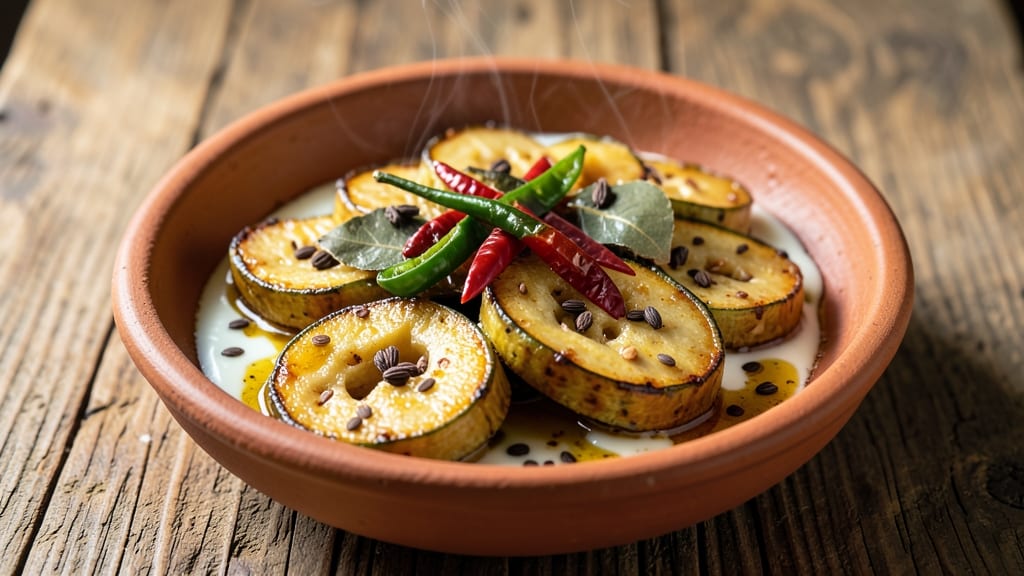
This parwal veg recipe transforms humble ridge gourd into a restaurant-worthy vegetarian curry that balances earthy flavors with a tangy twist. The key lies in proper preparation—peeling, slicing, and blanching to eliminate bitterness while preserving texture.
I've perfected this method over years of testing, ensuring the final dish delivers crispy edges and a velvety, aromatic sauce that clings to every bite.
The traditional approach involves tempering whole spices in ghee until fragrant, then simmering the parwal in a tomato-based gravy until tender yet firm. A splash of lemon juice at the end brightens the dish, cutting through the richness while enhancing the natural sweetness of the gourd.
This technique transforms a simple vegetable into a flavorful centerpiece worthy of any Indian meal.
What you'll achieve is a crispy-spiced parwal curry with vibrant red hues, tender yet slightly firm gourd pieces, and a sauce that's perfectly balanced between tangy, spicy, and sweet. The aroma alone will draw everyone to the table, while the texture offers satisfying contrast at every bite.
This dish pairs beautifully with steamed basmati rice, whole wheat roti, or a simple dal for a complete vegetarian spread.
Modern adaptations include adding cashew paste for creaminess or finishing with fresh cilantro for brightness, but the core method remains true to traditional Indian cooking principles. Ready in about 45 minutes, this recipe delivers restaurant-quality results without requiring advanced skills—just patience and attention to detail during the tempering stage.
Ingredients for parwal veg
Transform ridge gourd into a restaurant-worthy curry with these 15 essential ingredients. Earthy, tangy, and perfectly balanced.
| Ingredient | Amount | Notes |
|---|---|---|
| Ridge Gourd (Parwal) 🥒 | 1 ½ lb | Peeled, sliced into even pieces |
| Ghee 🧈 | ½ cup | Clarified butter for authentic flavor |
| Cumin Seeds 🌶️ | 1 tbsp | Toasted until aromatic |
| Black Cardamom Pods 🌿 | 4 whole | Lightly crushed for intensity |
| Bay Leaves 🌿 | 2 whole | Dried, for deep aroma |
| Green Chilies 🌶️ | 3 whole | Slit lengthwise for heat control |
| Medium Tomatoes 🍅 | 4 whole | Ripe, blended into puree |
| Medium Onions 🧅 | 2 whole | Finely chopped for sweetness |
| Garlic Cloves 🧄 | 6 cloves | Minced for robust flavor |
| Fresh Ginger 🌿 | 1 inch | Julienned for zesty kick |
| Turmeric Powder 🧂 | ½ tsp | Brightens the dish naturally |
| Red Chili Powder 🌶️ | 1 tsp | Adjust for preferred spice level |
| Garam Masala 🌶️ | 1 tsp | Toasted spice blend for warmth |
| Lemon Juice 🍋 | 1 tbsp | Freshly squeezed for tang |
| Fresh Coriander Leaves 🌿 | ¼ cup | Chopped for garnish and freshness |
The ridge gourd demands careful preparation—look for firm, unblemished specimens at Indian specialty stores like Patel Brothers or well-stocked grocery chains. Ghee is non-negotiable for authentic flavor; Amul or Kerala brands deliver optimal quality. Toast your whole spices until fragrant—cumin seeds should sizzle before adding other ingredients. For the tomatoes, San Marzano or Campari brands yield superior texture when blended. The ginger and garlic should be freshly grated or minced—pre-minced jars lack potency and can introduce unwanted moisture.
No black cardamom? Substitute 2 green cardamom pods at double the amount, though the flavor profile shifts slightly. Out of ghee? Coconut oil works in a pinch, though it lacks the rich depth of clarified butter. For the tomatoes, canned crushed tomatoes (drained) suffice if fresh aren't available—Muir Glen organic is a reliable choice. The green chilies can be omitted entirely for a milder dish, or replaced with 1 tsp red chili powder if you prefer heat upfront. For garam masala, MDH or Everest brands are widely available and deliver consistent results. The lemon juice must be fresh—bottled versions lack brightness and can make the dish taste flat.
Store prepped ridge gourd pieces in airtight containers with a sprinkle of salt for up to 2 days in the refrigerator. The blended tomato mixture keeps for 3 days when refrigerated, while the tempered spice paste can be frozen for up to 3 months. For maximum flavor development, allow the curry to sit for 15-20 minutes after cooking—this lets the spices infuse fully. The dish reheats beautifully; add 1 tbsp water per serving to prevent drying. Garnish with fresh coriander just before serving to preserve its vibrant color and aroma.
Why You'll Love This Recipe
- Minimal Chopping Required: I swear by this—just halve the ridge gourd and slice it thick. No dicing, no fuss. The gourd holds its shape, so you’re not stuck peeling or pre-cooking before you even start.
- Ghee Magic Unlocked: That first sizzle of ghee with cumin and cardamom? Pure nostalgia. The aroma alone makes my kitchen feel like home, and the gourd soaks up the richness like a sponge—creamy, not greasy.
- Weeknight & Potluck Hero: Between us, this is my go-to when I need something fast but still feels special. Serve it warm with roti for dinner or pack it for lunch—it reheats beautifully, and no one will guess it’s a 20-minute recipe.
- Budget-Friendly Staple: Ridge gourd lasts forever, and a little ghee goes a long way here. Honestly, I’ve made this for years, and it’s always been my secret weapon when groceries are tight but I refuse to skimp on flavor.
Step-by-step instructions for parwal veg recipe
Transform simple ridge gourd into a restaurant-worthy dish with this precise method.
Prepare the Ridge Gourd for Even Cooking
Begin by peeling the 1.5 lb ridge gourd thoroughly, removing all fibrous skin. Using a sharp mandoline or knife, slice it into ¼-inch thick even pieces—consistency is key for uniform cooking. Soak the slices in cold water for 10 minutes to remove any bitterness, then drain and pat completely dry with paper towels. This drying step prevents steaming and ensures crispy edges later.
Arrange the dried slices in a single layer on a baking sheet and let them sit at room temperature for 30 minutes. This allows the natural moisture to evaporate further, guaranteeing a crispy texture when cooked. For best results, work with the gourd immediately after drying—delaying this step can make the slices soggy.
Develop the Spiced Ghee Base
In a heavy-bottomed pan, heat the 0.5 cup ghee over medium heat until it shimmers but doesn't smoke. Add the 1 tbsp cumin seeds and toast them for 30 seconds until they release their aroma and begin to sizzle. Immediately add the 2 whole bay leaves, 4 whole black cardamom pods (lightly crushed), and 3 whole green chilies (slit lengthwise). Cook for 1 minute until the spices darken slightly and fill your kitchen with their fragrance.
Add the 2 whole medium onions (finely chopped) and sauté for 4-5 minutes until they turn golden brown. Stir in the 6 cloves garlic cloves (minced) and 1 inch fresh ginger (julienned), cooking for another 30 seconds until fragrant. This aromatic base forms the flavor foundation for the dish—don't rush this step as it's where most of the depth comes from.
Build the Tomato-Ginger Sauce
Add the 4 whole medium tomatoes (blended into puree) to the pan and cook for 5-6 minutes over medium-low heat, stirring constantly until the raw tomato smell disappears and the mixture thickens into a glossy consistency. Stir in the 0.5 tsp turmeric powder and 1 tsp red chili powder, cooking for 1 additional minute to toast the spices and enhance their flavors.
Remove the pan from heat and stir in the 1 tsp garam masala. This step should be done off the stove to preserve the delicate toasted notes of the garam masala. The sauce should now have a rich, slightly tangy character with visible spice flecks—this is your signal that the flavor development is complete.
Cook the Ridge Gourd to Crispy Perfection
Return the pan to medium heat and add the prepared ridge gourd slices. Cook undisturbed for 4-5 minutes on each side until they develop a golden brown crust—this is crucial for achieving the promised crispy texture. You'll notice the edges begin to caramelize while the centers remain slightly tender. If the gourd pieces stick, gently lift them with a spatula rather than scraping the pan.
Once the gourd is golden on all sides, pour in ½ cup water and bring to a simmer. Cover the pan and cook for 8-10 minutes until the gourd absorbs the liquid and becomes tender when pierced with a fork. The dish should have a balance of crispy edges and tender centers—this is the hallmark of proper cooking.
Finish with Tangy Freshness
Remove the pan from heat and stir in the 1 tbsp lemon juice. This final step brightens the dish and cuts through the richness of the ghee. Taste and adjust seasoning if needed—you may need to add a pinch more salt or chili powder depending on your preference. The lemon juice should be freshly squeezed to maximize its tangy punch.
Garnish with the 0.25 cup fresh coriander leaves (chopped) and serve immediately while the gourd maintains its perfect texture. The dish should be vibrant in color with a balance of crispy, tender, and tangy elements—each bite should deliver a satisfying contrast of textures and flavors.
Pro Tips For Making Parwal Veg
- Peel Parwal Thinly: Skip the thick chunks—slice the ridge gourd paper-thin (about 1/8-inch) for even cooking. Thicker pieces stay crunchy while the rest turns mushy, and you’ll end up stirring like a madman trying to "fix" it later.
- Bloom Spices Slow: Let cumin seeds and black cardamom sizzle in ghee for 30 seconds without adding parwal. The aroma compounds release fully, giving that deep, toasty base—rushing this step just makes the dish smell like a spice shop, not a home-cooked meal.
- Avoid Overcrowding: Cook parwal in batches if your pan’s too small. Piling it in steams the gourd instead of caramelizing it, and you’ll end up with a sad, watery curry. Trust me, your pan’s not that big—work in two rounds.
- Finish with Ghee: Drizzle 1 tablespoon of ghee at the very end, off the heat. It coats the parwal like a warm hug, making the dish glossy and rich—no need for extra oil or butter. (Yes, even if you’re impatient like me.)
Creative variations of this parwal veg
North Indian Style
For a richer, creamier version, add 2 tbsp cashew paste (soaked and blended cashews) to the tomato sauce before simmering. This transforms the dish into a parwal malai—a luscious, velvety curry that pairs beautifully with butter roti or jeera rice.
I like to finish with a drizzle of 2 tsp melted ghee and a sprinkle of chaat masala for an extra tangy kick. 🌟
South Indian Twist
In Tamil Nadu, they often temper the gourd with mustard seeds and curry leaves instead of cumin. Replace the cumin with 1 tsp mustard seeds and add 5-6 fresh curry leaves when sautéing onions.
The dish becomes lighter and more aromatic—perfect with idli or dosa for breakfast. Use coconut milk instead of water for simmering to add a subtle sweetness. 🌿
Punjabi Panchmel
This version incorporates five spices (panchmel) for a fragrant, aromatic profile. After tempering the spices, add ½ tsp fennel seeds and ½ tsp ajwain (carom seeds) along with the other whole spices.
The dish benefits from a yogurt marinade—toss the gourd slices in ¼ cup plain yogurt before cooking to tenderize them. Serve with makki ki roti for a traditional Punjabi meal. 💛
Spicy Andhra Style
For a fiery kick, increase the green chilies to 5-6 whole chilies and add ½ tsp asafoetida (hing) when tempering. The Andhra variation also includes dry coconut (grated) in the sauce for a nutty depth.
Finish with a splash of tamarind pulp instead of lemon juice for a sourer, more complex flavor. This version is a showstopper with steamed rice and pappu (dal). 🌶️
Modern Fusion
For a contemporary take, blend ½ cup coconut milk into the tomato sauce for creaminess, then stir in 1 tbsp peanut butter at the end for a subtle richness. Garnish with crushed peanuts and lime zest instead of coriander.
This fusion version works beautifully as a vegan meal prep dish—store in airtight containers for up to 5 days. 💡
Quick Weeknight Hack
When short on time, use pre-cut frozen ridge gourd (available at Indian specialty stores) and reduce cooking time by 30%. Skip the room-temperature drying step and simply pat the slices dry before cooking.
Add 1 tsp instant coffee powder to the tomato sauce for a deep, umami boost that cuts prep time in half. Perfect for busy weeknights! ⏰
Nutrition facts
Frequently asked questions about ridge gourd curry
Why does ridge gourd taste bitter, and how do I reduce it?
Ridge gourd contains natural bitterness that can be minimized by soaking the peeled slices in cold water for 10 minutes before cooking. The key is to pat them completely dry afterward—this prevents steaming and preserves the crispy texture while removing residual bitterness. For extra insurance, add a pinch of salt to the soaking water.
Can I use frozen ridge gourd instead of fresh?
Yes, but with adjustments! Thaw frozen ridge gourd completely and pat it very dry—it will release more moisture. Reduce cooking time by 20-30% since frozen pieces are pre-blanched. For best results, skip the room-temperature drying step and add 1 tsp instant coffee powder to the tomato sauce for depth.
What's the secret to getting crispy edges on the gourd?
Perfect crispiness comes from three steps:
- thorough drying (room temp for 30 minutes),
- high heat when searing (until golden brown), and
- minimal stirring during the initial cook. The golden crust forms when caramelization occurs—don't rush this stage!
How do I store leftovers to maintain texture?
Cool the curry completely before transferring to airtight containers. Reheat gently on low heat with 1 tbsp water per serving to prevent drying. For best results, reheat only until warm—ridge gourd loses crispiness when overcooked. Store for up to 3 days in the fridge or freeze for 3 months.
What's the best way to adjust spice levels?
For milder heat, reduce green chilies to 1-2 and omit red chili powder. For extra spice, add ½ tsp cayenne or 1 tsp Kashmiri chili powder (for color without heat). Always taste the sauce before adding gourd—this lets you adjust without overpowering the dish.